
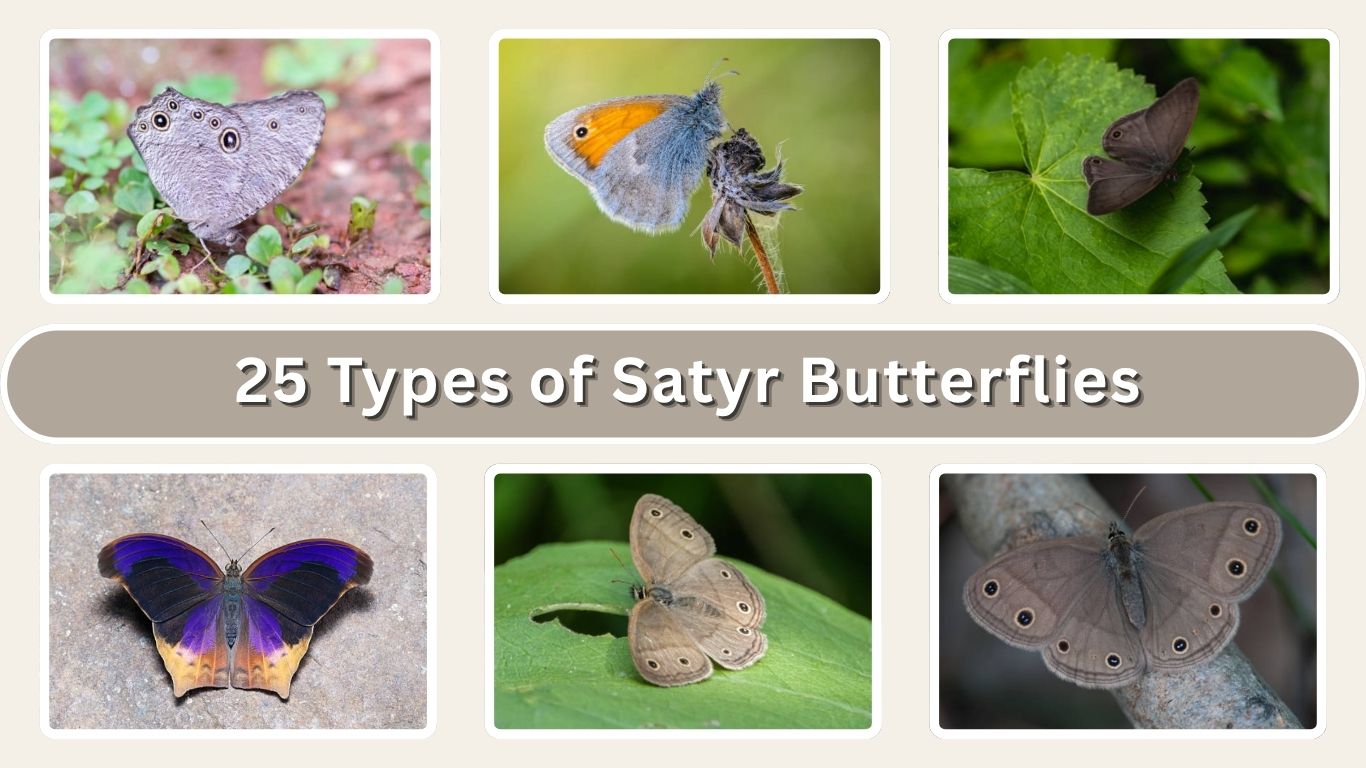
Satyr butterflies are a diverse group of grassland and woodland species known for their earthy brown tones, eye-like wing spots, and excellent camouflage abilities. Belonging to the Satyrinae subfamily, these butterflies are commonly found in meadows, forests, wetlands, and mountainous regions. They are typically weak fliers and stay close to grasses and low vegetation, where their larvae also feed. Their subtle beauty and adaptive camouflage make them an important part of natural ecosystems around the world.
1. Common Satyr
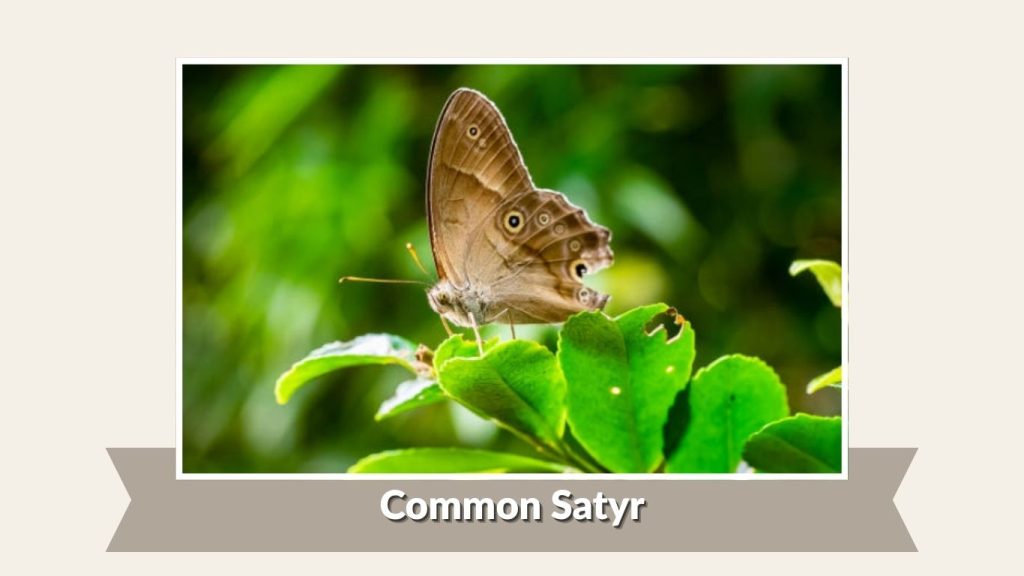
The Common Satyr is a widespread butterfly belonging to the Satyrinae group, often found in grassy fields, woodland edges, and open meadows. It is recognized for its earthy wing colors and eye-like spots that help it blend into natural surroundings. This butterfly is most active during warm seasons and is commonly seen fluttering low among grasses rather than flying high in the air like many other butterflies.
Identification
- Brown wings with subtle eye spots
- Rounded wing shape with soft edges
- Light band or faint markings across wings
- Medium wingspan, usually small to medium size
- Slow, low flight close to grass level
- Underside often paler with camouflaging patterns
Habitat
Common Satyrs prefer grassy habitats, including meadows, fields, forest clearings, and roadside vegetation. They thrive in areas with tall grasses, which provide both food sources for caterpillars and shelter for adults. These butterflies are strongly associated with natural, undisturbed grassy environments.
Behavior
This species is typically weak-flying and prefers short, low flights among grass blades. It often rests with wings closed to hide its eye spots, which help confuse predators. The caterpillars feed mainly on grasses, making them closely tied to grassy ecosystems. Adult Common Satyrs feed on plant juices, decaying fruit, and nectar when available. Their camouflage and calm behavior help them avoid predators in the wild.
2. Meadow Satyr
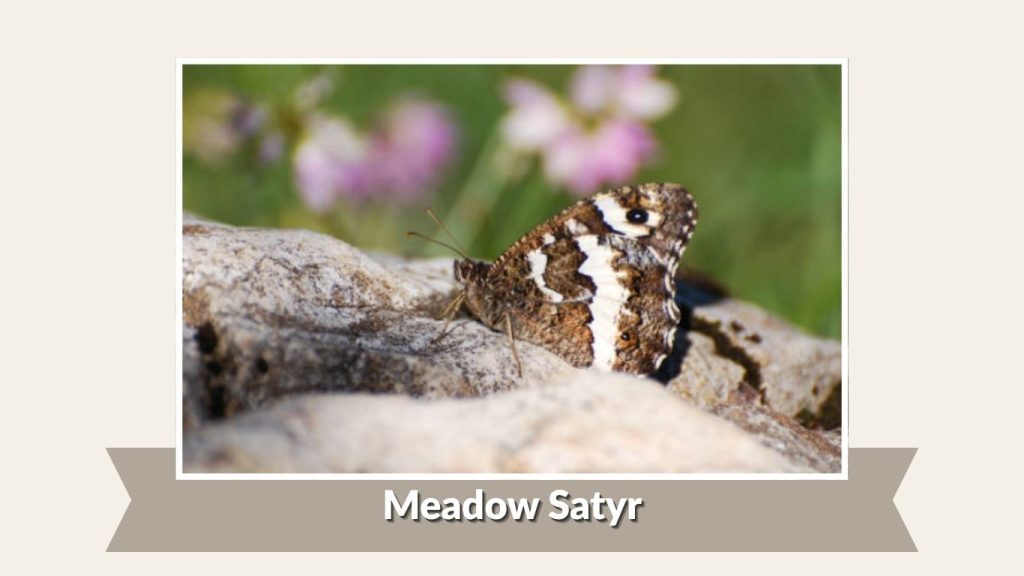
The Meadow Satyr is a grassland butterfly commonly found in open meadows, fields, and lightly wooded areas. It belongs to the Satyrinae subfamily and is well adapted to living in grassy environments where it can easily hide from predators. Its soft brown coloration and subtle markings allow it to blend naturally with dry grass and soil.
Identification
- Light to medium brown wings
- Small eye spots on wings
- Rounded wing edges with soft outline
- Pale underside with camouflage patterns
- Medium-small wingspan
- Slow, low-level flight near grass
Habitat
Meadow Satyrs are typically found in open grasslands, rural fields, grassy slopes, and forest clearings. They prefer sunny areas with abundant wild grasses, which serve as food for their larvae. These butterflies are commonly seen resting on grass stems or low plants during the day.
Behavior
This species is weak-flying and usually stays close to the ground. It often rests with its wings closed, using camouflage to avoid predators like birds and lizards. The caterpillars feed on different types of grasses, making meadows essential for their survival. Adult Meadow Satyrs feed on nectar, plant juices, and sometimes rotting fruit. Their calm behavior and excellent camouflage help them survive in open environments where predators are common.
3. Great Satyr
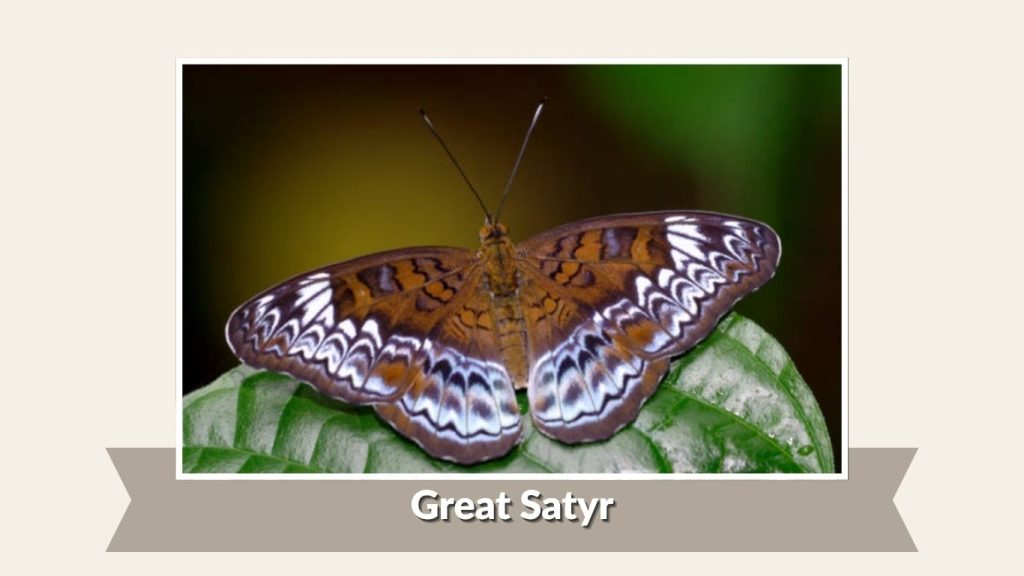
The Great Satyr is a larger member of the Satyrinae butterflies, known for its stronger build and more noticeable wing patterns compared to smaller satyr species. It is typically found in forest edges and open woodland areas where sunlight filters through trees, creating ideal conditions for its survival. This butterfly is active mainly during warm daylight hours and is often seen gliding slowly near vegetation.
Identification
- Larger brown wings compared to other satyrs
- Prominent eye spots on forewings and hindwings
- Slight banding or lighter patches across wings
- Rounded but strong wing shape
- Underside patterned for camouflage
- Slower but steadier flight than smaller satyrs
Habitat
Great Satyrs inhabit forest margins, woodland clearings, grassy hillsides, and semi-open landscapes. They prefer areas where grasses and low vegetation are abundant, as these are essential for their larvae. They are more commonly found in regions with moderate shade and moisture, which support rich plant growth.
Behavior
This species usually flies low but with more confidence and distance compared to smaller satyrs. It often rests with wings closed to hide its eye spots, which help deter predators. The caterpillars feed on various wild grasses, while adults feed on nectar, tree sap, and sometimes decaying fruit. Their combination of size, camouflage, and slow movement makes them well-adapted to avoiding predators in natural habitats.
4. Lesser Satyr
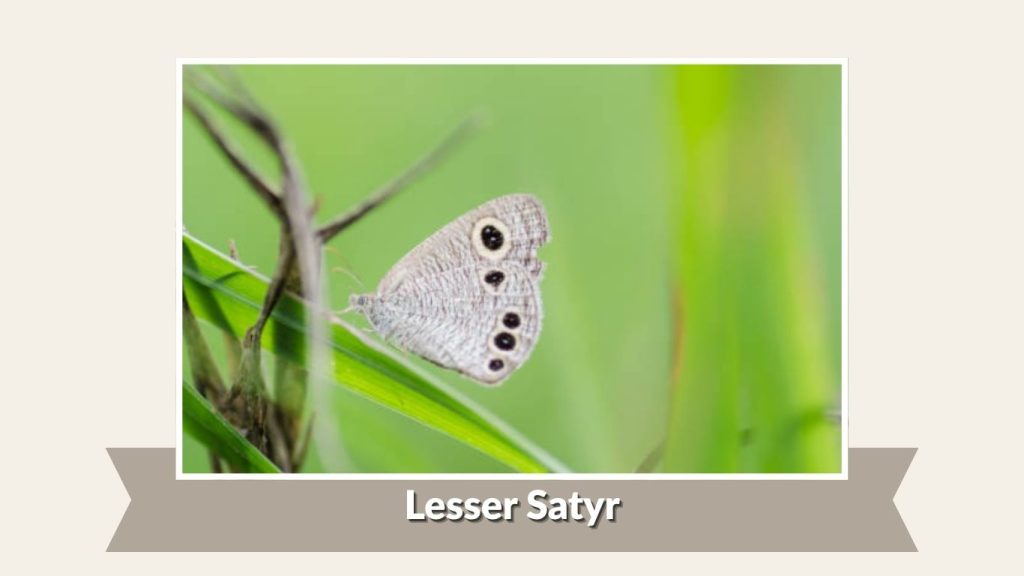
The Lesser Satyr is a small grassland butterfly belonging to the Satyrinae group, commonly found in open grassy habitats. Despite its modest size, it is well adapted to survival through camouflage and low, hidden movement among vegetation. It is often overlooked due to its subtle coloring and quiet behavior in the wild.
Identification
- Small light brown wings
- Faint or reduced eye spots
- Soft, rounded wing edges
- Pale underside with camouflage tones
- Small wingspan compared to other satyrs
- Weak, close-to-ground flight pattern
Habitat
Lesser Satyrs are typically found in grasslands, meadows, roadside vegetation, and open fields. They prefer areas with short to medium grasses where they can easily hide from predators. These habitats also provide food sources for their larvae, which depend heavily on grass species for development.
Behavior
This butterfly is shy and tends to stay very close to the ground. It usually rests with wings closed, blending into dry grass or soil. Its flight is short and low, often only moving when disturbed. Caterpillars feed on various grasses, while adults consume nectar, plant juices, and occasionally decaying organic matter. The Lesser Satyr relies heavily on camouflage and stillness for protection rather than speed or strong flight.
5. Dark Satyr
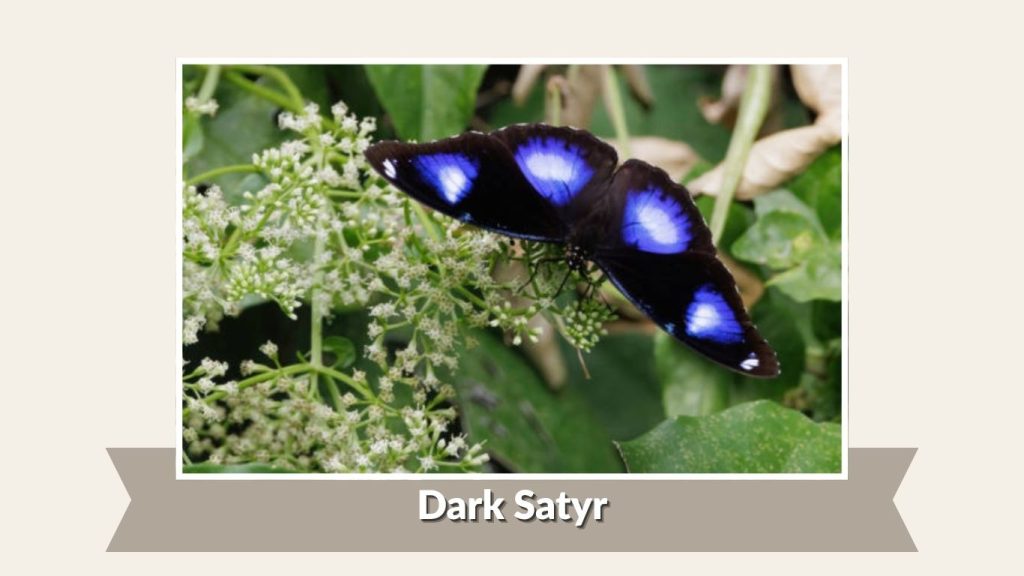
The Dark Satyr is a woodland butterfly known for its deeper brown coloration and strong camouflage ability. It is commonly found in shaded forest areas where light is limited, allowing its dark wing tones to blend perfectly with tree trunks, fallen leaves, and shadowed ground. This species is more active during warm, humid conditions and prefers staying close to vegetation cover.
Identification
- Deep dark brown wings
- Faint or small eye spots
- Smooth, rounded wing shape
- Pale underside with subtle patterns
- Medium-small wingspan
- Slow, low flight in shaded areas
Habitat
Dark Satyrs are mainly found in forests, dense woodland edges, shaded grasslands, and moist valleys. They prefer environments with thick vegetation and limited direct sunlight. These habitats provide both food plants for larvae and protection for adults from predators.
Behavior
This species is usually shy and avoids open sunlight, staying near shaded ground or low shrubs. It often rests with wings closed, relying heavily on camouflage to avoid detection. The caterpillars feed on grasses and low forest plants, while adults feed on nectar, tree sap, and occasionally rotting fruit. The Dark Satyr is well adapted for survival in low-light environments, using its coloration and stillness as its main defense strategy against predators.
6. Woodland Satyr
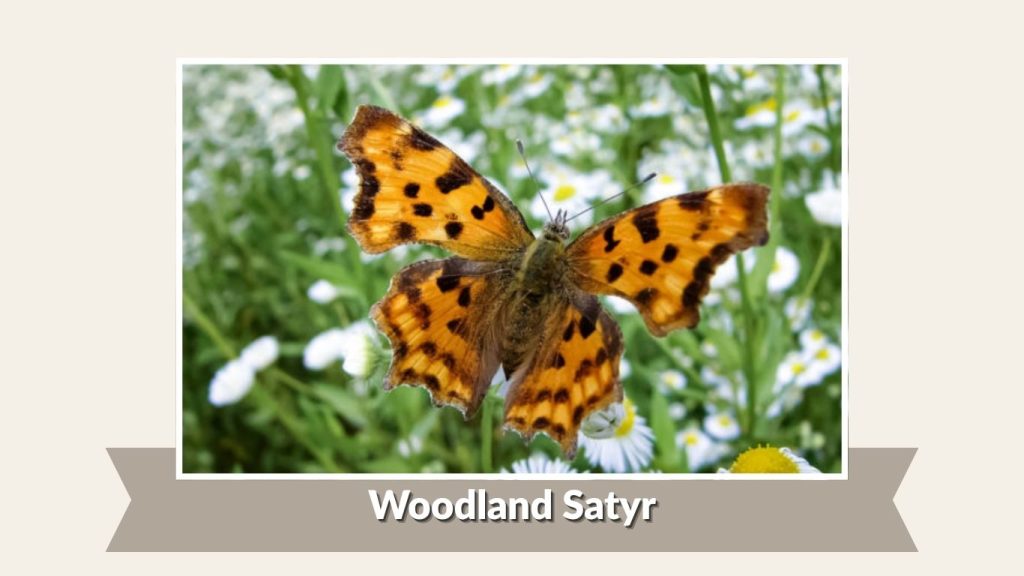
The Woodland Satyr is a forest-dwelling butterfly commonly seen in shaded woodlands and dense vegetation areas. It is well adapted to living under tree cover, where dappled sunlight and leaf litter provide excellent camouflage. This species is usually quiet and blends easily into its surroundings, making it difficult to spot unless it is in flight.
Identification
- Brown wings with subtle eye spots
- Slightly darker outer wing edges
- Rounded wing shape with soft texture
- Pale underside with leaf-like camouflage
- Medium-small wingspan
- Slow, fluttering flight near ground level
Habitat
Woodland Satyrs are typically found in forests, shaded groves, dense thickets, and forest clearings. They prefer moist, cool environments with plenty of undergrowth and grasses. These habitats provide both shelter and food sources for their larvae, which depend on wild grasses and low vegetation.
Behavior
This butterfly is generally shy and prefers staying close to the forest floor. It often rests with wings closed, using its eye spots and earthy tones to blend into dead leaves and bark. Its flight is short and low, usually only when disturbed. Caterpillars feed on forest grasses, while adults feed on nectar, sap, and occasionally fallen fruit. The Woodland Satyr relies heavily on camouflage and stillness to avoid predators in its natural habitat.
7. Forest Satyr
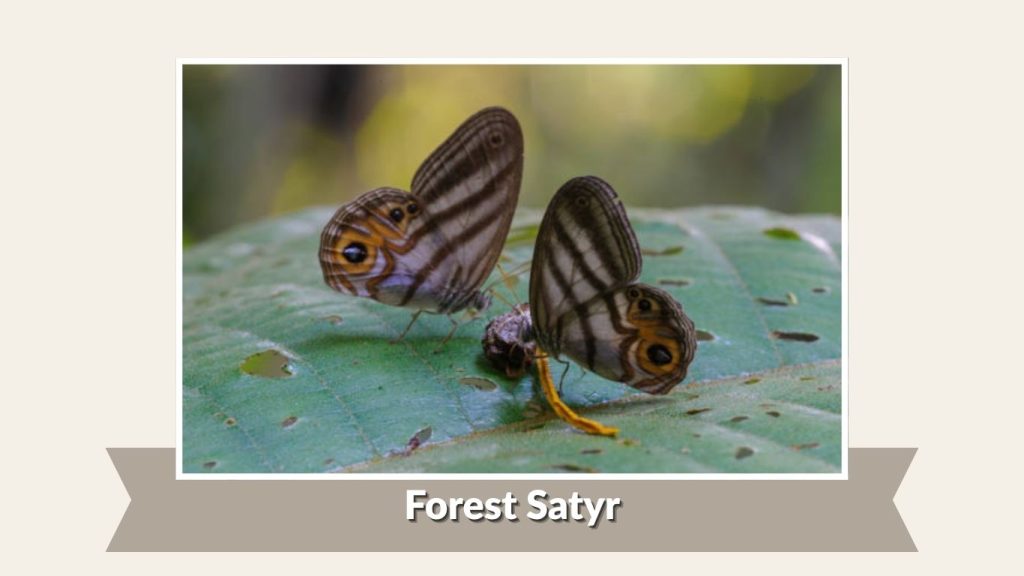
The Forest Satyr is a butterfly species commonly associated with dense forests and shaded natural environments. It is well adapted to low-light conditions under tree canopies and is often seen fluttering quietly along forest paths and clearings. Its earthy wing colors help it blend seamlessly with bark, leaves, and shadowed ground.
Identification
- Medium brown wings with subtle eye spots
- Slight darker shading along wing margins
- Rounded and soft wing shape
- Pale underside with camouflage patterning
- Medium wingspan
- Slow and gentle flight close to vegetation
Habitat
Forest Satyrs inhabit dense woodlands, tropical and subtropical forests, shaded trails, and forest edges. They prefer areas with high humidity and abundant undergrowth. Grassy patches within forests are especially important because they provide food for their caterpillars. These butterflies are rarely found in open sunny fields.
Behavior
This species is typically calm and secretive, spending most of its time close to the ground or resting on leaves. It often keeps its wings closed when stationary to remain hidden from predators. The caterpillars feed on forest grasses and low plants, while adults feed on nectar, sap flows, and sometimes overripe fruit. The Forest Satyr relies heavily on camouflage and slow movement as its main defense strategy in the wild.
8. Brown Satyr
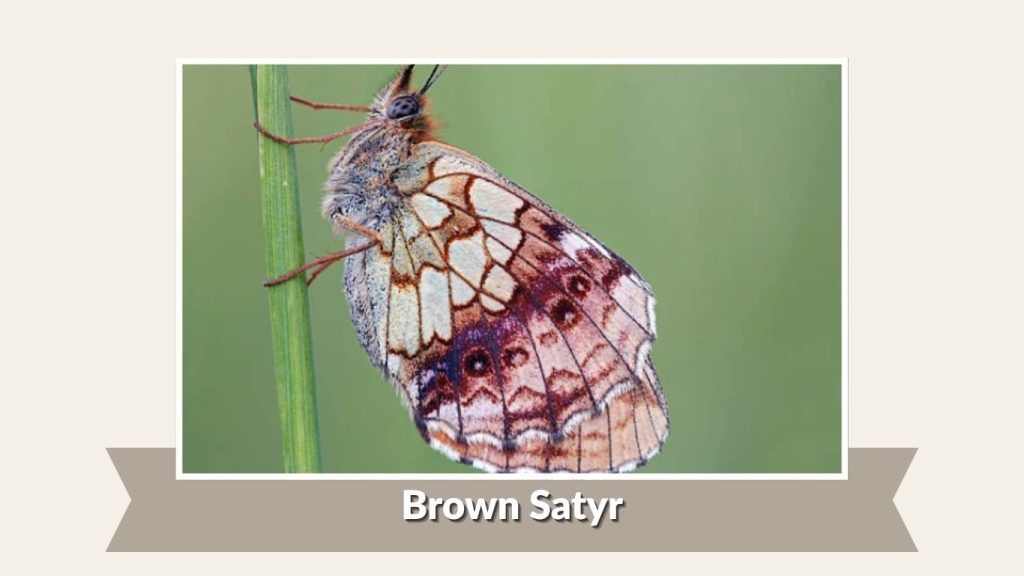
The Brown Satyr is a common grassland butterfly recognized for its simple brown coloration and excellent camouflage in dry grassy habitats. It is one of the more widespread satyr butterflies and is frequently seen fluttering low over fields, meadows, and roadside vegetation during warm daylight hours.
Identification
- Uniform brown wings with minimal markings
- Small eye spots on hindwings
- Rounded wing shape with soft edges
- Pale underside for blending with grass and soil
- Medium-small wingspan
- Weak, close-to-ground flight
Habitat
Brown Satyrs are found in grasslands, open fields, farmland edges, savannas, and dry meadows. They prefer sunny areas with abundant grasses, which serve as the main food source for their caterpillars. These habitats allow them to remain hidden while still accessing enough food and shelter.
Behavior
This butterfly is generally slow and weak in flight, staying close to the ground. It often rests with wings closed, blending into dried grass and soil. The caterpillars feed primarily on different grass species, while adults feed on nectar, plant juices, and occasionally decaying organic matter. The Brown Satyr relies heavily on camouflage rather than speed or strong flight to avoid predators, making it well suited for survival in open grassland environments.
9. Grey Satyr
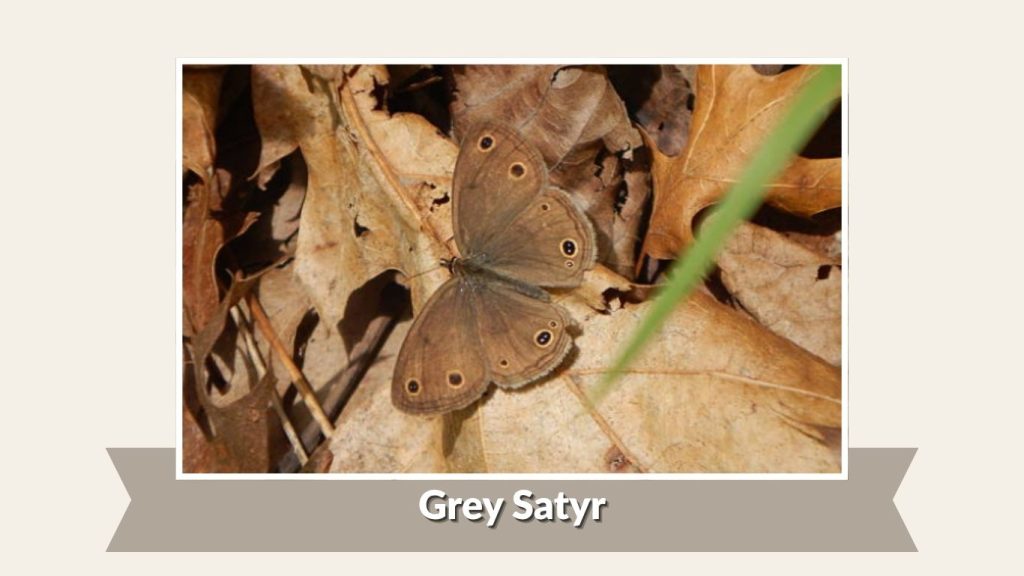
The Grey Satyr is a subtle and well-camouflaged butterfly found in grassy and lightly wooded habitats. Its muted grey-brown coloration allows it to blend easily with dry leaves, tree bark, and shaded ground surfaces. This species is often overlooked due to its calm behavior and preference for staying hidden among vegetation.
Identification
- Greyish-brown wings with soft patterns
- Small eye spots, often faint
- Rounded wing shape with smooth edges
- Pale underside with leaf-like camouflage
- Medium-small wingspan
- Slow and low flight near grass or ground
Habitat
Grey Satyrs are commonly found in grasslands, forest edges, scrublands, and open woodland areas. They prefer environments with dry grasses and scattered shrubs. These habitats provide both food for larvae and shelter for adults. They are especially common in warm, dry climates with seasonal vegetation.
Behavior
This butterfly is generally shy and prefers staying close to the ground or resting on low plants. It typically keeps its wings closed when stationary to avoid detection. The caterpillars feed on various grasses, while adults feed on nectar, plant juices, and sometimes decaying fruit. The Grey Satyr relies heavily on camouflage and stillness, making it difficult for predators to spot in its natural environment.
10. Yellow Satyr
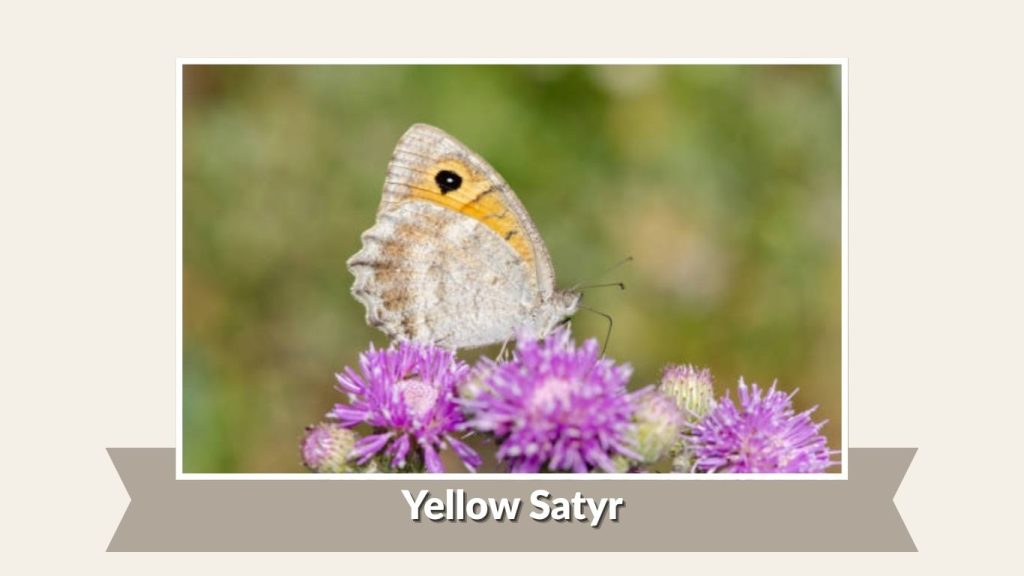
The Yellow Satyr is a brightly tinted member of the Satyrinae group, known for its warmer coloration compared to most other satyr butterflies. While many satyrs are brown or grey, this species shows soft yellowish tones that help it blend with sunlit grasses and dried vegetation. It is typically found in open grassy habitats during warm weather.
Identification
- Yellowish-brown wings with soft tones
- Small eye spots on hindwings
- Rounded wing shape with smooth edges
- Pale underside with camouflage patterns
- Medium-small wingspan
- Slow, low flight close to grass level
Habitat
Yellow Satyrs are commonly found in grasslands, meadows, dry fields, and open countryside areas. They prefer sunny environments with tall or mixed grasses, which provide both food for caterpillars and shelter for adults. These butterflies are more often seen in warm, dry regions with seasonal vegetation growth.
Behavior
This species is generally calm and weak-flying, staying close to grasses and low plants. It often rests with wings closed to blend into yellow-brown surroundings. The caterpillars feed on grasses, while adults consume nectar, plant juices, and sometimes overripe fruit. The Yellow Satyr relies heavily on its natural coloration and stillness to avoid predators, making it well adapted to open grassy ecosystems.
11. Striped Satyr
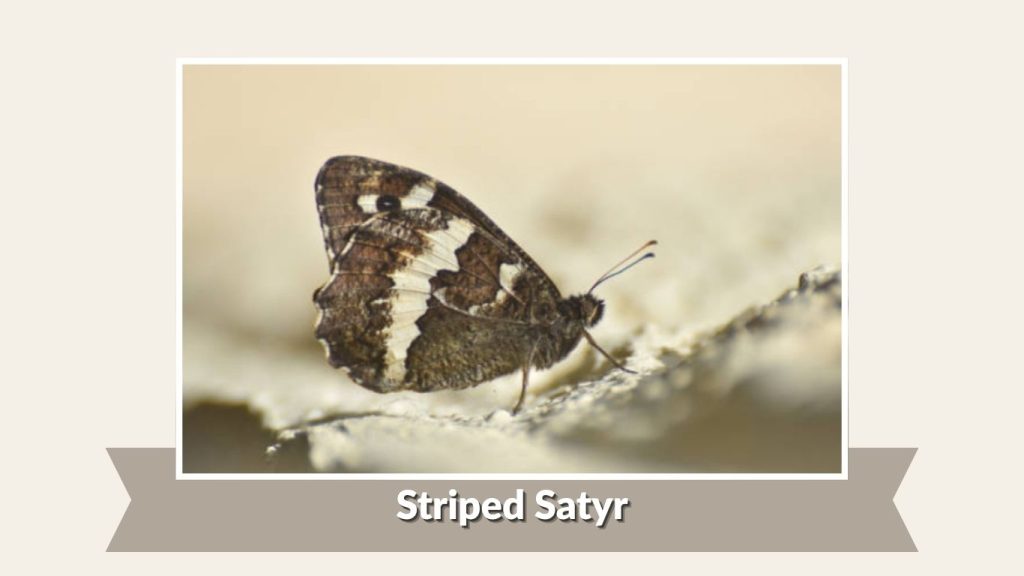
The Striped Satyr is a grassland butterfly known for its distinctive linear markings across the wings, which set it apart from other satyr species. It is commonly found in open habitats where grasses dominate, and it relies heavily on its striped pattern for camouflage among blades of grass and dry vegetation.
Identification
- Brown wings with visible stripe-like markings
- Small eye spots on hindwings
- Rounded wing shape with soft edges
- Pale underside with striped camouflage pattern
- Medium-small wingspan
- Slow, low flight close to grass level
Habitat
Striped Satyrs are typically found in grasslands, meadows, savannas, farmland edges, and open scrub areas. They prefer sunny environments with tall or mixed grasses, which are essential for both larval feeding and adult shelter. These butterflies are more common in warm seasons when grass growth is abundant.
Behavior
This species is weak-flying and stays close to vegetation, often resting with wings closed to blend into grassy surroundings. Its striped wing pattern helps break up its outline, making it harder for predators to detect. Caterpillars feed on various grass species, while adults feed on nectar, plant sap, and occasionally decaying fruit. The Striped Satyr relies mainly on camouflage and stillness for survival in open environments where predators are common.
12. Ringlet Satyr
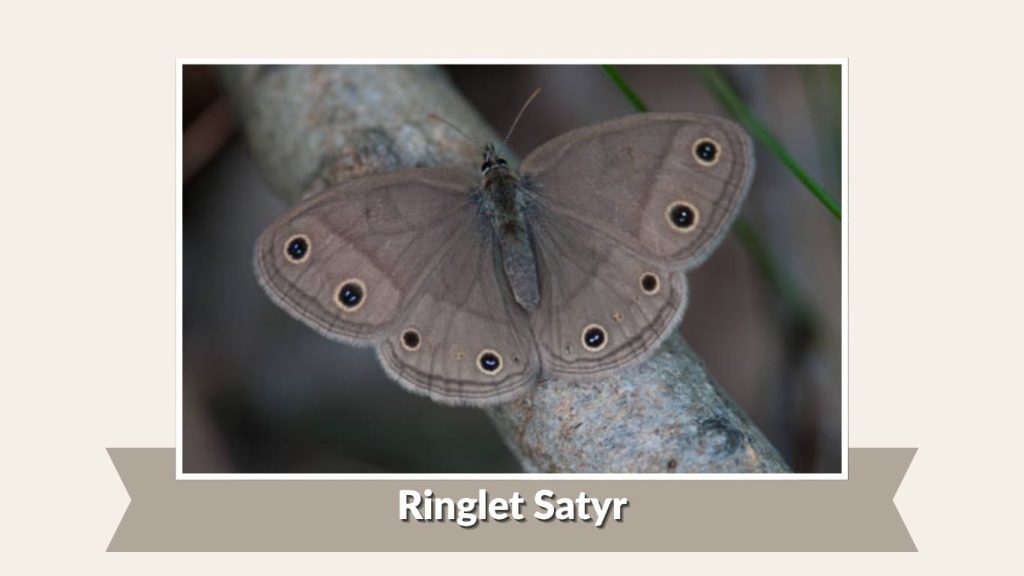
The Ringlet Satyr is a small, well-known butterfly in the Satyrinae group, easily recognized by the ring-like eye spots on its wings. It is commonly found in grassy habitats and is especially active in cooler, cloudy weather compared to many other butterfly species.
Identification
- Brown wings with prominent ring-shaped eye spots
- Dark outer wing margins
- Rounded wing shape with soft edges
- Pale underside with clear ring patterns
- Medium-small wingspan
- Gentle, low flight close to grass
Habitat
Ringlet Satyrs are widely distributed in grasslands, meadows, forest edges, pastures, and roadside grassy areas. They prefer cool, moist environments where grasses grow thickly. These habitats provide ideal food sources for caterpillars and safe resting places for adults.
Behavior
This butterfly is active even in cloudy or cool conditions when many other species remain inactive. It usually flies low and weakly, staying close to grasses. When resting, it keeps its wings closed, displaying the eye spots that help deter predators. Caterpillars feed on various grasses, while adults feed on nectar and plant juices. The Ringlet Satyr uses its eye spots and camouflage together to avoid predators in open grassy environments.
13. Marsh Satyr
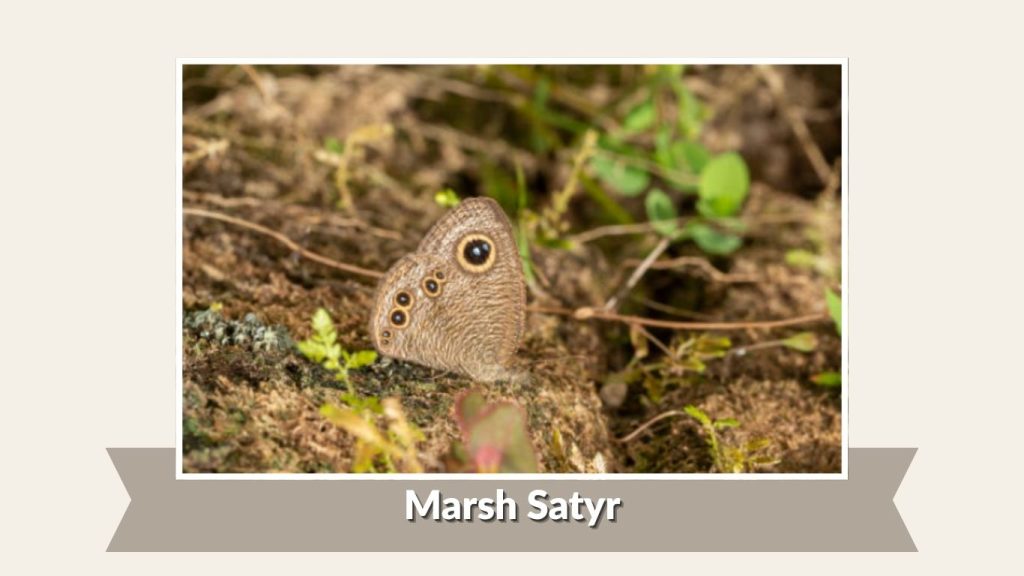
The Marsh Satyr is a moisture-loving butterfly commonly found in wet grasslands and marshy environments. It is closely associated with damp habitats where tall grasses and sedges grow abundantly. This species is less commonly seen in dry regions and is strongly dependent on wetland ecosystems for survival.
Identification
- Brown wings with faint eye spots
- Slightly darker wing edges
- Rounded, soft wing shape
- Pale underside with subtle camouflage pattern
- Medium-small wingspan
- Slow, low flight near wet grasses
Habitat
Marsh Satyrs are typically found in wetlands, marshes, riverbanks, wet meadows, and swampy grasslands. They prefer areas with high moisture and dense vegetation, especially tall grasses and reeds. These environments provide essential food sources for larvae and shelter for adults.
Behavior
This butterfly is generally weak-flying and stays close to wet vegetation. It often rests with wings closed to blend into reeds and grasses. The caterpillars feed on moisture-loving grasses and sedges, while adults feed on nectar and plant juices. The Marsh Satyr depends heavily on wetland habitats, making it sensitive to habitat loss and drainage. Its camouflage and quiet behavior help it avoid predators in dense, damp environments.
14. Swamp Satyr
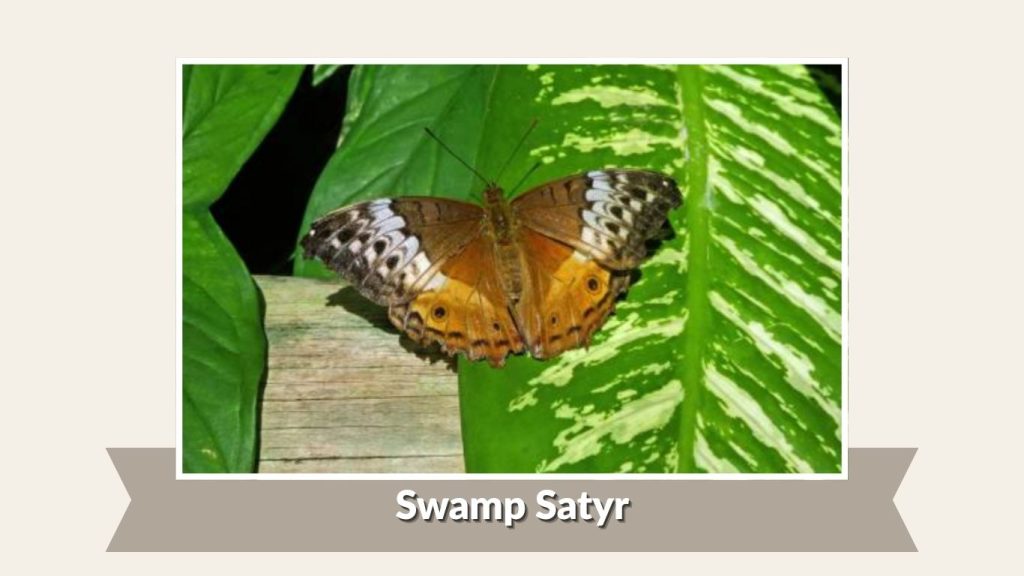
The Swamp Satyr is a wetland-dwelling butterfly that thrives in damp, low-lying habitats with dense vegetation. It is closely related to other satyr butterflies but is specially adapted to swampy environments where humidity is high and grasses grow thick around water bodies.
Identification
- Dark brown wings with faint eye spots
- Slightly glossy appearance in fresh individuals
- Rounded wing shape with soft edges
- Pale underside with camouflage tones
- Medium-small wingspan
- Weak, low flight close to vegetation
Habitat
Swamp Satyrs are found in swamps, marshes, flooded grasslands, riverbanks, and wet forest clearings. They prefer areas with standing or slow-moving water and dense growth of grasses, reeds, and sedges. These moist habitats are essential for both larval feeding and adult survival.
Behavior
This butterfly is generally shy and remains close to the ground or wet plants. It often rests with wings closed, blending into dark soil, reeds, and wet grasses. The caterpillars feed on swamp grasses and other moisture-loving plants. Adults feed on nectar, plant juices, and occasionally decaying organic matter. The Swamp Satyr relies strongly on camouflage and stillness to avoid predators in its humid and densely vegetated environment.
15. Mountain Satyr
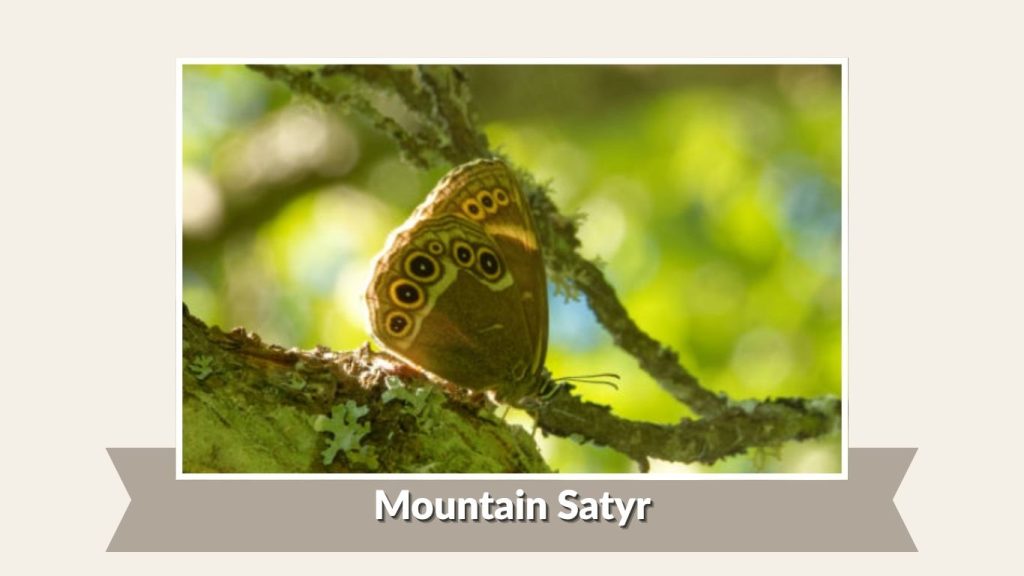
The Mountain Satyr is a high-altitude butterfly adapted to cooler climates and rugged terrain. It is commonly found in hilly and mountainous regions where grasses grow among rocky slopes and alpine meadows. This species is well suited to cooler temperatures and is often active during sunny breaks in otherwise cold environments.
Identification
- Dark brown wings with subtle eye spots
- Slightly thicker body compared to lowland satyrs
- Rounded wing shape with strong structure
- Pale underside with rocky camouflage tones
- Medium-small wingspan
- Slow, low flight close to ground vegetation
Habitat
Mountain Satyrs are found in mountain meadows, alpine grasslands, hill slopes, and high-altitude valleys. They prefer cool, open environments with short grasses and scattered shrubs. These habitats are often windy and cold, so the butterfly stays close to sheltered areas near rocks or vegetation.
Behavior
This species is usually calm and low-flying, staying near grasses or ground cover. It often rests with wings closed to blend into rocky and grassy surroundings. The caterpillars feed on alpine and mountain grasses, while adults feed on nectar from wildflowers and plant juices. The Mountain Satyr is well adapted to harsh climates and relies on camouflage, stillness, and sheltered microhabitats to survive in high-altitude ecosystems.
16. Highland Satyr
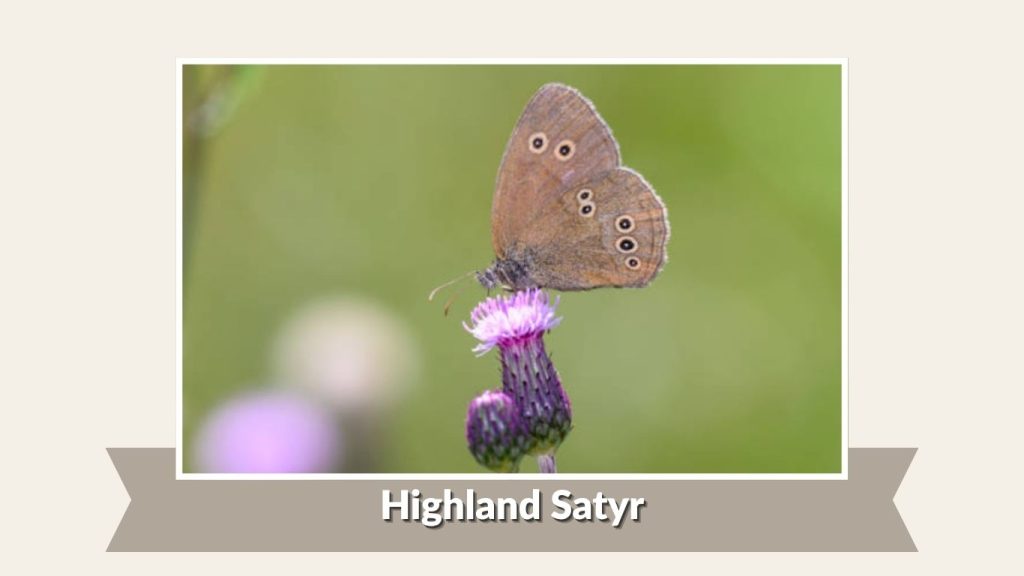
The Highland Satyr is a butterfly species adapted to elevated regions and cool upland environments. It is typically found in hilly grasslands and highland meadows where vegetation is sparse but steady grasses provide enough food for its larvae. This species is well suited to cooler temperatures and moderate wind conditions common in elevated landscapes.
Identification
- Brown wings with faint eye spots
- Slightly darker shading near wing edges
- Rounded wing shape with smooth margins
- Pale underside with earthy camouflage tones
- Medium-small wingspan
- Slow, low flight close to grasses
Habitat
Highland Satyrs are commonly found in highland grasslands, hilltops, rolling uplands, and cool open valleys. They prefer areas with short to medium grasses and scattered wild plants. These environments are often exposed and windy, so the butterfly relies on vegetation patches and ground cover for shelter.
Behavior
This species is generally calm and weak-flying, staying close to the ground or grass clumps. It often rests with wings closed, blending into dry grass and soil. The caterpillars feed on various upland grass species, while adults feed on nectar and plant juices. The Highland Satyr depends heavily on camouflage and quiet behavior to avoid predators in open, elevated habitats where cover is limited.
17. Plain Satyr
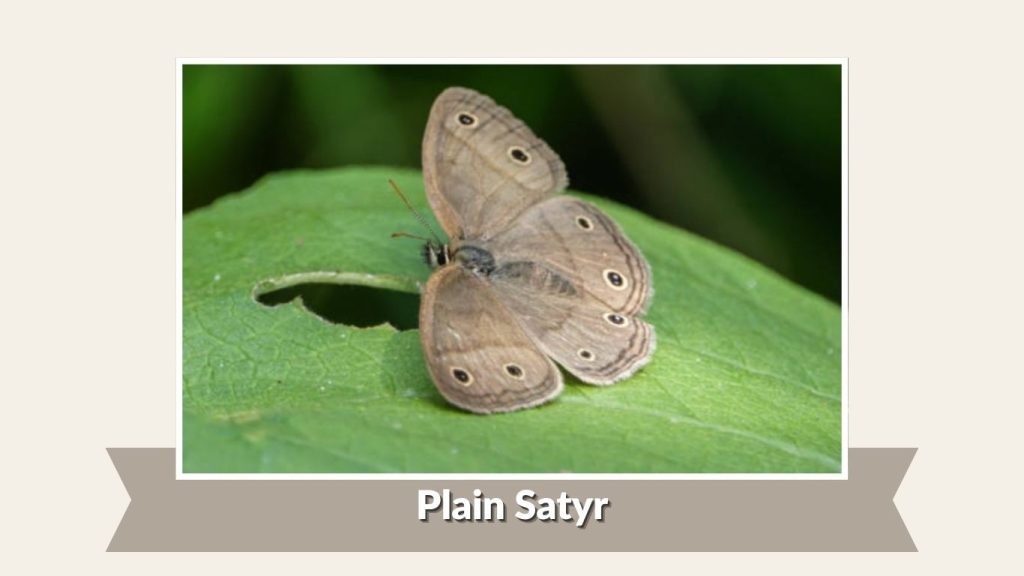
The Plain Satyr is a simple and widespread grassland butterfly known for its minimal markings and strong camouflage. Unlike more patterned satyrs, this species has a more uniform appearance, allowing it to blend easily into dry grasslands and open fields. It is commonly observed in warm seasons when grasses are abundant.
Identification
- Uniform brown wings with very faint markings
- Small or reduced eye spots
- Smooth, rounded wing shape
- Pale underside matching dry grass tones
- Medium-small wingspan
- Weak, low and slow flight
Habitat
Plain Satyrs are typically found in open grasslands, farmlands, meadows, savannas, and roadside grassy areas. They prefer dry to moderately moist environments with tall or mixed grasses. These habitats provide both food for larvae and camouflage for adults resting on vegetation or soil.
Behavior
This butterfly is generally shy and low-energy in flight, staying close to grassy areas. It often rests with wings closed, blending perfectly with dry vegetation and soil. The caterpillars feed on various grass species, while adults feed on nectar, plant juices, and occasionally decaying organic matter. The Plain Satyr relies almost entirely on camouflage and stillness for protection, making it difficult for predators to detect in open environments.
18. Dusky Satyr
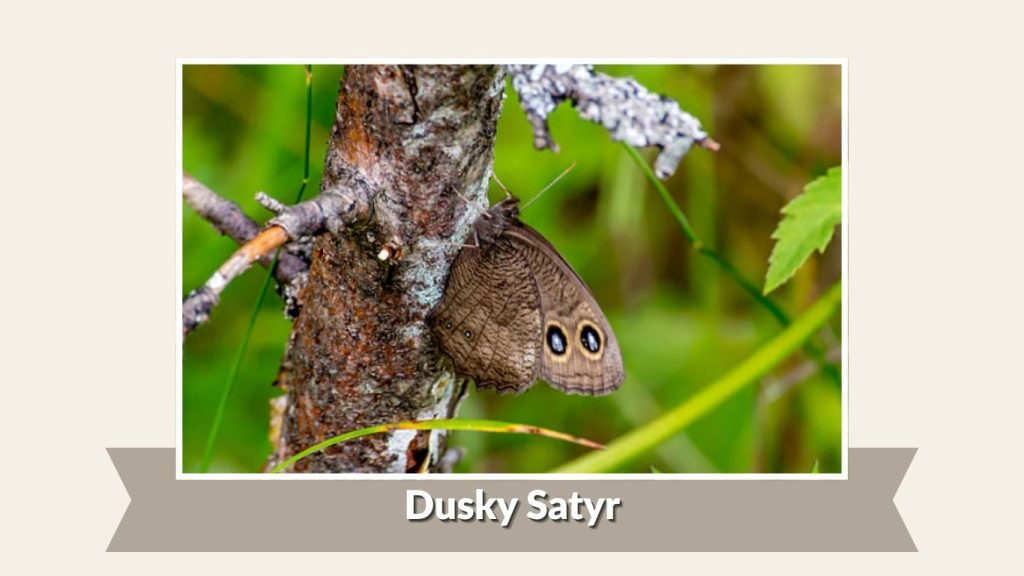
The Dusky Satyr is a forest-edge and grassland butterfly known for its darker, muted coloration. It is well adapted to shaded and semi-shaded environments where its dusky wing tones provide excellent camouflage among dry leaves, soil, and dim vegetation. This species is often more active during overcast or late-day conditions.
Identification
- Dark brown wings with dusky shading
- Small, faint eye spots
- Rounded wing shape with soft margins
- Pale underside with shadow-like camouflage
- Medium-small wingspan
- Slow, low flight near ground or vegetation
Habitat
Dusky Satyrs are commonly found in forest edges, shaded grasslands, scrublands, and woodland clearings. They prefer areas with mixed sunlight and shade, often staying close to undergrowth and grassy patches. These environments provide both larval food plants and protection from predators.
Behavior
This butterfly is generally shy and weak-flying, staying close to the ground or low vegetation. It often rests with wings closed, blending into shaded surroundings. The caterpillars feed on grasses found in partially shaded habitats, while adults feed on nectar, plant juices, and sometimes fallen fruit. The Dusky Satyr relies heavily on camouflage and low activity levels to avoid predators in dimly lit environments.
19. Small Satyr
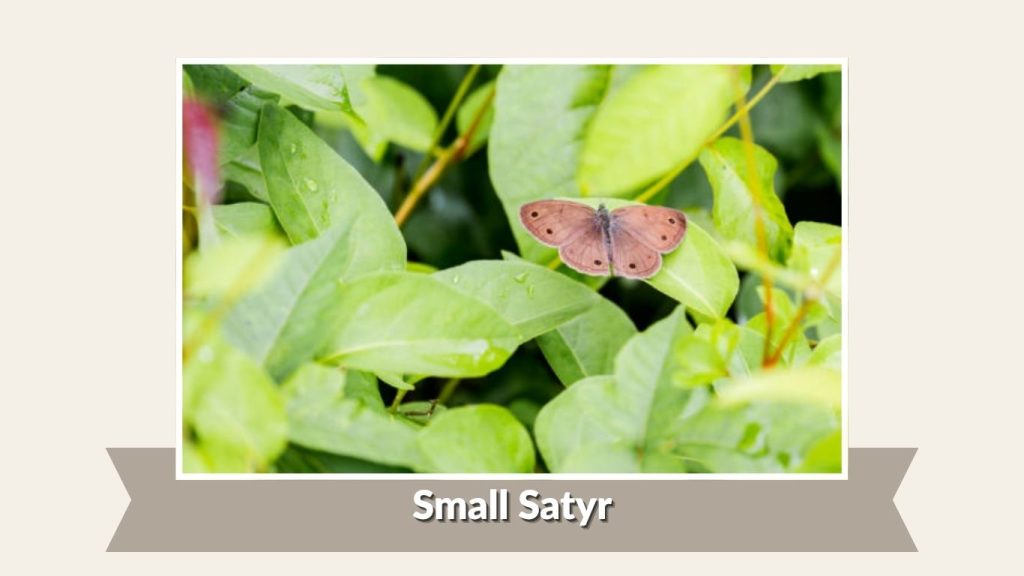
The Small Satyr is a tiny grassland butterfly belonging to the Satyrinae group, easily recognized by its compact size and subtle wing markings. It is commonly found in grassy habitats where it stays close to the ground, making it difficult to notice among vegetation. Despite its small size, it is well adapted to survival in open environments.
Identification
- Very small brown wings
- Faint or minimal eye spots
- Rounded wing shape with soft edges
- Pale underside for grass camouflage
- Small wingspan compared to other satyrs
- Weak, short-distance flight
Habitat
Small Satyrs are typically found in meadows, grasslands, field edges, lawns, and lightly vegetated open areas. They prefer places with short to medium grasses, which provide both food for caterpillars and shelter for adults. These butterflies are more common in warm seasons when grass growth is active.
Behavior
This species is very shy and usually stays close to the ground. It flies only short distances when disturbed and quickly settles again among grasses. It often rests with wings closed, blending into dry vegetation. The caterpillars feed on grasses, while adults feed on nectar and plant juices. The Small Satyr relies heavily on camouflage and stillness for protection, making it one of the more easily overlooked butterflies in open habitats.
20. Large Satyr
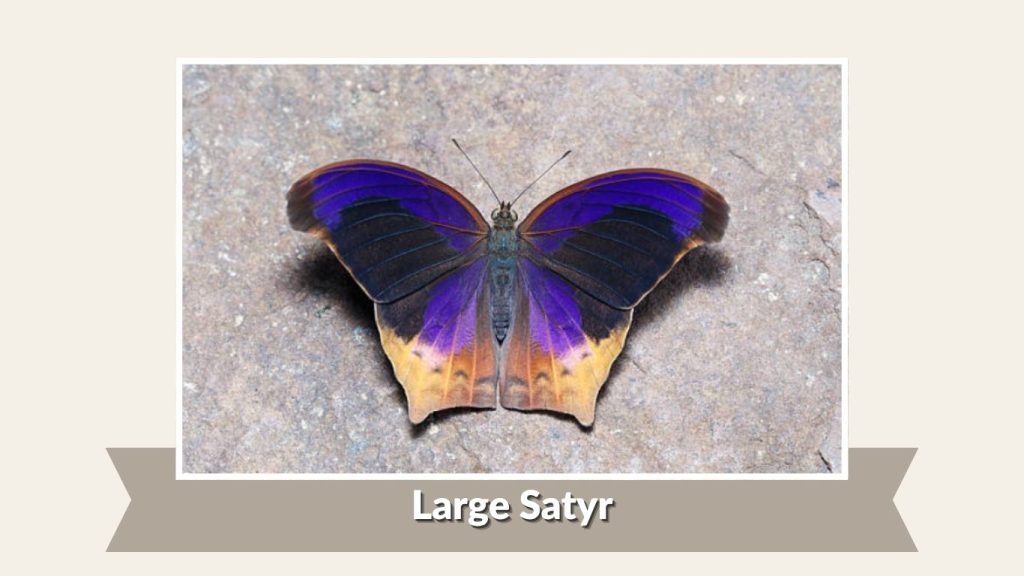
The Large Satyr is a more robust member of the Satyrinae butterflies, known for its bigger size and stronger flight compared to most other satyr species. It is commonly found in grassy habitats and forest clearings where it can move more freely than smaller, more delicate relatives. Its size makes it easier to notice when it is in flight, though it still relies on camouflage when resting.
Identification
- Larger brown wings compared to most satyrs
- Prominent eye spots on hindwings
- Strong, rounded wing shape
- Pale underside with camouflage patterns
- Medium-large wingspan
- Steadier and stronger low flight
Habitat
Large Satyrs are found in grasslands, open woodlands, meadows, forest edges, and hill slopes. They prefer areas with abundant grasses and mixed vegetation. These environments provide both larval food sources and resting cover. They are often seen in slightly more open habitats than smaller, more hidden satyr species.
Behavior
This butterfly has a stronger and more sustained flight, often covering slightly longer distances than other satyrs. It still spends much of its time near the ground and rests with wings closed to blend into vegetation. The caterpillars feed on a variety of grasses, while adults feed on nectar, plant juices, and sometimes decaying fruit. The Large Satyr combines size, moderate flight strength, and camouflage to survive in open grassy environments.
21. Golden Satyr
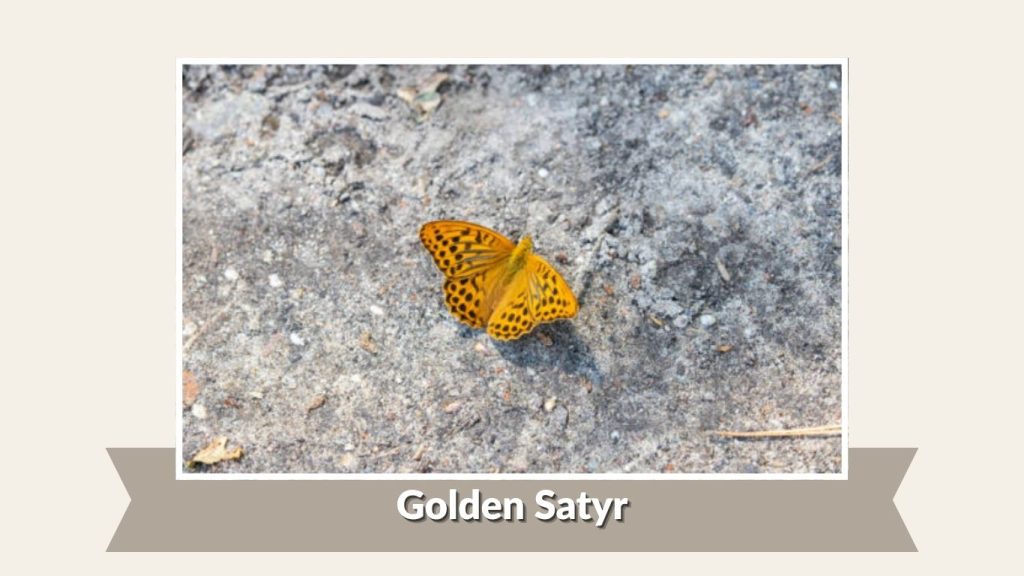
The Golden Satyr is a visually distinctive butterfly within the Satyrinae group, noted for its warm golden-brown tones that set it apart from more uniformly brown satyrs. It is typically found in sunlit grassy habitats where its coloration blends with dry grasses and late-season vegetation. This species is most active during warm, bright days.
Identification
- Golden-brown wings with warm tones
- Small to moderate eye spots on wings
- Rounded wing shape with soft margins
- Pale underside with grassy camouflage
- Medium-small wingspan
- Slow, low flight near vegetation
Habitat
Golden Satyrs are commonly found in meadows, open grasslands, dry fields, savanna-like areas, and forest edges with good sunlight exposure. They prefer habitats with abundant grasses and wild plants. These environments provide food for larvae and suitable resting areas for adults.
Behavior
This species is generally calm and weak-flying, staying close to grassy vegetation. It often rests with wings closed, blending into golden and dry grass tones. The caterpillars feed on various grasses, while adults feed on nectar, plant juices, and occasionally decaying organic matter. The Golden Satyr relies heavily on its warm coloration and camouflage to avoid predators in open sunny habitats.
22. Silver Satyr
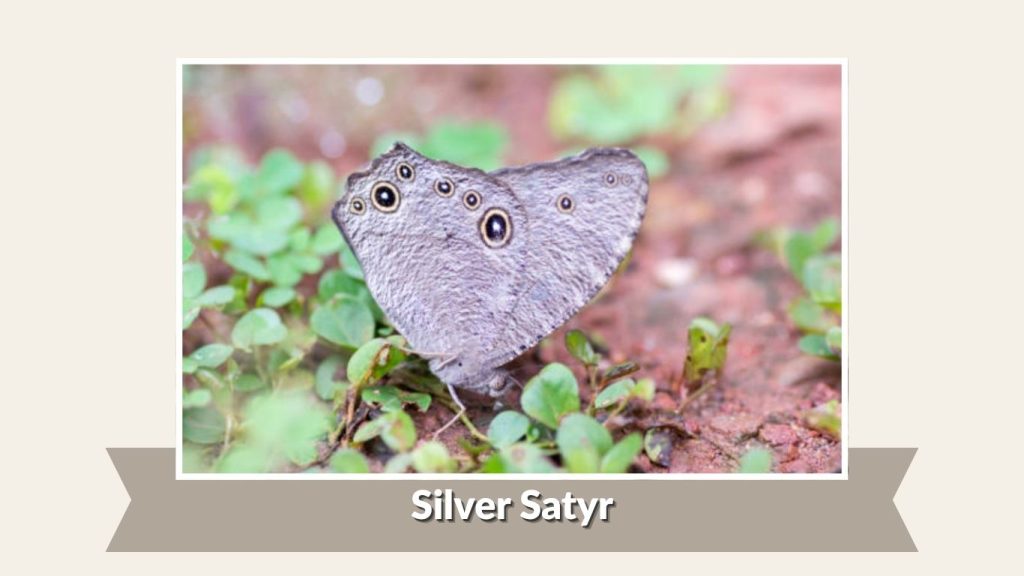
The Silver Satyr is a subtle and elegant butterfly within the Satyrinae group, recognized for its faint silvery or pale sheen on the wings that distinguishes it from more uniformly brown species. It is typically found in grassy and lightly shaded habitats where its soft coloration helps it blend with dew-covered grass and light reflections.
Identification
- Brown wings with slight silvery or pale sheen
- Small, faint eye spots
- Rounded wing shape with soft edges
- Pale underside with reflective camouflage tones
- Medium-small wingspan
- Slow, low, close-to-ground flight
Habitat
Silver Satyrs are commonly found in grasslands, meadow edges, lightly wooded areas, and moist grassy patches. They prefer environments with a mix of sunlight and shade, often near water sources or dew-rich vegetation. These habitats support both larval grass growth and adult feeding needs.
Behavior
This butterfly is generally shy and remains close to the ground or low vegetation. It often rests with wings closed, blending into reflective grass and soil tones. The caterpillars feed on various grasses, while adults feed on nectar, plant juices, and occasionally moisture from damp surfaces. The Silver Satyr relies on subtle coloration and stillness for protection, making it difficult for predators to detect in natural grassy environments.
23. Clouded Satyr
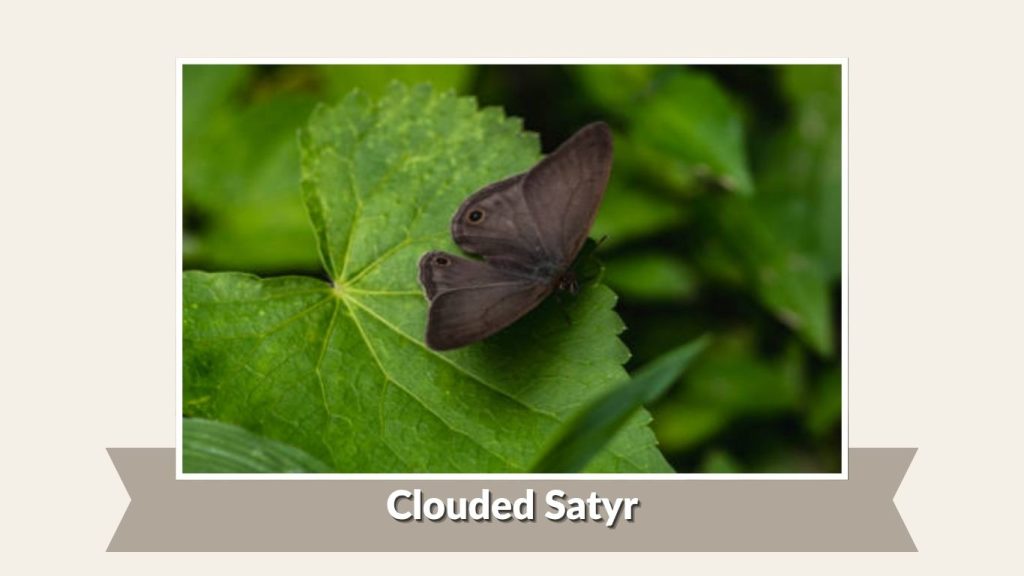
The Clouded Satyr is a butterfly known for its softly blurred and shaded wing patterns that resemble drifting clouds. It is commonly found in grassy and lightly wooded habitats where filtered sunlight creates dappled shadows. This species is well adapted to blending into shifting light conditions on the forest floor and open meadows.
Identification
- Brown wings with cloud-like shaded patterns
- Faint eye spots on hindwings
- Rounded wing shape with soft edges
- Pale underside with misty camouflage tones
- Medium-small wingspan
- Slow, low, fluttering flight
Habitat
Clouded Satyrs are typically found in meadows, forest edges, scrublands, and semi-shaded grasslands. They prefer areas where sunlight is uneven, such as under scattered trees or near woodland openings. These environments provide both food plants for larvae and shelter for adults.
Behavior
This species is generally calm and stays close to grasses or low plants. It often rests with wings closed, blending into shadowed and dappled light patterns. The caterpillars feed on grasses and low vegetation, while adults feed on nectar, plant juices, and occasionally decaying fruit. The Clouded Satyr relies heavily on its soft, diffused wing patterns and stillness to avoid predators in environments with changing light conditions.
24. Speckled Satyr
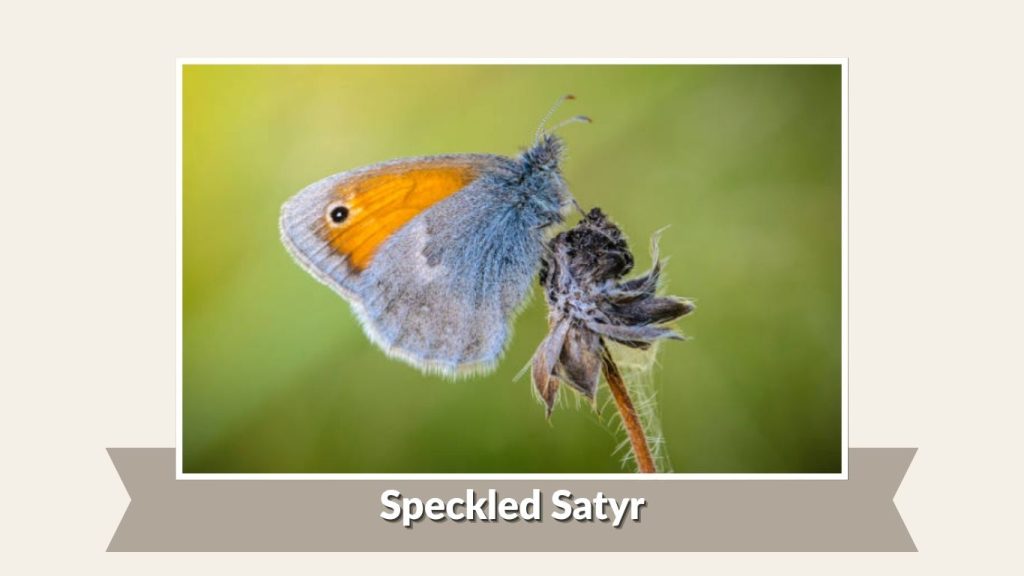
The Speckled Satyr is a grassland butterfly recognized for its fine dotted and speckled patterns across the wings. These small markings help break up its outline, making it highly effective at camouflage among dry grasses, soil, and leaf litter. It is commonly seen in open habitats during warm daylight hours.
Identification
- Brown wings with fine speckled markings
- Small eye spots, often subtle
- Rounded wing shape with soft edges
- Pale underside with scattered dot-like patterns
- Medium-small wingspan
- Slow, low flight close to vegetation
Habitat
Speckled Satyrs are typically found in grasslands, meadows, dry fields, savannas, and roadside vegetation. They prefer sunny environments with abundant grasses and low plants. These habitats provide both food sources for larvae and safe resting places for adults.
Behavior
This butterfly is generally shy and weak-flying, staying close to the ground or grass stems. It often rests with wings closed, using its speckled pattern to blend into natural textures like soil and dry vegetation. The caterpillars feed on grasses, while adults feed on nectar, plant juices, and occasionally decaying organic matter. The Speckled Satyr relies heavily on camouflage and stillness, making it difficult for predators to detect in open environments.
25. Northern Satyr
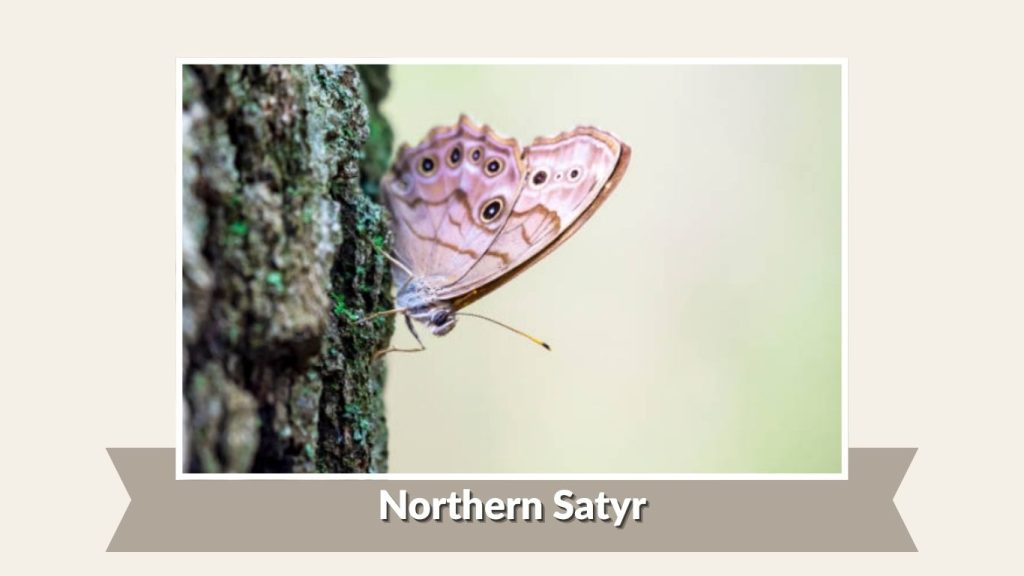
The Northern Satyr is a hardy butterfly adapted to cooler climates and temperate regions. It is commonly found in northern grasslands, forest edges, and cool meadow habitats where temperatures remain moderate. This species is well suited to seasonal environments and is often active during the warmer parts of the day.
Identification
- Brown wings with subtle eye spots
- Slightly darker shading along wing edges
- Rounded wing shape with soft margins
- Pale underside with cool-toned camouflage
- Medium-small wingspan
- Slow, low flight close to grasses
Habitat
Northern Satyrs are found in northern grasslands, cool meadows, forest clearings, and temperate open fields. They prefer habitats with abundant grasses and cooler temperatures compared to tropical satyr species. These environments provide suitable food plants for larvae and safe resting areas for adults.
Behavior
This butterfly is generally calm and low-flying, staying close to grasses and vegetation. It often rests with wings closed, blending into soil, grass, and shaded ground. The caterpillars feed on various grass species, while adults feed on nectar, plant juices, and occasionally decaying fruit. The Northern Satyr relies on camouflage, stillness, and cool-adapted behavior to survive in temperate environments where weather conditions can change frequently.