
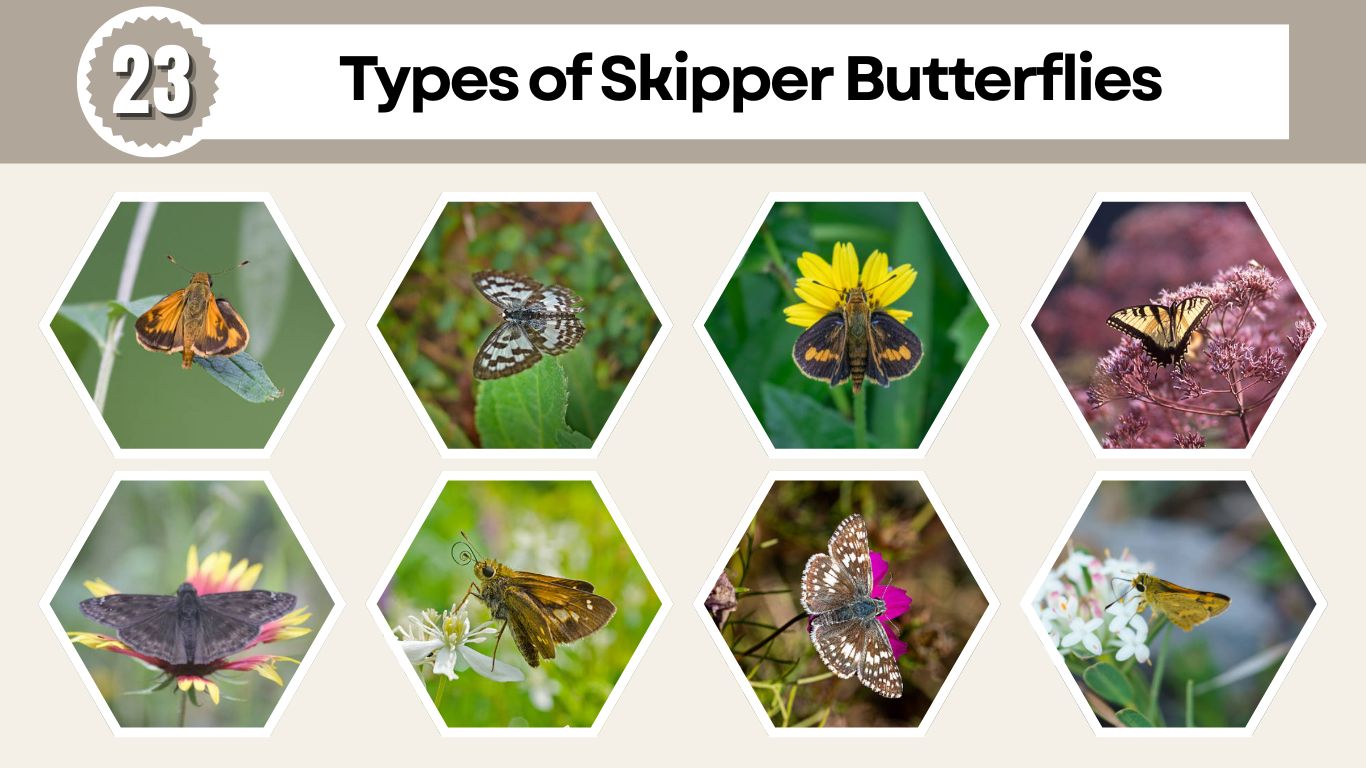
Skipper butterflies are fast-flying insects known for their thick fuzzy bodies, hooked antennae, and quick darting movements. They are commonly found in meadows, grasslands, gardens, wetlands, and woodland edges where flowering plants and grasses are abundant. These butterflies are important pollinators and are active during warm sunny weather. Most skipper larvae feed on grasses or sedges and create silk shelters for protection. Although they may resemble moths because of their stout bodies, skippers are true butterflies. In this guide, you will discover 23 common types of skipper butterflies and their unique characteristics.
1. Silver-Spotted Skipper
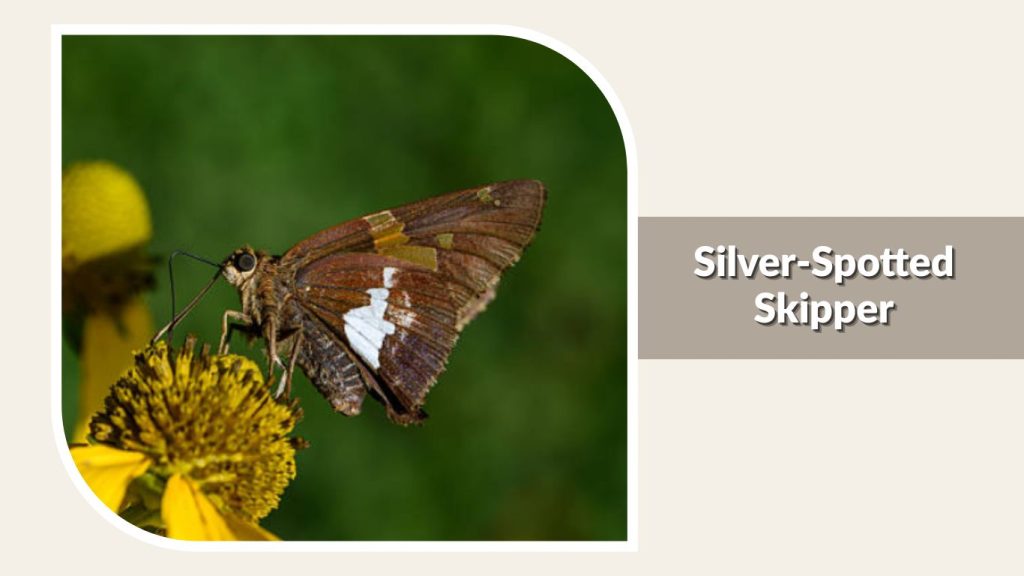
The Silver-Spotted Skipper is one of the largest and most recognizable skipper butterflies in North America. It is known for the bold silver patch on the underside of its hindwings and its fast, darting flight. These butterflies are commonly found in gardens, woodland edges, and open fields where flowering plants are abundant.
Identification
- Large skipper butterfly with a wingspan of about 1.75 to 2.5 inches
- Dark brown upper wings with golden-orange spots
- Distinct silver or white patch on the underside of hindwings
- Thick, fuzzy body typical of skipper butterflies
- Hooked antennae tips
- Rapid, darting flight pattern
- Wings often held at an angle while resting
Habitat and Distribution
Silver-Spotted Skippers are commonly found in open woodlands, gardens, meadows, roadsides, and forest edges across North America. They prefer habitats with flowering plants for nectar and host plants such as legumes, black locust, and wisteria for larval feeding.
Behavior and Diet
Adults feed mainly on nectar from flowers such as thistles, milkweed, and clover. They are active during warm sunny days and are strong, fast fliers. Males are territorial and often perch on leaves or branches to watch for females and intruders.
Lifecycle
The lifecycle begins when females lay eggs on the leaves of host plants. Larvae feed on foliage and create leaf shelters by folding leaves together with silk. After developing through several stages, they pupate inside the shelter. Adults emerge to feed, mate, and continue the reproductive cycle.
2. Fiery Skipper
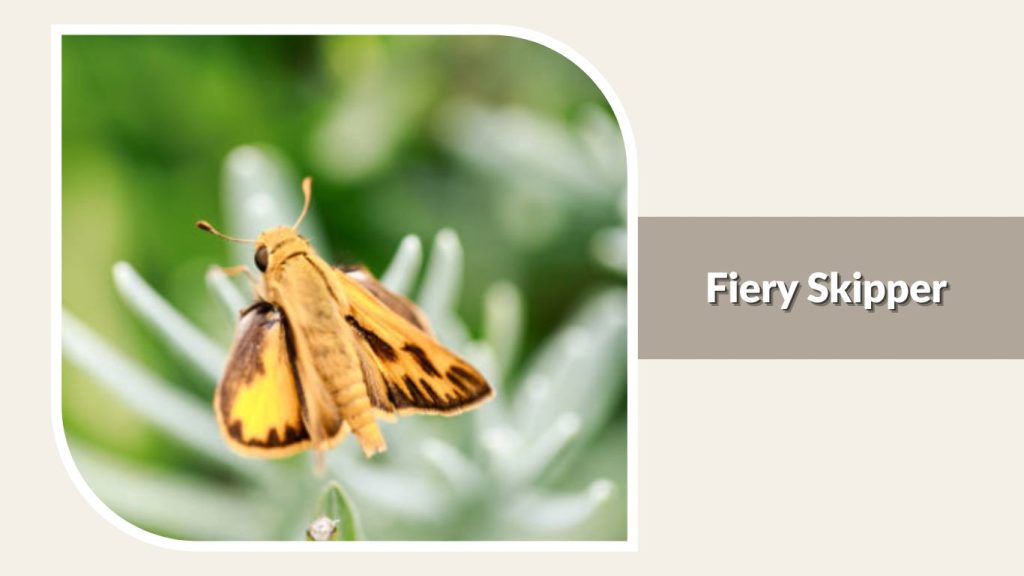
The Fiery Skipper is a small, fast-flying butterfly recognized for its bright orange-brown coloration and energetic flight. It is one of the most common skipper butterflies in warm regions and is frequently seen in gardens, grassy fields, and lawns. These butterflies are important pollinators and are highly active during sunny weather.
Identification
- Small wingspan of about 1 to 1.5 inches
- Bright orange-brown upper wings
- Dark brown wing borders and markings
- Males often have a black streak on the forewings
- Thick, fuzzy body typical of skippers
- Hooked antennae tips
- Rapid, darting flight pattern
Habitat and Distribution
Fiery Skippers are commonly found in lawns, grassy fields, gardens, roadsides, and open habitats across North America, especially in warm southern regions. They prefer areas with flowering plants for nectar and grasses for larval host plants.
Behavior and Diet
Adults feed mainly on nectar from flowers such as lantana, zinnia, and clover. They are highly active during warm sunny days and rest with wings partially open. Males are territorial and often perch in sunny spots to guard feeding or breeding areas.
Lifecycle
The lifecycle begins when females lay eggs on grasses or other host plants. Larvae feed on grass blades and create silk shelters for protection. After developing through several growth stages, they pupate within the shelter. Adults later emerge to feed, mate, and continue the reproductive cycle.
3. Sachem Skipper
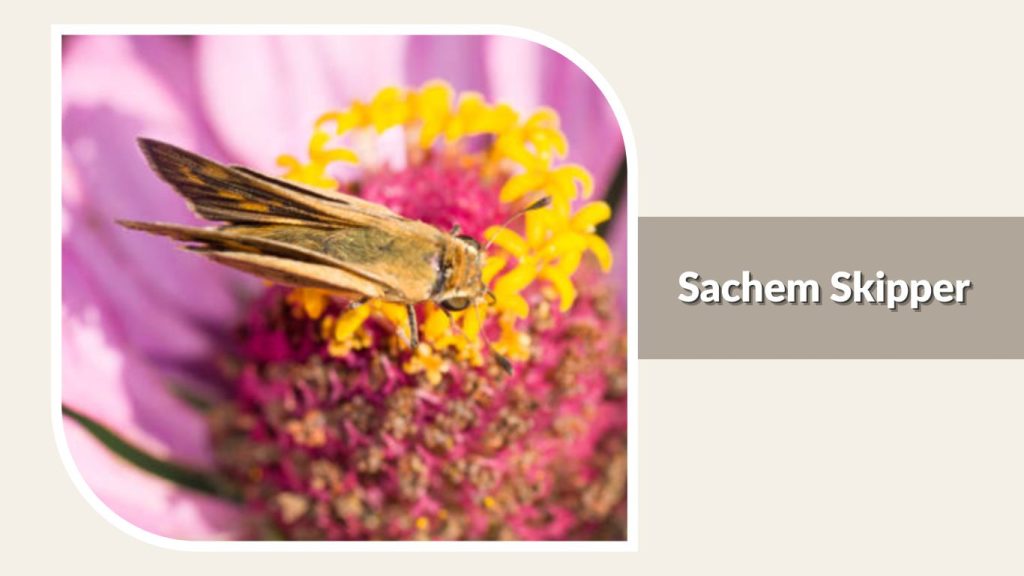
The Sachem Skipper is a small, colorful butterfly known for its warm orange-brown wings and rapid flight. It is commonly found in grassy fields, gardens, and open habitats where flowering plants are abundant. These butterflies are active pollinators and are especially common in warmer regions of North America.
Identification
- Small wingspan of about 1.25 to 1.75 inches
- Orange-brown upper wings with darker markings
- Males often have a black diagonal streak on the forewings
- Females are usually darker with pale spots
- Thick, fuzzy body typical of skipper butterflies
- Hooked antennae tips
- Fast, darting flight pattern
Habitat and Distribution
Sachem Skippers are commonly found in grasslands, gardens, roadsides, meadows, and open fields across North America. They are especially abundant in warm southern regions and areas with flowering plants and grassy host plants for larvae.
Behavior and Diet
Adults feed mainly on nectar from flowers such as lantana, clover, and milkweed. They are highly active during sunny weather and often bask in open areas. Males are territorial and perch on grass stems or leaves to watch for females and rivals.
Lifecycle
The lifecycle begins when females lay eggs on grasses and other host plants. Larvae feed on grass blades and create silk shelters for protection. After growing through several stages, they pupate within the shelter. Adults later emerge to feed, mate, and continue the reproductive cycle.
4. Peck’s Skipper
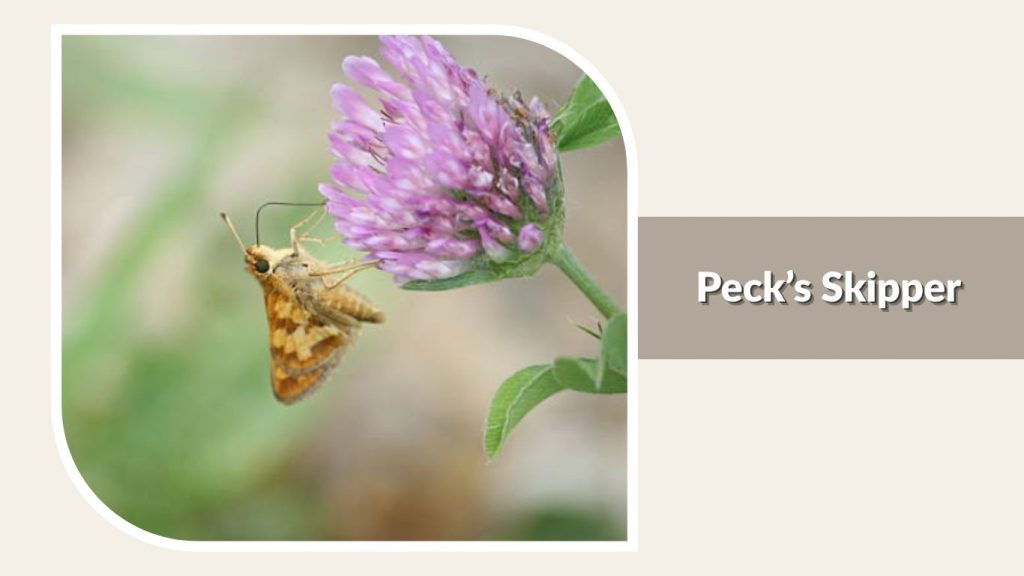
Peck’s Skipper is a small skipper butterfly recognized for its orange-brown wings and distinctive yellow patches. It is commonly found in grassy fields, gardens, meadows, and woodland edges. These butterflies are active pollinators and are known for their quick, darting flight and sun-loving behavior.
Identification
- Small wingspan of about 1 to 1.5 inches
- Orange-brown upper wings with dark markings
- Yellow or pale patches on the forewings
- Thick, fuzzy body typical of skipper butterflies
- Hooked antennae tips
- Rapid, darting flight pattern
- Wings often held at an angle while resting
Habitat and Distribution
Peck’s Skippers are commonly found in meadows, grassy fields, gardens, roadsides, and woodland edges across North America. They prefer habitats with flowering plants for nectar and grasses that serve as larval host plants.
Behavior and Diet
Adults feed mainly on nectar from flowers such as clover, milkweed, and thistles. They are active during sunny days and often bask on leaves or grasses. Males are territorial and perch in open areas to watch for females and competing butterflies.
Lifecycle
The lifecycle begins when females lay eggs on grasses or other host plants. Larvae feed on grass blades and create silk shelters for protection. After growing through several stages, they pupate inside the shelter. Adults emerge to feed, mate, and continue the reproductive cycle.
5. European Skipper
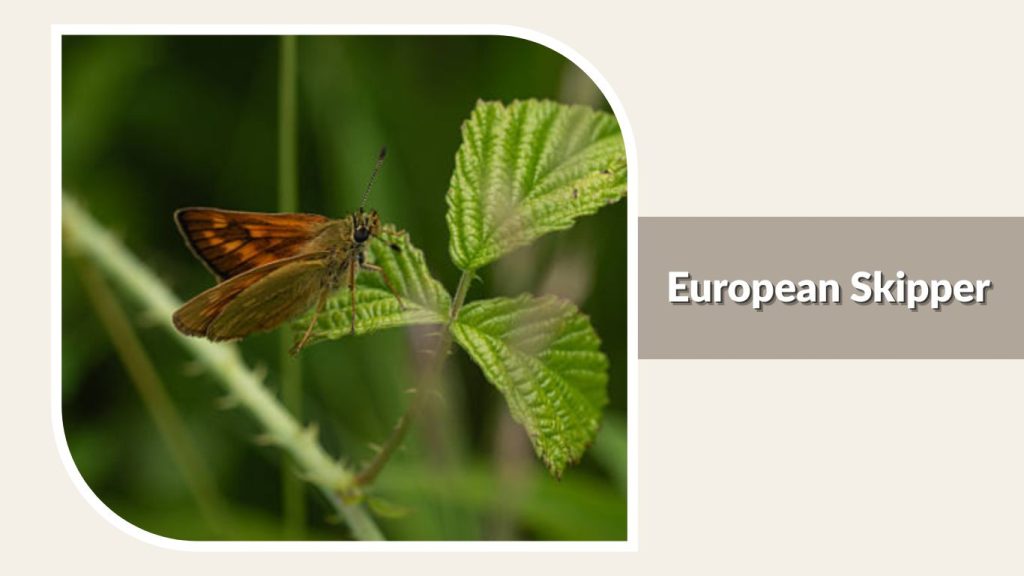
The European Skipper is a small butterfly introduced to North America from Europe. It is recognized for its bright orange wings and quick, skipping flight pattern. These butterflies are commonly found in grassy meadows, roadsides, and open fields where nectar plants and grasses are abundant.
Identification
- Small wingspan of about 1 to 1.25 inches
- Bright orange upper wings with dark brown borders
- Males often have darker forewing markings
- Thick, fuzzy body typical of skipper butterflies
- Hooked antennae tips
- Rapid, skipping flight pattern
- Wings usually held partially open while resting
Habitat and Distribution
European Skippers are commonly found in grassy meadows, roadsides, hayfields, gardens, and open habitats across North America and Europe. They prefer areas with flowering plants for nectar and grasses that serve as larval host plants.
Behavior and Diet
Adults feed mainly on nectar from flowers such as thistles, clover, and knapweed. They are highly active during warm sunny days and often gather around flowering plants in large numbers. Males are territorial and patrol grassy areas in search of females.
Lifecycle
The lifecycle begins when females lay eggs on grasses or grass stems. Larvae feed on grass blades and create silk shelters for protection. After developing through several stages, they overwinter and pupate in spring. Adults later emerge to feed, mate, and continue the reproductive cycle.
6. Clouded Skipper
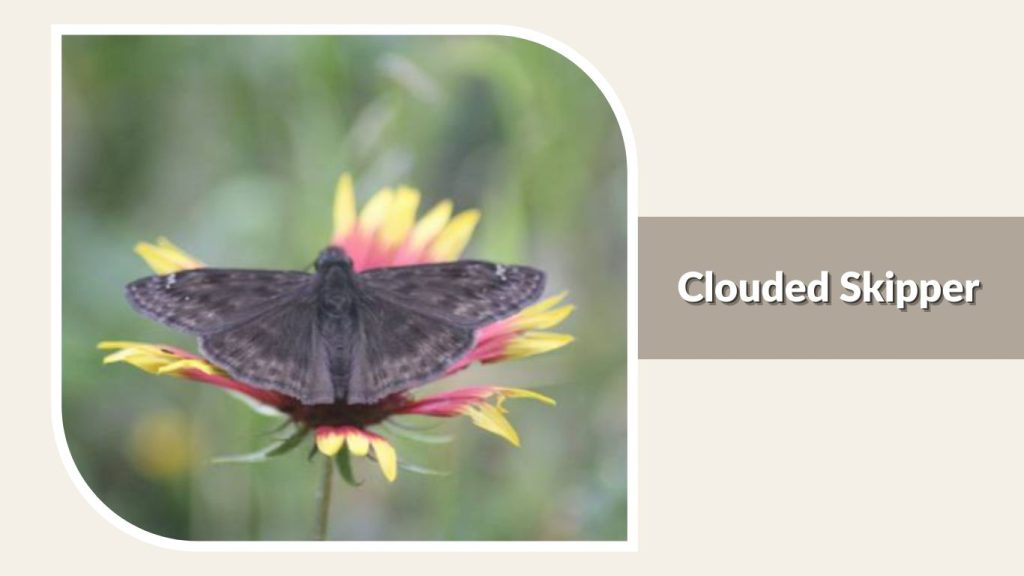
The Clouded Skipper is a small skipper butterfly known for its soft brown coloration and fast, low flight over grassy habitats. It is commonly found in fields, meadows, gardens, and woodland edges. These butterflies are active pollinators and are often seen visiting flowers during warm sunny days.
Identification
- Small wingspan of about 1 to 1.5 inches
- Light brown or tan upper wings with darker edges
- Males often have a dark scent patch on the forewings
- Thick, fuzzy body typical of skipper butterflies
- Hooked antennae tips
- Quick, darting flight close to the ground
- Wings usually held at an angle while resting
Habitat and Distribution
Clouded Skippers are commonly found in grassy meadows, open fields, gardens, roadsides, and woodland edges across North America. They prefer habitats with flowering plants for nectar and grasses that serve as larval host plants.
Behavior and Diet
Adults feed mainly on nectar from flowers such as clover, thistles, and milkweed. They are active during sunny weather and often bask on grasses or low vegetation. Males are territorial and perch in open areas to search for females.
Lifecycle
The lifecycle begins when females lay eggs on grasses and related host plants. Larvae feed on grass blades and create silk shelters for protection. After developing through several stages, they pupate within the shelter. Adults later emerge to feed, mate, and continue the reproductive cycle.
7. Least Skipper
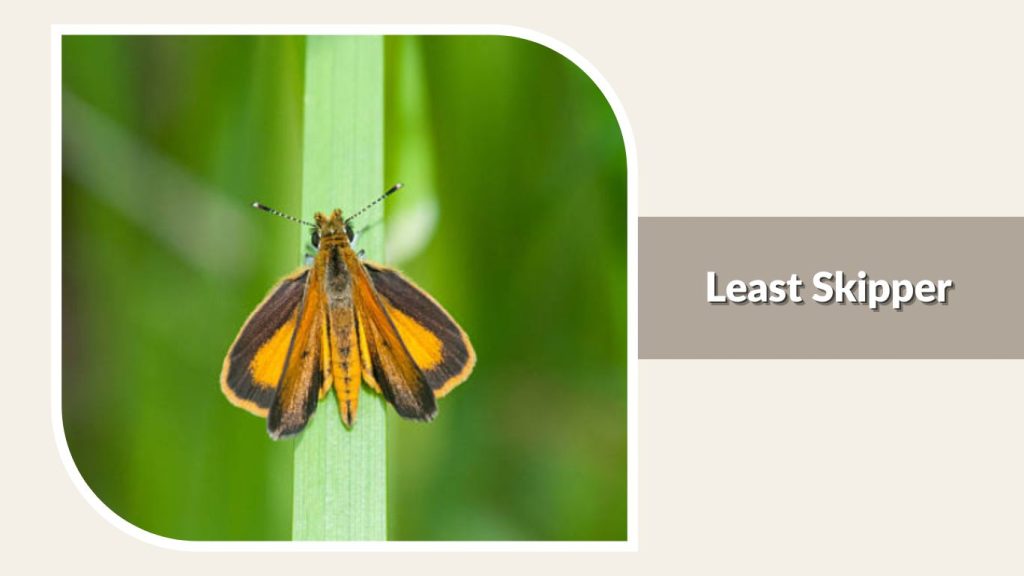
The Least Skipper is one of the smallest skipper butterflies in North America. It is recognized for its bright orange body, dark wings, and weak fluttering flight. These tiny butterflies are commonly found near wetlands, grassy fields, and marshy habitats where moisture-loving grasses are abundant.
Identification
- Very small wingspan of about 0.75 to 1 inch
- Bright orange-yellow body and wing bases
- Dark brown wing borders
- Thick, fuzzy body typical of skipper butterflies
- Hooked antennae tips
- Weak, fluttering flight pattern
- Wings often held partially open while resting
Habitat and Distribution
Least Skippers are commonly found in marshes, wet meadows, grassy fields, pondsides, and roadside ditches across North America. They prefer moist habitats with tall grasses and flowering plants for nectar feeding.
Behavior and Diet
Adults feed mainly on nectar from small flowers such as white clover and swamp milkweed. They fly low among grasses and are most active during warm sunny weather. Unlike many larger skippers, they often appear slow and delicate in flight.
Lifecycle
The lifecycle begins when females lay eggs on grasses and sedges near wet habitats. Larvae feed on grass blades and create silk shelters for protection. After growing through several stages, they pupate within the shelter. Adults later emerge to feed, mate, and continue the reproductive cycle.
8. Delaware Skipper
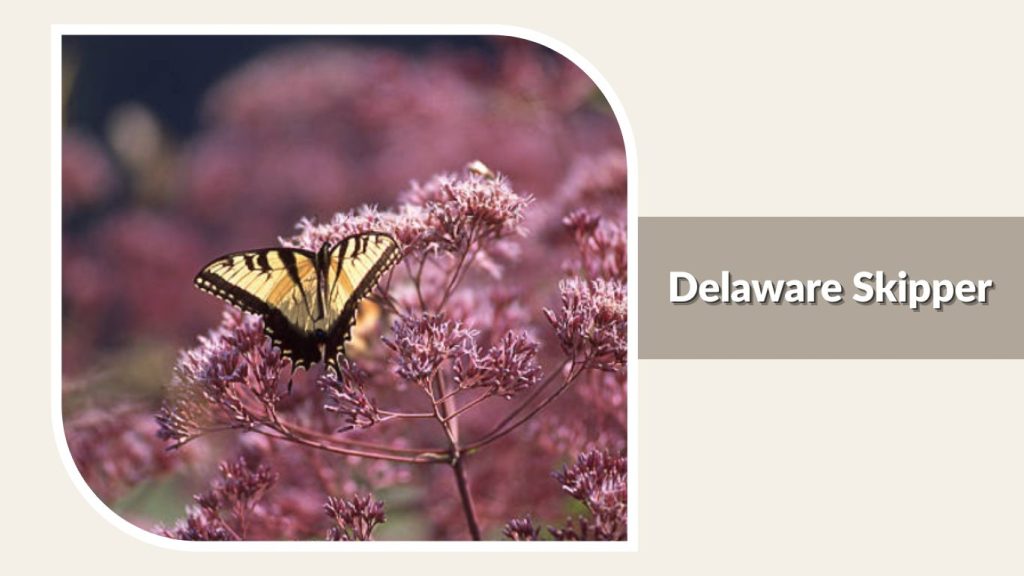
The Delaware Skipper is a small, brightly colored skipper butterfly known for its orange-yellow wings and fast flight. It is commonly found in grassy meadows, prairies, and open fields where wildflowers and tall grasses grow abundantly. These butterflies are important pollinators and are active during warm sunny days.
Identification
- Small wingspan of about 1 to 1.5 inches
- Bright orange-yellow upper wings
- Dark brown borders and wing markings
- Thick, fuzzy body typical of skipper butterflies
- Hooked antennae tips
- Rapid, darting flight pattern
- Wings often held partially open while resting
Habitat and Distribution
Delaware Skippers are commonly found in prairies, meadows, grasslands, roadsides, and open fields across North America. They prefer habitats with flowering plants for nectar and native grasses that serve as larval host plants.
Behavior and Diet
Adults feed mainly on nectar from flowers such as milkweed, thistles, and clover. They are active during sunny weather and often bask on grasses or flowers. Males are territorial and perch on vegetation while watching for females and rivals.
Lifecycle
The lifecycle begins when females lay eggs on grasses and other host plants. Larvae feed on grass blades and create silk shelters for protection. After developing through several stages, they pupate inside the shelter. Adults later emerge to feed, mate, and continue the reproductive cycle.
9. Hobomok Skipper
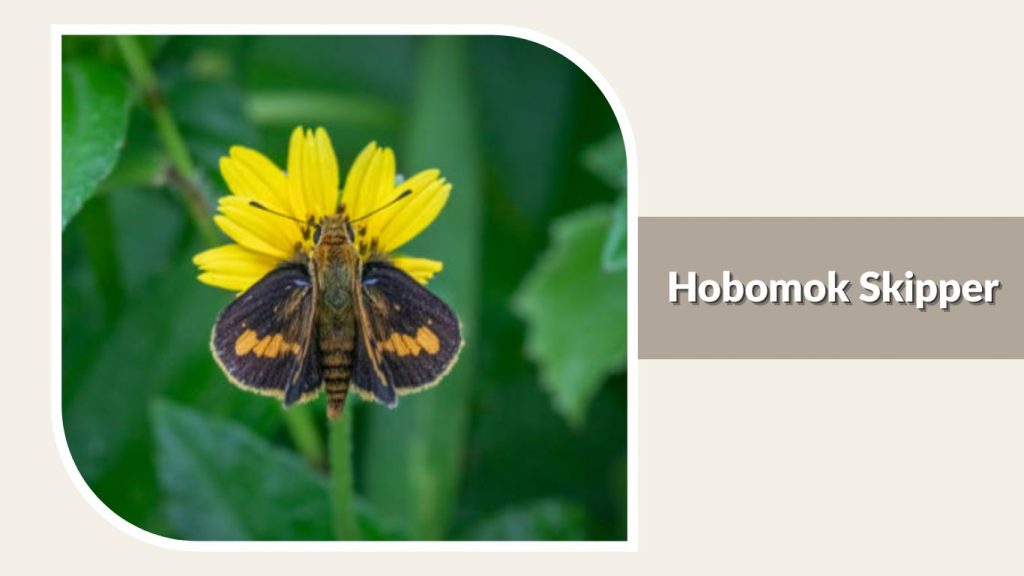
The Hobomok Skipper is a medium-sized skipper butterfly recognized for its dark brown wings with pale golden markings. It is commonly found in woodland edges, grassy fields, and forest clearings. These butterflies are fast fliers and active pollinators, especially during spring and early summer.
Identification
- Medium-sized wingspan of about 1.25 to 1.75 inches
- Dark brown upper wings with pale yellow or golden patches
- Males often have a black scent streak on the forewings
- Thick, fuzzy body typical of skipper butterflies
- Hooked antennae tips
- Rapid, darting flight pattern
- Wings held at an angle while resting
Habitat and Distribution
Hobomok Skippers are commonly found in woodland edges, grassy clearings, meadows, roadsides, and open forests across North America. They prefer areas with flowering plants for nectar and grasses that serve as larval host plants.
Behavior and Diet
Adults feed mainly on nectar from flowers such as clover, vetch, and wild iris. They are most active during sunny weather and often perch on grasses or leaves between flights. Males are territorial and patrol open areas while searching for females.
Lifecycle
The lifecycle begins when females lay eggs on grasses and sedges. Larvae feed on the leaves and create silk shelters for protection. After growing through several stages, they pupate inside the shelter. Adults later emerge to feed, mate, and continue the reproductive cycle.
10. Dun Skipper
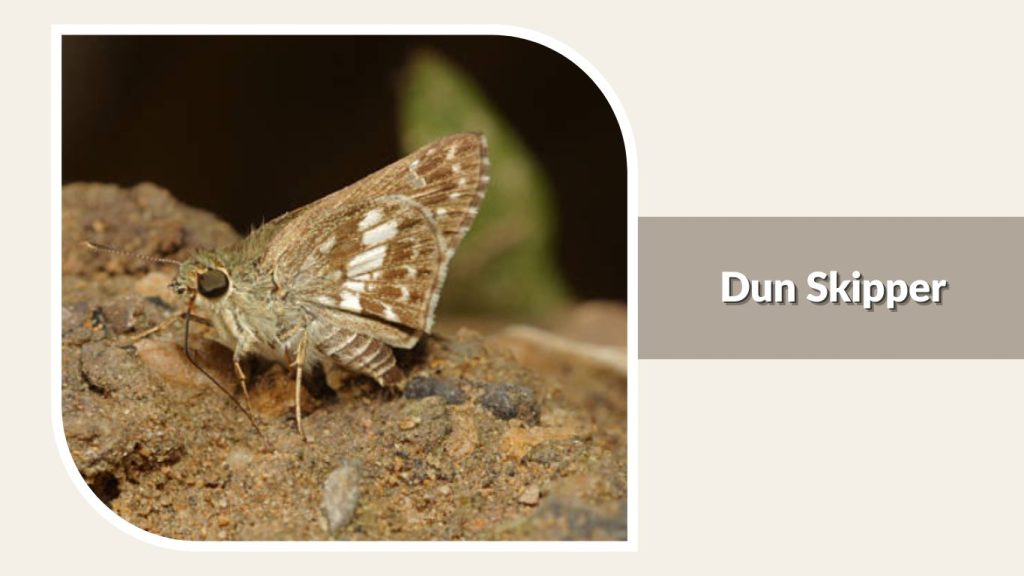
The Dun Skipper is a small, dark-colored skipper butterfly known for its plain brown appearance and rapid flight. It is commonly found in grassy habitats, wetlands, and woodland edges. Unlike many brightly colored skippers, this species has a more subtle appearance that helps it blend into surrounding vegetation.
Identification
- Small wingspan of about 1 to 1.5 inches
- Uniform dark brown upper wings
- Minimal wing markings compared to other skippers
- Thick, fuzzy body typical of skipper butterflies
- Hooked antennae tips
- Rapid, low flight pattern
- Wings often held partially open while resting
Habitat and Distribution
Dun Skippers are commonly found in wet meadows, marshes, grassy fields, woodland edges, and roadside habitats across North America. They prefer areas with tall grasses and flowering plants for nectar feeding.
Behavior and Diet
Adults feed mainly on nectar from flowers such as milkweed, thistles, and clover. They are active during warm sunny days and often perch low on grasses or vegetation. Their dark coloration provides camouflage among shaded grasses and wetland plants.
Lifecycle
The lifecycle begins when females lay eggs on grasses and sedges. Larvae feed on grass blades and build silk shelters for protection. After developing through several stages, they pupate within the shelter. Adults later emerge to feed, mate, and continue the reproductive cycle.
11. Tawny-Edged Skipper
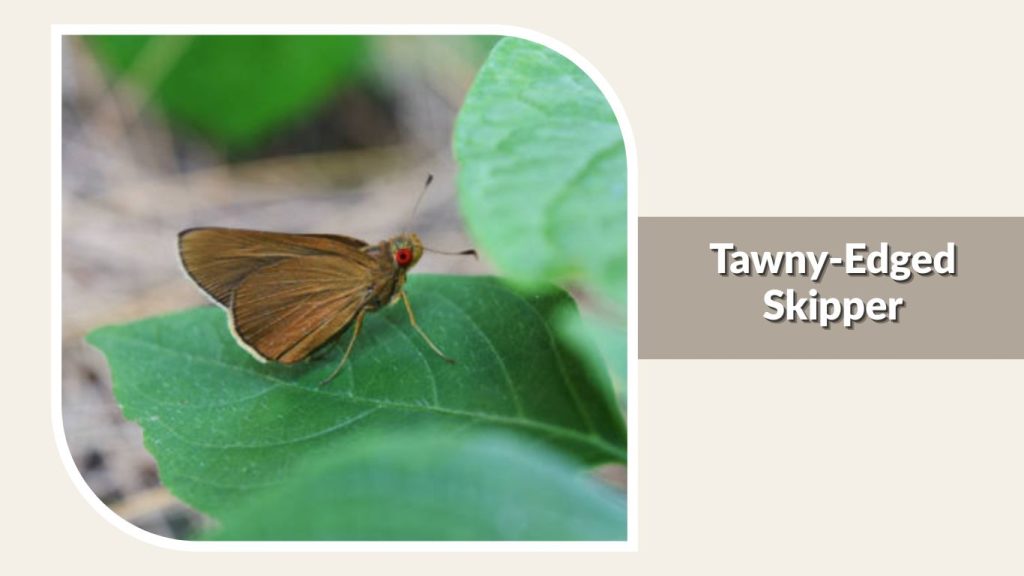
The Tawny-Edged Skipper is a small butterfly recognized for the orange-brown patch along the edges of its dark wings. It is commonly found in grassy fields, woodland edges, gardens, and meadows. These butterflies are active pollinators and are often seen flying low among grasses during warm weather.
Identification
- Small wingspan of about 1 to 1.5 inches
- Dark brown upper wings with orange-brown edging
- Males often have a dark forewing scent patch
- Thick, fuzzy body typical of skipper butterflies
- Hooked antennae tips
- Rapid, darting flight pattern
- Wings usually held at an angle while resting
Habitat and Distribution
Tawny-Edged Skippers are commonly found in meadows, grassy roadsides, woodland clearings, gardens, and open habitats across North America. They prefer areas with flowering plants for nectar and grasses that serve as larval host plants.
Behavior and Diet
Adults feed mainly on nectar from flowers such as clover, milkweed, and thistles. They are active during sunny weather and frequently bask on grasses or flowers. Males are territorial and perch on vegetation while watching for females.
Lifecycle
The lifecycle begins when females lay eggs on grasses and sedges. Larvae feed on the blades and create silk shelters for protection. After developing through several stages, they pupate inside the shelter. Adults later emerge to feed, mate, and continue the reproductive cycle.
12. Long Dash Skipper
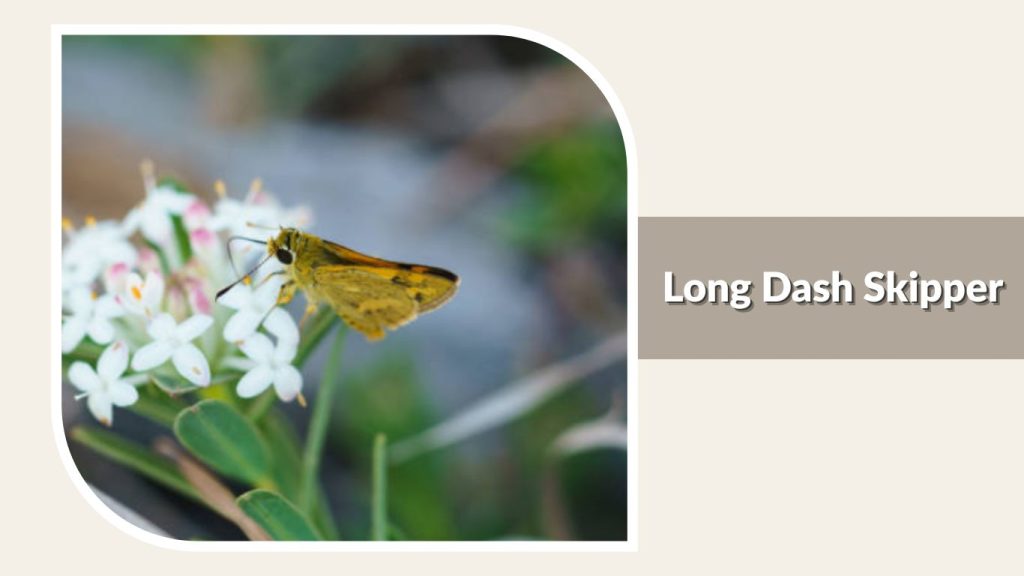
The Long Dash Skipper is a small, fast-flying butterfly known for the elongated pale markings on its wings. It is commonly found in moist woodlands, grassy clearings, and wet meadows. These butterflies are active pollinators and are often seen darting quickly through low vegetation during warm weather.
Identification
- Small wingspan of about 1 to 1.5 inches
- Dark brown upper wings with long pale or yellowish streaks
- Thick, fuzzy body typical of skipper butterflies
- Hooked antennae tips
- Rapid, darting flight pattern
- Wings usually held partially open while resting
- Subtle checkered markings on the underside
Habitat and Distribution
Long Dash Skippers are commonly found in moist meadows, woodland edges, marshy fields, and grassy clearings across North America. They prefer habitats with flowering plants for nectar and grasses that serve as larval host plants.
Behavior and Diet
Adults feed mainly on nectar from flowers such as milkweed, clover, and swamp plants. They are active during sunny weather and often rest on grasses or low shrubs between flights. Their quick and erratic flight helps them avoid predators.
Lifecycle
The lifecycle begins when females lay eggs on grasses and sedges. Larvae feed on grass blades and create silk shelters for protection. After developing through several growth stages, they pupate inside the shelter. Adults later emerge to feed, mate, and continue the reproductive cycle.
13. Crossline Skipper
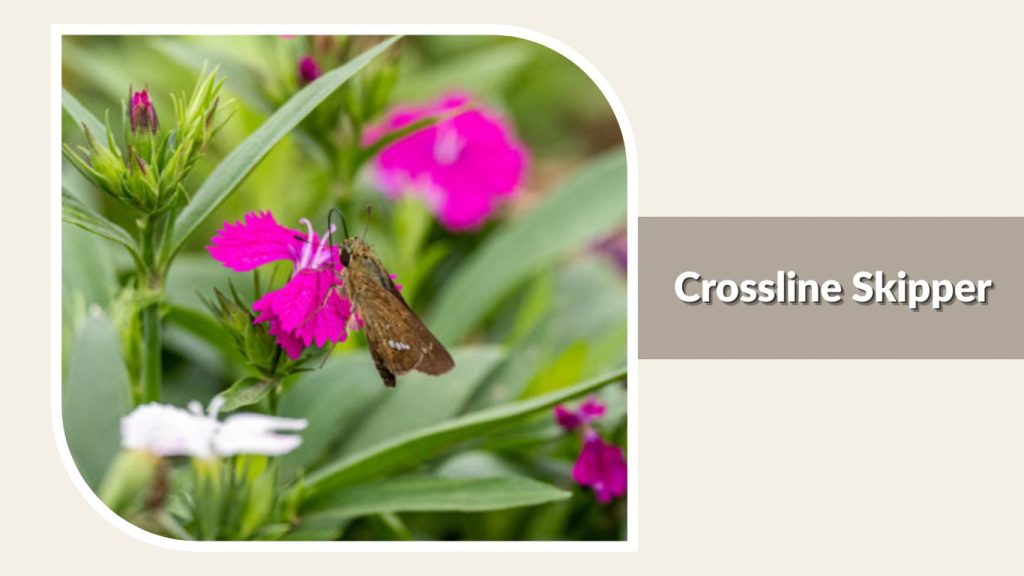
The Crossline Skipper is a small skipper butterfly recognized for the pale cross-like markings on its dark brown wings. It is commonly found in grassy fields, roadsides, gardens, and woodland edges. These butterflies are active pollinators and are known for their quick, darting flight close to the ground.
Identification
- Small wingspan of about 1 to 1.5 inches
- Dark brown upper wings with pale crosswise markings
- Thick, fuzzy body typical of skipper butterflies
- Hooked antennae tips
- Rapid, darting flight pattern
- Wings often held at an angle while resting
- Subtle lighter markings on the underside
Habitat and Distribution
Crossline Skippers are commonly found in open grassy habitats, meadows, woodland edges, roadsides, and gardens across North America. They prefer areas with flowering plants for nectar and grasses used by larvae as host plants.
Behavior and Diet
Adults feed mainly on nectar from flowers such as clover, milkweed, and thistles. They are most active during warm sunny weather and often perch on grasses or low vegetation between flights. Males are territorial and guard sunny patches while searching for females.
Lifecycle
The lifecycle begins when females lay eggs on grasses and sedges. Larvae feed on grass blades and construct silk shelters for protection. After growing through several developmental stages, they pupate inside the shelter. Adults later emerge to feed, mate, and continue the reproductive cycle.
14. Southern Skipperling
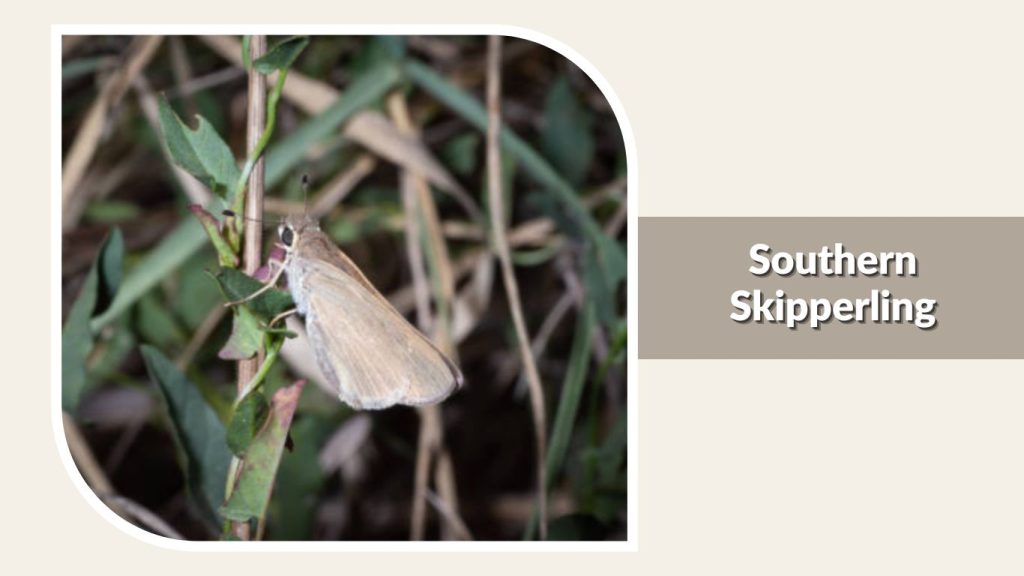
The Southern Skipperling is a tiny skipper butterfly known for its orange-yellow wings and weak fluttering flight. It is commonly found in grassy wetlands, marshes, and moist meadows. These butterflies are active pollinators and are often seen flying low among grasses and sedges during warm weather.
Identification
- Very small wingspan of about 0.75 to 1 inch
- Orange-yellow upper wings with darker borders
- Thick, fuzzy body typical of skipper butterflies
- Hooked antennae tips
- Weak, fluttering flight pattern
- Wings often held partially open while resting
- Dark underside markings may be visible
Habitat and Distribution
Southern Skipperlings are commonly found in marshes, wet meadows, grassy pondsides, roadside ditches, and moist fields across the southern parts of North America. They prefer habitats with sedges, grasses, and flowering plants for nectar feeding.
Behavior and Diet
Adults feed mainly on nectar from small flowers and are active during warm sunny days. They fly low through grasses and often rest on sedges or wetland vegetation. Their small size and subtle coloration help them remain hidden from predators.
Lifecycle
The lifecycle begins when females lay eggs on grasses or sedges near moist habitats. Larvae feed on the leaves and build silk shelters for protection. After developing through several stages, they pupate inside the shelter. Adults later emerge to feed, mate, and continue the reproductive cycle.
15. Northern Broken-Dash
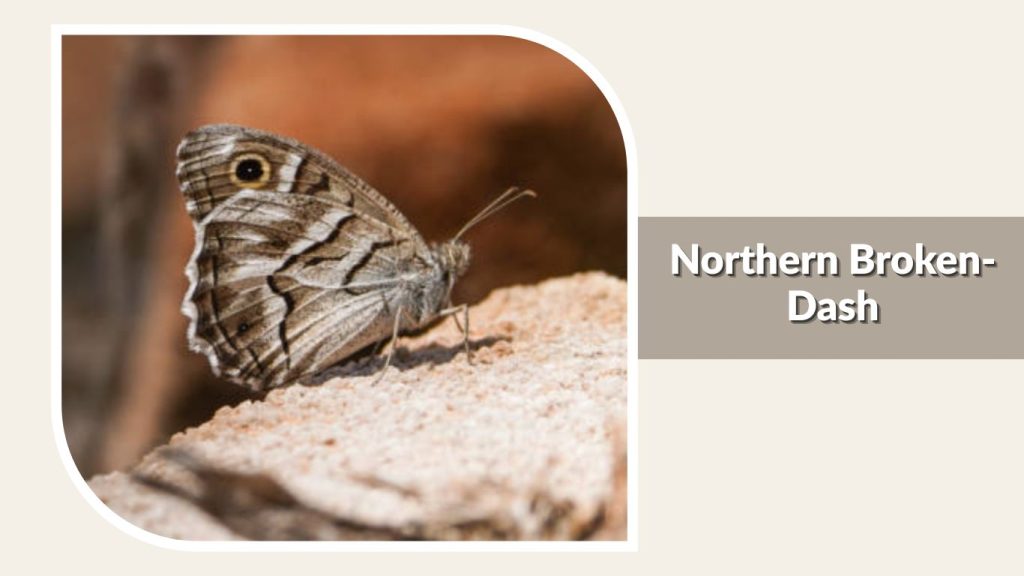
The Northern Broken-Dash is a medium-sized skipper butterfly recognized for the broken pale streaks across its dark wings. It is commonly found in wetlands, grassy fields, woodland edges, and marshy habitats. These butterflies are fast fliers and active pollinators during warm summer months.
Identification
- Medium-sized wingspan of about 1.25 to 1.75 inches
- Dark brown upper wings with broken pale yellow or cream streaks
- Thick, fuzzy body typical of skipper butterflies
- Hooked antennae tips
- Rapid, darting flight pattern
- Wings usually held partially open while resting
- Pale markings visible on the underside of wings
Habitat and Distribution
Northern Broken-Dash butterflies are commonly found in marshes, wet meadows, grassy woodland edges, and roadside habitats across North America. They prefer areas with flowering plants for nectar and grasses or sedges for larval host plants.
Behavior and Diet
Adults feed mainly on nectar from flowers such as milkweed, clover, and swamp plants. They are most active during sunny weather and often perch on grasses or flowers between flights. Males are territorial and defend sunny patches while searching for females.
Lifecycle
The lifecycle begins when females lay eggs on grasses or sedges. Larvae feed on the leaves and create silk shelters for protection. After developing through several stages, they pupate within the shelter. Adults later emerge to feed, mate, and continue the reproductive cycle.
16. Little Glassywing

The Little Glassywing is a small skipper butterfly recognized for the translucent or “glassy” appearance of spots on its wings. It is commonly found in grassy fields, woodland edges, and wet meadows. These butterflies are active pollinators and are known for their rapid, darting flight close to the ground.
Identification
- Small wingspan of about 1 to 1.5 inches
- Dark brown upper wings with transparent pale spots
- Thick, fuzzy body typical of skipper butterflies
- Hooked antennae tips
- Rapid, low flight pattern
- Wings often held partially open while resting
- Pale underside markings visible in sunlight
Habitat and Distribution
Little Glassywings are commonly found in grassy meadows, marshy fields, woodland edges, roadsides, and open habitats across North America. They prefer areas with flowering plants for nectar and grasses that serve as larval host plants.
Behavior and Diet
Adults feed mainly on nectar from flowers such as clover, milkweed, and thistles. They are active during warm sunny weather and often perch on grasses or flowers between flights. Their quick movements and dark coloration help them avoid predators.
Lifecycle
The lifecycle begins when females lay eggs on grasses and sedges. Larvae feed on grass blades and create silk shelters for protection. After developing through several growth stages, they pupate inside the shelter. Adults later emerge to feed, mate, and continue the reproductive cycle.
17. Common Checkered Skipper
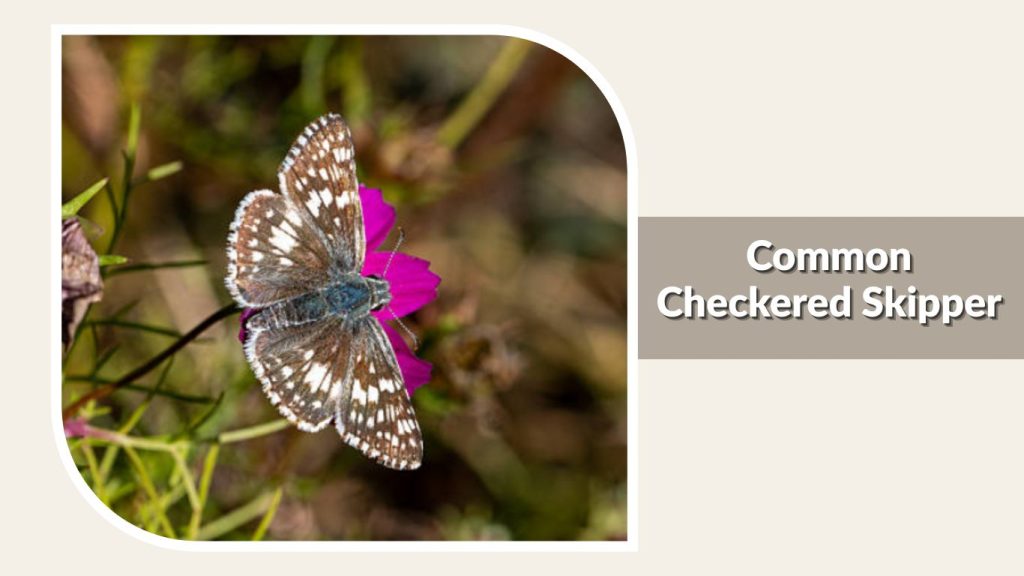
The Common Checkered Skipper is a small butterfly known for its distinctive black-and-white checkered wing pattern. It is commonly found in open grassy habitats, gardens, roadsides, and fields. These butterflies are active pollinators and are often seen basking in sunny areas during warm weather.
Identification
- Small wingspan of about 1 to 1.5 inches
- Black or dark brown wings with bold white checkered markings
- Thick, fuzzy body typical of skipper butterflies
- Hooked antennae tips
- Rapid, darting flight pattern
- Wings often spread flat while resting
- Underside lighter with pale checkered spots
Habitat and Distribution
Common Checkered Skippers are commonly found in gardens, open fields, roadsides, meadows, and disturbed habitats across North America. They prefer sunny areas with flowering plants for nectar and mallow-family plants used as larval host plants.
Behavior and Diet
Adults feed mainly on nectar from flowers such as zinnias, clover, and lantana. They are active during sunny weather and often bask with wings open on bare ground or low vegetation. Males are territorial and patrol open spaces in search of females.
Lifecycle
The lifecycle begins when females lay eggs on mallows and related host plants. Larvae feed on the leaves and create silk shelters for protection. After growing through several stages, they pupate inside the shelter. Adults later emerge to feed, mate, and continue the reproductive cycle.
18. Tropical Checkered Skipper
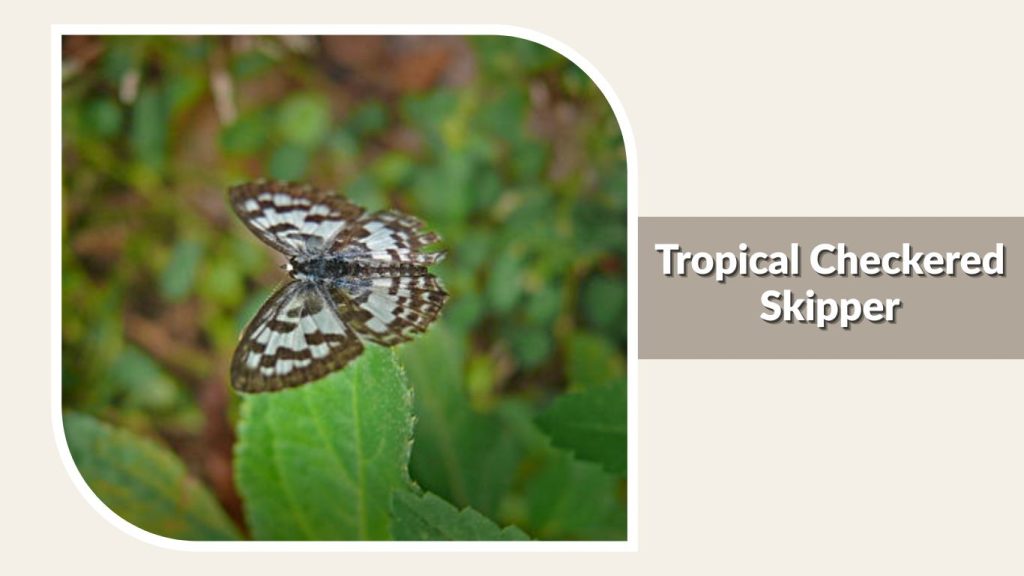
The Tropical Checkered Skipper is a small butterfly recognized for its bold black-and-white checkered wing pattern and fast flight. It is commonly found in warm regions, including gardens, roadsides, grasslands, and open habitats. These butterflies are active pollinators and are especially common in tropical and subtropical climates.
Identification
- Small wingspan of about 1 to 1.5 inches
- Black or dark brown wings with bright white checkered markings
- Thick, fuzzy body typical of skipper butterflies
- Hooked antennae tips
- Rapid, darting flight pattern
- Wings often spread flat while resting
- Pale checkered underside markings
Habitat and Distribution
Tropical Checkered Skippers are commonly found in gardens, open grasslands, roadsides, and disturbed habitats across tropical and subtropical regions of North and South America. They prefer sunny areas with flowering plants for nectar and mallows or related plants for larval feeding.
Behavior and Diet
Adults feed mainly on nectar from flowers such as lantana, zinnia, and clover. They are active during warm sunny weather and frequently bask on low vegetation or bare ground. Males are territorial and patrol open areas searching for females.
Lifecycle
The lifecycle begins when females lay eggs on mallow-family host plants. Larvae feed on leaves and build silk shelters for protection. After developing through several growth stages, they pupate inside the shelter. Adults later emerge to feed, mate, and continue the reproductive cycle.
19. Eufala Skipper
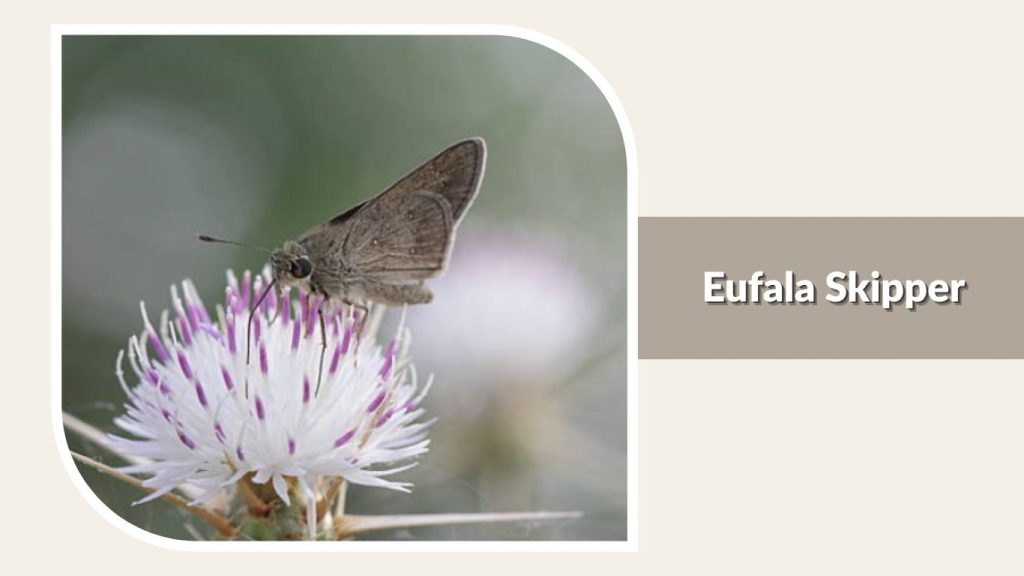
The Eufala Skipper is a small, fast-moving butterfly known for its plain brown wings and subtle pale markings. It is commonly found in grassy fields, roadsides, gardens, and open habitats. These butterflies are active pollinators and are often seen flying low over vegetation during warm weather.
Identification
- Small wingspan of about 1 to 1.5 inches
- Light brown or tan upper wings
- Subtle pale or cream-colored wing spots
- Thick, fuzzy body typical of skipper butterflies
- Hooked antennae tips
- Rapid, darting flight pattern
- Wings usually held at an angle while resting
Habitat and Distribution
Eufala Skippers are commonly found in open grassy fields, gardens, roadsides, meadows, and disturbed habitats across North and South America. They prefer warm areas with flowering plants for nectar and grasses that serve as larval host plants.
Behavior and Diet
Adults feed mainly on nectar from flowers such as clover, lantana, and milkweed. They are active during sunny weather and often perch low on grasses or flowers between flights. Their quick movements help them avoid predators in open habitats.
Lifecycle
The lifecycle begins when females lay eggs on grasses and related host plants. Larvae feed on the blades and create silk shelters for protection. After developing through several stages, they pupate inside the shelter. Adults later emerge to feed, mate, and continue the reproductive cycle.
20. Ocola Skipper
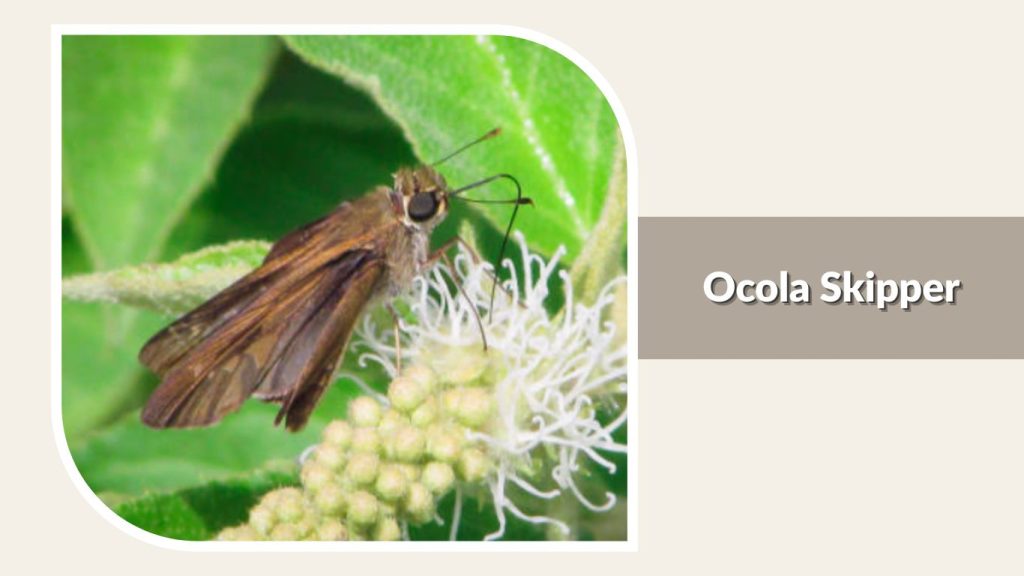
The Ocola Skipper is a medium-sized skipper butterfly recognized for its sleek dark wings and rapid flight. It is commonly found in grassy habitats, gardens, roadsides, and open fields. These butterflies are strong fliers and active pollinators, especially during warm summer and fall months.
Identification
- Medium-sized wingspan of about 1.5 to 2 inches
- Dark brown upper wings with small pale spots
- Long, streamlined body typical of skipper butterflies
- Hooked antennae tips
- Fast, powerful flight pattern
- Wings often held at an angle while resting
- Underside lighter brown with faint markings
Habitat and Distribution
Ocola Skippers are commonly found in grasslands, gardens, roadsides, wetlands, and open habitats across North America, especially in southern regions. They prefer areas with flowering plants for nectar and grasses used by larvae as host plants.
Behavior and Diet
Adults feed mainly on nectar from flowers such as lantana, milkweed, and clover. They are highly active during sunny weather and often fly quickly through open grassy areas. Males are territorial and perch on tall grasses or shrubs while searching for females.
Lifecycle
The lifecycle begins when females lay eggs on grasses and sedges. Larvae feed on the leaves and build silk shelters for protection. After developing through several growth stages, they pupate within the shelter. Adults later emerge to feed, mate, and continue the reproductive cycle.
21. Zabulon Skipper
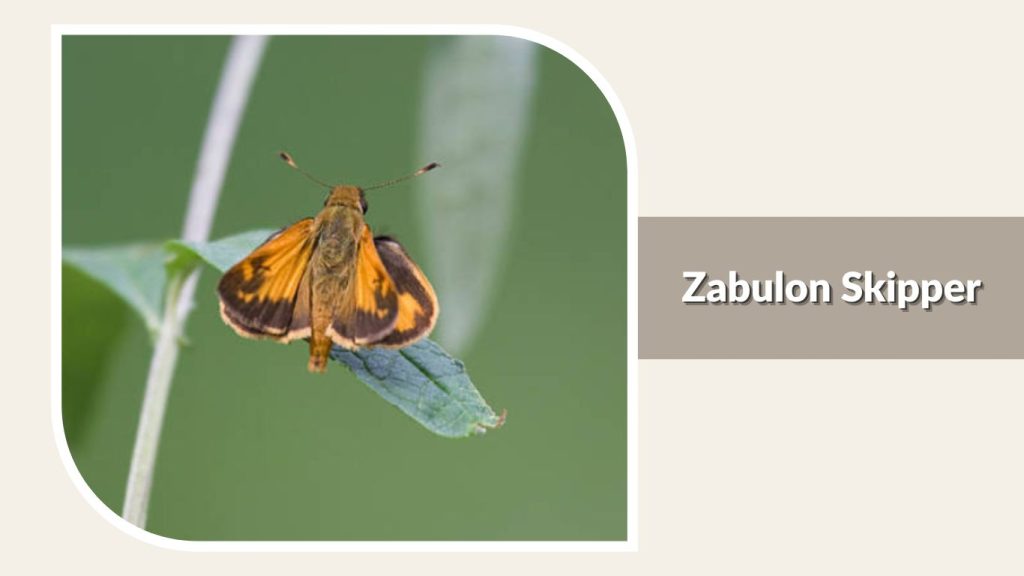
The Zabulon Skipper is a small skipper butterfly known for its strong sexual color differences between males and females. It is commonly found in woodland edges, meadows, gardens, and grassy clearings. These butterflies are active pollinators and are often seen flying quickly among flowers during sunny weather.
Identification
- Small wingspan of about 1.25 to 1.5 inches
- Males are orange with dark brown borders
- Females are darker brown with pale spots
- Thick, fuzzy body typical of skipper butterflies
- Hooked antennae tips
- Rapid, darting flight pattern
- Wings usually held partially open while resting
Habitat and Distribution
Zabulon Skippers are commonly found in woodland edges, grassy roadsides, open forests, gardens, and meadows across eastern North America. They prefer habitats with flowering plants for nectar and grasses that serve as larval host plants.
Behavior and Diet
Adults feed mainly on nectar from flowers such as clover, milkweed, and thistles. They are active during warm sunny weather and often perch on grasses or low vegetation between flights. Males are territorial and guard sunny open spaces while searching for females.
Lifecycle
The lifecycle begins when females lay eggs on grasses and sedges. Larvae feed on the blades and build silk shelters for protection. After developing through several stages, they pupate within the shelter. Adults later emerge to feed, mate, and continue the reproductive cycle.
22. Whirlabout Skipper
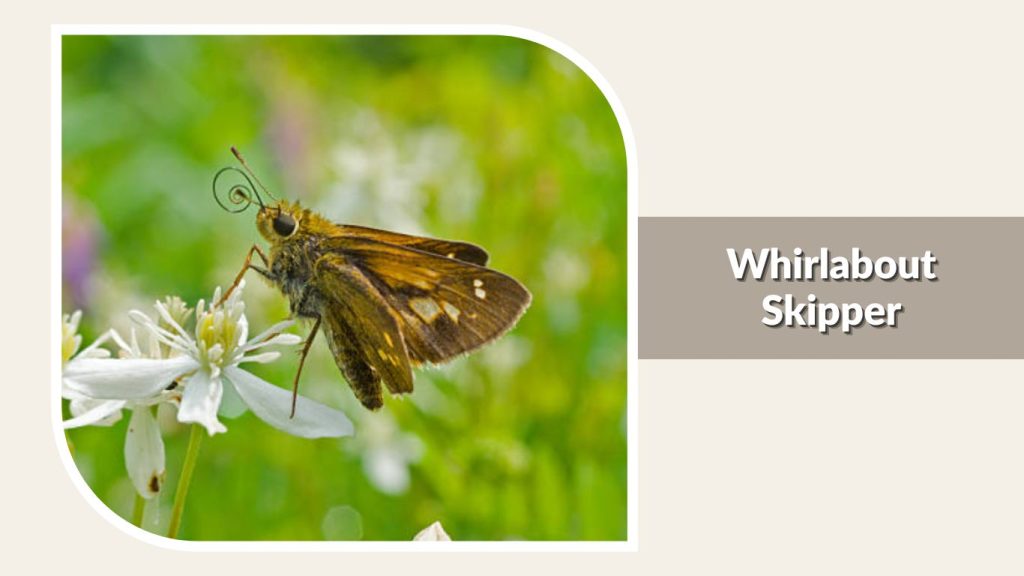
The Whirlabout Skipper is a small butterfly recognized for its bright orange markings and energetic, swirling flight pattern. It is commonly found in grassy fields, gardens, roadsides, and open habitats. These butterflies are active pollinators and are especially common in warm southern regions.
Identification
- Small wingspan of about 1.25 to 1.5 inches
- Dark brown wings with bright orange patches
- Thick, fuzzy body typical of skipper butterflies
- Hooked antennae tips
- Fast, swirling flight pattern
- Wings often held at an angle while resting
- Underside lighter brown with pale markings
Habitat and Distribution
Whirlabout Skippers are commonly found in grassy meadows, gardens, open fields, roadsides, and disturbed habitats across the southern United States and parts of Central America. They prefer sunny areas with flowering plants for nectar and grasses for larval host plants.
Behavior and Diet
Adults feed mainly on nectar from flowers such as lantana, clover, and milkweed. They are highly active during warm sunny weather and fly rapidly close to the ground. Males are territorial and often perch on grasses or shrubs to watch for females.
Lifecycle
The lifecycle begins when females lay eggs on grasses and related host plants. Larvae feed on grass blades and create silk shelters for protection. After developing through several stages, they pupate inside the shelter. Adults later emerge to feed, mate, and continue the reproductive cycle.
23. Leonard’s Skipper
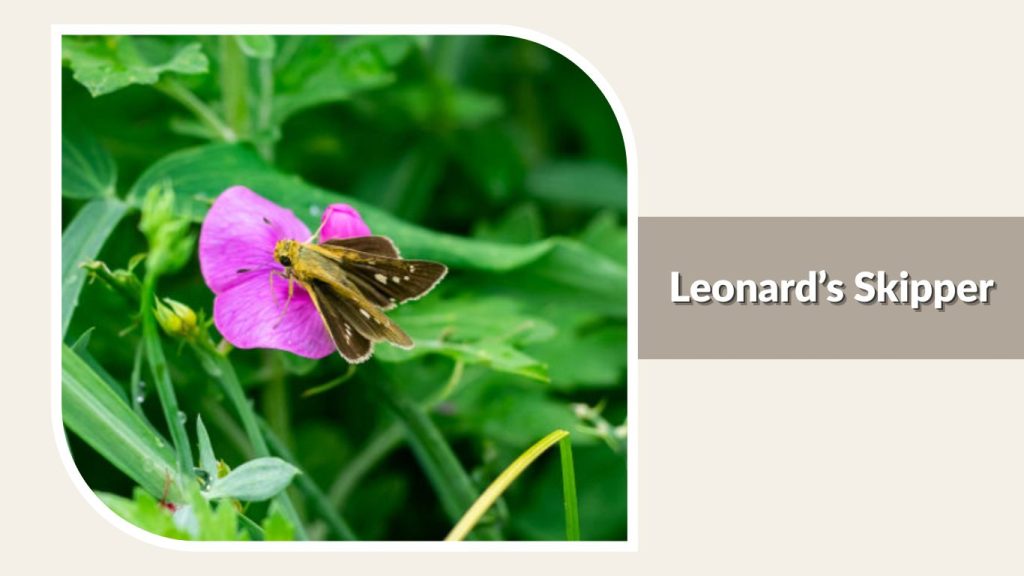
Leonard’s Skipper is a medium-sized skipper butterfly known for its bright orange wings with dark borders and fast flight. It is commonly found in prairies, grasslands, meadows, and open fields during late summer and early fall. These butterflies are important pollinators and are often seen visiting wildflowers.
Identification
- Medium-sized wingspan of about 1.5 to 2 inches
- Bright orange upper wings with dark brown borders
- Thick, fuzzy body typical of skipper butterflies
- Hooked antennae tips
- Rapid, darting flight pattern
- Wings usually held partially open while resting
- Underside orange-brown with pale markings
Habitat and Distribution
Leonard’s Skippers are commonly found in tallgrass prairies, meadows, grassy roadsides, and open fields across North America. They prefer habitats with abundant wildflowers for nectar and native grasses used by larvae as host plants.
Behavior and Diet
Adults feed mainly on nectar from flowers such as blazing star, goldenrod, and clover. They are active during sunny weather and often perch on grasses or flowers between flights. Their fast movements help them avoid predators in open habitats.
Lifecycle
The lifecycle begins when females lay eggs on native grasses and sedges. Larvae feed on the blades and create silk shelters for protection. After developing through several growth stages, they overwinter and pupate within the shelter. Adults later emerge to feed, mate, and continue the reproductive cycle.
FAQs
What are skipper butterflies?
Skipper butterflies are small to medium-sized butterflies in the family Hesperiidae. They are known for their thick fuzzy bodies, hooked antennae, and rapid darting flight patterns that resemble skipping movements.
Are skipper butterflies harmful to humans?
No, skipper butterflies are completely harmless. They do not sting or bite and are safe to observe in gardens, meadows, forests, and grassy habitats.
What do skipper butterflies eat?
Adult skipper butterflies mainly feed on flower nectar from plants such as clover, milkweed, lantana, and thistles. Larvae feed on grasses, sedges, or other host plant leaves depending on the species.
Where are skipper butterflies commonly found?
Skipper butterflies are commonly found in grasslands, meadows, gardens, woodland edges, marshes, and roadsides. They occur across North America and many other regions of the world.
How do skipper butterflies reproduce?
Females lay eggs on host plants such as grasses or sedges. Larvae feed on the leaves and build silk shelters for protection. After pupation, adults emerge to feed, mate, and continue the reproductive cycle.