
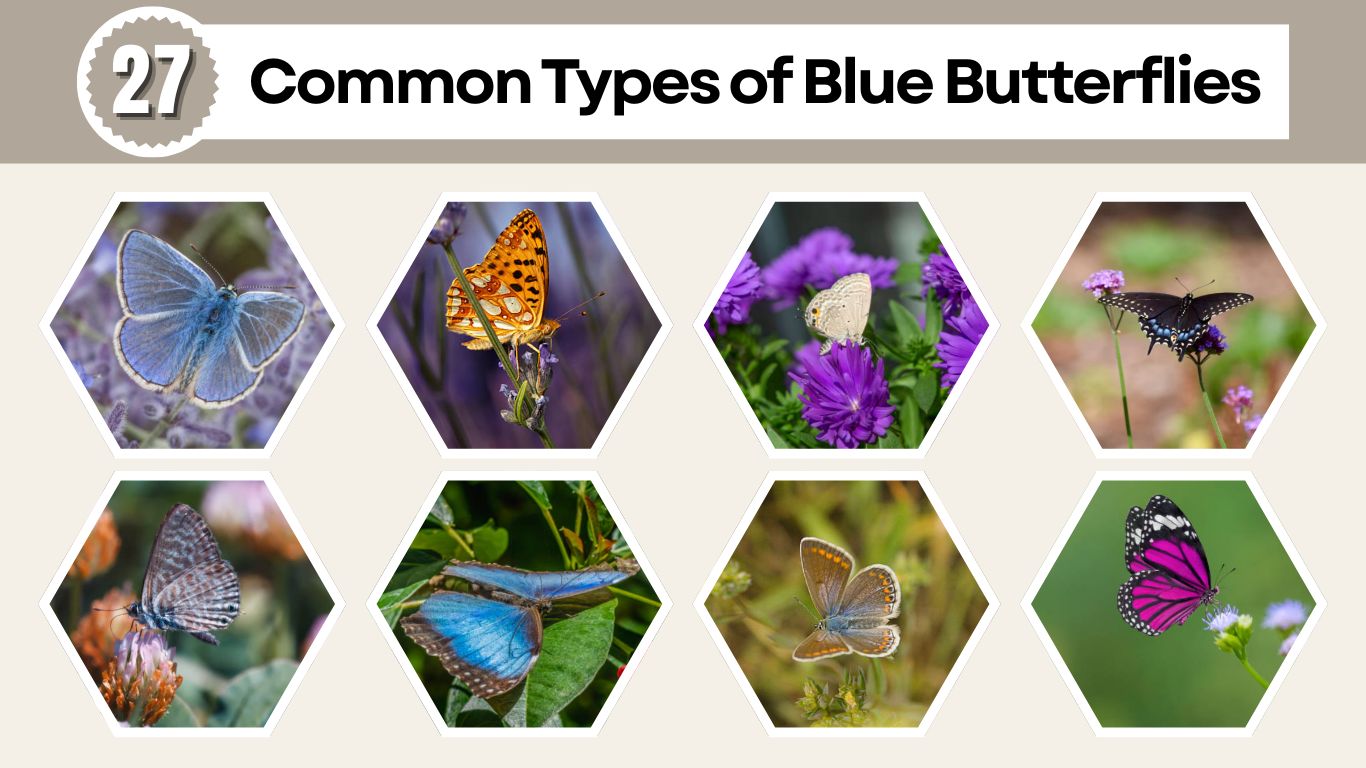
Blue butterflies are among the most beautiful and delicate insects found in nature. Known for their bright blue wings, graceful flight, and small size, these butterflies belong mainly to the Lycaenidae family. They are commonly seen in grasslands, gardens, forests, and coastal habitats around the world.
Many blue butterfly species play an important role in pollination and maintaining healthy ecosystems. From the tiny Pygmy Blue to the rare Mission Blue, these butterflies are admired for their colorful patterns, unique behaviors, and ecological importance.
1. Common Blue Butterfly
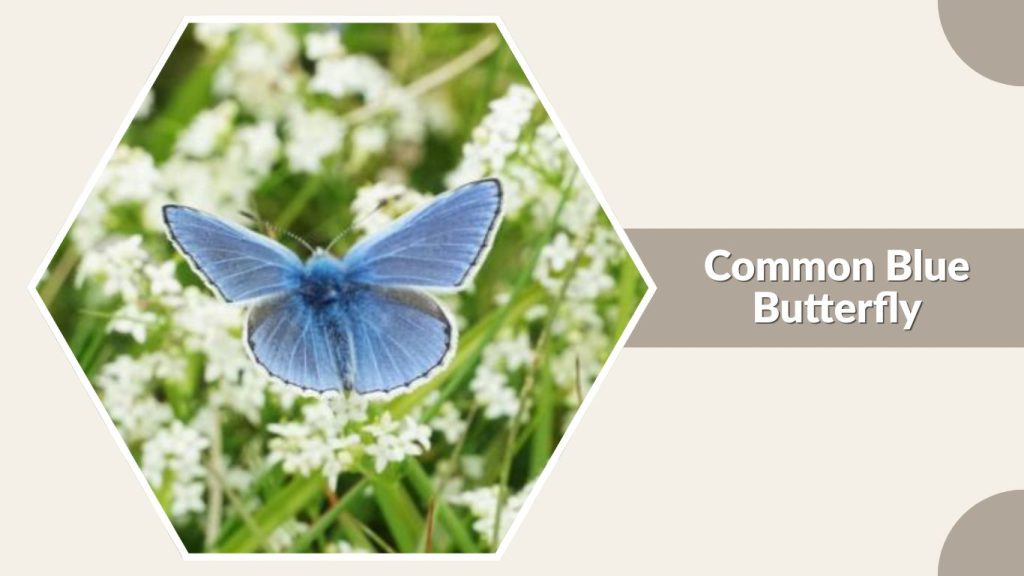
The Common Blue butterfly is one of the most recognizable blue butterflies found across grasslands and meadows. Known for its bright blue wings and delicate appearance, this species belongs to the Lycaenidae family. It is widely admired by nature enthusiasts and plays an important role in pollination.
Identification and Appearance
Male Common Blue butterflies have vivid blue upper wings bordered with thin black edges and white fringes. Females are usually brown with hints of blue near the wing base and orange spots along the edges. The underside of both sexes is pale gray or brown with small black spots and orange markings.
Characteristics
- Bright blue wings in males
- Brownish wings with blue tones in females
- Small and delicate butterfly species
- Orange spots along wing edges
- Active during sunny weather
- Common in grasslands and meadows
- Feeds mainly on flower nectar
Habitat and Distribution
The Common Blue butterfly is widely distributed across Europe, Asia, and parts of North Africa. It prefers open habitats such as grasslands, roadside fields, coastal dunes, and meadows where wildflowers grow abundantly. The species thrives in warm and sunny environments.
Life Cycle and Behavior
Female butterflies lay eggs on host plants like clover and vetch. Caterpillars feed on these plants before forming pupae. Adult butterflies are active flyers and are often seen basking in sunlight or feeding on nectar from small flowers during warm seasons.
2. Holly Blue Butterfly
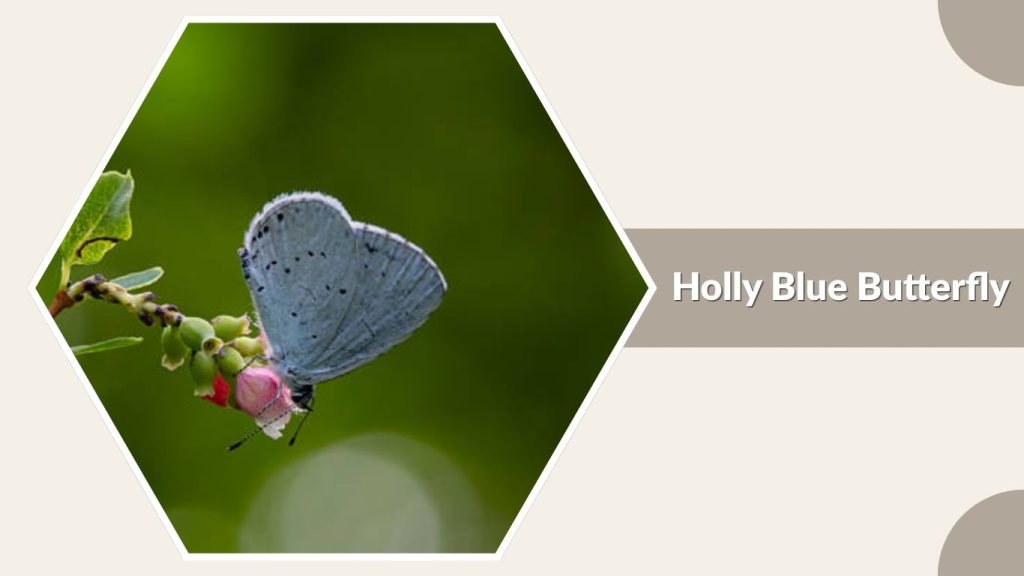
The Holly Blue butterfly is a small and attractive species known for its pale blue wings and gentle flight. It belongs to the Lycaenidae family and is commonly seen in gardens, parks, and woodland edges. This butterfly is valued for its beauty and role in pollination.
Identification and Appearance
Male Holly Blue butterflies have bright pale blue upper wings with narrow black borders, while females display broader dark edges. The underside of the wings is light silver-blue with scattered black spots. Their small size and soft coloration make them easy to distinguish from other blue butterflies.
Characteristics
- Pale blue wings with dark borders
- Small and lightweight butterfly
- Silver-blue underside with black spots
- Slow and fluttering flight pattern
- Frequently visits flowering plants
- Common in gardens and woodland edges
- Feeds mainly on nectar
Habitat and Distribution
Holly Blue butterflies are widely distributed across Europe, Asia, and North Africa. They are commonly found in parks, hedgerows, gardens, forests, and suburban areas. The species prefers habitats with holly, ivy, and flowering shrubs that provide food and breeding sites.
Life Cycle and Behavior
Females lay eggs on holly or ivy plants depending on the season. The caterpillars feed on flower buds, berries, and young leaves. Adult butterflies are active during spring and summer, often flying around shrubs and flowering plants in sunny weather.
3. Adonis Blue Butterfly
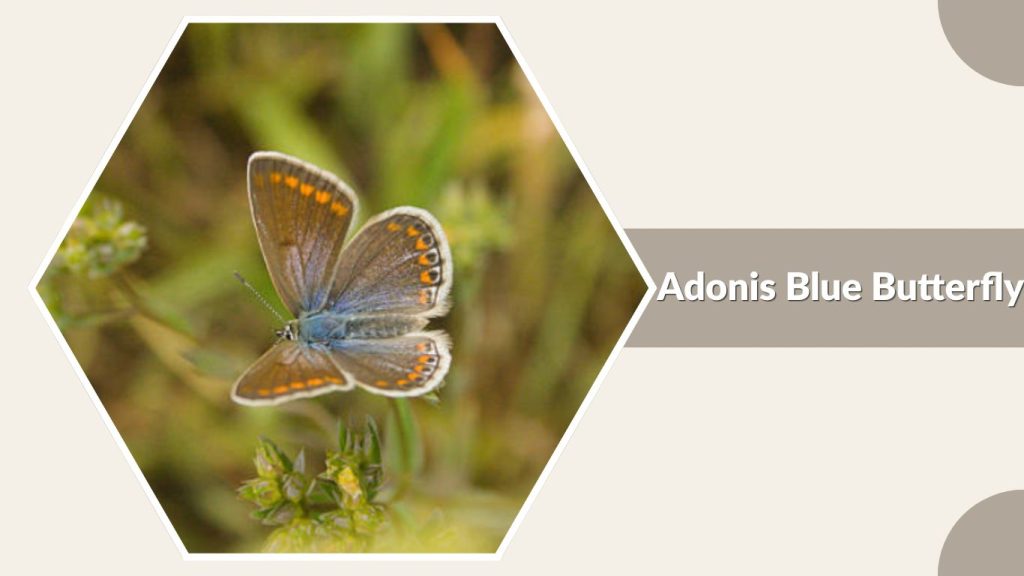
The Adonis Blue butterfly is a striking species famous for the brilliant sky-blue color of the male’s wings. It belongs to the Lycaenidae family and is often associated with chalk grasslands and warm open habitats. This butterfly is admired for its vibrant appearance and graceful flight.
Identification and Appearance
Male Adonis Blue butterflies display vivid bright blue upper wings with thin dark edges, while females are brown with orange markings near the wing margins. The undersides are pale gray with black spots and orange crescents. Their intense blue coloration makes males especially noticeable in sunlight.
Characteristics
- Brilliant sky-blue wings in males
- Brown wings with orange markings in females
- Small butterfly with rapid flight
- Pale underside with black spots
- Prefers sunny chalk grasslands
- Feeds on nectar from wildflowers
- Active mainly in warm weather
Habitat and Distribution
The Adonis Blue butterfly is mainly found in Europe and parts of western Asia. It prefers dry chalk grasslands, hillsides, coastal slopes, and flower-rich meadows. The species thrives in warm habitats with short grass and abundant flowering plants.
Life Cycle and Behavior
Females lay eggs on horseshoe vetch plants, which serve as food for the caterpillars. Larvae develop slowly before pupating near the ground. Adults are active in sunny conditions and are often seen basking or feeding on nectar from wildflowers during summer months.
4. Chalkhill Blue Butterfly
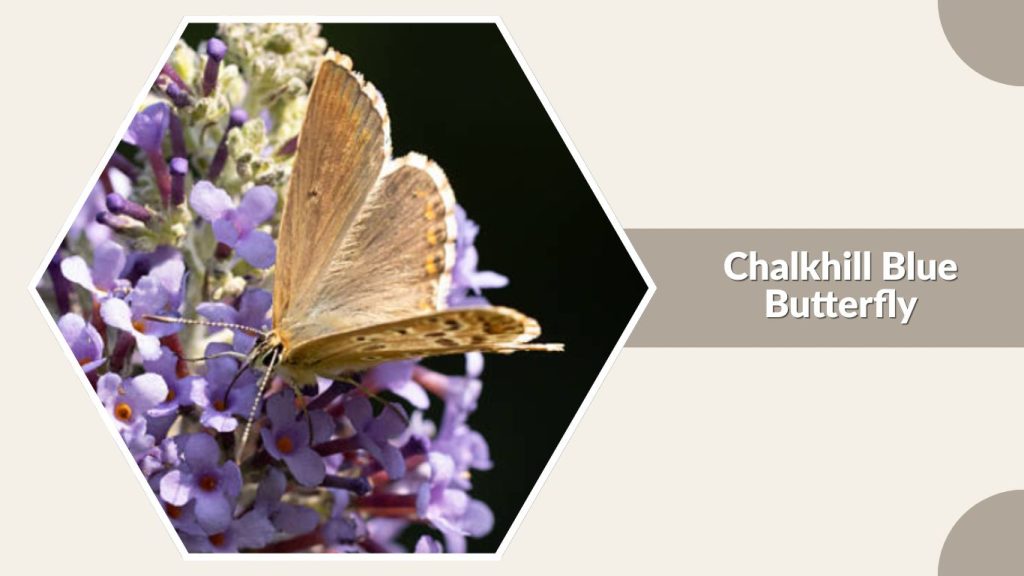
The Chalkhill Blue butterfly is a beautiful species commonly found in warm chalk grasslands and open meadows. It belongs to the Lycaenidae family and is recognized for its soft blue coloration and graceful flight. This butterfly is an important pollinator in natural ecosystems.
Identification and Appearance
Male Chalkhill Blue butterflies have pale silvery-blue wings with thin dark borders and white fringes. Females are mostly brown with orange spots and slight blue dusting near the body. The underside of both sexes is light gray with black spots and orange markings.
Characteristics
- Pale silvery-blue wings in males
- Brown wings with orange spots in females
- Delicate butterfly with fluttering flight
- Light gray underside with black markings
- Prefers warm chalk grasslands
- Feeds on nectar from wildflowers
- Active during sunny summer days
Habitat and Distribution
The Chalkhill Blue butterfly is mainly distributed across Europe and parts of Asia. It thrives in chalk downlands, grassy hillsides, coastal slopes, and open meadows with abundant flowering plants. Sunny habitats with short grass are especially suitable for this species.
Life Cycle and Behavior
Females lay eggs on horseshoe vetch plants, which are essential for caterpillar development. The larvae feed on these plants before pupating near the ground. Adult butterflies are social and are often seen flying in large groups during warm summer afternoons.
5. Large Blue Butterfly
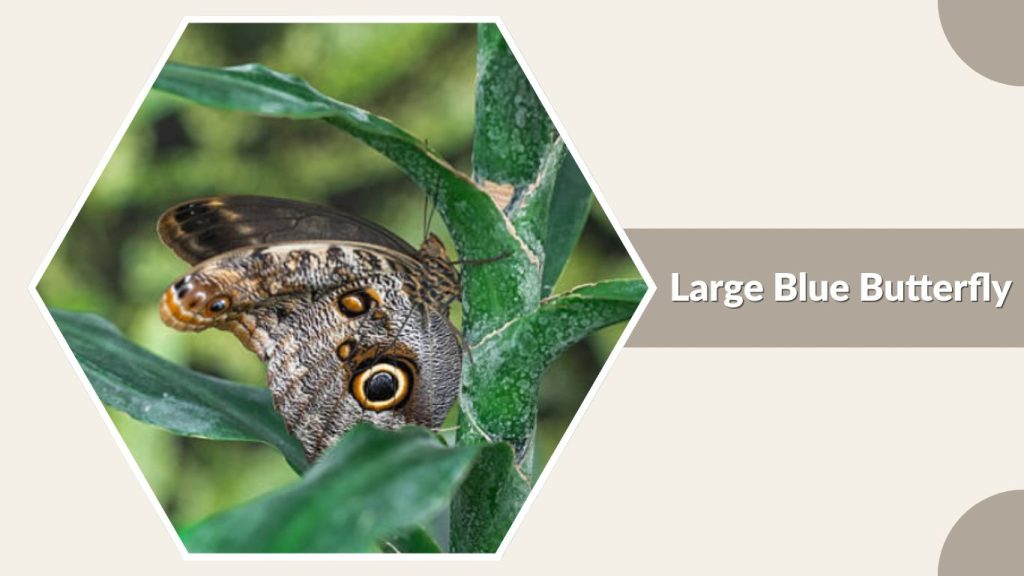
The Large Blue butterfly is one of the rarest and most fascinating blue butterflies in the world. It is known for its unique relationship with ants during its life cycle. This species belongs to the Lycaenidae family and is highly valued in butterfly conservation programs.
Identification and Appearance
The Large Blue butterfly has dark blue upper wings with black spots scattered across the surface. The undersides are pale gray with black markings and fine white fringes. Compared to many other blue butterflies, it has a larger body and broader wings.
Characteristics
- Dark blue wings with black spots
- Larger size compared to other blue butterflies
- Pale gray underside with markings
- Unique relationship with ant colonies
- Rare and protected butterfly species
- Found mainly in grasslands
- Feeds on flower nectar as an adult
Habitat and Distribution
Large Blue butterflies are found in parts of Europe and prefer warm grasslands, meadows, and hillside habitats. They require areas with specific wild thyme plants and suitable ant colonies, making their habitat needs highly specialized.
Life Cycle and Behavior
Females lay eggs on wild thyme flowers. Young caterpillars first feed on plants before being carried into ant nests, where they continue development by feeding on ant larvae. Adult butterflies emerge in summer and are commonly seen feeding on nectar in sunny grasslands.
6. Silver-studded Blue Butterfly
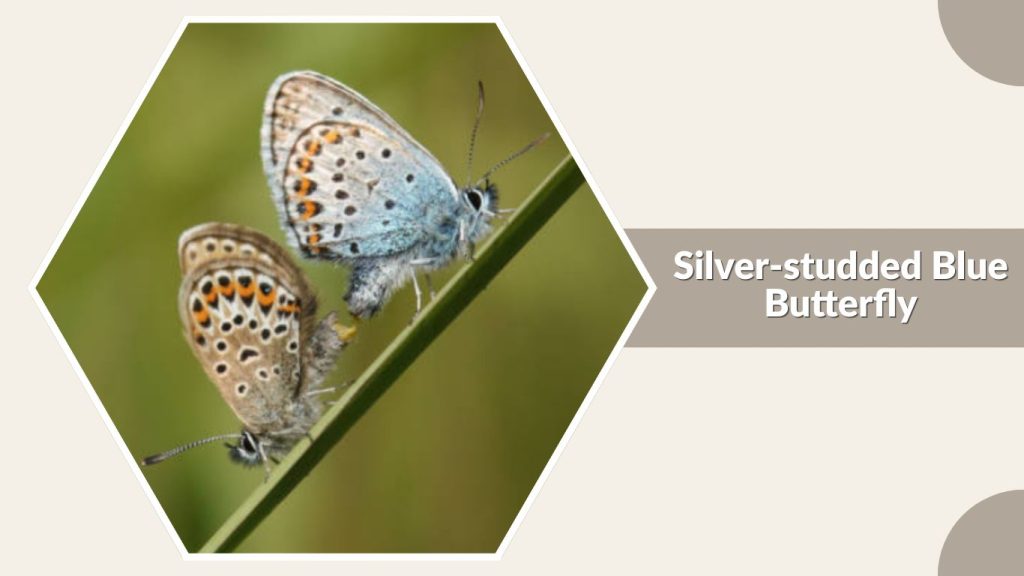
The Silver-studded Blue butterfly is a small and colorful species found mainly in heathlands and coastal grasslands. It belongs to the Lycaenidae family and is admired for its shimmering blue wings and delicate appearance. This butterfly is also known for its close relationship with ants during its larval stage.
Identification and Appearance
Male Silver-studded Blue butterflies have bright violet-blue wings bordered with thin dark edges. Females are brown with orange markings and light blue dusting near the base. The underside of the wings is pale gray with black spots and small metallic blue-green markings.
Characteristics
- Bright violet-blue wings in males
- Brown wings with orange spots in females
- Small metallic markings on wing undersides
- Delicate and fast-flying butterfly
- Associated with ant colonies
- Common in heathlands and coastal areas
- Feeds mainly on nectar from flowers
Habitat and Distribution
This butterfly is found in parts of Europe and western Asia. It prefers heathlands, coastal dunes, woodland clearings, and grasslands with low vegetation. Warm, sunny environments with flowering plants are ideal habitats for the species.
Life Cycle and Behavior
Females lay eggs on plants such as heather and bird’s-foot trefoil. Caterpillars are often attended by ants, which protect them in exchange for sugary secretions. Adult butterflies are active during summer and frequently bask in sunlight on low vegetation.
7. Karner Blue Butterfly
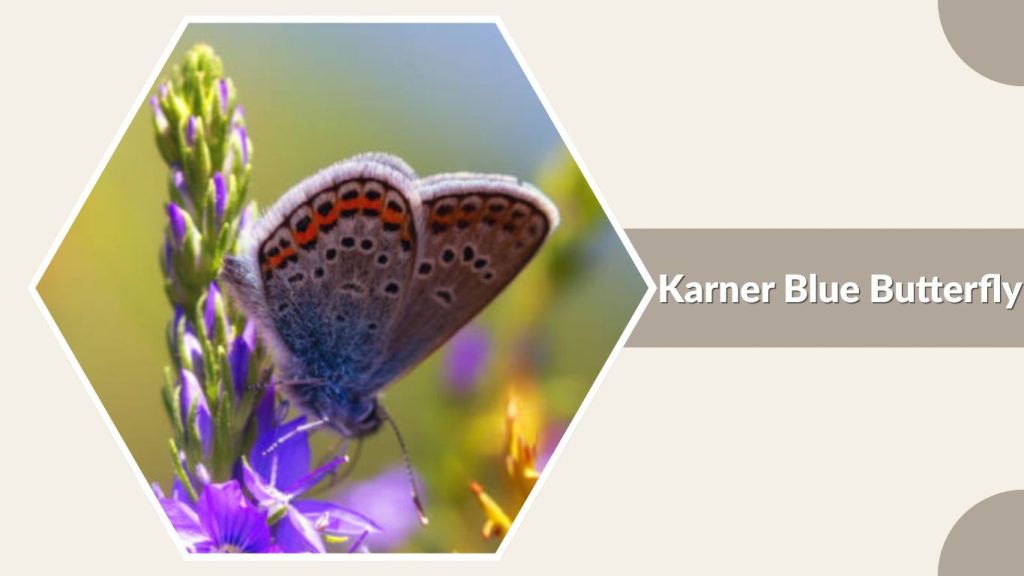
The Karner Blue butterfly is a rare and endangered species native to North America. It is well known for its brilliant blue wings and dependence on wild lupine plants. This butterfly has become an important symbol of conservation and habitat restoration efforts.
Identification and Appearance
Male Karner Blue butterflies have vivid silvery-blue upper wings with narrow black edges. Females are darker brownish-blue with orange spots near the wing margins. The underside of both sexes is gray with black spots and orange crescents along the edges.
Characteristics
- Brilliant silvery-blue wings in males
- Brownish-blue wings with orange spots in females
- Small butterfly with delicate flight
- Depends heavily on wild lupine plants
- Rare and endangered species
- Active during warm sunny weather
- Feeds on nectar from flowering plants
Habitat and Distribution
The Karner Blue butterfly is mainly found in parts of the United States and Canada. It inhabits oak savannas, pine barrens, sandy grasslands, and open woodlands where wild lupine grows abundantly. Habitat loss has greatly reduced its natural range.
Life Cycle and Behavior
Females lay eggs on wild lupine plants, which provide food for the caterpillars. The species usually produces two generations each year. Adult butterflies are active in late spring and summer, often feeding on nectar and basking in sunny open areas.
8. Eastern Tailed-Blue Butterfly
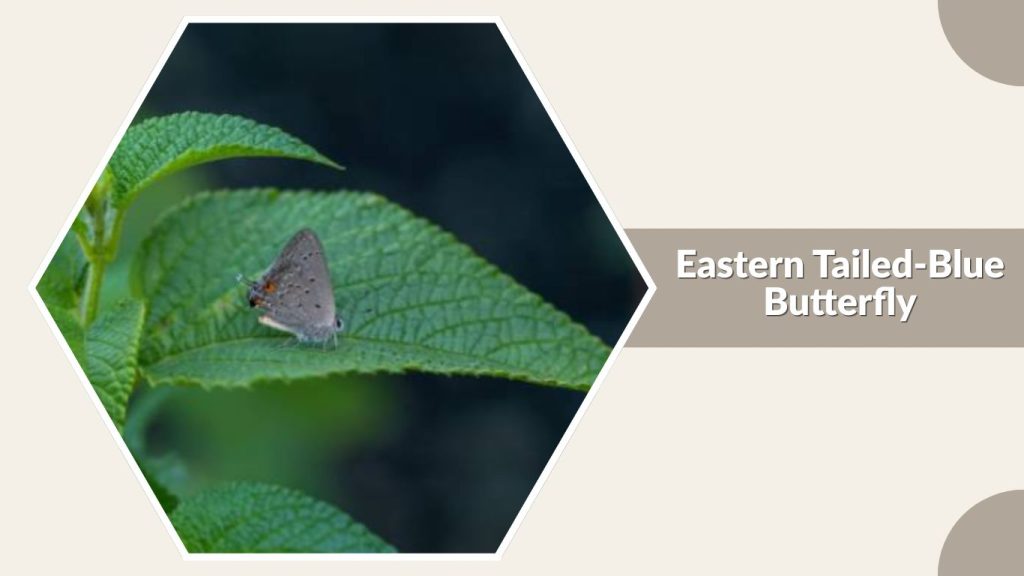
The Eastern Tailed-Blue butterfly is a small and charming species commonly found in open grassy areas and gardens. It belongs to the Lycaenidae family and is recognized for its tiny tail-like wing extensions and soft blue coloration. This butterfly is one of the most widespread blue butterflies in North America.
Identification and Appearance
Male Eastern Tailed-Blue butterflies have bright blue upper wings with thin dark borders, while females are more brownish with blue near the body. Both sexes feature tiny tails on the hindwings and orange spots near the wing edges. The underside is pale gray with dark spots.
Characteristics
- Tiny tail-like extensions on hindwings
- Bright blue wings in males
- Brownish-blue wings in females
- Orange spots near wing margins
- Small and delicate butterfly species
- Common in gardens and grasslands
- Feeds on flower nectar
Habitat and Distribution
This butterfly is widely distributed across North America and is commonly found in meadows, roadsides, parks, gardens, and open grassy fields. It thrives in sunny habitats with low-growing plants and abundant flowers.
Life Cycle and Behavior
Females lay eggs on legumes such as clover and bean plants. Caterpillars feed on flowers and seed pods before pupating near the ground. Adult butterflies are active from spring through autumn and are often seen fluttering close to low vegetation.
9. Western Tailed-Blue Butterfly
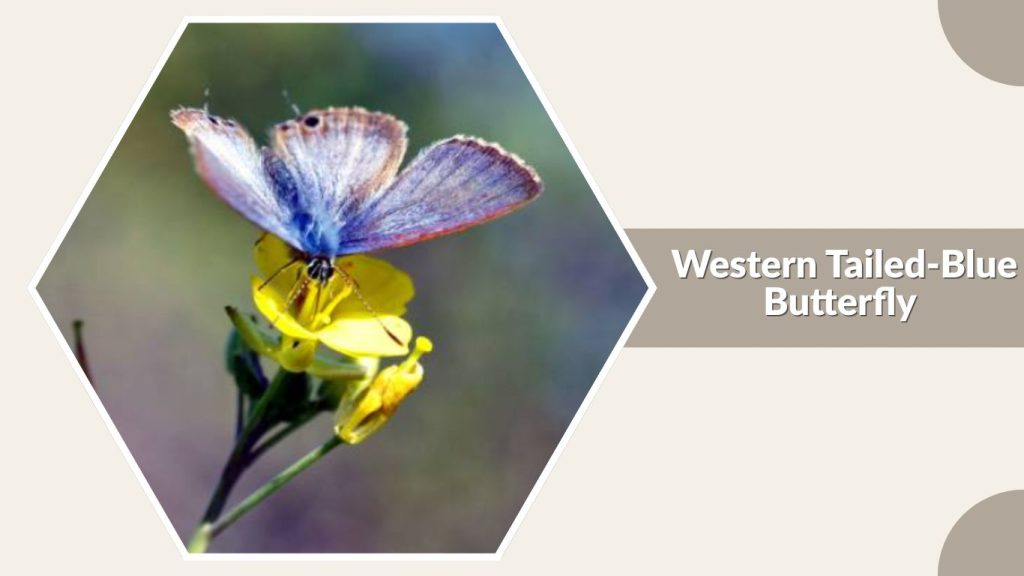
The Western Tailed-Blue butterfly is a beautiful species native to western North America. It is closely related to the Eastern Tailed-Blue and is admired for its soft blue wings and graceful flight. This butterfly is commonly seen in grasslands and mountain meadows.
Identification and Appearance
Male Western Tailed-Blue butterflies display pale blue upper wings with dark edges, while females are mostly brown with touches of blue. Both sexes have short tails on the hindwings and orange markings near the lower wing edges. The underside is grayish with black spots.
Characteristics
- Pale blue wings in males
- Brown wings with blue tones in females
- Short tail-like wing extensions
- Orange markings near hindwings
- Small and lightweight butterfly
- Found in grasslands and meadows
- Feeds mainly on nectar
Habitat and Distribution
The Western Tailed-Blue butterfly is distributed across western regions of North America. It inhabits mountain meadows, open forests, grasslands, and roadside vegetation. The species prefers sunny areas with flowering plants and legume host plants.
Life Cycle and Behavior
Females lay eggs on clover and other legume plants that serve as food for caterpillars. The larvae develop on these plants before forming pupae. Adult butterflies are active during warm months and are frequently observed feeding on nectar or resting on grasses in sunny habitats.
10. Reakirt’s Blue Butterfly
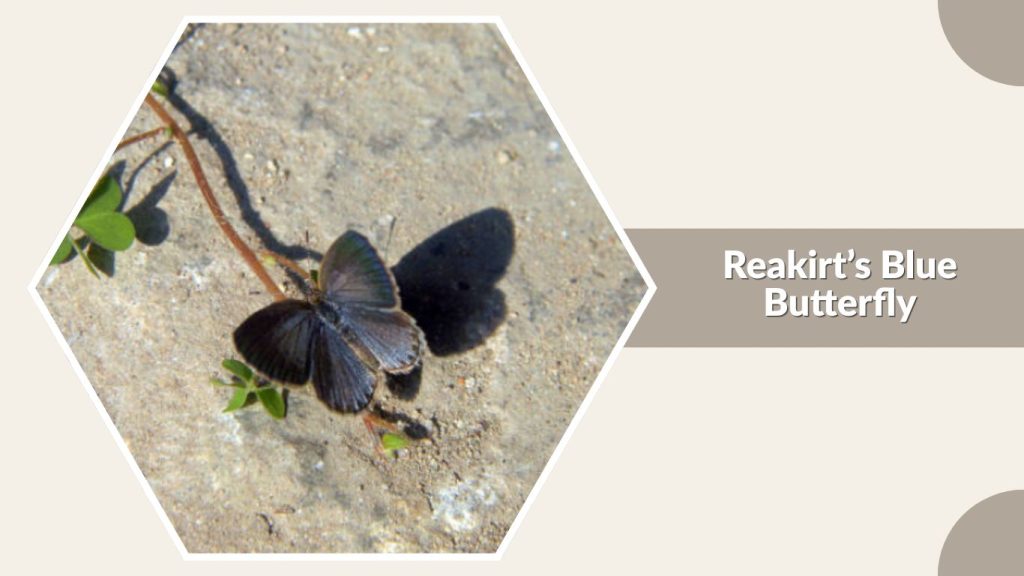
Reakirt’s Blue butterfly is a small and attractive species found mainly in warm grassy habitats. It belongs to the Lycaenidae family and is known for its delicate blue coloration and quick fluttering flight. This butterfly is commonly observed near flowers and low vegetation.
Identification and Appearance
Male Reakirt’s Blue butterflies have bright lavender-blue upper wings with narrow dark borders. Females are usually grayish-brown with traces of blue near the wing base. The underside of both sexes is pale gray with small black spots and orange markings near the hindwings.
Characteristics
- Lavender-blue wings in males
- Grayish-brown wings in females
- Small butterfly with rapid flight
- Orange spots near hindwings
- Pale gray underside with black spots
- Common in grassy open habitats
- Feeds mainly on flower nectar
Habitat and Distribution
This butterfly is found across parts of North and Central America. It prefers sunny grasslands, roadsides, gardens, and open woodland edges where flowering plants and host plants are abundant.
Life Cycle and Behavior
Females lay eggs on legume plants such as clover and beans. Caterpillars feed on flowers and developing seeds before pupating. Adult butterflies are active during warm seasons and are frequently seen feeding on nectar from small wildflowers.
11. Marine Blue Butterfly

The Marine Blue butterfly is a small and elegant species known for its soft blue wings and adaptability to different environments. It belongs to the Lycaenidae family and is often found in gardens, deserts, and open fields with flowering plants.
Identification and Appearance
Male Marine Blue butterflies display violet-blue upper wings with dark borders, while females are generally brown with blue near the body. The undersides are light gray with white-edged black spots and faint orange markings near the hindwings.
Characteristics
- Violet-blue wings in males
- Brownish wings with blue shades in females
- Light gray underside with black spots
- Small and delicate butterfly
- Adaptable to various habitats
- Frequently visits flowering plants
- Active in warm sunny weather
Habitat and Distribution
Marine Blue butterflies are distributed across the southern United States, Mexico, Central America, and parts of South America. They inhabit deserts, grasslands, gardens, roadsides, and coastal areas where nectar plants are plentiful.
Life Cycle and Behavior
Females lay eggs on legume plants that serve as food for caterpillars. The larvae feed on flowers and seed pods before transforming into pupae. Adult butterflies are active throughout warm months and are commonly seen feeding on nectar in sunny open habitats.
12. Boisduval’s Blue Butterfly
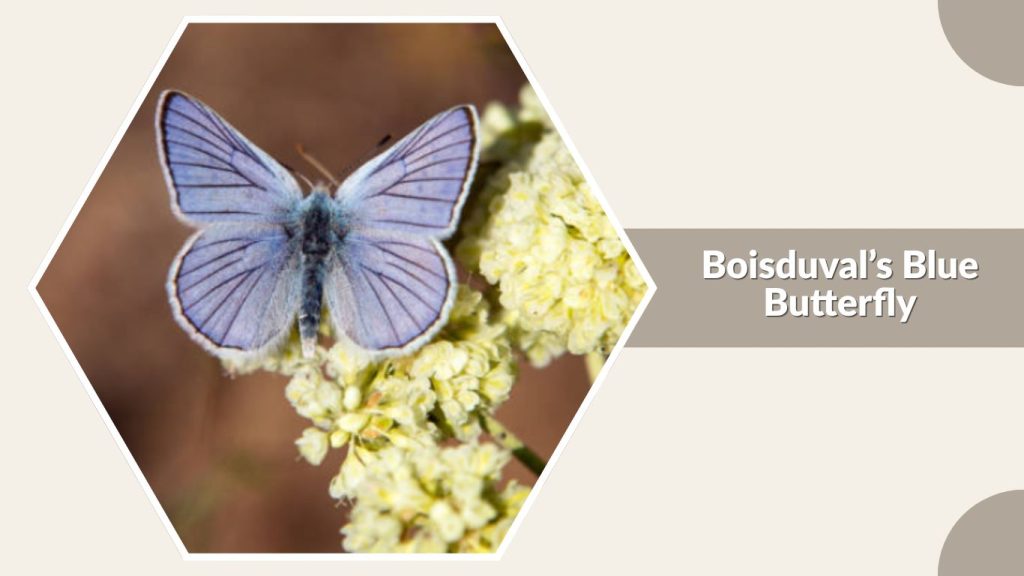
Boisduval’s Blue butterfly is a delicate and attractive species found mainly in western North America. It belongs to the Lycaenidae family and is admired for its soft blue wings and graceful flight. This butterfly is commonly associated with mountainous regions and flower-rich habitats.
Identification and Appearance
Male Boisduval’s Blue butterflies have bright silvery-blue upper wings with narrow black edges. Females are darker brown with blue shading near the body and orange spots along the wing margins. The underside is pale gray with black spots and white outlines.
Characteristics
- Bright silvery-blue wings in males
- Brown wings with blue tones in females
- Pale gray underside with black spots
- Small and graceful butterfly species
- Common in mountain meadows
- Feeds on nectar from flowers
- Active during sunny weather
Habitat and Distribution
This butterfly is mainly found in western regions of North America, especially in mountain meadows, grasslands, forest edges, and open valleys. It prefers sunny habitats with abundant flowering plants and suitable host vegetation.
Life Cycle and Behavior
Females lay eggs on lupine and other legume plants that provide food for caterpillars. The larvae develop on these plants before forming pupae. Adult butterflies are active during summer and are often seen basking in sunlight or feeding on nectar.
13. Spring Azure Butterfly
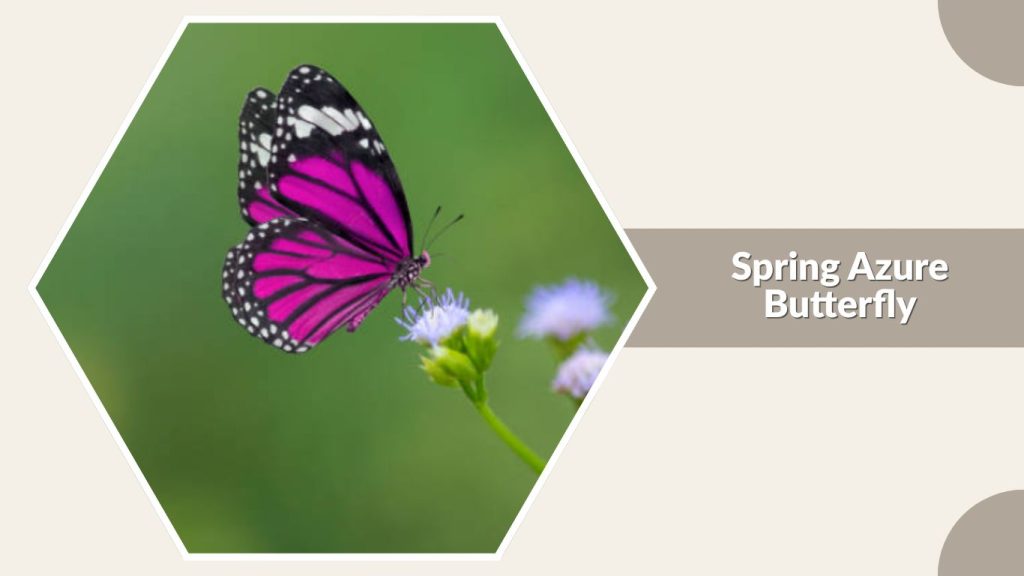
The Spring Azure butterfly is a small and delicate species known for its pale blue wings and early seasonal appearance. It belongs to the Lycaenidae family and is commonly seen fluttering through woodlands, gardens, and forest edges during springtime.
Identification and Appearance
Spring Azure butterflies have light bluish upper wings with dark edges, while females often appear slightly darker than males. The underside of the wings is pale grayish-white with small black spots. Their tiny size and soft coloration give them a gentle appearance.
Characteristics
- Pale blue wings with dark borders
- Small and lightweight butterfly
- Pale underside with black spots
- Appears mainly during spring
- Gentle and fluttering flight pattern
- Common in woodland habitats
- Feeds on nectar from flowers
Habitat and Distribution
This butterfly is widely distributed across North America and is commonly found in forests, woodland clearings, parks, gardens, and shrublands. It thrives in areas with flowering plants and suitable host trees or shrubs.
Life Cycle and Behavior
Females lay eggs on flower buds of host plants such as dogwood and viburnum. Caterpillars feed on flowers and young fruits before pupating. Adult butterflies emerge early in spring and are frequently seen flying near woodland edges and flowering shrubs.
14. Summer Azure Butterfly
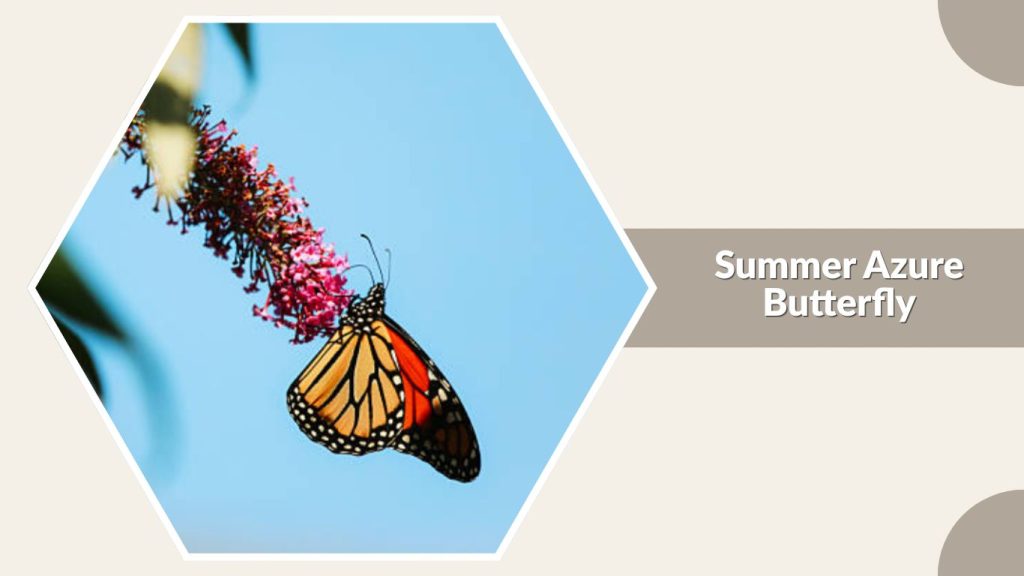
The Summer Azure butterfly is a small and graceful species that appears during the warmer months of the year. It belongs to the Lycaenidae family and is known for its pale blue wings and gentle fluttering flight. This butterfly is commonly found near flowering shrubs and woodland edges.
Identification and Appearance
Summer Azure butterflies have soft light-blue upper wings with thin dark borders. Females are often slightly darker than males. The underside of the wings is pale grayish-white with tiny black spots and subtle markings, giving the butterfly a delicate appearance.
Characteristics
- Soft pale-blue wings
- Small and delicate butterfly species
- Pale underside with black spots
- Gentle fluttering flight pattern
- Common during summer months
- Found near shrubs and woodlands
- Feeds mainly on flower nectar
Habitat and Distribution
This butterfly is widely distributed across North America and prefers woodland edges, parks, gardens, meadows, and shrubby habitats. It thrives in sunny areas with abundant flowering plants and host vegetation.
Life Cycle and Behavior
Females lay eggs on flowering shrubs and trees such as dogwood and New Jersey tea plants. Caterpillars feed on flowers and buds before forming pupae. Adult butterflies are active throughout summer and are often seen visiting flowers for nectar.
15. Cassius Blue Butterfly
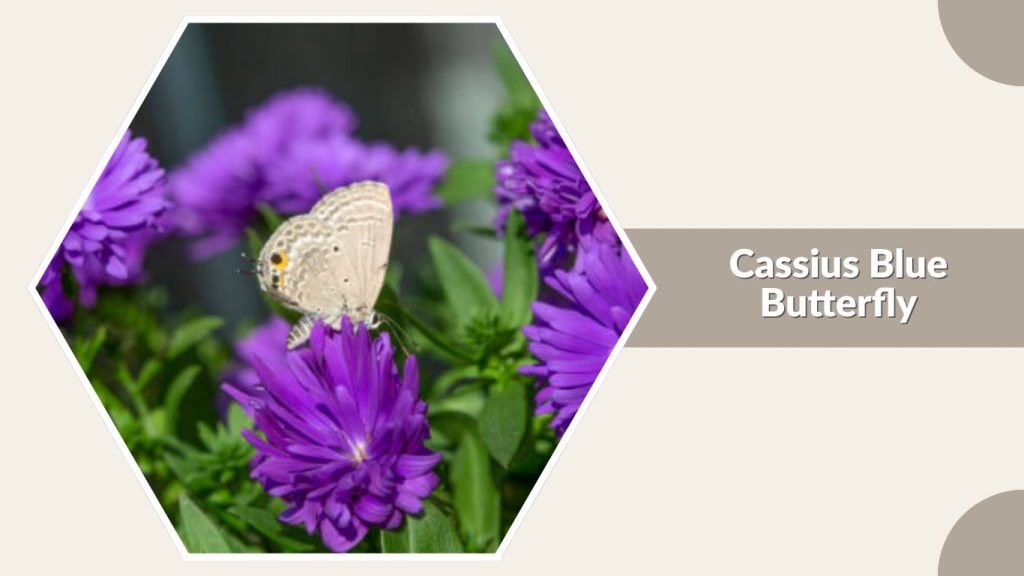
The Cassius Blue butterfly is a beautiful tropical species recognized for its bright blue wings and small tail-like extensions. It belongs to the Lycaenidae family and is commonly found in coastal habitats, gardens, and warm open landscapes.
Identification and Appearance
Male Cassius Blue butterflies display bright bluish-purple upper wings with dark edges, while females are darker with blue near the center of the wings. Both sexes have small tails on the hindwings and orange spots near the wing margins. The underside is pale gray with black markings.
Characteristics
- Bright bluish-purple wings in males
- Small tails on hindwings
- Orange spots near wing edges
- Delicate and fast-flying butterfly
- Common in tropical and coastal habitats
- Frequently visits flowering plants
- Feeds mainly on nectar
Habitat and Distribution
The Cassius Blue butterfly is found in the southern United States, the Caribbean, Central America, and parts of South America. It inhabits coastal dunes, gardens, scrublands, roadsides, and tropical open fields with abundant flowering plants.
Life Cycle and Behavior
Females lay eggs on flowering legumes and other host plants. Caterpillars feed on flower buds and seed pods before pupating. Adult butterflies are active year-round in warm climates and are often seen basking in sunlight or feeding on nectar.
16. Palos Verdes Blue Butterfly
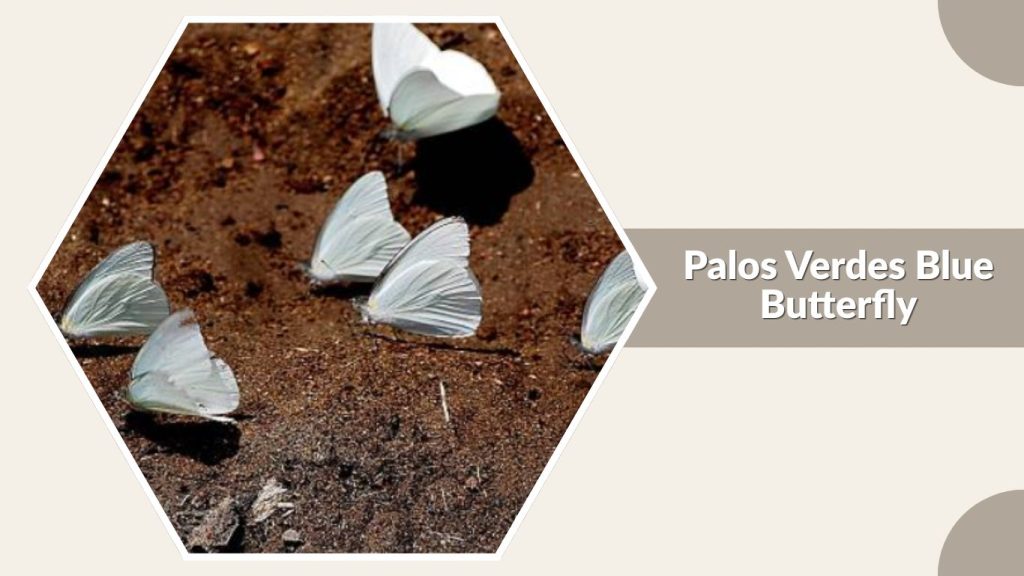
The Palos Verdes Blue butterfly is one of the rarest butterflies in the world and is native to a small region of California. It belongs to the Lycaenidae family and is highly important in conservation programs due to its limited population and restricted habitat.
Identification and Appearance
Male Palos Verdes Blue butterflies have bright silvery-blue upper wings with dark edges, while females are mostly brown with blue near the wing base. The underside of the wings is gray with black spots and white markings. Their small size and delicate appearance make them easy to recognize.
Characteristics
- Bright silvery-blue wings in males
- Brown wings with blue tones in females
- Small butterfly with delicate flight
- Gray underside with black spots
- Extremely rare and endangered species
- Native to coastal California habitats
- Feeds mainly on flower nectar
Habitat and Distribution
This butterfly is found only in limited coastal regions of southern California in the United States. It prefers coastal sage scrub habitats with native flowering plants and suitable host vegetation for caterpillar development.
Life Cycle and Behavior
Females lay eggs on host plants such as locoweed and deerweed. Caterpillars feed on these plants before forming pupae. Adult butterflies are active during spring and early summer and are often seen flying low near native shrubs and flowers.
17. Miami Blue Butterfly
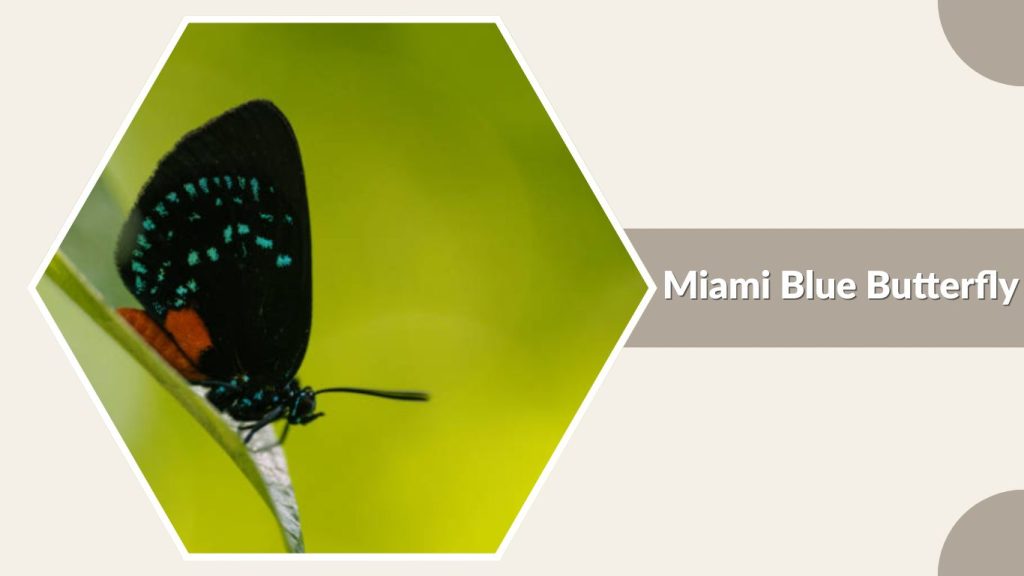
The Miami Blue butterfly is a rare and beautiful species once commonly found in southern Florida and nearby islands. It belongs to the Lycaenidae family and is admired for its vivid blue coloration and delicate wing patterns.
Identification and Appearance
Male Miami Blue butterflies have bright metallic-blue upper wings with dark borders, while females are darker with blue near the center of the wings. The underside is grayish with black spots and orange markings near the hindwings. Small tails extend from the hindwings.
Characteristics
- Metallic-blue wings in males
- Small tail-like extensions on hindwings
- Orange markings near wing edges
- Small and delicate butterfly species
- Rare and endangered butterfly
- Commonly associated with coastal habitats
- Feeds on nectar from flowering plants
Habitat and Distribution
The Miami Blue butterfly is mainly found in southern Florida and nearby coastal islands. It inhabits coastal dunes, tropical scrublands, gardens, and beachside vegetation with abundant flowering plants and host species.
Life Cycle and Behavior
Females lay eggs on plants such as blackbead and balloon vine. Caterpillars feed on leaves and flower buds before pupating. Adult butterflies are active in warm weather and are frequently seen basking in sunny coastal areas while searching for nectar sources.
18. Silvery Blue Butterfly
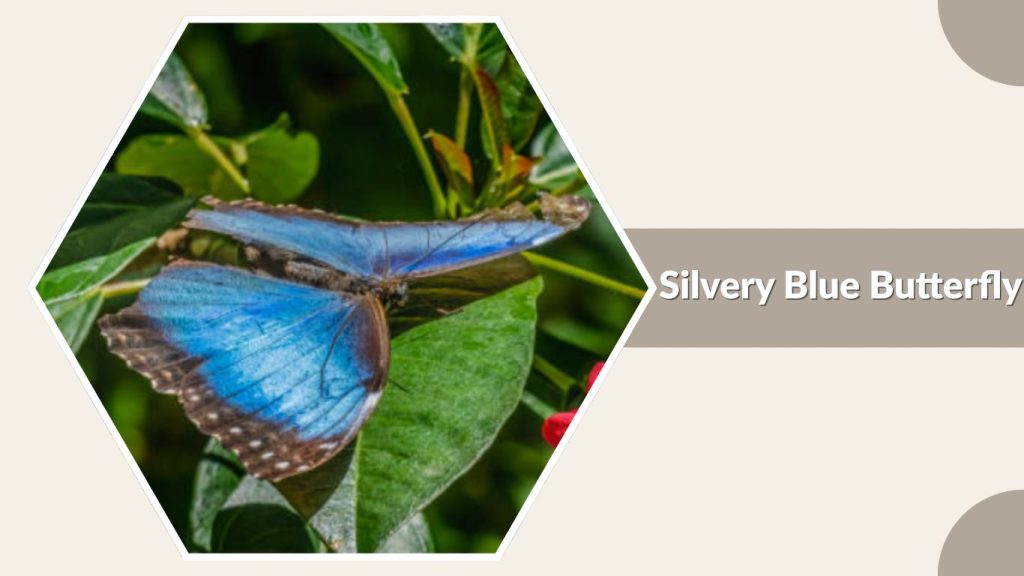
The Silvery Blue butterfly is a charming and delicate species commonly found in open meadows and grassy landscapes. It belongs to the Lycaenidae family and is admired for its soft silvery-blue wings and gentle flight. This butterfly is widely distributed across North America.
Identification and Appearance
Male Silvery Blue butterflies have bright silvery-blue upper wings with thin dark borders, while females are brown with bluish shading near the body. The underside is pale gray with small black spots and orange markings near the hindwings.
Characteristics
- Soft silvery-blue wings in males
- Brown wings with blue shades in females
- Pale gray underside with black spots
- Small and delicate butterfly
- Common in meadows and grasslands
- Feeds mainly on nectar
- Active during sunny weather
Habitat and Distribution
This butterfly is found across many regions of North America. It prefers grasslands, meadows, forest edges, mountain valleys, and open fields with abundant flowering plants and host vegetation.
Life Cycle and Behavior
Females lay eggs on legume plants such as lupine and clover. Caterpillars feed on flowers and leaves before forming pupae. Adult butterflies are active from spring to summer and are often seen basking in sunlight or feeding on nectar from wildflowers.
19. Green-underside Blue Butterfly
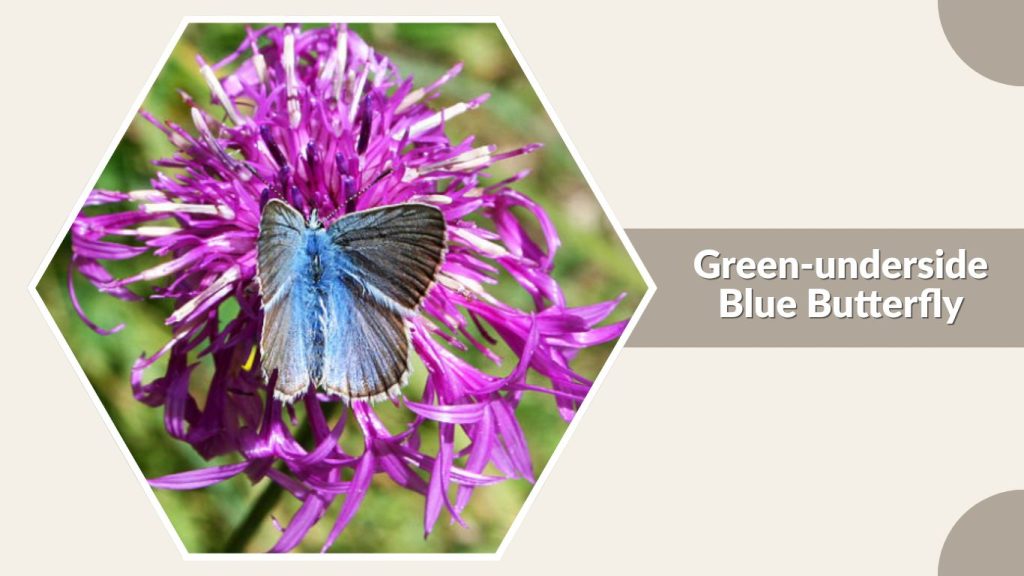
The Green-underside Blue butterfly is a unique species recognized for the greenish coloration on the underside of its wings. It belongs to the Lycaenidae family and is commonly found in mountainous grasslands and flower-rich habitats.
Identification and Appearance
Male Green-underside Blue butterflies display bright blue upper wings with dark borders, while females are usually brown with blue tones. The underside is distinctive because of its greenish tint combined with black spots and white markings.
Characteristics
- Bright blue wings in males
- Greenish underside with black spots
- Brownish wings in females
- Small and graceful butterfly
- Common in mountainous habitats
- Feeds on flower nectar
- Active during warm sunny days
Habitat and Distribution
This butterfly is mainly distributed across parts of Europe and Asia. It thrives in alpine meadows, grassy slopes, woodland clearings, and mountain valleys where flowering plants are abundant.
Life Cycle and Behavior
Females lay eggs on legume host plants that provide food for caterpillars. The larvae feed on leaves and flowers before pupating near the ground. Adult butterflies are commonly seen flying low over grasslands and feeding on nectar during summer months.
20. Lang’s Short-tailed Blue Butterfly
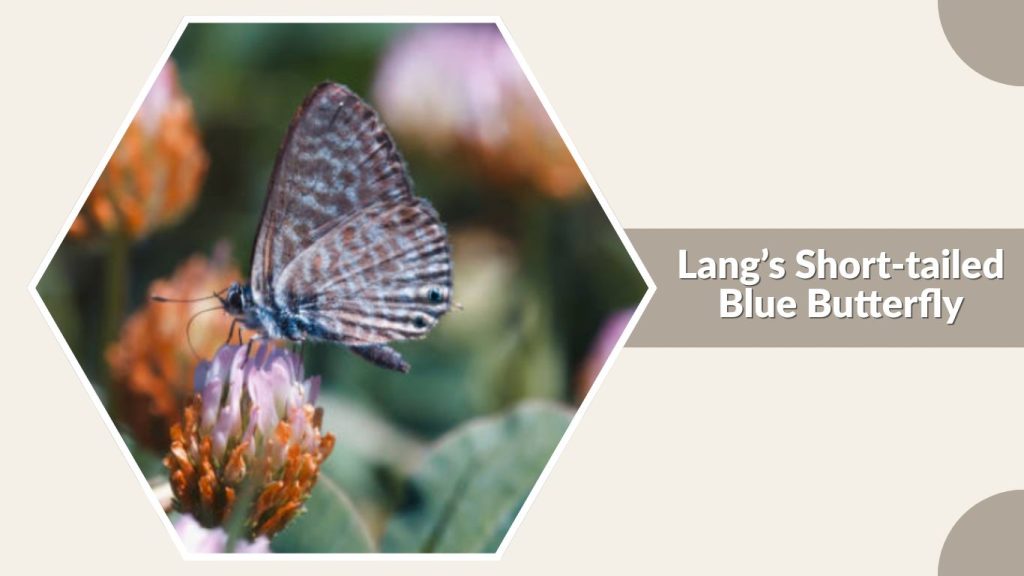
Lang’s Short-tailed Blue butterfly is a small and elegant species known for its tiny tail-like wing extensions and bright blue coloration. It belongs to the Lycaenidae family and is commonly found in warm open habitats with flowering plants.
Identification and Appearance
Male Lang’s Short-tailed Blue butterflies have vivid blue upper wings bordered with dark edges, while females are brown with patches of blue near the wing base. Both sexes feature short tails on the hindwings and orange markings near the lower edges.
Characteristics
- Bright blue wings in males
- Short tail-like extensions on hindwings
- Brown wings with blue patches in females
- Orange spots near wing margins
- Small and delicate butterfly
- Common in sunny open habitats
- Feeds mainly on flower nectar
Habitat and Distribution
This butterfly is mainly found in parts of North and Central America. It prefers grasslands, coastal scrublands, gardens, roadsides, and open woodland edges with abundant flowering vegetation.
Life Cycle and Behavior
Females lay eggs on legume plants that serve as food for caterpillars. The larvae feed on flower buds and seed pods before pupating. Adult butterflies are active in warm weather and are often seen fluttering near low-growing flowers.
21. Idas Blue Butterfly
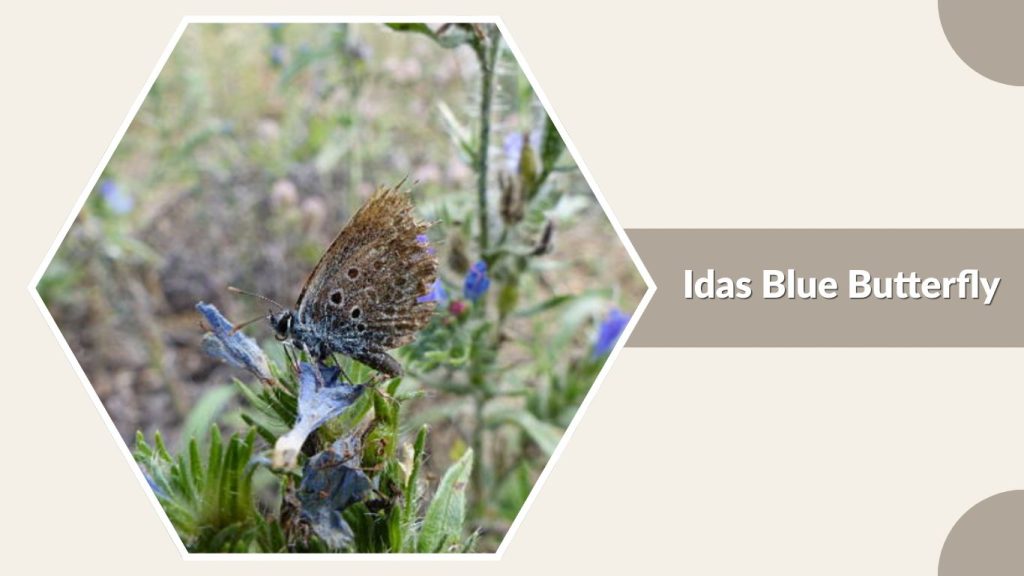
The Idas Blue butterfly is a beautiful species admired for its rich blue wings and delicate flight. It belongs to the Lycaenidae family and is commonly associated with cool grasslands, heathlands, and mountainous regions.
Identification and Appearance
Male Idas Blue butterflies display deep violet-blue upper wings with narrow dark borders. Females are usually brown with orange spots and slight blue shading near the body. The underside is pale gray with black spots and orange crescents.
Characteristics
- Deep violet-blue wings in males
- Brown wings with orange markings in females
- Pale gray underside with black spots
- Small butterfly with graceful flight
- Common in cool grasslands and heathlands
- Feeds on nectar from flowers
- Active during sunny summer days
Habitat and Distribution
The Idas Blue butterfly is distributed across Europe, Asia, and parts of North America. It inhabits heathlands, mountain meadows, forest clearings, and open grassy habitats with suitable host plants.
Life Cycle and Behavior
Females lay eggs on legume plants such as heather and clover. Caterpillars feed on these plants before forming pupae close to the ground. Adult butterflies are active during summer and are often seen basking in sunlight or feeding on nectar from wildflowers.
22. Melissa Blue Butterfly
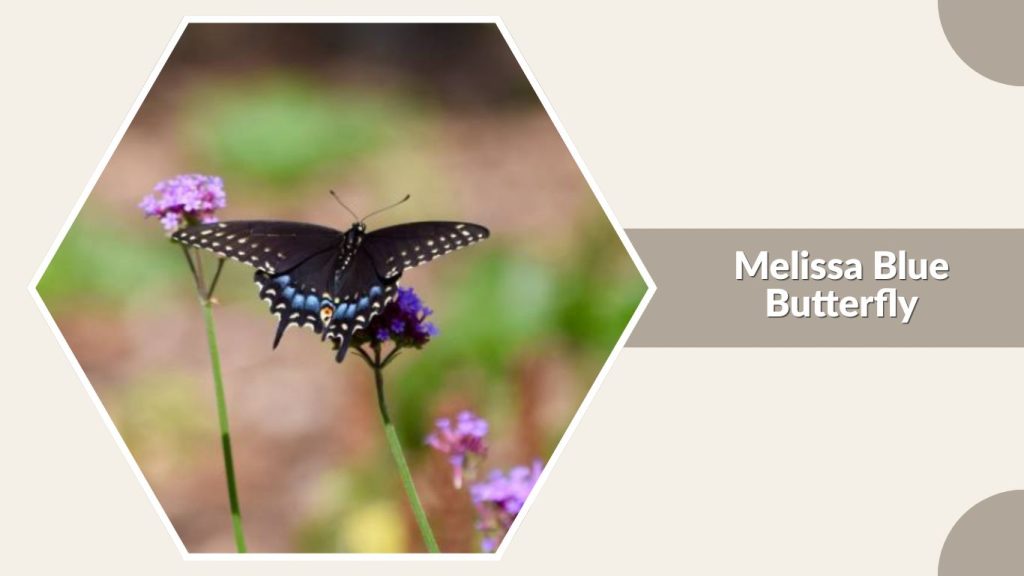
The Melissa Blue butterfly is a small and colorful species commonly found in open grasslands and desert regions. It belongs to the Lycaenidae family and is admired for its bright blue wings and active flight behavior. This butterfly is widely distributed across western North America.
Identification and Appearance
Male Melissa Blue butterflies have vivid blue upper wings with thin dark borders, while females are brown with orange markings and blue near the body. The underside is pale gray with black spots and orange crescents along the hindwings.
Characteristics
- Bright blue wings in males
- Brown wings with orange spots in females
- Pale gray underside with black markings
- Small and fast-flying butterfly
- Common in grasslands and deserts
- Feeds mainly on flower nectar
- Active during warm sunny days
Habitat and Distribution
This butterfly is found mainly in western regions of North America. It inhabits grasslands, desert edges, mountain meadows, roadsides, and open shrublands with abundant flowering plants and legumes.
Life Cycle and Behavior
Females lay eggs on legume host plants such as clover and lupine. Caterpillars feed on flowers and leaves before pupating near the ground. Adult butterflies are active from spring through summer and are often seen basking in sunny open habitats.
23. Pygmy Blue Butterfly
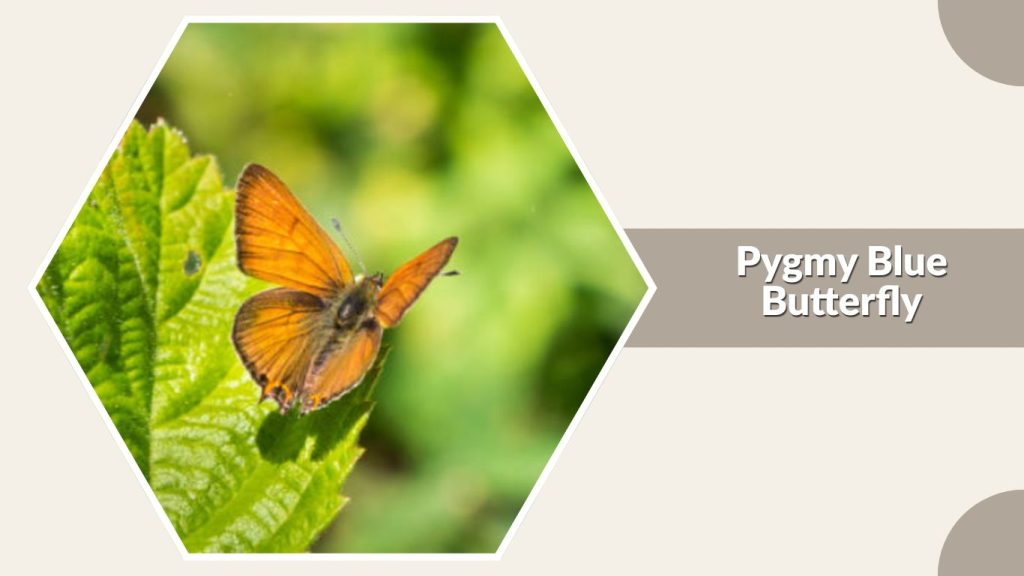
The Pygmy Blue butterfly is one of the smallest butterflies in the world. It belongs to the Lycaenidae family and is recognized for its tiny size and delicate blue coloration. Despite its small appearance, it is widely distributed and highly adaptable to warm environments.
Identification and Appearance
Male Pygmy Blue butterflies have pale coppery-blue upper wings, while females are darker brown with bluish tones. The underside is grayish with black spots and fine white markings. Their extremely tiny wingspan makes them easy to distinguish from larger blue butterflies.
Characteristics
- One of the world’s smallest butterflies
- Pale blue wings in males
- Brownish wings with blue shades in females
- Gray underside with black spots
- Tiny and delicate body structure
- Common in warm dry habitats
- Feeds on nectar from small flowers
Habitat and Distribution
The Pygmy Blue butterfly is distributed across Africa, Asia, Australia, and parts of the Americas. It prefers deserts, grasslands, coastal areas, gardens, and open sunny habitats with flowering plants.
Life Cycle and Behavior
Females lay eggs on low-growing host plants where caterpillars feed on flowers and seeds. The larvae develop quickly before forming pupae. Adult butterflies are active in warm weather and often fly close to the ground while searching for nectar sources.
24. Mission Blue Butterfly
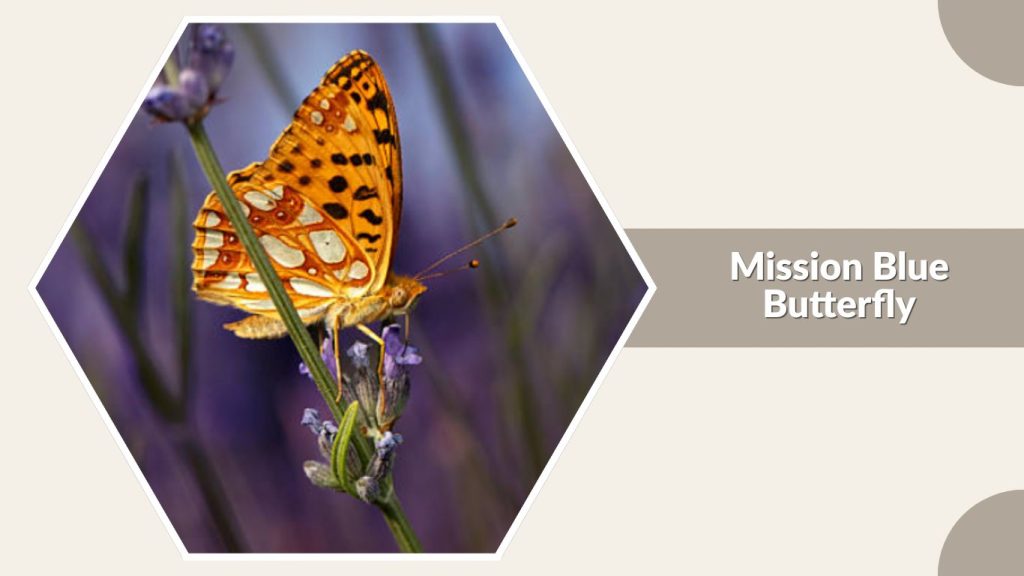
The Mission Blue butterfly is a rare and endangered species native to coastal California. It belongs to the Lycaenidae family and is admired for its vivid blue coloration and delicate appearance. This butterfly is an important symbol of habitat conservation and environmental protection.
Identification and Appearance
Male Mission Blue butterflies have brilliant blue upper wings with black borders, while females are darker brown with blue near the wing base. The underside of both sexes is pale gray with black spots and orange markings along the hindwings.
Characteristics
- Brilliant blue wings in males
- Brown wings with blue tones in females
- Pale gray underside with black spots
- Rare and endangered butterfly species
- Found mainly in coastal grasslands
- Small and delicate flyer
- Feeds mainly on flower nectar
Habitat and Distribution
This butterfly is found only in limited areas of coastal California in the United States. It inhabits coastal grasslands and hillsides where lupine plants grow, as these plants are essential for caterpillar survival.
Life Cycle and Behavior
Females lay eggs on lupine plants that serve as food for the caterpillars. Larvae feed on leaves and flowers before pupating close to the ground. Adult butterflies are active during spring and are often seen flying low over grassy hillsides.
25. Escher’s Blue Butterfly
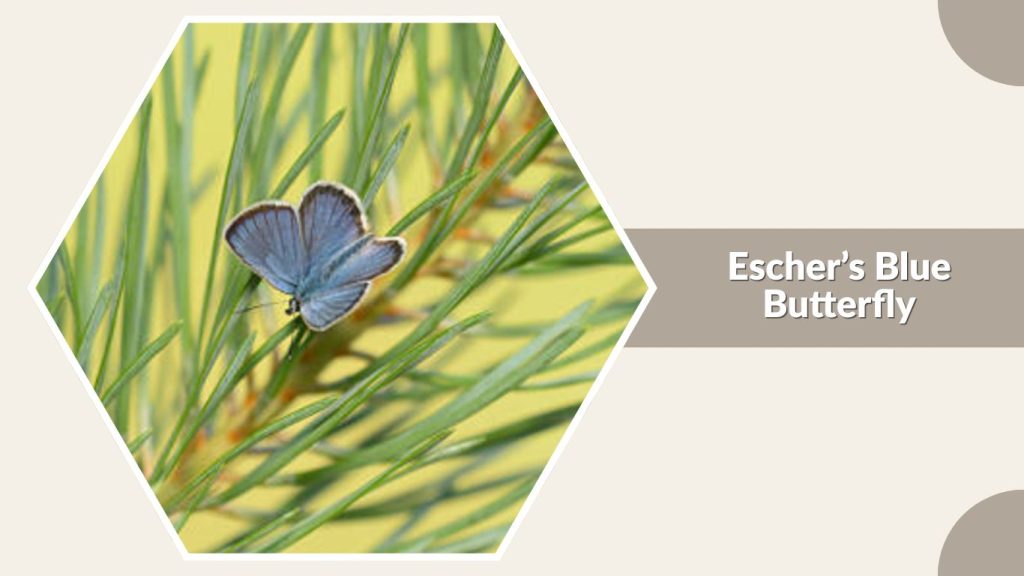
Escher’s Blue butterfly is a beautiful species known for its rich blue wings and graceful movement. It belongs to the Lycaenidae family and is commonly associated with rocky grasslands and mountainous habitats across parts of Europe and Asia.
Identification and Appearance
Male Escher’s Blue butterflies display bright violet-blue upper wings with dark edges, while females are mostly brown with slight blue shading near the body. The underside is pale gray with black spots and orange crescents near the wing margins.
Characteristics
- Bright violet-blue wings in males
- Brown wings with blue shades in females
- Pale underside with black spots
- Small butterfly with graceful flight
- Common in rocky grasslands
- Feeds on nectar from flowers
- Active during warm sunny weather
Habitat and Distribution
This butterfly is mainly distributed across southern Europe and western Asia. It prefers rocky hillsides, mountain meadows, dry grasslands, and open habitats with abundant flowering plants and host vegetation.
Life Cycle and Behavior
Females lay eggs on legume plants that provide food for caterpillars. The larvae feed on leaves and flowers before pupating near the ground. Adult butterflies are active in spring and summer and are commonly seen basking on rocks or feeding on nectar.
26. African Grass Blue Butterfly
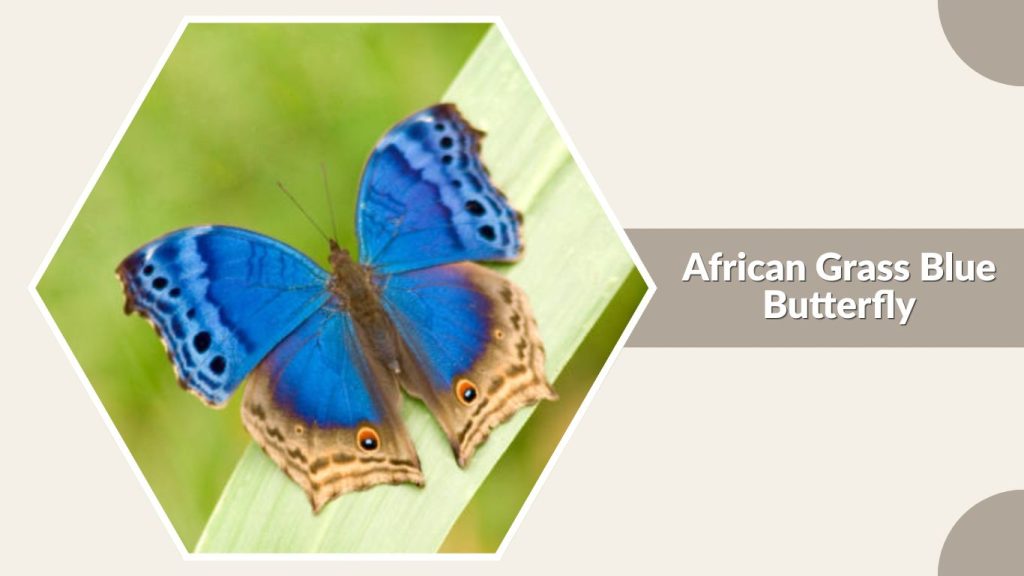
The African Grass Blue butterfly is a tiny and active species commonly found in grassy habitats and gardens. It belongs to the Lycaenidae family and is known for its soft blue wings and rapid fluttering flight. This butterfly is widely distributed across Africa and Asia.
Identification and Appearance
Male African Grass Blue butterflies have pale violet-blue upper wings with thin dark borders, while females are mostly brown with bluish tones near the body. The underside is light gray with black spots and delicate white markings.
Characteristics
- Pale violet-blue wings in males
- Brown wings with blue shades in females
- Small and fast-flying butterfly
- Gray underside with black spots
- Common in grassy habitats and gardens
- Feeds mainly on flower nectar
- Active during warm sunny weather
Habitat and Distribution
This butterfly is found across Africa, Asia, and parts of Australia. It prefers grasslands, gardens, roadsides, agricultural areas, and open sunny habitats with flowering plants and low vegetation.
Life Cycle and Behavior
Females lay eggs on legume host plants where caterpillars feed on flowers and seed pods. The larvae develop quickly before pupating near the ground. Adult butterflies are active throughout warm seasons and are often seen fluttering close to grasses and flowers.
27. Tiny Grass Blue Butterfly
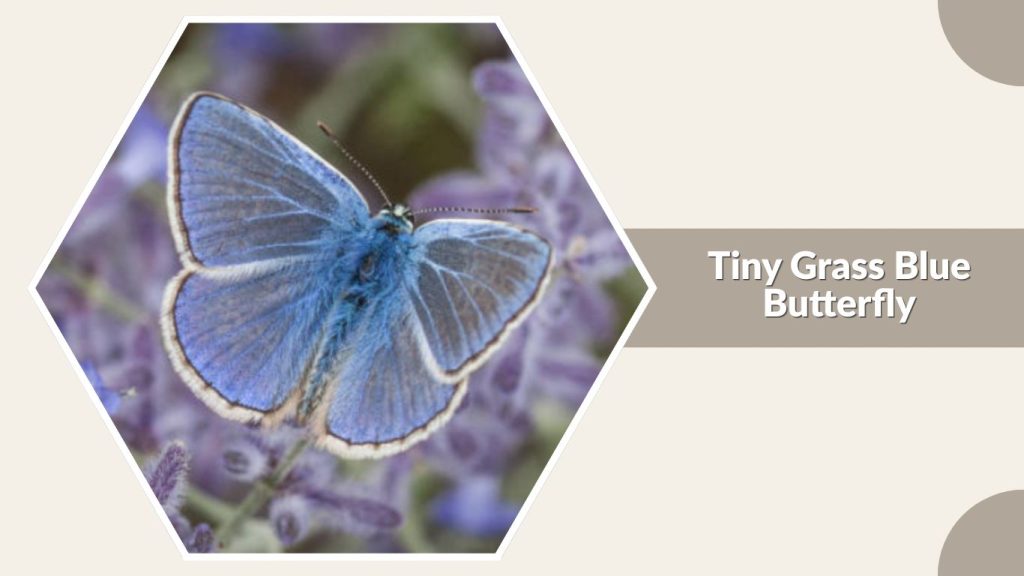
The Tiny Grass Blue butterfly is one of the smallest blue butterflies in the world. It belongs to the Lycaenidae family and is admired for its miniature size and delicate appearance. Despite its tiny wingspan, it is highly adaptable and widespread in tropical and subtropical regions.
Identification and Appearance
Male Tiny Grass Blue butterflies have pale bluish upper wings with dark edges, while females are brown with slight blue coloring near the body. The underside is pale gray with tiny black spots and faint markings that provide camouflage.
Characteristics
- Extremely small butterfly species
- Pale blue wings in males
- Brownish wings with blue tones in females
- Pale underside with tiny black spots
- Delicate and fast fluttering flight
- Common in grassy open habitats
- Feeds mainly on nectar from small flowers
Habitat and Distribution
This butterfly is widely distributed across Asia, Africa, and Australia. It commonly inhabits grasslands, gardens, agricultural fields, roadside vegetation, and tropical open habitats with flowering plants.
Life Cycle and Behavior
Females lay eggs on small legume plants used as caterpillar food sources. The larvae feed on flowers and young seed pods before forming pupae. Adult butterflies are active during warm weather and are often seen flying close to the ground in sunny areas.