
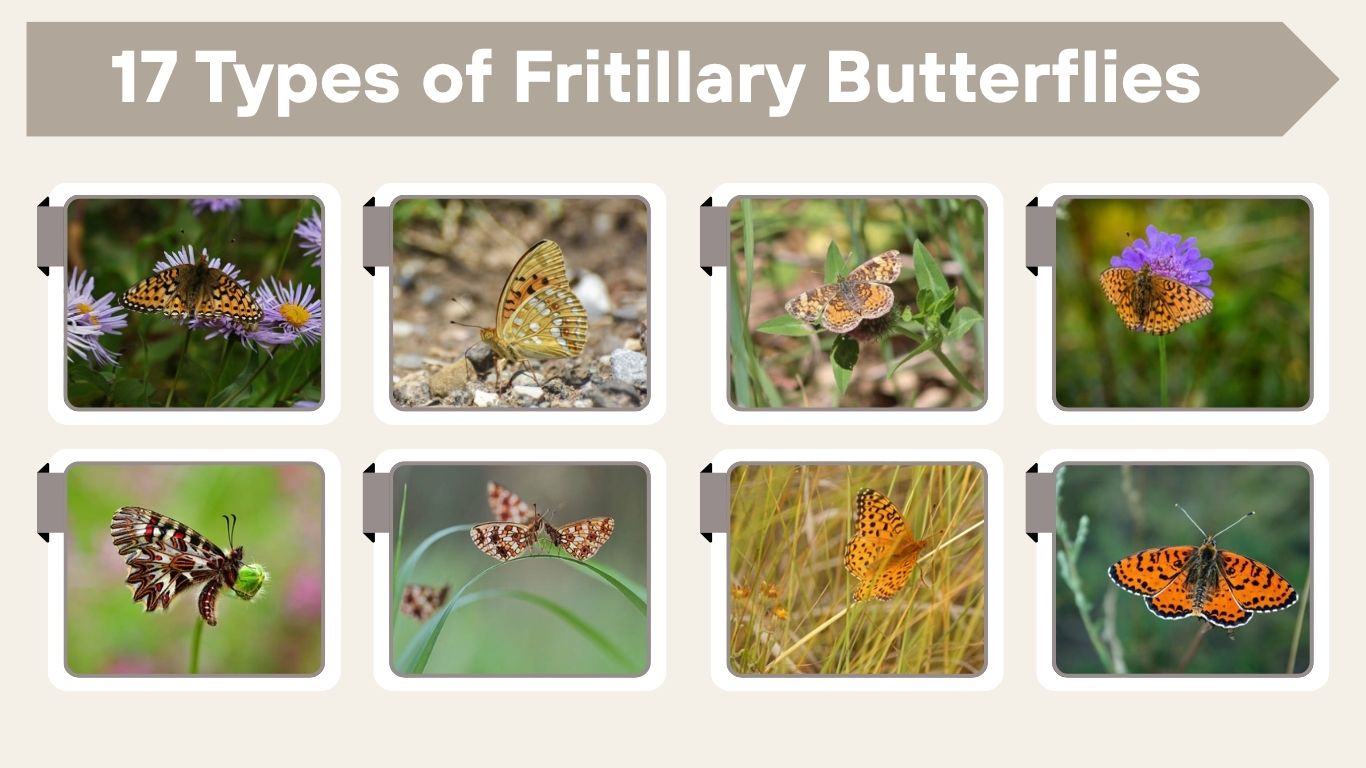
Fritillary butterflies are among the most colorful and fascinating butterflies found around the world. Known for their bright orange wings, black markings, and silver spots, these butterflies thrive in meadows, grasslands, forests, and mountain habitats. Many fritillary species depend on violet plants for their caterpillars, making healthy natural environments important for their survival. From the Gulf Fritillary to the Mormon Fritillary, each species has unique features, behaviors, and habitat preferences. Learning about different types of fritillary butterflies helps nature lovers better appreciate their beauty, diversity, and ecological importance in the wild.
1. Gulf Fritillary
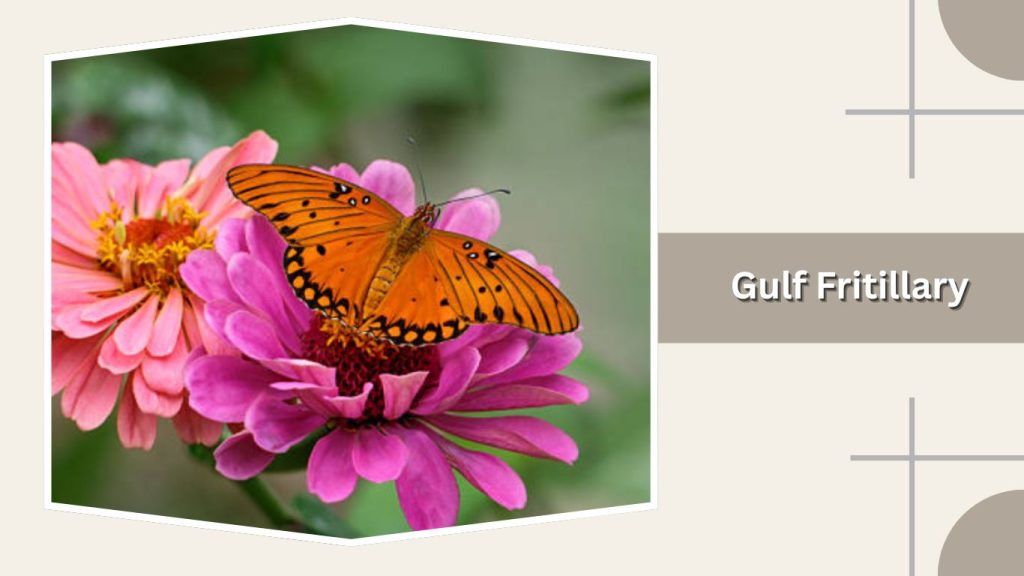
The Gulf Fritillary is a colorful orange butterfly commonly seen in warm and tropical regions. It belongs to the longwing butterfly family and is recognized for its graceful flight and silver-marked wings. This species is strongly connected to passionflower plants, which support its caterpillars. Gardeners often enjoy spotting Gulf Fritillaries visiting flowers during sunny weather in parks, gardens, and open landscapes.
Identification
- Bright orange wings with black spots and streaks
- Silver markings visible on the underside of the wings
- Long and narrow wing shape compared to many butterflies
- Wingspan measures around 2.5 to 3.7 inches
- Females appear slightly darker than males
Habitat
The Gulf Fritillary thrives in warm environments with plenty of sunlight and flowering plants. It is commonly found in gardens, fields, parks, roadsides, and coastal areas. The presence of passionflower vines is important because these plants provide a suitable place for egg laying and caterpillar development.
Diet
Adult Gulf Fritillaries mainly feed on nectar from colorful flowers such as lantana, verbena, and zinnias. Their caterpillars feed almost entirely on passionflower leaves. This specialized diet helps the caterpillars gain chemical protection that can make them less appealing to predators in the wild.
Behavior
The Gulf Fritillary is known for its quick and energetic flight pattern. Adults are active during warm daylight hours and are often seen fluttering from flower to flower. Males patrol open spaces in search of mates, while females carefully inspect host plants before laying eggs on suitable leaves.
Life Cycle
The life cycle of the Gulf Fritillary begins when females lay yellow eggs on passionflower vines. The eggs hatch into orange caterpillars covered with black spines. After feeding and growing through several stages, the caterpillar forms a chrysalis. An adult butterfly eventually emerges, ready to continue the cycle.
2. Variegated Fritillary
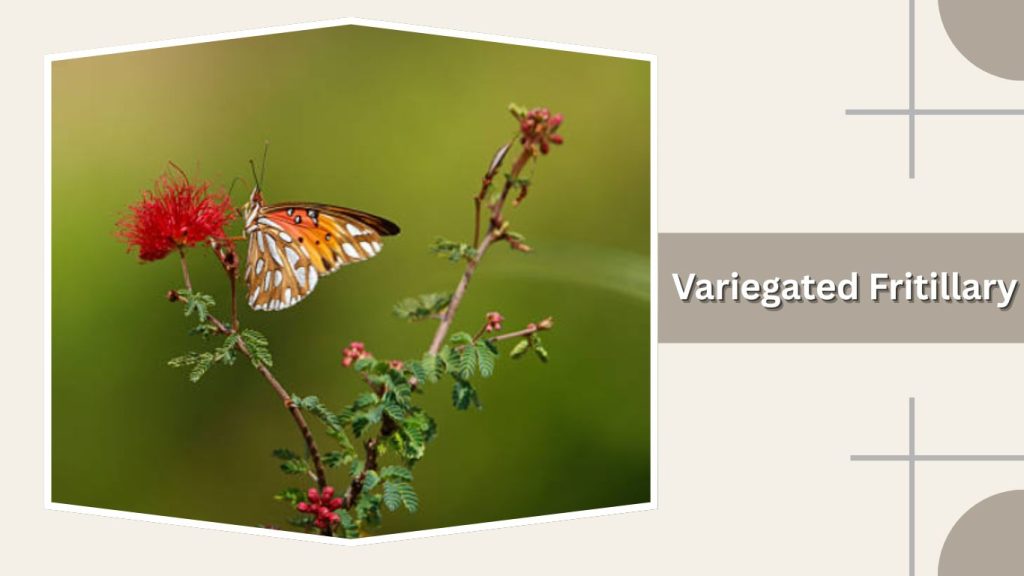
The Variegated Fritillary is a striking orange butterfly known for its bold markings and rapid flight. It is widely distributed across the Americas and often appears in gardens, fields, and open countryside. Unlike many fritillaries, this species can adapt to different habitats and food sources. Its beautifully patterned wings and active daytime behavior make it one of the most noticeable butterflies in warm regions.
Identification
- Orange wings covered with black spots and lines
- Underside of the wings displays pale brown and silver markings
- Forewings are pointed rather than rounded
- Wingspan ranges from 2 to 3 inches
- Females are usually larger and darker than males
Habitat
Variegated Fritillaries prefer open sunny habitats with plenty of flowering plants. They are commonly found in meadows, gardens, roadsides, agricultural areas, and vacant lots. This butterfly is highly adaptable and can survive in both natural and disturbed environments where host plants are available.
Diet
Adult butterflies feed on nectar from many flowering plants, including asters, lantana, thistles, and milkweed. Caterpillars feed on a variety of host plants such as passionflower, violets, flax, and pansies. Their flexible diet allows the species to thrive across a wide geographic range.
Behavior
The Variegated Fritillary is an active and fast-moving butterfly that spends much of the day searching for nectar. It flies low over open ground and frequently visits bright flowers. Adults are usually solitary and rarely remain in one spot for long periods during feeding or movement.
Life Cycle
Females lay pale yellow eggs singly on or near host plants. The caterpillars are dark with orange stripes and covered in branching black spines. After feeding and growing, the caterpillar forms a chrysalis suspended from vegetation. The adult butterfly emerges after completing metamorphosis inside the chrysalis.
3. Great Spangled Fritillary
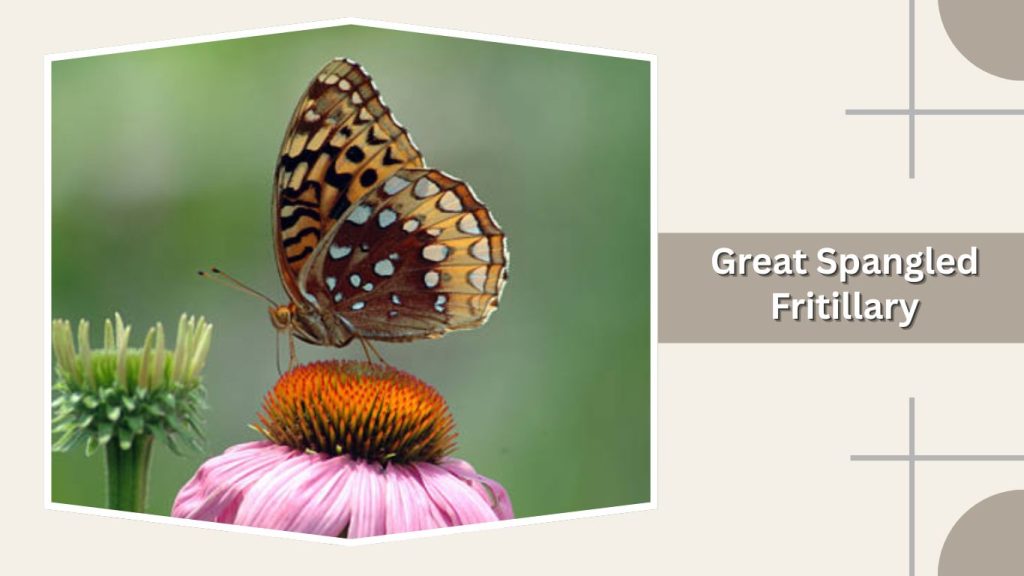
The Great Spangled Fritillary is a large and attractive butterfly commonly found in meadows, gardens, and woodland edges across North America. It is admired for its bright orange wings and shimmering silver spots beneath the wings. This butterfly is especially active during summer and is often seen feeding on colorful flowers. Its graceful flight and bold appearance make it one of the most recognizable fritillary species.
Identification
- Bright orange wings with black spots and patterns
- Large silver spots visible on the underside of the wings
- Broad wings with slightly scalloped edges
- Wingspan usually ranges from 2.5 to 4 inches
- Females are generally larger and darker than males
Habitat
Great Spangled Fritillaries prefer open habitats with abundant wildflowers and nearby wooded areas. They are commonly found in meadows, prairies, forest clearings, parks, and country roadsides. Moist environments with violets, the main caterpillar host plant, are especially important for their survival.
Diet
Adult butterflies feed on nectar from flowers such as milkweed, thistles, coneflowers, and blazing stars. Caterpillars feed mainly on violet leaves after emerging from overwintering. The availability of nectar plants and violets strongly influences where this butterfly can successfully live and reproduce.
Behavior
The Great Spangled Fritillary is a powerful flier that actively moves between flowers during warm daylight hours. Males patrol open spaces in search of females, while females spend time locating suitable egg-laying sites. Adults are often seen gliding smoothly above meadows and resting on tall flowering plants.
Life Cycle
Females lay eggs near violet plants during late summer. After hatching, the tiny caterpillars enter a resting stage through winter before feeding in spring. The caterpillars grow through several stages, form a chrysalis, and later emerge as adult butterflies during the warmer months.
4. Regal Fritillary
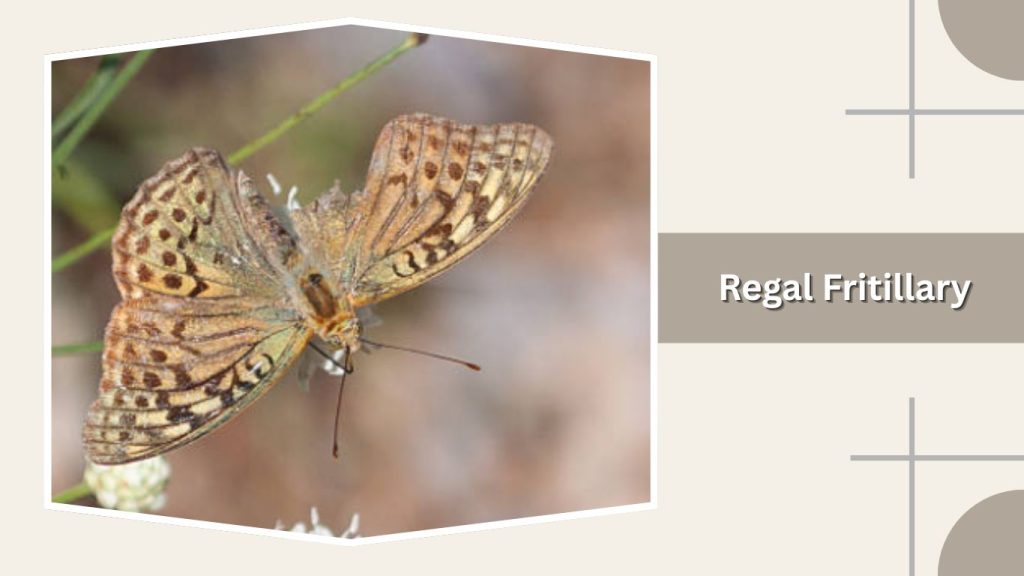
The Regal Fritillary is a beautiful and rare butterfly native to North American grasslands. It is known for its rich orange and black coloring along with elegant silver spots on the underside of the wings. This species has declined in many areas because of habitat loss, making it an important butterfly for conservation efforts. Its slow, graceful flight and striking appearance make it highly admired by butterfly enthusiasts.
Identification
- Upper wings are orange with black markings
- Hindwings appear darker with pale spots
- Underside of wings contains silver-white spots
- Wingspan ranges from 3 to 4 inches
- Females are usually larger and more brightly colored than males
Habitat
Regal Fritillaries mainly inhabit native prairies, tallgrass meadows, and open grasslands. They prefer habitats with abundant wildflowers and violet plants for caterpillar development. Large undisturbed prairie ecosystems are especially important because this butterfly depends heavily on healthy grassland environments.
Diet
Adult Regal Fritillaries feed on nectar from flowers such as milkweed, blazing stars, coneflowers, and thistles. Caterpillars feed almost entirely on violets after emerging from winter dormancy. Access to both nectar plants and violets is essential for maintaining healthy populations of this butterfly.
Behavior
The Regal Fritillary is a slow and steady flier often seen gliding across open prairies during sunny days. Males actively search for females, while females spend time near vegetation looking for suitable egg-laying locations. Adults commonly rest on tall flowers while feeding or basking in sunlight.
Life Cycle
Females lay eggs in late summer near violet plants. After hatching, the tiny caterpillars enter a dormant stage throughout winter without feeding. In spring, they begin eating violet leaves and continue growing until forming a chrysalis. Adult butterflies emerge during early summer and remain active through the warm season.
5. Diana Fritillary
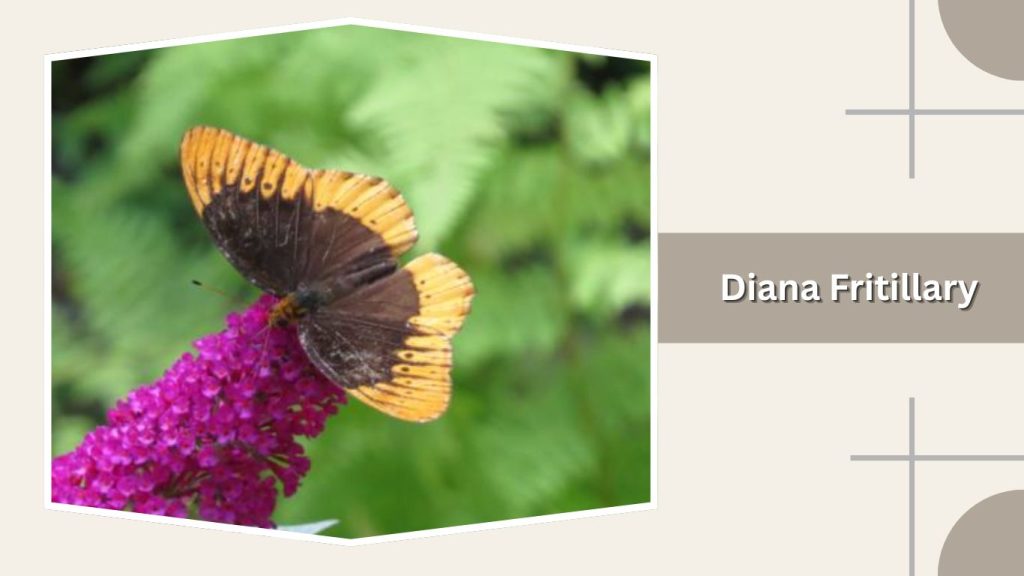
The Diana Fritillary is a large and visually stunning butterfly found mainly in the southeastern United States. It is famous for the dramatic difference in color between males and females, making it one of the most unique fritillary species. This butterfly prefers forested habitats with nearby wildflowers and shaded areas. Its graceful flight and rich coloring make it a favorite among butterfly watchers and nature enthusiasts.
Identification
- Males have bright orange wings with black borders
- Females display blue coloring with dark wings
- Underside of the wings contains silver spots
- Wings are broad and slightly rounded
- Wingspan measures about 3 to 4.5 inches
Habitat
Diana Fritillaries prefer moist woodlands, mountain forests, and shaded valleys with plenty of flowering plants. They are commonly associated with forest edges and clearings where nectar sources are abundant. Areas containing violets are especially important because they provide food for developing caterpillars.
Diet
Adult butterflies feed on nectar from flowers such as milkweed, thistles, bee balm, and ironweed. Males often visit moist ground for minerals in addition to nectar feeding. Caterpillars feed mainly on violet leaves, which support their growth during the early stages of development.
Behavior
The Diana Fritillary is known for its swift and powerful flight through woodland habitats. Males are more commonly seen in open sunny areas, while females usually remain in shaded forests. Adults are active during summer and spend much of their time searching for nectar or suitable breeding locations.
Life Cycle
Females lay eggs near violet plants during late summer. After hatching, the tiny caterpillars enter a resting stage through winter before beginning to feed in spring. The caterpillars grow steadily before forming a chrysalis, and adult butterflies later emerge during the warm summer months.
6. Meadow Fritillary
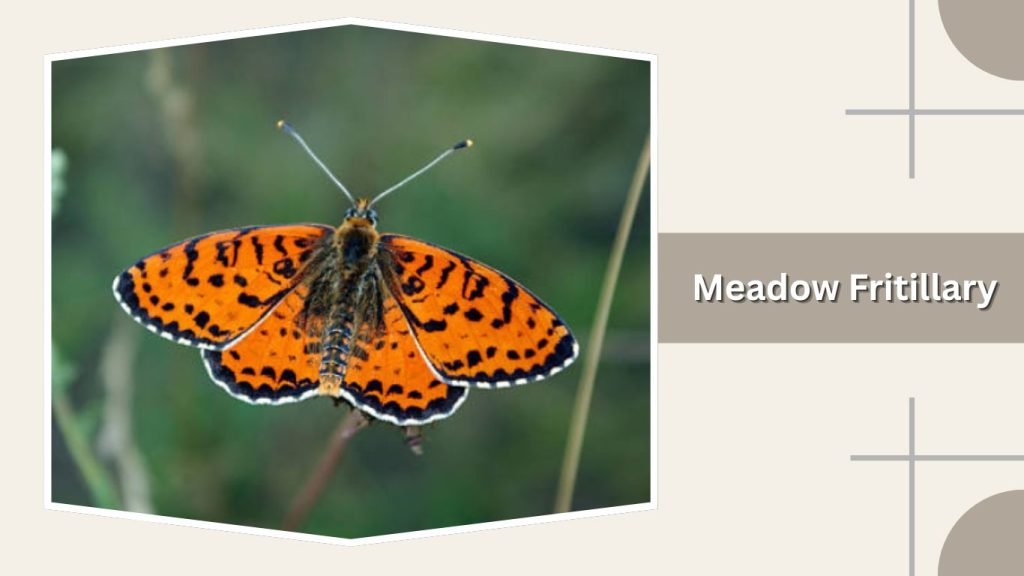
The Meadow Fritillary is a small orange butterfly commonly found in moist meadows and grassy habitats across North America. It is recognized for its checkered wing pattern and gentle flight style. Unlike larger fritillary species, this butterfly has a more delicate appearance and often stays close to low vegetation. Its preference for open grassy landscapes makes it a familiar sight during the warmer months of the year.
Identification
- Orange wings marked with dark black spots and lines
- Underside of the wings appears yellowish with pale markings
- Smaller size compared to many other fritillaries
- Wings have a rounded shape with checkered patterns
- Wingspan usually ranges from 1.5 to 2 inches
Habitat
Meadow Fritillaries prefer damp meadows, marsh edges, grassy fields, and open woodland clearings. They are most commonly found in habitats with abundant low-growing plants and flowers. Moist environments that support violets and other host plants are especially important for their survival and reproduction.
Diet
Adult Meadow Fritillaries feed on nectar from flowers such as goldenrod, milkweed, asters, and clover. Caterpillars feed mainly on violet leaves and other low-growing plants. Access to flowering plants provides adults with energy, while host plants are essential for the caterpillar stage.
Behavior
The Meadow Fritillary has a slow and fluttering flight pattern that usually stays close to the ground. Adults are active during sunny weather and often pause on flowers or grass stems. They are generally less aggressive than larger butterflies and spend much of their time feeding or basking in sunlight.
Life Cycle
Females lay eggs near suitable host plants during the breeding season. After hatching, the caterpillars begin feeding on nearby vegetation before entering later growth stages. The caterpillar eventually forms a chrysalis attached to plants or hidden vegetation, and the adult butterfly emerges after completing metamorphosis.
7. Silver-bordered Fritillary
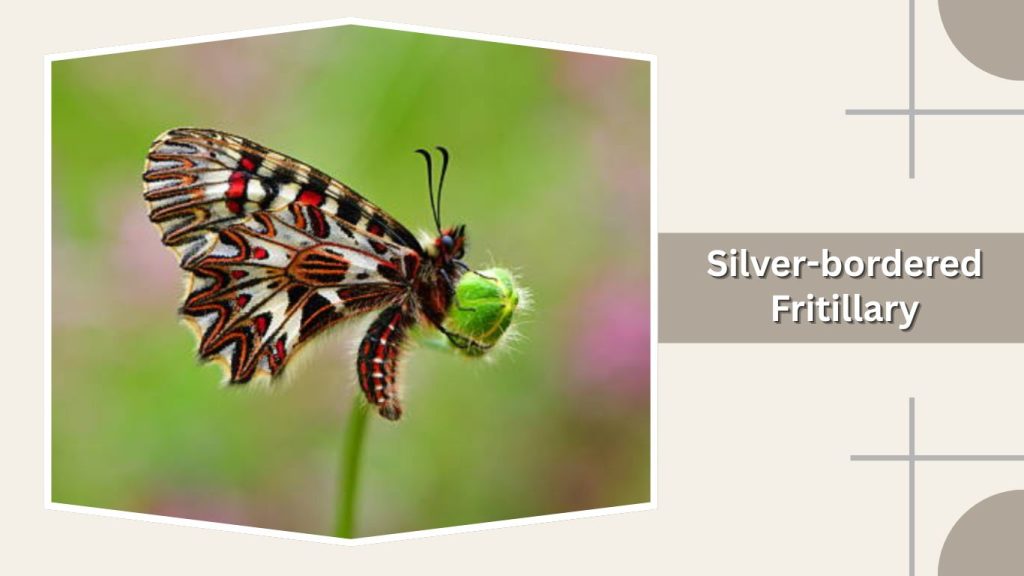
The Silver-bordered Fritillary is a small and attractive butterfly found in wetlands and moist grassy habitats across North America. It is named for the row of shiny silver spots along the underside of its wings. This butterfly is active during summer and is often seen flying low over meadows and marshes. Its delicate appearance and preference for damp environments make it easy to recognize in the wild.
Identification
- Orange upper wings covered with black spots
- Underside of the wings displays silver-bordered markings
- Dark outer wing edges with lighter inner coloring
- Small and compact body structure
- Wingspan ranges from 1.5 to 2.5 inches
Habitat
Silver-bordered Fritillaries prefer wet meadows, bogs, marshes, and grassy woodland openings. They thrive in moist habitats where violets and nectar-producing flowers grow in abundance. These butterflies are most commonly found in cool environments with low vegetation and open sunlight.
Diet
Adult butterflies feed on nectar from flowers such as milkweed, asters, and thistles. Caterpillars feed mainly on violet leaves, which are essential for their development. The availability of wetland flowers and healthy host plants strongly affects the survival of this species.
Behavior
The Silver-bordered Fritillary has a light and fluttering flight pattern that stays close to the ground. Adults are active during sunny days and frequently rest on flowers while feeding. They are often solitary and move quietly through moist grassy areas searching for nectar and suitable breeding locations.
Life Cycle
Females lay eggs near violet plants during the breeding season. After hatching, the caterpillars feed on nearby leaves before passing through several growth stages. The caterpillar later forms a chrysalis hidden among vegetation, and the adult butterfly emerges after completing its transformation.
8. Aphrodite Fritillary
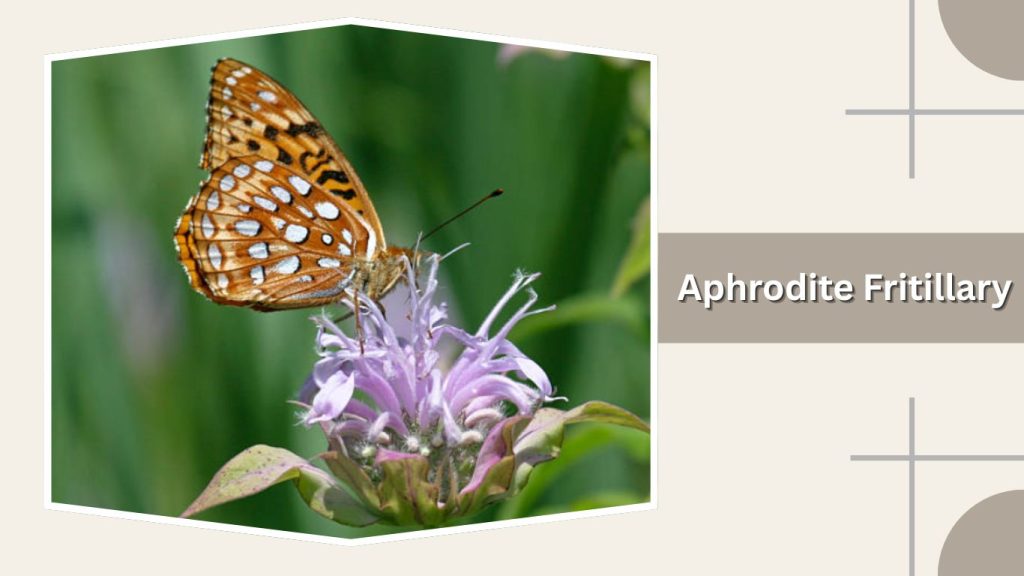
The Aphrodite Fritillary is a medium-sized orange butterfly commonly found across grasslands and open woodlands in North America. It is admired for its bright coloration, elegant silver wing spots, and smooth gliding flight. This butterfly is especially active during summer when wildflowers are abundant. Its strong connection to violet plants makes healthy meadows and natural fields important for maintaining stable populations in the wild.
Identification
- Bright orange wings marked with black spots
- Large silver spots visible beneath the hindwings
- Wings have slightly scalloped outer edges
- Females are generally darker than males
- Wingspan measures around 2.5 to 3.5 inches
Habitat
Aphrodite Fritillaries prefer open meadows, prairies, woodland edges, and grassy clearings. They are often found in sunny locations filled with wildflowers and low vegetation. Habitats containing violets are especially valuable because these plants provide food for developing caterpillars during their early growth stages.
Diet
Adult butterflies feed on nectar from flowers such as milkweed, thistles, coneflowers, and blazing stars. Caterpillars feed mainly on violet leaves after emerging in spring. Nectar-rich flowers support adult energy needs, while violets remain essential for successful reproduction and caterpillar survival.
Behavior
The Aphrodite Fritillary is a graceful and active butterfly that spends much of the day flying between flowers. Males patrol open areas searching for females, while females stay closer to vegetation and host plants. Adults are most active during warm sunny weather and frequently rest while feeding on nectar.
Life Cycle
Females lay eggs near violet plants during late summer. Newly hatched caterpillars enter a resting stage through winter before feeding in spring. After several growth stages, the caterpillar forms a chrysalis attached to vegetation. Adult butterflies later emerge during the warmer months and continue the breeding cycle.
9. Atlantis Fritillary
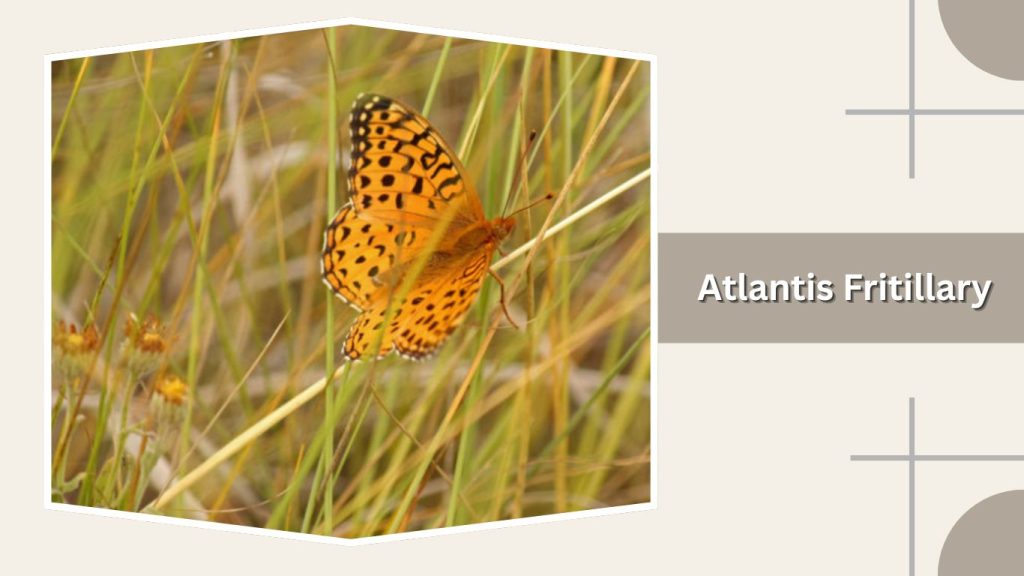
The Atlantis Fritillary is a dark-colored orange butterfly commonly found in cooler regions of North America. It is especially associated with forests, mountain meadows, and moist woodland habitats. This butterfly is known for its striking silver spots and deep wing coloration that distinguish it from many other fritillary species. During summer, adults are often seen gliding through sunny clearings while searching for nectar-rich flowers.
Identification
- Dark orange wings with bold black markings
- Underside of hindwings contains bright silver spots
- Wings have dark borders with lighter orange centers
- Females are usually slightly larger than males
- Wingspan ranges from 2 to 3 inches
Habitat
Atlantis Fritillaries prefer cool forests, mountain meadows, bogs, and woodland edges. They are most commonly found in moist habitats where violets and flowering plants grow in abundance. Northern woodlands and higher elevations provide ideal conditions for this butterfly throughout the summer season.
Diet
Adult butterflies feed on nectar from flowers such as milkweed, joe-pye weed, asters, and thistles. Caterpillars feed mainly on violet leaves, which are necessary for their growth and survival. Access to flowering plants supports adult activity, while host plants ensure successful caterpillar development.
Behavior
The Atlantis Fritillary is an active butterfly with a smooth and steady flight pattern. Adults often travel through woodland openings and sunny meadows while feeding on flowers. Males patrol territories in search of females, while females remain closer to vegetation where suitable egg-laying sites are available.
Life Cycle
Females lay eggs near violet plants during late summer. After hatching, the small caterpillars enter a dormant stage through winter before beginning to feed in spring. The caterpillars later form a chrysalis attached to vegetation, and adult butterflies emerge during the warmer months of the year.
10. Purple Lesser Fritillary
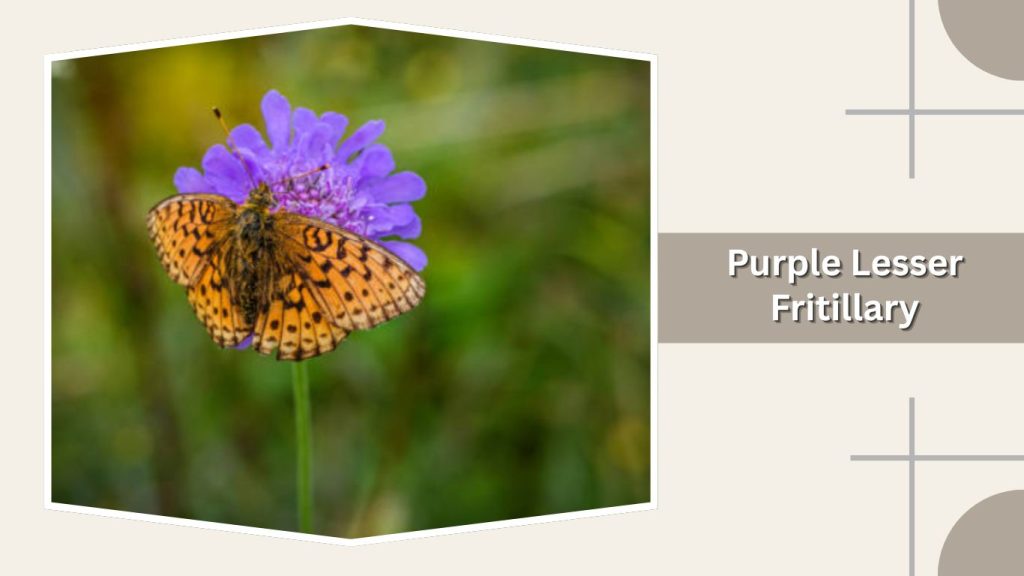
The Purple Lesser Fritillary is a colorful butterfly known for its rich orange wings and subtle purplish tones on the underside. It is found in grassy habitats, forest edges, and open countryside across parts of Europe and Asia. This butterfly is admired for its elegant appearance and active daytime behavior. During warm months, adults are frequently seen visiting flowers and gliding across sunny meadows in search of nectar.
Identification
- Orange wings marked with dark black spots
- Purplish shading visible on the underside of the wings
- Rounded wings with delicate checkered patterns
- Silver and pale markings beneath the hindwings
- Wingspan usually measures between 1.5 and 2.5 inches
Habitat
Purple Lesser Fritillaries prefer open grasslands, flower-rich meadows, woodland edges, and lightly wooded hillsides. They thrive in sunny habitats where nectar plants and host plants grow naturally. Areas with low vegetation and seasonal wildflowers provide the best conditions for feeding and reproduction.
Diet
Adult butterflies feed on nectar from flowers such as thistles, knapweed, clover, and wild asters. Caterpillars mainly feed on violet leaves and other low-growing plants. The availability of flowering plants supports adult activity, while healthy host plants are essential for successful caterpillar growth.
Behavior
The Purple Lesser Fritillary is an active butterfly that spends much of the day moving between flowers in sunny weather. Adults often glide low over grassy areas and rest briefly while feeding. Males patrol open habitats searching for females, while females stay closer to vegetation suitable for egg laying.
Life Cycle
Females lay eggs near suitable host plants during the breeding season. After hatching, the caterpillars begin feeding on nearby leaves and continue developing through several growth stages. The caterpillar later forms a chrysalis attached to vegetation, and the adult butterfly emerges after completing metamorphosis.
11. Queen of Spain Fritillary
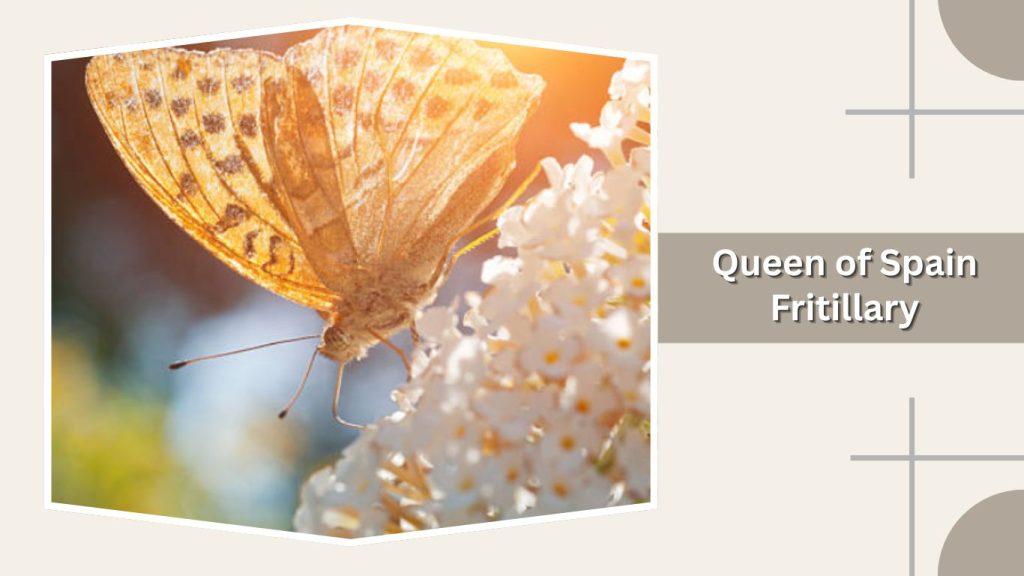
The Queen of Spain Fritillary is a beautiful butterfly widely distributed across Europe, North Africa, and parts of Asia. It is admired for its bright orange wings, black markings, and striking silver spots underneath the wings. This species prefers warm sunny habitats filled with wildflowers and open vegetation. Its fast flight and colorful appearance make it one of the most recognizable fritillary butterflies in its range.
Identification
- Orange wings decorated with black spots and streaks
- Large silver spots visible on the underside of the hindwings
- Forewings are slightly pointed in shape
- Thin pale bands appear beneath the wings
- Wingspan measures around 1.5 to 2.5 inches
Habitat
Queen of Spain Fritillaries prefer dry grasslands, open fields, woodland edges, and flower-rich meadows. They are especially common in warm environments with abundant nectar sources and low vegetation. Sunny habitats containing violets and other host plants provide suitable conditions for breeding and caterpillar development.
Diet
Adult butterflies feed on nectar from flowers such as thistles, lavender, clover, and knapweed. Caterpillars mainly feed on violet leaves and related low-growing plants. Flowering plants provide adults with energy, while host plants support caterpillar growth during the early stages of life.
Behavior
The Queen of Spain Fritillary is a fast and energetic butterfly often seen flying rapidly across open landscapes. Adults frequently visit flowers during sunny weather and may travel long distances while searching for nectar. Males actively patrol territories, while females focus on locating suitable host plants for egg laying.
Life Cycle
Females lay eggs near violet plants during the breeding season. After hatching, caterpillars feed on nearby leaves and continue developing through several stages. The caterpillar later forms a chrysalis attached to vegetation, and the adult butterfly emerges after completing its transformation into maturity.
12. High Brown Fritillary
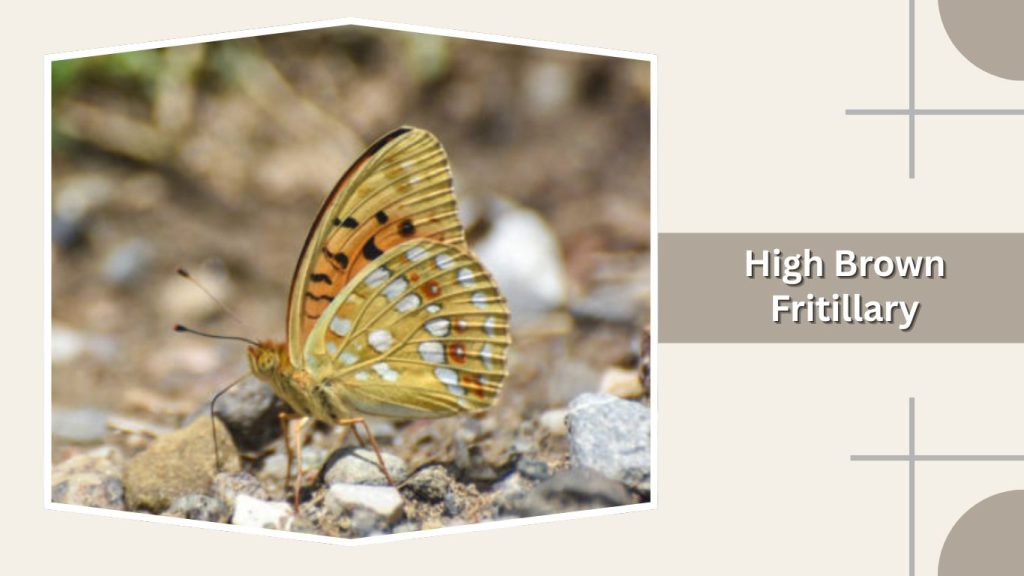
The High Brown Fritillary is a large and rare butterfly found mainly in parts of Europe. It is recognized for its vivid orange wings, dark markings, and rapid flight across open landscapes. This species depends heavily on suitable woodland habitats and violets for survival. Because of habitat decline, the butterfly has become an important focus of conservation efforts in several regions where its populations have decreased significantly.
Identification
- Bright orange wings with bold black markings
- Underside of hindwings features silver and brown patterns
- Wings are broad with slightly scalloped edges
- Fast and powerful flight compared to smaller fritillaries
- Wingspan ranges from 2.2 to 3 inches
Habitat
High Brown Fritillaries prefer sunny woodland clearings, bracken-covered hillsides, rough grasslands, and open forest edges. They thrive in warm habitats where violets grow among low vegetation. Areas with a mix of sunlight, shelter, and nectar-rich flowers provide ideal conditions for feeding and breeding.
Diet
Adult butterflies feed on nectar from flowers such as thistles, bramble blossoms, knapweed, and wildflowers. Caterpillars feed mainly on violet leaves during their development. The presence of healthy violet populations is essential because the caterpillars rely heavily on these plants for successful growth.
Behavior
The High Brown Fritillary is known for its swift and energetic flight pattern. Adults are active during warm sunny weather and often move quickly between flowers and open clearings. Males patrol territories searching for females, while females spend more time near suitable vegetation where eggs can be safely laid.
Life Cycle
Females lay eggs near violet plants during summer. After hatching, the small caterpillars enter a resting stage through winter before beginning to feed in spring. The caterpillars grow through several stages before forming a chrysalis hidden among vegetation. Adult butterflies later emerge during the warmer months.
13. Dark Green Fritillary
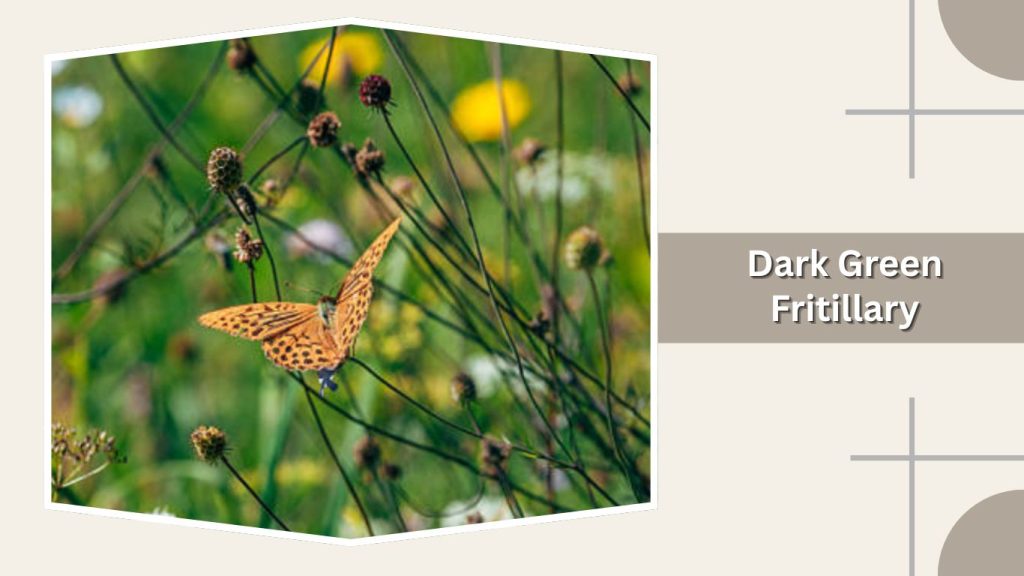
The Dark Green Fritillary is a large and fast-flying butterfly commonly found across Europe and parts of Asia. It is known for its bright orange wings, strong flight, and greenish underside covered with silver spots. This butterfly thrives in open countryside and flower-rich grasslands during summer. Its energetic behavior and striking appearance make it one of the most recognizable fritillary species in natural meadow habitats.
Identification
- Bright orange upper wings with black spots
- Underside of hindwings appears greenish with silver spots
- Broad wings with slightly scalloped edges
- Strong and rapid flight pattern
- Wingspan usually ranges from 2.5 to 3 inches
Habitat
Dark Green Fritillaries prefer open meadows, coastal grasslands, hillsides, woodland clearings, and flower-rich fields. They are most common in sunny habitats with abundant nectar plants and violets. Warm environments with low vegetation provide suitable areas for feeding, breeding, and resting during active periods.
Diet
Adult butterflies feed on nectar from flowers such as thistles, knapweed, clover, and bramble blossoms. Caterpillars feed mainly on violet leaves after emerging from winter dormancy. Access to both nectar-rich flowers and healthy violet plants is important for maintaining stable butterfly populations.
Behavior
The Dark Green Fritillary is an active and powerful flier that moves quickly across open landscapes. Adults spend much of the day feeding on flowers and searching for mates during warm sunny weather. Males patrol wide territories, while females remain closer to vegetation suitable for laying eggs.
Life Cycle
Females lay eggs near violet plants during late summer. After hatching, the tiny caterpillars enter a dormant stage through winter before feeding in spring. The caterpillars grow through several stages before forming a chrysalis hidden among vegetation. Adult butterflies later emerge during the summer season.
14. Pearl-bordered Fritillary
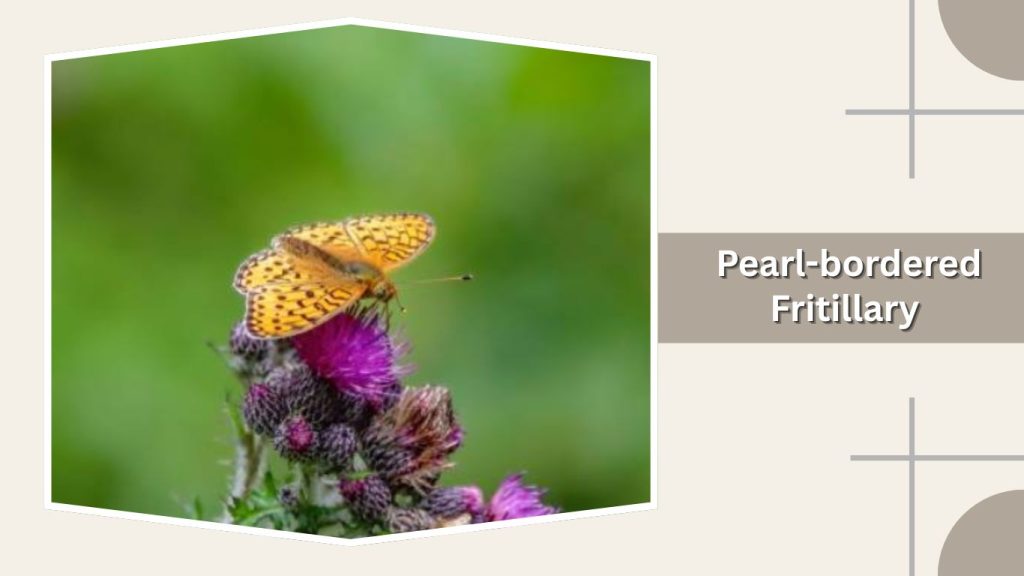
The Pearl-bordered Fritillary is a small orange butterfly found in parts of Europe and Asia. It is named for the row of pale pearl-like spots along the edges of the underside of its wings. This butterfly prefers sunny woodland clearings and grassy habitats filled with wildflowers. Its delicate appearance, quick flight, and dependence on healthy natural habitats make it an important species for conservation in many regions.
Identification
- Orange wings covered with black spots and markings
- Underside of hindwings displays pearl-like pale spots
- Smaller size compared to many fritillary species
- Wings have rounded edges with fine patterns
- Wingspan ranges from 1.5 to 2 inches
Habitat
Pearl-bordered Fritillaries prefer woodland clearings, grasslands, heathlands, and open forest edges. They thrive in sunny habitats with low vegetation and plenty of flowering plants. Areas containing violets are especially important because these plants provide food for the developing caterpillars.
Diet
Adult butterflies feed on nectar from flowers such as bugle, buttercups, dandelions, and thistles. Caterpillars feed mainly on violet leaves during their growth stages. The presence of healthy wildflowers and host plants supports both adult feeding activity and successful caterpillar development.
Behavior
The Pearl-bordered Fritillary is a quick and active butterfly often seen flying low over grassy areas in warm sunlight. Adults frequently pause to bask on leaves or feed on flowers. Males patrol open habitats searching for females, while females remain near suitable vegetation for egg laying.
Life Cycle
Females lay eggs close to violet plants during the breeding season. After hatching, the caterpillars feed on nearby leaves and continue growing through several stages. The caterpillar later forms a chrysalis hidden among vegetation, and the adult butterfly emerges after completing metamorphosis.
15. Small Pearl-bordered Fritillary
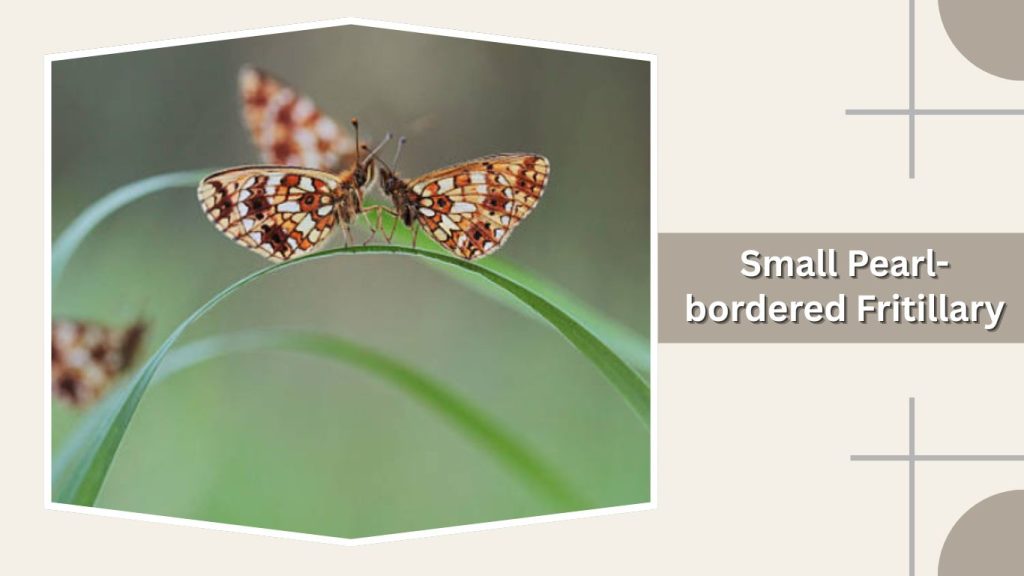
The Small Pearl-bordered Fritillary is a delicate orange butterfly commonly found in damp grasslands and woodland clearings across Europe and Asia. It closely resembles the Pearl-bordered Fritillary but is slightly smaller and has more distinct markings underneath the wings. This butterfly is active during late spring and summer, often visiting wildflowers in sunny habitats where violets and low vegetation are plentiful.
Identification
- Orange wings marked with black spots and lines
- Underside of hindwings contains small pearl-like silver spots
- Smaller body size than many other fritillary species
- Wings have rounded edges with detailed patterns
- Wingspan usually ranges from 1.5 to 2.3 inches
Habitat
Small Pearl-bordered Fritillaries prefer damp meadows, woodland rides, marshy grasslands, and open forest clearings. They thrive in sunny areas with abundant wildflowers and low-growing vegetation. Habitats containing violets are especially important because they provide food for caterpillars during development.
Diet
Adult butterflies feed on nectar from flowers such as bugle, buttercups, thistles, and marsh violets. Caterpillars feed mainly on violet leaves and related low plants. Nectar-rich flowers support adult activity, while healthy violet populations are essential for successful breeding and caterpillar survival.
Behavior
The Small Pearl-bordered Fritillary is an active butterfly with a rapid and fluttering flight pattern. Adults are commonly seen flying low over vegetation during warm sunny weather. Males patrol open areas searching for females, while females stay closer to suitable host plants for laying eggs.
Life Cycle
Females lay eggs near violet plants during the breeding season. After hatching, the caterpillars begin feeding on nearby leaves before entering later growth stages. The caterpillar eventually forms a chrysalis hidden among vegetation, and the adult butterfly emerges after completing metamorphosis.
16. Two-banded Fritillary
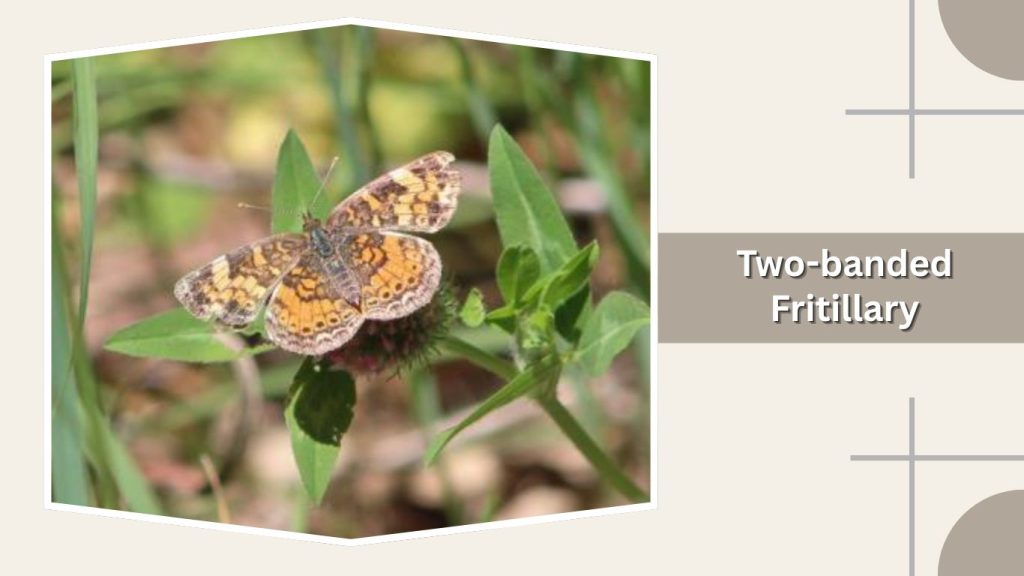
The Two-banded Fritillary is a medium-sized butterfly native to parts of western North America. It is admired for its bright orange coloration and the distinctive pale bands visible beneath its wings. This butterfly is commonly found in mountain meadows, forest openings, and flower-rich grasslands during summer. Its graceful flight and attractive wing patterns make it a noticeable species in high-elevation natural habitats.
Identification
- Orange wings covered with black spots and markings
- Two pale bands visible on the underside of the hindwings
- Wings are broad with rounded edges
- Underside contains silver and cream-colored markings
- Wingspan ranges from 2 to 3 inches
Habitat
Two-banded Fritillaries prefer mountain meadows, open woodlands, forest clearings, and grassy slopes. They are most common in cool environments with abundant wildflowers and low vegetation. Habitats containing violets are especially important because these plants support caterpillar growth and development.
Diet
Adult butterflies feed on nectar from flowers such as thistles, asters, mountain wildflowers, and clover. Caterpillars feed mainly on violet leaves after emerging from winter dormancy. Flower-rich habitats provide adults with energy, while healthy host plants are necessary for successful reproduction.
Behavior
The Two-banded Fritillary is an active butterfly that flies smoothly through open meadows and forest edges during sunny weather. Adults often rest on flowers while feeding and basking in sunlight. Males patrol territories in search of females, while females stay near suitable vegetation for laying eggs.
Life Cycle
Females lay eggs near violet plants during late summer. After hatching, the tiny caterpillars enter a dormant stage throughout winter before feeding in spring. The caterpillars later form a chrysalis attached to vegetation, and adult butterflies emerge during the warm summer months.
17. Mormon Fritillary
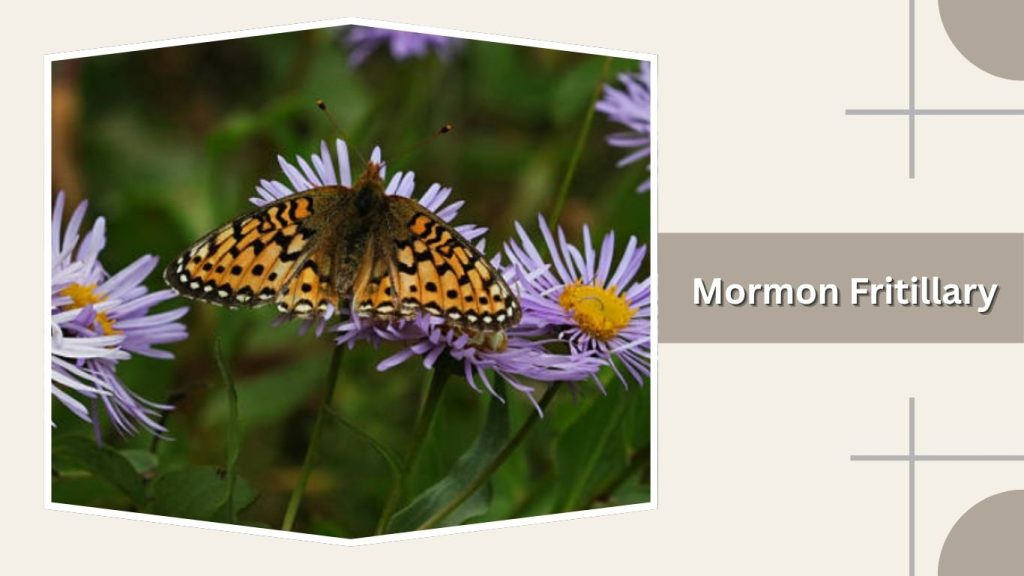
The Mormon Fritillary is a colorful butterfly found mainly in western North America, especially in mountainous and open meadow habitats. It is known for its orange wings, bold black markings, and silver spots beneath the wings. This species thrives in cooler environments with abundant wildflowers and host plants. Its active flight and bright appearance make it a familiar butterfly in alpine and grassland ecosystems during summer.
Identification
- Bright orange wings with black spots and streaks
- Silver markings visible on the underside of the hindwings
- Broad wings with slightly scalloped edges
- Females are usually larger and darker than males
- Wingspan measures around 2 to 3 inches
Habitat
Mormon Fritillaries prefer mountain meadows, grassy slopes, forest clearings, and open woodland habitats. They are commonly found in cool sunny areas with plentiful wildflowers and low vegetation. Habitats containing violets are especially important because these plants provide food for developing caterpillars.
Diet
Adult butterflies feed on nectar from flowers such as thistles, asters, clover, and mountain wildflowers. Caterpillars feed mainly on violet leaves after emerging from winter dormancy. Access to nectar-rich flowers and healthy host plants is necessary for the survival and reproduction of this butterfly species.
Behavior
The Mormon Fritillary is an energetic butterfly with a smooth and active flight pattern. Adults spend much of the day feeding on flowers and moving through open meadows during sunny weather. Males patrol territories searching for females, while females remain near suitable vegetation for laying eggs.
Life Cycle
Females lay eggs near violet plants during the breeding season. After hatching, the tiny caterpillars enter a dormant stage through winter before feeding in spring. The caterpillars grow through several stages before forming a chrysalis, and adult butterflies emerge during the warmer summer months.
FAQs
What do fritillary butterflies eat?
Most fritillary butterflies feed on flower nectar as adults. Common nectar sources include thistles, milkweed, clover, asters, and wildflowers. Their caterpillars usually feed on violet leaves, which are essential for growth and development during the early stages of life.
Where are fritillary butterflies commonly found?
Fritillary butterflies are commonly found in meadows, grasslands, woodland clearings, mountain slopes, and open sunny habitats. Different species live in North America, Europe, Asia, and tropical regions depending on climate, vegetation, and the availability of host plants.
How can you identify a fritillary butterfly?
Fritillary butterflies are usually identified by their bright orange wings with black markings and silver spots beneath the hindwings. Many species also have scalloped wing edges and fast, graceful flight patterns that make them easy to recognize in natural habitats.
Why are violet plants important to fritillary butterflies?
Violet plants are important because many fritillary caterpillars feed almost entirely on their leaves. Without violets, caterpillars cannot properly grow and complete their life cycle. Healthy violet populations are necessary for maintaining stable fritillary butterfly numbers in the wild.
Are fritillary butterflies endangered?
Some fritillary species are considered threatened or endangered because of habitat loss, climate change, pesticide use, and declining wildflower populations. Species that depend on specialized habitats, such as prairies or wetlands, are especially vulnerable to environmental changes and habitat destruction.