
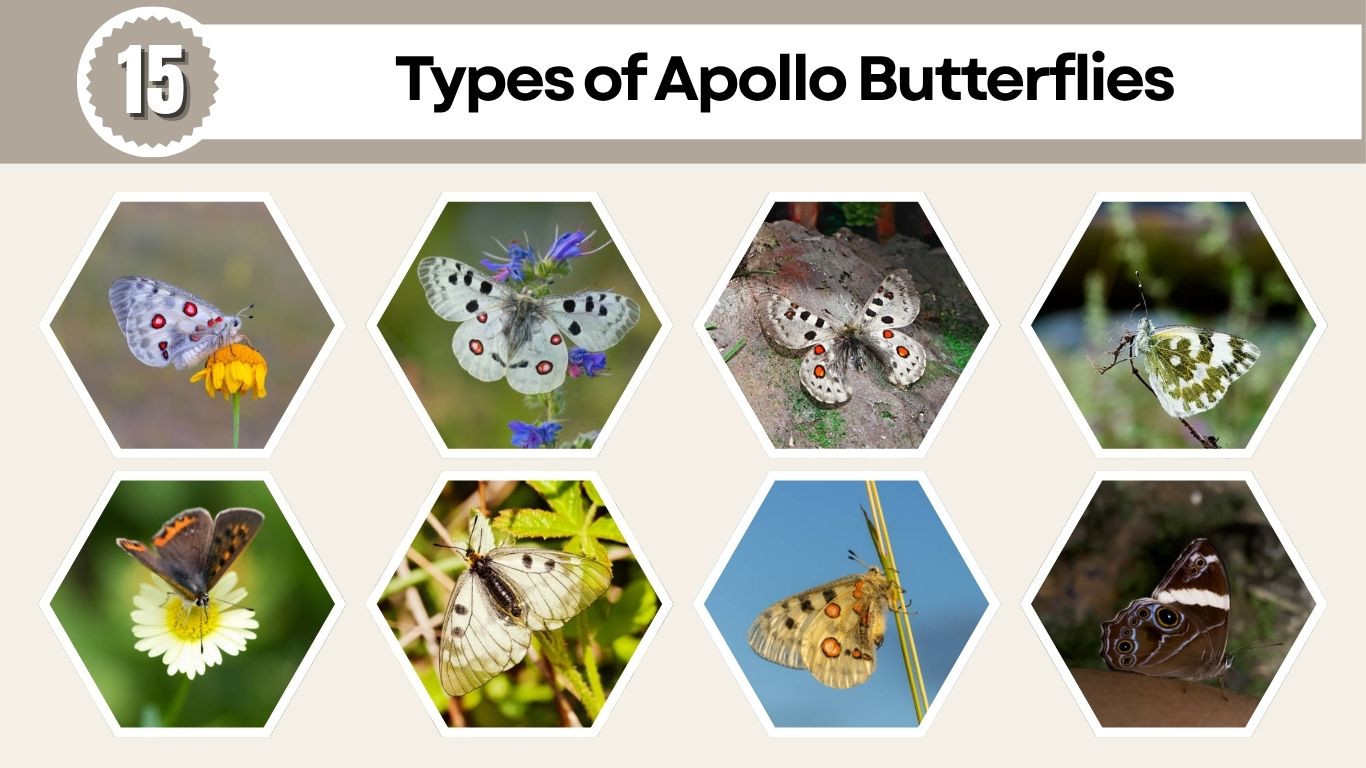
Apollo butterflies are among the most beautiful and distinctive butterflies found in mountainous and cold regions. Known for their white wings with bold black spots and red eye-like markings, these butterflies are well adapted to high-altitude environments. They play an important role in pollination and are often considered indicators of a healthy ecosystem. Despite their beauty, many species face threats from habitat loss and climate change. In this guide, you will explore 15 types of Apollo butterflies, along with their key features, habitats, behavior, and lifecycle.
1. Apollo Butterfly
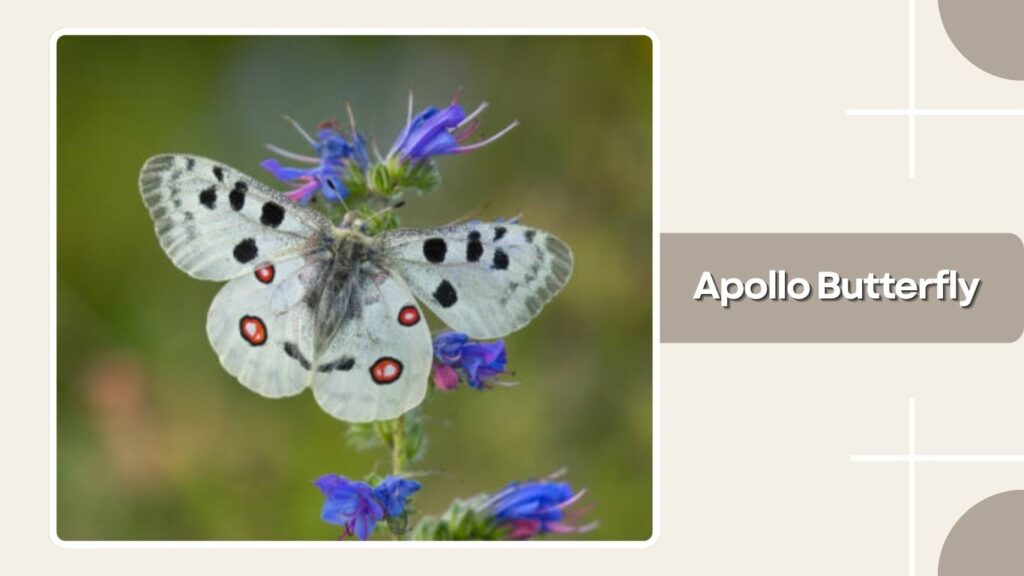
The Apollo butterfly is a striking and well-known species found in mountainous regions. It is admired for its delicate white wings marked with bold black spots and distinctive red eye-like markings. This butterfly is sensitive to environmental changes, making it an important indicator of ecosystem health. It prefers cool climates and is often associated with alpine landscapes.
Identification
- White wings with black spots
- Distinct red eye-like markings on hindwings
- Transparent wing edges in some individuals
- Medium to large wing size
- Fuzzy, dark-colored body
- Wingspan typically 65–90 mm
Habitat and Distribution
Apollo butterflies are mainly found in mountainous areas across Europe and parts of Asia. They prefer alpine meadows, rocky slopes, and grasslands at higher elevations. These habitats provide the cool temperatures and specific host plants needed for their survival. They are often seen in sunny, open areas where flowers are abundant.
Behavior and Diet
Apollo butterflies are active during the day and are commonly seen flying slowly over open terrain. They feed on nectar from a variety of flowering plants. Their flight is gentle and gliding, allowing them to move easily across mountainous landscapes. They rely on specific host plants for laying eggs, which are essential for larval development.
Lifecycle
The lifecycle of the Apollo butterfly includes egg, larva, pupa, and adult stages. Eggs are laid on or near host plants, and the larvae feed on these plants after hatching. The caterpillar eventually forms a chrysalis, where it undergoes transformation. Adult butterflies emerge during warmer months to feed and reproduce, continuing the cycle.
2. Mountain Apollo Butterfly
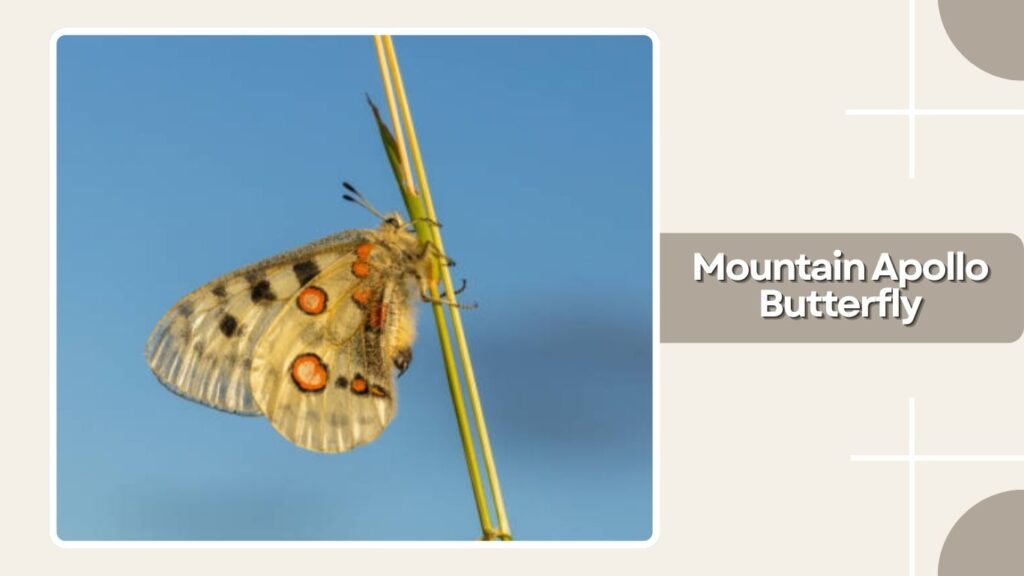
The Mountain Apollo butterfly is a beautiful high-altitude species closely related to the common Apollo. It thrives in rugged mountainous environments and is known for its resilience in cooler climates. With its pale wings and distinctive markings, it blends well into rocky landscapes. This butterfly is often seen fluttering over alpine meadows during warm, sunny days.
Identification
- Pale white or creamy wings
- Black spots scattered across wings
- Red or orange eye-like markings on hindwings
- Slightly smaller than the common Apollo
- Hairy, dark body
- Wingspan typically 60–85 mm
Habitat and Distribution
Mountain Apollo butterflies are found in high-altitude regions across Europe and parts of Asia. They prefer alpine meadows, rocky slopes, and mountainous grasslands. These areas provide cool temperatures and the specific plants needed for their lifecycle. They are usually seen in open, sunny spots where flowers grow abundantly.
Behavior and Diet
These butterflies are active during the day and are often seen gliding slowly in sunny weather. They feed on nectar from alpine flowers and are important pollinators in their ecosystems. Their flight is gentle, and they tend to stay close to the ground or near slopes. They rely on specific host plants for laying eggs.
Lifecycle
The lifecycle includes four stages: egg, larva, pupa, and adult. Eggs are laid near host plants, and the caterpillars feed on these plants after hatching. The larvae eventually form a chrysalis, where transformation occurs. Adult butterflies emerge during the warmer season to feed and reproduce.
3. Small Apollo Butterfly
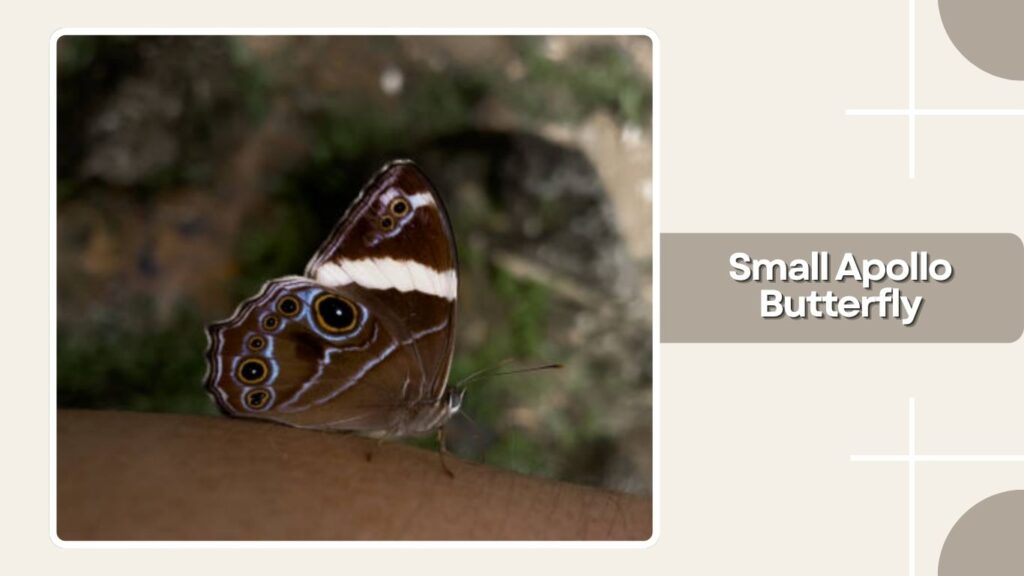
The Small Apollo butterfly is a more compact relative of the Apollo group, known for its delicate appearance and subtle markings. It inhabits cooler, mountainous regions and is often seen in open alpine environments. Despite its smaller size, it shares many features with other Apollo butterflies, including its preference for high-altitude habitats and specific host plants.
Identification
- Smaller body compared to other Apollo butterflies
- White or pale cream wings
- Fewer and lighter black spots
- Small red or orange eye-like markings on hindwings
- Thin, dark body with fine hairs
- Wingspan typically 55–75 mm
Habitat and Distribution
Small Apollo butterflies are found in mountainous regions across Europe and parts of Asia. They prefer alpine meadows, grassy slopes, and rocky terrains where the climate is cool. These environments provide the necessary host plants and nectar sources. They are often seen in sunny, open areas with low vegetation.
Behavior and Diet
These butterflies are active during the day and have a slow, fluttering flight. They feed on nectar from a variety of alpine flowers and contribute to pollination. Small Apollo butterflies tend to stay close to the ground and are often seen basking in the sun. They rely on specific plants for laying eggs and supporting their larvae.
Lifecycle
The lifecycle follows the typical butterfly stages: egg, larva, pupa, and adult. Eggs are laid near host plants, and the caterpillars feed on them after hatching. The larvae eventually pupate, forming a chrysalis. Adult butterflies emerge during the warmer months to feed and reproduce, continuing the cycle.
4. Clouded Apollo Butterfly
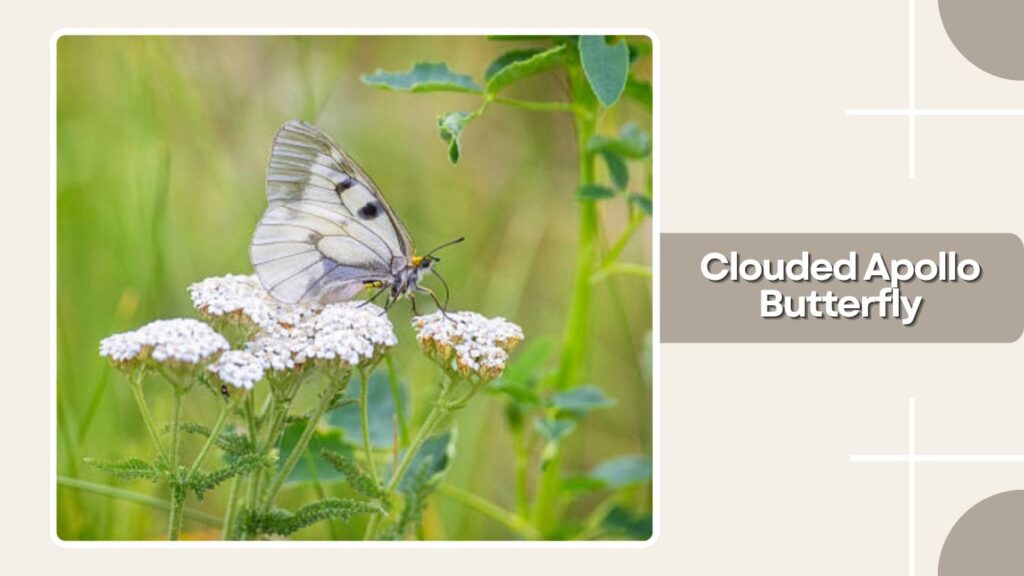
The Clouded Apollo butterfly is a striking species known for its soft, smoky wing patterns and adaptability to cooler climates. It is often found in mountainous and forested regions, where it thrives in open clearings. Compared to other Apollo butterflies, it has a more muted appearance, which helps it blend into its surroundings.
Identification
- Pale white to grayish wings
- Smoky or clouded patterns on wings
- Black spots with faint or reduced red markings
- Slightly translucent wing edges
- Slender, dark body
- Wingspan typically 60–80 mm
Habitat and Distribution
Clouded Apollo butterflies are found across parts of Europe and Asia, especially in mountainous and forest-edge habitats. They prefer cool, temperate climates with access to flowering plants and host vegetation. These butterflies are often seen in woodland clearings, alpine meadows, and grassy slopes.
Behavior and Diet
These butterflies are active during the day and are commonly seen flying in sunny patches within cooler environments. They feed on nectar from various flowers and play a role in pollination. Their flight is gentle and somewhat drifting, often staying near vegetation. They rely on specific host plants for reproduction.
Lifecycle
The lifecycle includes egg, larva, pupa, and adult stages. Eggs are laid near suitable host plants, and the larvae feed on these plants after hatching. The caterpillars later form a chrysalis, where they undergo transformation. Adult butterflies emerge during warmer periods to feed and reproduce.
5. Arctic Apollo Butterfly
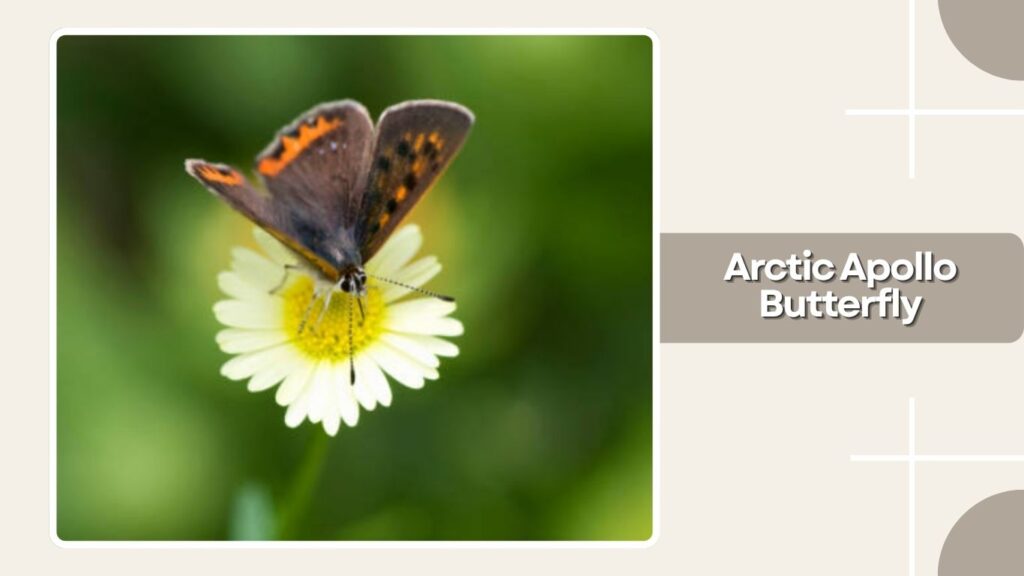
The Arctic Apollo butterfly is a cold-adapted species that thrives in some of the harshest environments. It is specially suited to life in high-altitude and northern regions, where temperatures are low and vegetation is limited. Despite these conditions, it survives by taking advantage of short summers and specific host plants. Its pale coloration helps it blend into rocky and snowy surroundings.
Identification
- Pale white or creamy wings
- Reduced or faint black markings
- Small or less prominent red spots
- Thick, fuzzy body for insulation
- Slightly smaller and compact build
- Wingspan typically 55–75 mm
Habitat and Distribution
Arctic Apollo butterflies are found in northern regions of Europe, Asia, and parts of the Arctic. They inhabit tundra, alpine zones, and rocky slopes where vegetation is sparse. These environments provide the specific plants needed for their lifecycle. They are usually seen during the short summer season when temperatures are suitable for activity.
Behavior and Diet
These butterflies are active during brief warm periods and are often seen basking in sunlight to maintain body temperature. They feed on nectar from hardy, cold-resistant flowers. Their flight is slow and close to the ground, helping them conserve energy in windy conditions. They rely on specific host plants for laying eggs.
Lifecycle
The lifecycle follows the standard stages of egg, larva, pupa, and adult. Eggs are laid near host plants, and larvae develop during the limited growing season. The pupal stage may last longer due to cold conditions. Adults emerge in summer, reproduce quickly, and ensure the continuation of the species.
6. Siberian Apollo Butterfly
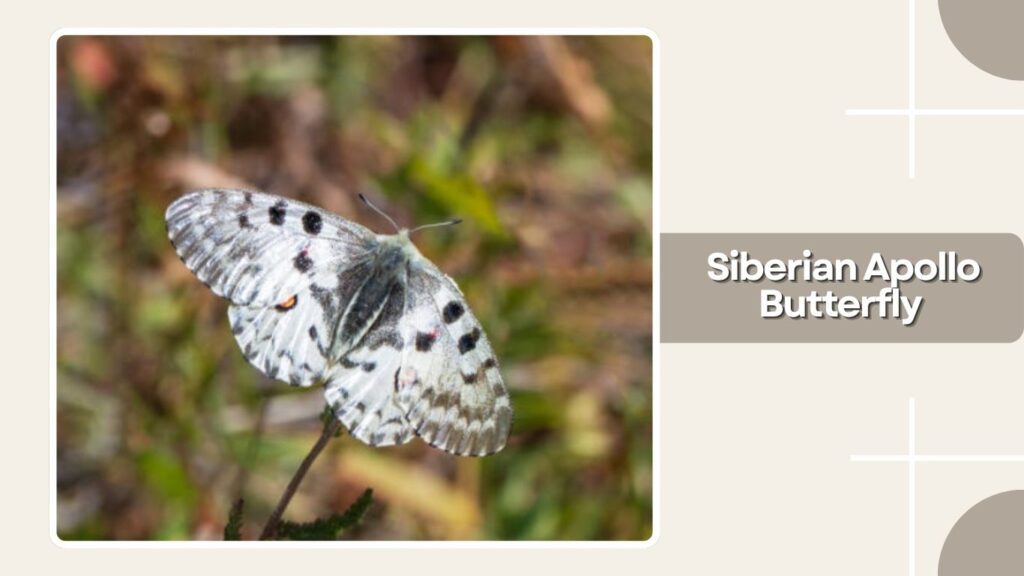
The Siberian Apollo butterfly is a hardy species adapted to cold and remote environments. It is commonly found in northern and high-altitude regions, where it survives in short summer seasons. This butterfly has a delicate yet resilient appearance, with patterns that help it blend into rocky landscapes. It is an important species for understanding how insects adapt to extreme climates.
Identification
- White to pale cream wings
- Distinct black spots across wings
- Small red or orange eye-like markings
- Slightly translucent wing edges
- Hairy, dark body for insulation
- Wingspan typically 60–85 mm
Habitat and Distribution
Siberian Apollo butterflies are found in northern Asia, especially across Siberia and nearby mountainous regions. They prefer cold habitats such as alpine meadows, rocky slopes, and tundra-like environments. These areas provide the necessary host plants and open spaces for flight. They are most active during short, warm periods in summer.
Behavior and Diet
These butterflies are active during daylight hours when temperatures are suitable. They often bask in the sun to warm up before flying. Their diet consists mainly of nectar from cold-resistant alpine flowers. They have a slow, gliding flight and tend to stay close to the ground to avoid strong winds and conserve energy.
Lifecycle
The lifecycle includes egg, larva, pupa, and adult stages. Eggs are laid near host plants, and larvae feed during the brief growing season. Development may take longer due to cold conditions. Adults emerge in summer, reproduce, and ensure the continuation of the species before the onset of harsh weather.
7. Alpine Apollo Butterfly
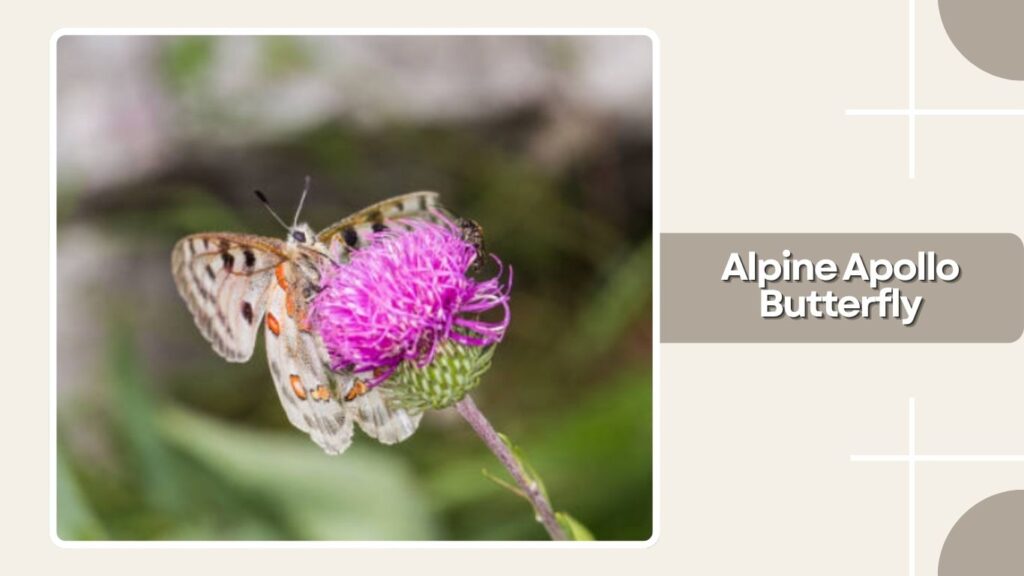
The Alpine Apollo butterfly is a mountain-dwelling species known for its graceful flight and adaptation to high elevations. It is commonly found in alpine regions, where it thrives in cool, open environments. This butterfly is admired for its delicate wing patterns and ability to survive in rugged terrain with limited vegetation.
Identification
- White or pale cream wings
- Bold black spots on forewings
- Red or orange eye-like markings on hindwings
- Slightly transparent wing edges
- Fuzzy, dark body
- Wingspan typically 60–85 mm
Habitat and Distribution
Alpine Apollo butterflies are found in mountainous regions across Europe, particularly in the Alps. They prefer alpine meadows, rocky slopes, and high-altitude grasslands. These habitats offer cool temperatures and the specific host plants needed for their lifecycle. They are often seen in sunny, open areas with abundant wildflowers.
Behavior and Diet
These butterflies are active during the day and are frequently seen gliding slowly over alpine landscapes. They feed on nectar from mountain flowers and contribute to pollination. Alpine Apollo butterflies often bask in the sun to regulate their body temperature and tend to stay close to the ground in windy conditions.
Lifecycle
The lifecycle follows four stages: egg, larva, pupa, and adult. Eggs are laid near host plants, and the larvae feed on them after hatching. The caterpillars eventually form a chrysalis, where transformation takes place. Adults emerge during warmer months, reproduce, and continue the cycle.
8. Caucasian Apollo Butterfly
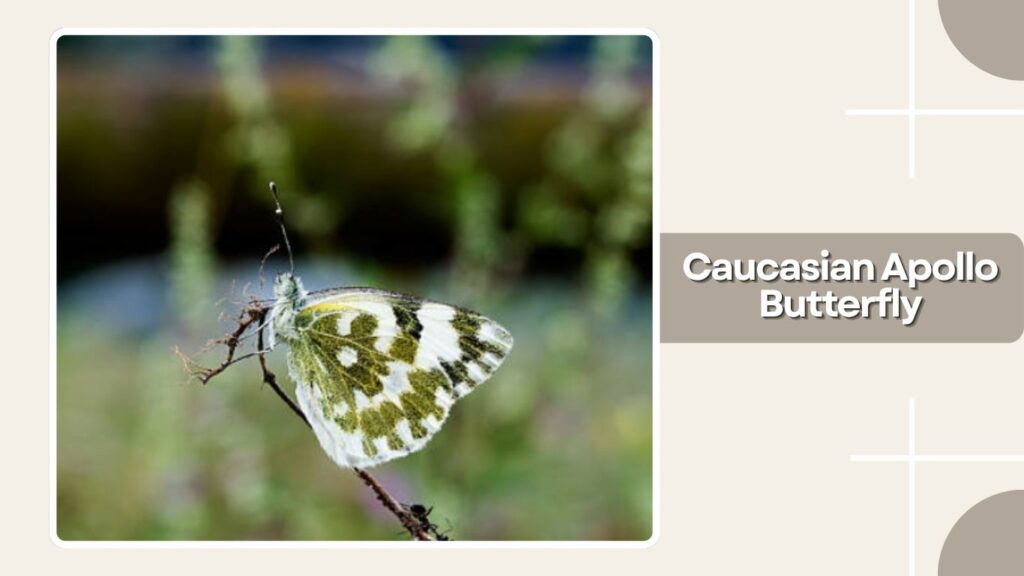
The Caucasian Apollo butterfly is a regional variety adapted to the mountainous landscapes of the Caucasus region. It is known for its elegant wing patterns and ability to survive in high-altitude environments. This butterfly is often seen in sunny, rocky areas where it blends well with its surroundings. Like other Apollo butterflies, it is sensitive to environmental changes.
Identification
- White to pale cream wings
- Distinct black spots on forewings
- Bright red eye-like markings on hindwings
- Slightly translucent wing edges
- Fuzzy, dark body
- Wingspan typically 60–85 mm
Habitat and Distribution
Caucasian Apollo butterflies are found in the Caucasus Mountains, spanning parts of Eastern Europe and Western Asia. They prefer alpine meadows, rocky slopes, and high-altitude grasslands. These habitats provide cool temperatures and the specific plants needed for feeding and reproduction. They are commonly seen in open, sunny areas with flowering plants.
Behavior and Diet
These butterflies are active during the day and are often observed gliding slowly over mountainous terrain. They feed on nectar from a variety of alpine flowers and help with pollination. Their flight is gentle, and they tend to stay close to the ground or sheltered areas to avoid strong winds.
Lifecycle
The lifecycle includes egg, larva, pupa, and adult stages. Eggs are laid near host plants, and the larvae feed on them after hatching. The caterpillars eventually pupate, forming a chrysalis. Adult butterflies emerge during warmer months to feed and reproduce, continuing the cycle.
9. Chinese Apollo Butterfly
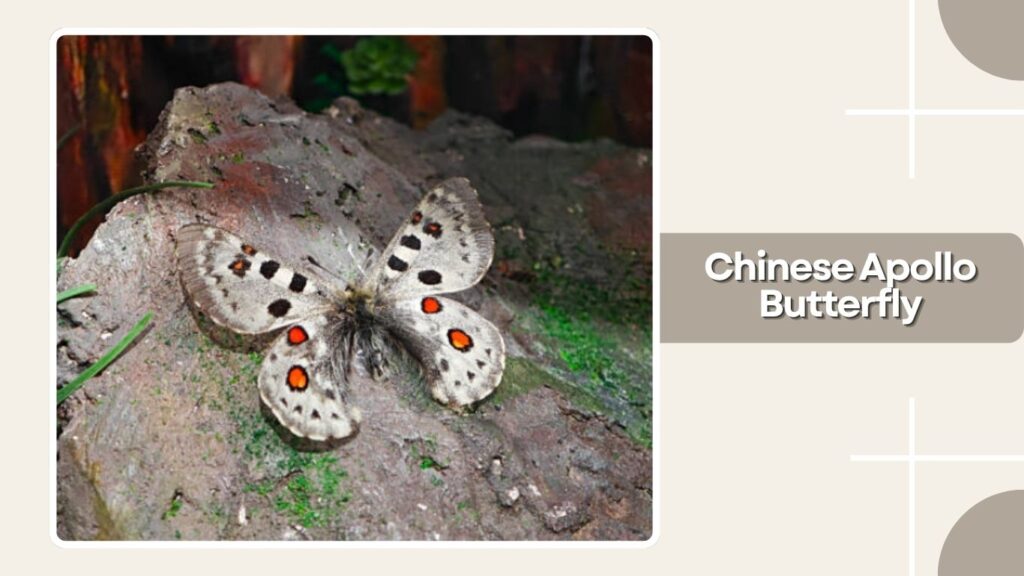
The Chinese Apollo butterfly is a beautiful species found in mountainous regions of East Asia. It is known for its delicate wing patterns and ability to thrive in cooler, high-altitude environments. This butterfly is often seen in open, sunny areas where it feeds on nectar and contributes to pollination. Like other Apollo butterflies, it is sensitive to habitat changes.
Identification
- White or pale cream wings
- Black spots on forewings
- Red or orange eye-like markings on hindwings
- Slightly translucent wing edges
- Hairy, dark-colored body
- Wingspan typically 60–85 mm
Habitat and Distribution
Chinese Apollo butterflies are found in mountainous regions of China and nearby areas. They prefer alpine meadows, rocky slopes, and high-altitude grasslands. These environments provide cool temperatures and the host plants needed for their lifecycle. They are usually seen in open, sunny habitats with plenty of flowering plants.
Behavior and Diet
These butterflies are active during the day and have a slow, graceful flight. They feed on nectar from a variety of mountain flowers and play a role in pollination. They often bask in the sun to regulate body temperature and tend to remain close to the ground in windy conditions.
Lifecycle
The lifecycle includes egg, larva, pupa, and adult stages. Eggs are laid near host plants, and larvae feed on them after hatching. The caterpillars eventually form a chrysalis, where they undergo transformation. Adult butterflies emerge during warmer months to feed and reproduce, continuing the cycle.
10. Himalayan Apollo Butterfly
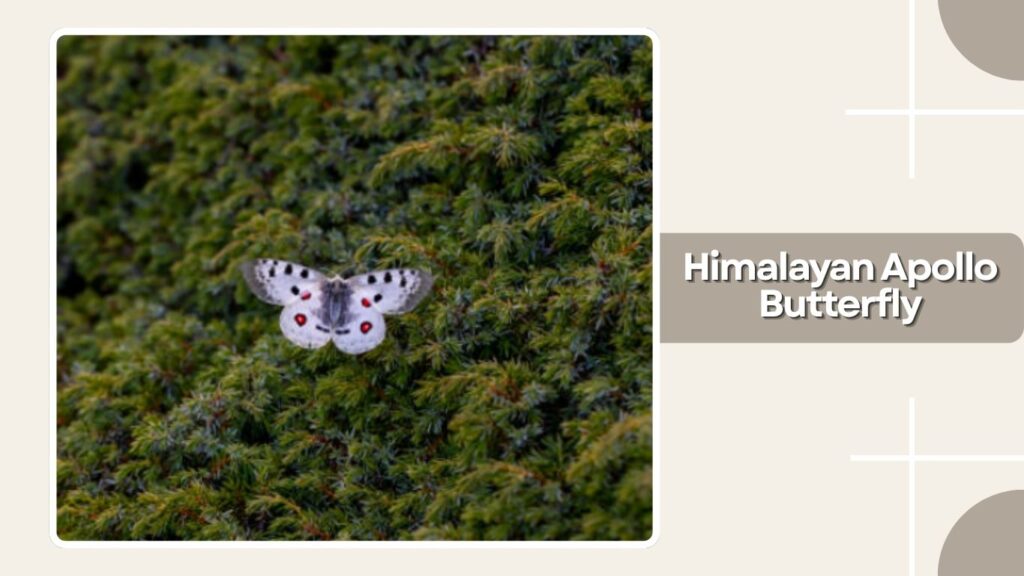
The Himalayan Apollo butterfly is a high-altitude species adapted to the rugged and cold environments of the Himalayan region. It is known for its striking wing patterns and ability to survive in thin air and cooler temperatures. This butterfly is often seen gliding over rocky slopes and alpine meadows during short summer seasons.
Identification
- White or pale cream wings
- Bold black spots on forewings
- Prominent red eye-like markings on hindwings
- Slightly translucent wing edges
- Thick, fuzzy body for insulation
- Wingspan typically 65–90 mm
Habitat and Distribution
Himalayan Apollo butterflies are found in the Himalayan mountain range, including regions of India, Nepal, Bhutan, and Tibet. They prefer alpine meadows, rocky slopes, and high-altitude grasslands. These habitats provide cool temperatures and specific host plants needed for survival. They are usually seen in open, sunny areas during warmer months.
Behavior and Diet
These butterflies are active during the day and are often seen basking in sunlight to warm their bodies. They have a slow, gliding flight and tend to stay close to the ground to avoid strong winds. Their diet consists mainly of nectar from alpine flowers, and they contribute to pollination in their ecosystems.
Lifecycle
The lifecycle includes egg, larva, pupa, and adult stages. Eggs are laid near host plants, and larvae feed on them after hatching. Due to cold conditions, development may take longer. The caterpillars eventually pupate, and adults emerge during the brief summer season to reproduce and continue the cycle.
11. Japanese Apollo Butterfly
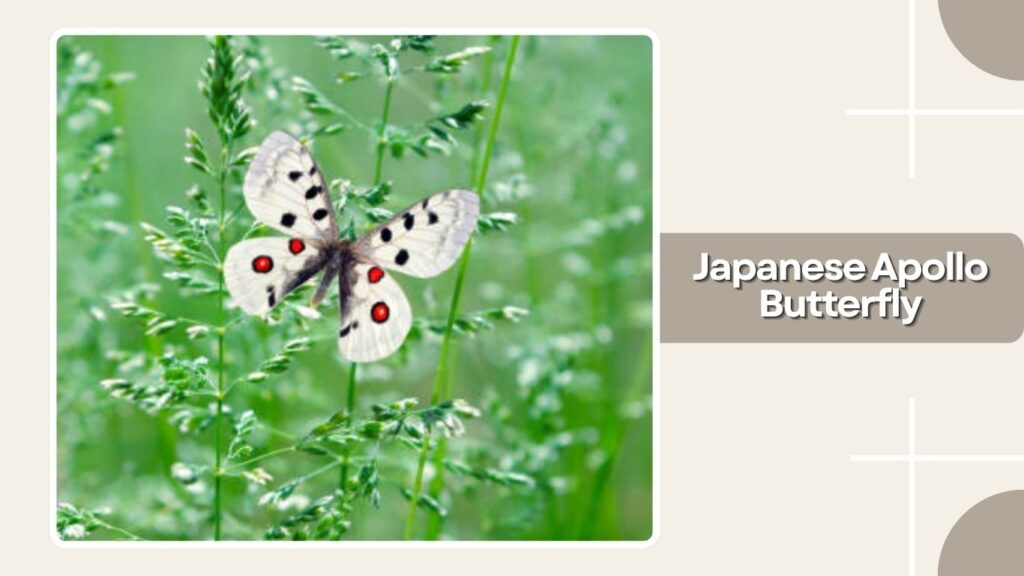
The Japanese Apollo butterfly is a regional species known for its elegant appearance and adaptation to mountainous environments in Japan. It thrives in cool climates and is often associated with alpine and subalpine habitats. This butterfly is admired for its delicate wing patterns and plays a role in pollination within its ecosystem.
Identification
- White or pale cream wings
- Distinct black spots on forewings
- Red or orange eye-like markings on hindwings
- Slightly translucent wing edges
- Fuzzy, dark body
- Wingspan typically 60–85 mm
Habitat and Distribution
Japanese Apollo butterflies are found mainly in mountainous regions of Japan. They prefer alpine meadows, forest edges, and rocky slopes where temperatures remain cool. These habitats provide the necessary host plants and nectar sources. They are commonly seen in open, sunny areas with flowering vegetation.
Behavior and Diet
These butterflies are active during the day and are often seen gliding slowly over mountain landscapes. They feed on nectar from a variety of flowers and contribute to pollination. Their flight is gentle, and they tend to stay close to the ground, especially in windy conditions.
Lifecycle
The lifecycle includes egg, larva, pupa, and adult stages. Eggs are laid near host plants, and larvae feed on them after hatching. The caterpillars eventually form a chrysalis, where transformation occurs. Adult butterflies emerge during warmer months to feed and reproduce, continuing the cycle.
12. Tibetan Apollo Butterfly
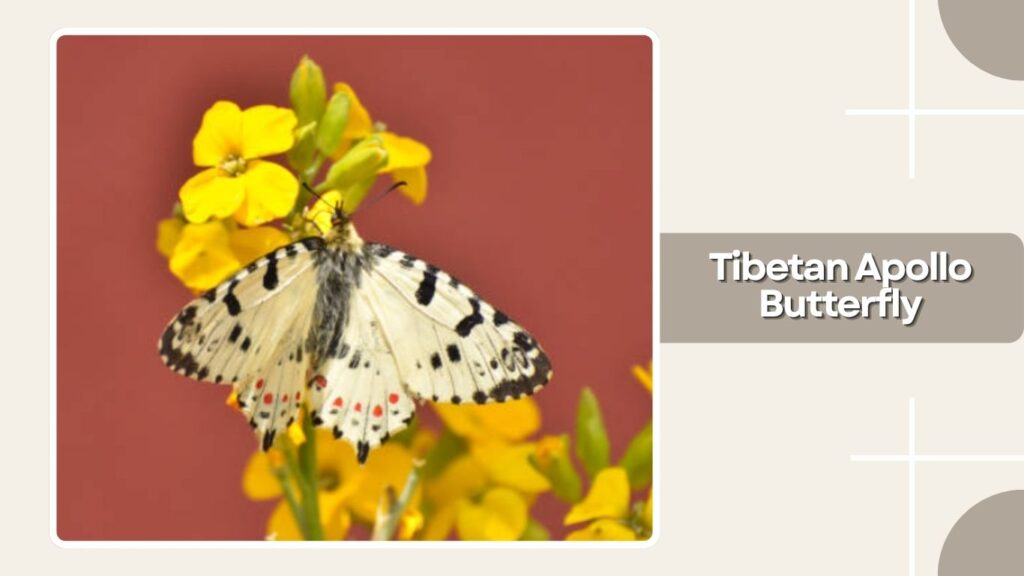
The Tibetan Apollo butterfly is a high-altitude species adapted to the cold, dry environments of the Tibetan Plateau. It is known for its resilience and ability to survive in harsh conditions with limited vegetation. This butterfly is often seen in open, rocky landscapes where it takes advantage of short warm periods to feed and reproduce.
Identification
- Pale white or cream-colored wings
- Black spots scattered across wings
- Red or orange eye-like markings on hindwings
- Slightly translucent wing edges
- Thick, hairy body for insulation
- Wingspan typically 60–85 mm
Habitat and Distribution
Tibetan Apollo butterflies are found across the Tibetan Plateau and surrounding mountainous regions. They inhabit alpine meadows, rocky slopes, and high-altitude grasslands. These areas provide cool temperatures and the specific host plants required for their lifecycle. They are most active during the short summer season.
Behavior and Diet
These butterflies are active during warm daylight hours and often bask in the sun to maintain body temperature. Their flight is slow and close to the ground, helping them conserve energy in windy conditions. They feed mainly on nectar from alpine flowers and contribute to pollination in their ecosystem.
Lifecycle
The lifecycle includes egg, larva, pupa, and adult stages. Eggs are laid near host plants, and larvae feed on them after hatching. Development may be slower due to cold conditions. The caterpillars eventually pupate, and adults emerge during the brief summer to reproduce and continue the cycle.
13. Northern Apollo Butterfly
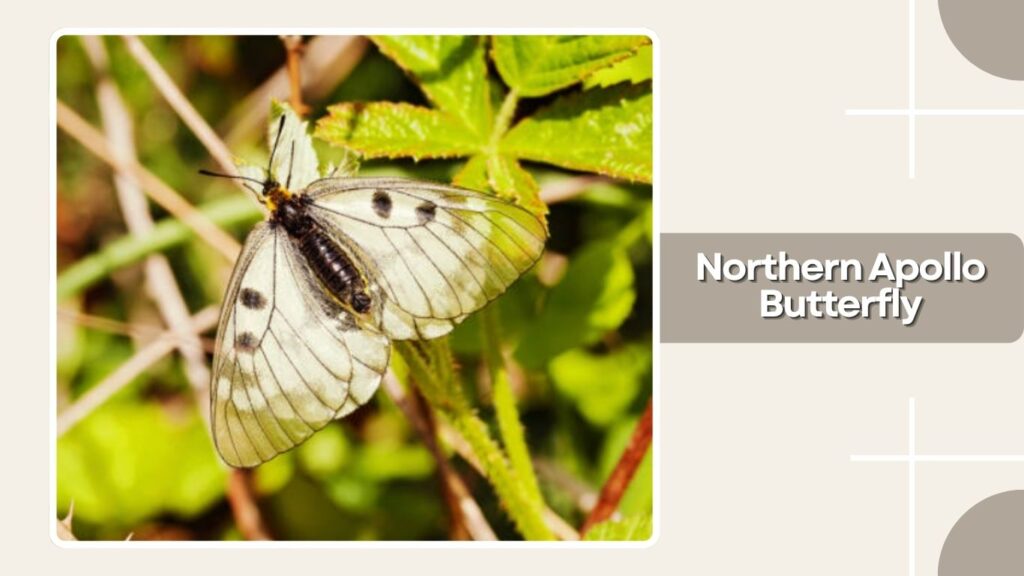
The Northern Apollo butterfly is a cold-adapted species found in higher latitudes and mountainous regions. It is well suited to cooler climates and short summer seasons. With its pale wings and subtle markings, it blends into rocky and open landscapes. This butterfly is an important part of alpine and northern ecosystems.
Identification
- White or pale cream wings
- Black spots on forewings
- Small red or orange markings on hindwings
- Slightly translucent wing edges
- Hairy, dark body
- Wingspan typically 60–85 mm
Habitat and Distribution
Northern Apollo butterflies are found in northern Europe, Asia, and some high-altitude regions. They prefer alpine meadows, tundra, and rocky slopes with cool temperatures. These habitats provide suitable host plants and nectar sources. They are usually seen in open, sunny areas during warmer periods.
Behavior and Diet
These butterflies are active during the day and often bask in sunlight to warm their bodies. They have a slow, gliding flight and tend to stay close to the ground. Their diet mainly consists of nectar from cold-tolerant flowers. They play a role in pollination within their habitats.
Lifecycle
The lifecycle includes egg, larva, pupa, and adult stages. Eggs are laid near host plants, and larvae feed on them after hatching. Development may take longer due to cooler climates. Adults emerge during the short summer season to reproduce and continue the cycle.
14. Southern Apollo Butterfly
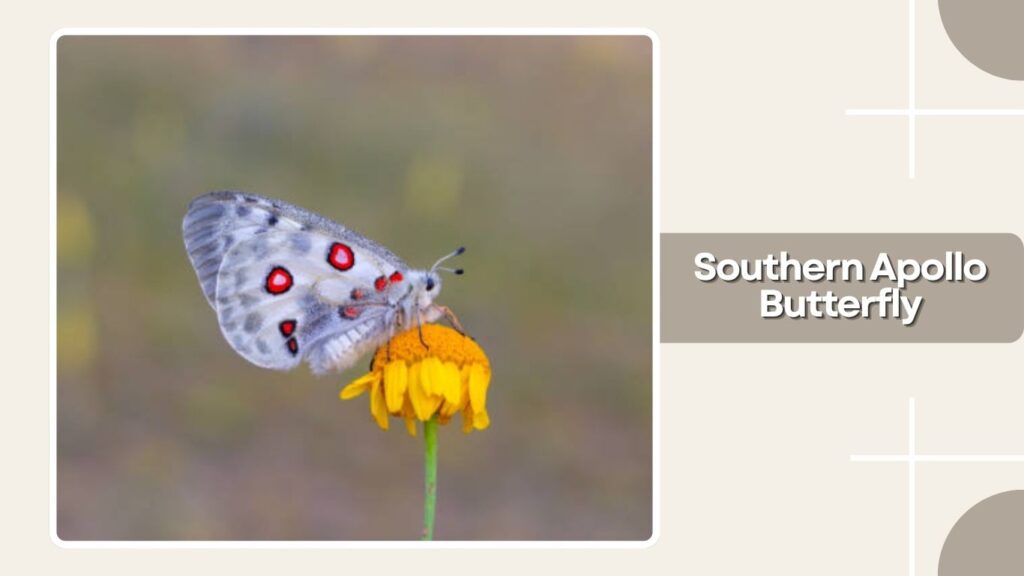
The Southern Apollo butterfly is a warm-region variant adapted to slightly milder climates compared to its northern relatives. It is often found in lower mountainous areas and open landscapes with more vegetation. This butterfly retains the classic Apollo appearance but may show slightly brighter markings due to its environment.
Identification
- White or creamy wings
- Clear black spots on forewings
- Bright red or orange eye-like markings on hindwings
- Slightly translucent wing edges
- Fuzzy, dark body
- Wingspan typically 65–90 mm
Habitat and Distribution
Southern Apollo butterflies are found in southern parts of Europe and nearby regions. They prefer lower alpine zones, grasslands, and open rocky areas with moderate climates. These habitats provide a good balance of warmth and food sources, including nectar-rich flowers and host plants for larvae.
Behavior and Diet
These butterflies are active during the day and are often seen flying in sunny, warm conditions. They feed on nectar from a variety of flowering plants and contribute to pollination. Their flight is slow and steady, and they tend to stay in open areas with abundant vegetation.
Lifecycle
The lifecycle follows the typical stages of egg, larva, pupa, and adult. Eggs are laid near host plants, and larvae feed after hatching. The caterpillars eventually pupate, forming a chrysalis. Adults emerge during the warmer months to feed, reproduce, and continue the cycle.
15. Eastern Apollo Butterfly
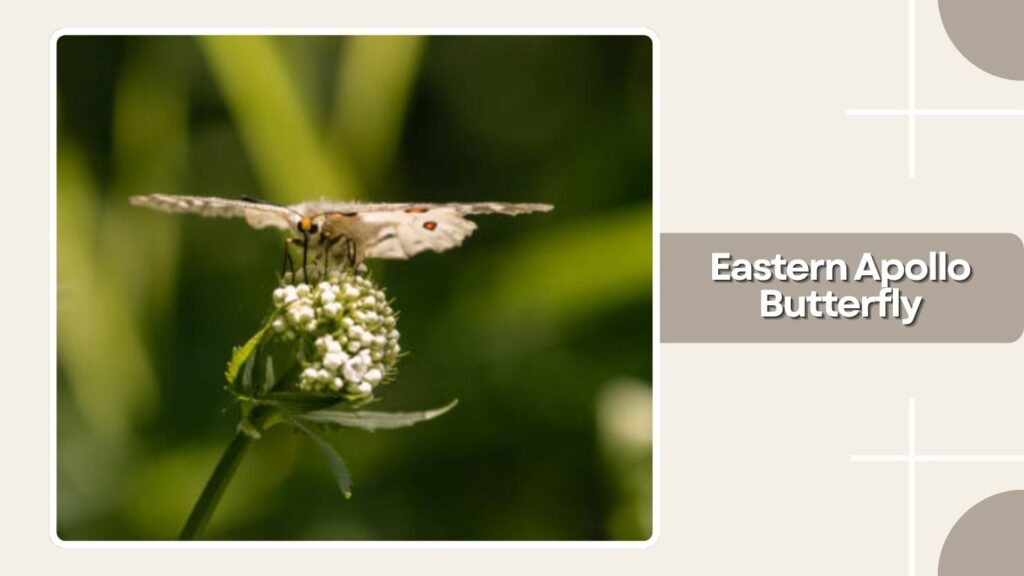
The Eastern Apollo butterfly is a regional variation found in parts of eastern Europe and Asia. It is known for its elegant wing patterns and adaptation to mountainous and temperate environments. This butterfly thrives in areas with moderate climates and abundant vegetation. Like other Apollo butterflies, it is sensitive to environmental changes and serves as an indicator of habitat quality.
Identification
- White or pale cream wings
- Distinct black spots on forewings
- Red or orange eye-like markings on hindwings
- Slightly translucent wing edges
- Hairy, dark body
- Wingspan typically 60–85 mm
Habitat and Distribution
Eastern Apollo butterflies are found in eastern Europe and parts of Asia. They prefer mountainous regions, forest edges, and grassy slopes with moderate temperatures. These habitats provide the necessary host plants and nectar sources. They are often seen in open, sunny areas where flowers are plentiful.
Behavior and Diet
These butterflies are active during the day and are commonly seen gliding slowly over open landscapes. They feed on nectar from a variety of flowering plants and play an important role in pollination. They often bask in sunlight to regulate body temperature and tend to remain close to the ground in windy conditions.
Lifecycle
The lifecycle includes egg, larva, pupa, and adult stages. Eggs are laid near host plants, and larvae feed on them after hatching. The caterpillars eventually form a chrysalis, where transformation occurs. Adult butterflies emerge during warmer months to reproduce and continue the cycle.
FAQs
What are Apollo butterflies?
Apollo butterflies are a group of large, white butterflies belonging to the genus Parnassius. They are mostly found in mountainous and cold regions. These butterflies are known for their black spots and red eye-like markings, which help deter predators and make them easy to पहचान in nature.
Where are Apollo butterflies commonly found?
Apollo butterflies are mainly found in Europe and Asia, especially in alpine and high-altitude regions. They prefer cool climates with rocky slopes, meadows, and open landscapes where their host plants and nectar sources are available.
What do Apollo butterflies eat?
Adult Apollo butterflies feed on nectar from a variety of flowering plants. Their larvae mainly feed on specific host plants such as stonecrop and related species. These plants are essential for their growth and survival.
Are Apollo butterflies endangered?
Some species of Apollo butterflies are considered threatened or endangered due to habitat loss, climate change, and human activity. Their sensitivity to environmental changes makes them vulnerable, especially in regions where their habitats are disturbed.
Why are Apollo butterflies important?
Apollo butterflies play an important role in pollination and maintaining ecosystem balance. They also serve as indicators of environmental health, as their presence reflects clean and stable habitats.