
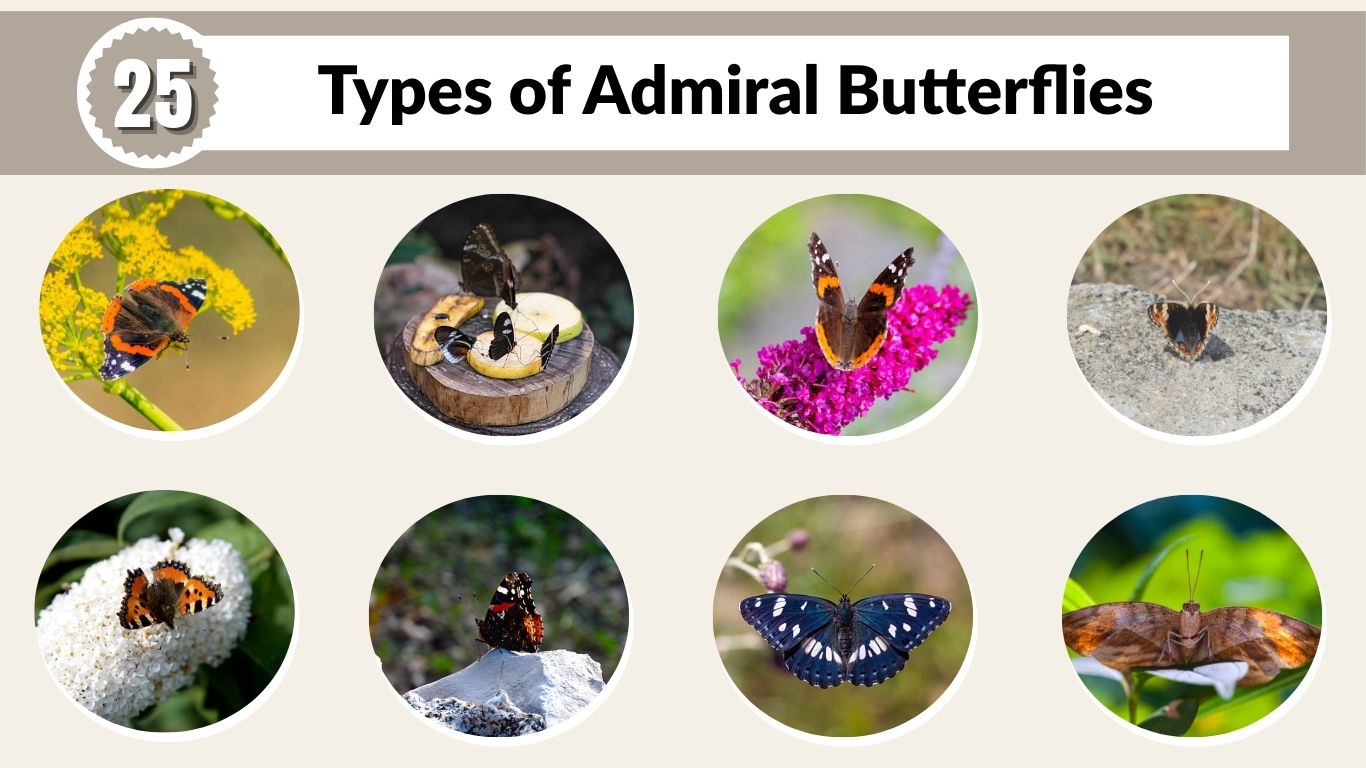
Admiral butterflies are among the most elegant and recognizable butterflies in the world, admired for their dark wings decorated with bright bands, spots, and colorful markings. These butterflies belong to the Nymphalidae family and are found across forests, gardens, mountains, and grasslands on several continents. Many admiral species are known for their strong gliding flight, territorial behavior, and seasonal migration patterns. Their caterpillars feed on a variety of host plants, while adults commonly visit flowers, tree sap, and ripe fruits. From the famous Red Admiral to rare mountain species, admiral butterflies display incredible diversity and beauty in nature.
1. Red Admiral
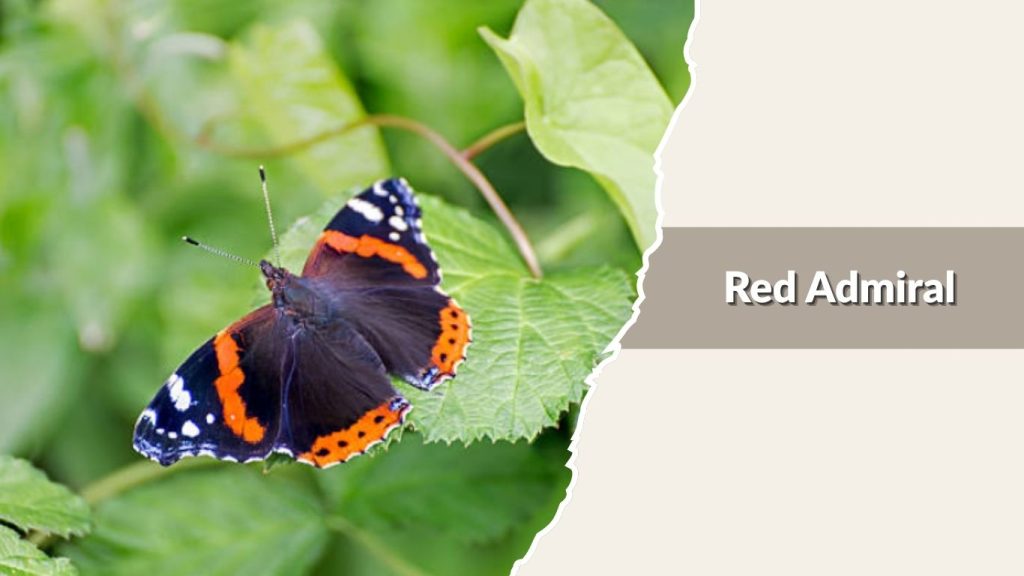
The Red Admiral is one of the most recognizable butterflies in the world, admired for its striking black wings marked with bright red-orange bands and white spots. This fast-flying butterfly belongs to the Nymphalidae family and is commonly seen in gardens, forests, parks, and meadows. Red Admirals are highly adaptable and can survive in a wide range of climates across several continents.
Identification
- Black wings with bold red-orange bands
- White spots near the tips of the forewings
- Wingspan usually between 45–65 mm
- Underside of wings has brown and gray camouflage patterns
- Strong and rapid flight style
- Caterpillars are mostly black with small white markings and spines
Habitat and Distribution
Red Admirals are found across Europe, North America, Asia, and parts of North Africa. They prefer habitats such as woodland edges, gardens, parks, riverbanks, and open countryside areas with abundant flowering plants. These butterflies are highly migratory in some regions and often move seasonally in search of warmer climates and food sources.
Behavior and Diet
Adult Red Admirals feed mainly on flower nectar, tree sap, and overripe fruits. They are territorial butterflies and males often defend sunny resting spots from intruders. Their flight is quick and energetic, making them difficult for predators to catch. Caterpillars feed primarily on nettle plants, where they create protective leaf shelters.
Lifecycle
The lifecycle of the Red Admiral begins when females lay eggs on host plants such as nettles. The eggs hatch into spiny caterpillars that feed and grow before forming chrysalises. Inside the chrysalis, transformation occurs until the adult butterfly emerges. Depending on climate conditions, multiple generations may appear within a single year.
2. White Admiral
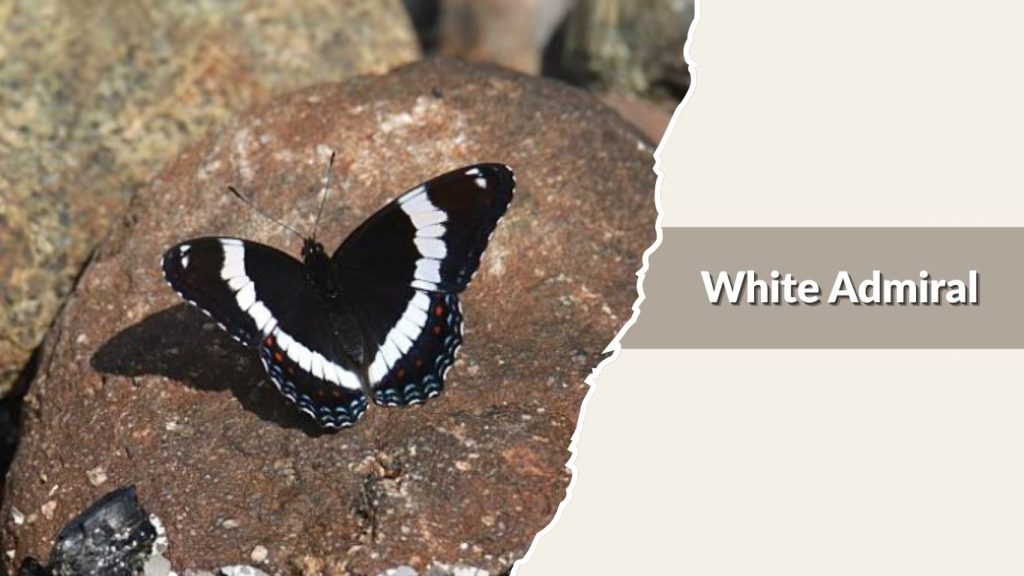
The White Admiral is a graceful butterfly species known for its dark wings crossed by striking white bands. Belonging to the Nymphalidae family, this butterfly is admired for its elegant flight and woodland habitat preferences. It is commonly found gliding through forest clearings and shaded paths during warm months, where it feeds on nectar and other natural food sources.
Identification
- Dark brown or black wings with broad white bands
- Wingspan usually between 55–65 mm
- White markings appear on both forewings and hindwings
- Underside of wings has reddish-brown tones
- Smooth gliding flight pattern
- Caterpillars are green with small horn-like projections
Habitat and Distribution
White Admirals are widely distributed across Europe and parts of Asia. They prefer deciduous woodlands, forest edges, shaded trails, and clearings with plenty of shrubs and flowering plants. This butterfly thrives in moist woodland habitats where host plants such as honeysuckle grow naturally in partially shaded environments.
Behavior and Diet
Adult White Admirals feed on flower nectar, tree sap, honeydew, and moisture from damp ground. They are less attracted to flowers than many butterflies and often rest on leaves or sunlit woodland paths. Their flight is smooth and gliding, allowing them to move elegantly through forested habitats while avoiding predators.
Lifecycle
Female White Admirals lay eggs singly on host plants like honeysuckle leaves. After hatching, caterpillars feed and develop before overwintering in protective shelters made from leaves. In spring, they continue growing and eventually form chrysalises. Adult butterflies emerge during summer and remain active throughout the warmer months of the year.
3. Indian Red Admiral
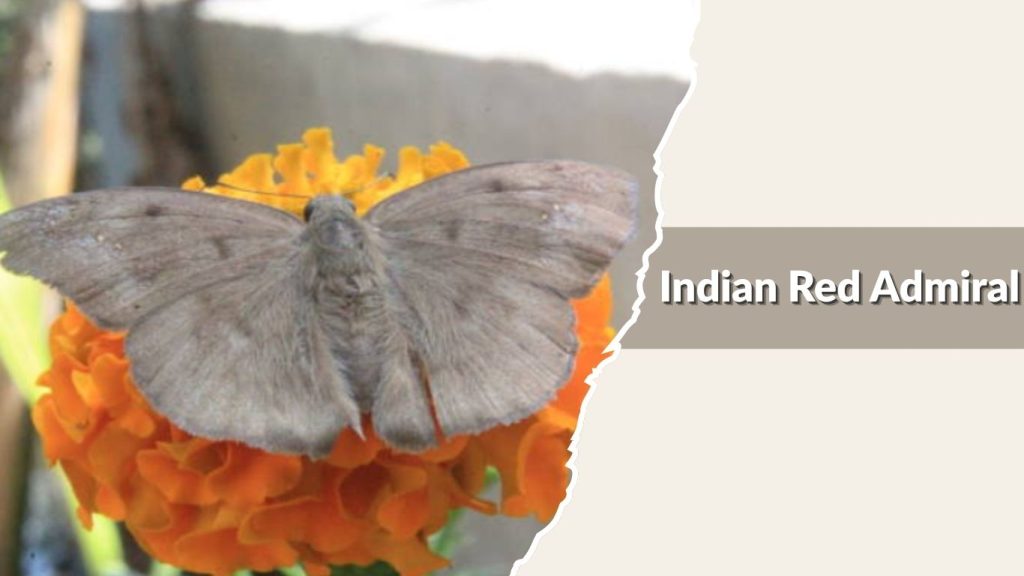
The Indian Red Admiral is a colorful butterfly species closely related to the common Red Admiral. It is recognized for its bold red-orange wing bands and dark background coloration. This butterfly belongs to the Nymphalidae family and is commonly found in hilly regions, forests, and gardens across parts of Asia, where it actively feeds and migrates during warmer seasons.
Identification
- Black wings with bright red-orange bands
- White spots near the forewing tips
- Wingspan usually between 55–70 mm
- Underside of wings shows brown camouflage patterns
- Fast and powerful flight style
- Caterpillars are dark with spiny bodies
Habitat and Distribution
Indian Red Admirals are commonly found across the Himalayan region, India, Nepal, Bhutan, and nearby Asian countries. They inhabit mountain forests, woodland edges, gardens, river valleys, and flowering meadows. This species prefers cooler upland environments but may also appear in lower elevations during migration or seasonal movement periods naturally.
Behavior and Diet
Adult Indian Red Admirals feed on nectar, tree sap, fermenting fruit, and moisture from damp soil. They are active and territorial butterflies that frequently bask in sunlight on rocks or pathways. Their strong flight allows them to travel long distances while searching for food, mates, and suitable breeding habitats across landscapes.
Lifecycle
Females lay eggs on host plants such as nettles. After hatching, caterpillars feed on leaves and create protective shelters by folding them together. As development continues, the caterpillars form chrysalises where transformation occurs. Adult butterflies emerge after metamorphosis and may produce multiple generations depending on environmental and seasonal conditions each year.
4. American White Admiral
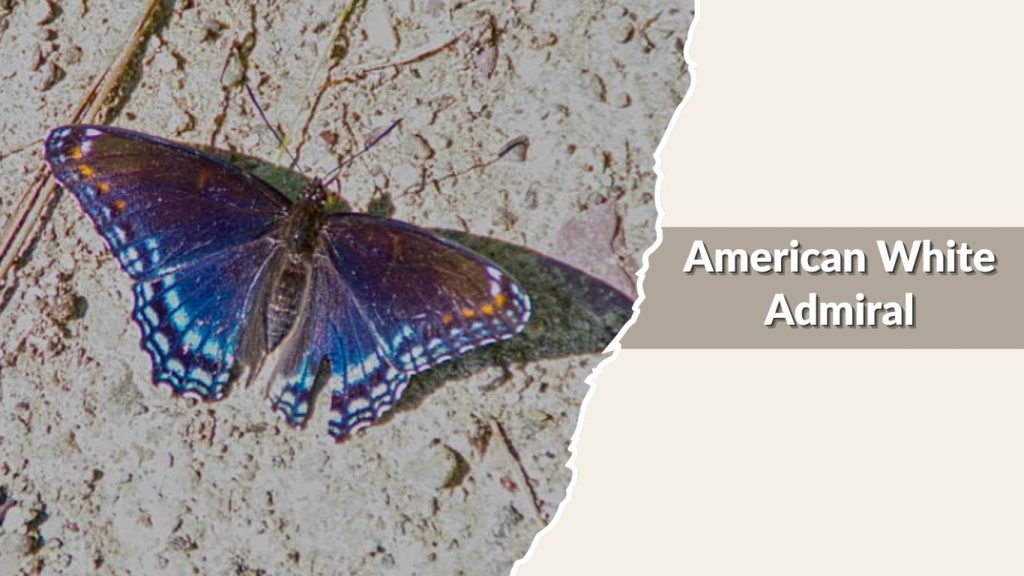
The American White Admiral is a beautiful butterfly species known for its dark wings marked by broad white bands. It belongs to the Nymphalidae family and is closely related to the Red-spotted Purple butterfly. This elegant butterfly is commonly seen gliding through woodland habitats in North America, where it feeds on nectar, tree sap, and other natural food sources during warm seasons.
Identification
- Black or dark brown wings with wide white bands
- Wingspan usually between 50–75 mm
- Blue iridescent shading may appear on hindwings
- Underside of wings has reddish and brown markings
- Smooth gliding flight pattern
- Caterpillars are brownish-green with horn-like projections
Habitat and Distribution
American White Admirals are found across Canada and the northern United States. They prefer deciduous forests, woodland edges, shaded trails, and areas near streams or clearings. This butterfly thrives in moist wooded habitats where host plants such as birch, willow, and poplar trees grow abundantly throughout the landscape naturally.
Behavior and Diet
Adult American White Admirals feed on nectar, tree sap, rotting fruit, and animal droppings rather than flowers alone. They are graceful fliers that glide smoothly through forested habitats while occasionally basking in sunlight. Males are territorial and often patrol woodland paths in search of mates and suitable feeding locations nearby.
Lifecycle
Females lay eggs singly on the leaves of host trees such as birch and willow. The caterpillars feed and grow before creating leaf shelters for protection. After overwintering, they continue development and form chrysalises. Adult butterflies emerge during late spring and summer, with one or more generations appearing annually depending on climate conditions.
5. Blackvein White Admiral
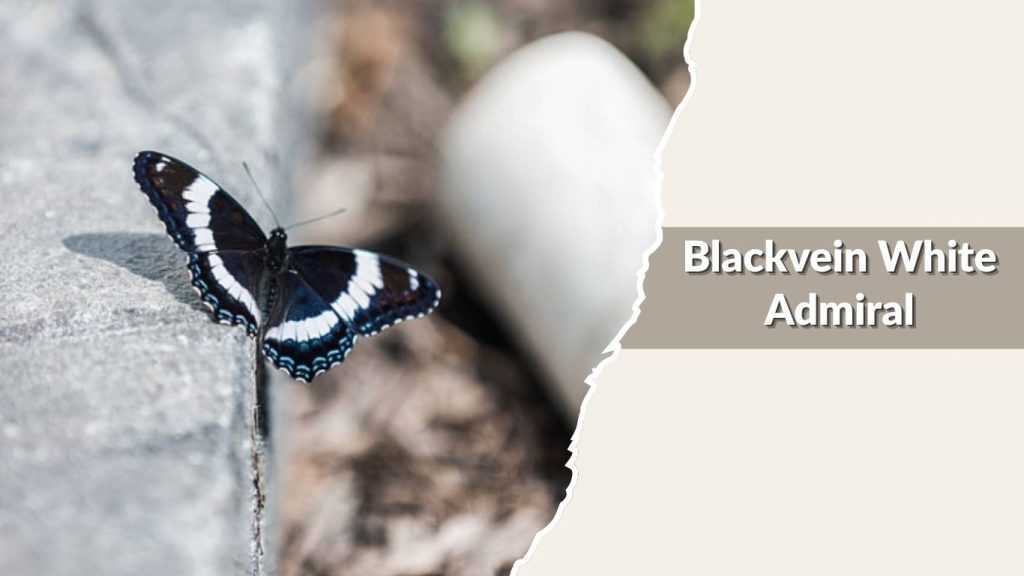
The Blackvein White Admiral is a striking butterfly species recognized for its pale wings decorated with dark black veins and contrasting markings. Belonging to the Nymphalidae family, this butterfly is admired for its elegant appearance and graceful flight. It is commonly found in forests, mountain valleys, and woodland clearings where flowering plants and host trees are abundant throughout warmer seasons.
Identification
- Pale white wings with prominent black veins
- Wingspan usually between 55–70 mm
- Dark borders along wing edges
- Underside of wings shows brownish markings
- Smooth and gliding flight pattern
- Caterpillars are greenish with small spines
Habitat and Distribution
Blackvein White Admirals are distributed across parts of Asia, particularly in forested and mountainous regions. They prefer woodland edges, shaded valleys, riverbanks, and clearings with abundant vegetation. This butterfly thrives in cool and moist habitats where suitable host plants and flowering vegetation provide food and breeding opportunities naturally.
Behavior and Diet
Adult Blackvein White Admirals feed mainly on flower nectar, tree sap, and moisture from damp ground surfaces. They are calm and graceful fliers that glide smoothly through forest habitats while occasionally resting on leaves or sunlit rocks. Males often patrol woodland paths in search of mates during active daylight hours.
Lifecycle
Females lay eggs on suitable host plants growing in woodland habitats. After hatching, caterpillars feed on leaves and develop through several growth stages before forming protective chrysalises. Inside the chrysalis, metamorphosis occurs until the adult butterfly emerges. Depending on environmental conditions, one or more generations may appear during a year.
6. Chinese White Admiral
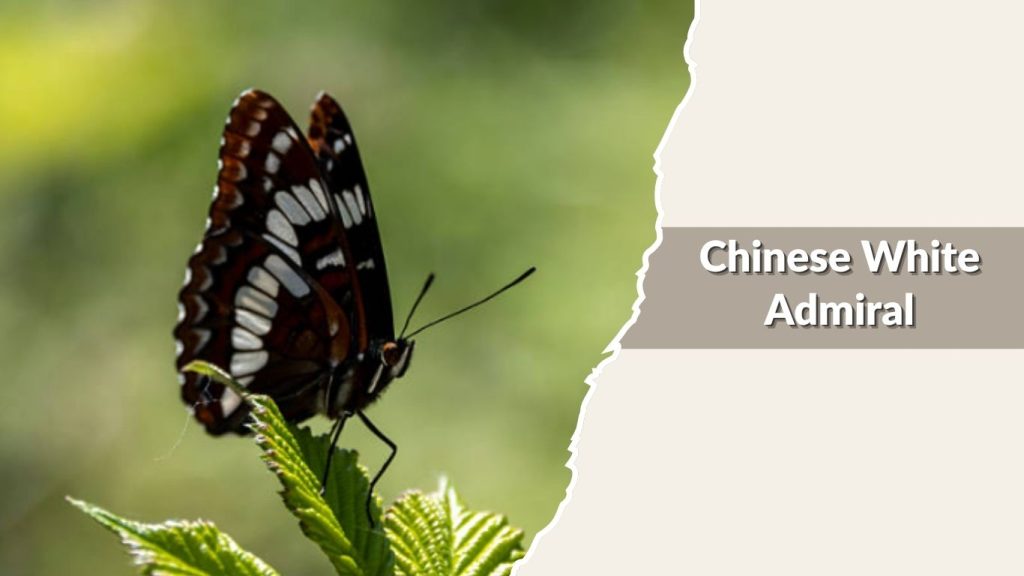
The Chinese White Admiral is a graceful butterfly species admired for its dark wings crossed with bright white bands. This woodland butterfly belongs to the Nymphalidae family and is commonly found in forested regions across East Asia. Its elegant gliding flight, contrasting wing patterns, and calm behavior make it a distinctive butterfly often seen near shaded woodland paths and clearings.
Identification
- Dark brown or black wings with white bands
- Wingspan usually between 55–75 mm
- White markings extend across both wings
- Underside has brown and reddish tones
- Smooth and gliding flight style
- Caterpillars are green with small horn-like structures
Habitat and Distribution
Chinese White Admirals are distributed across China and nearby parts of East Asia. They commonly inhabit deciduous forests, woodland edges, mountain valleys, and shaded clearings with abundant vegetation. This species prefers cool and moist environments where host plants and flowering shrubs provide ideal conditions for feeding and successful reproduction naturally.
Behavior and Diet
Adult Chinese White Admirals feed on nectar, tree sap, rotting fruit, and minerals from damp soil. They are graceful fliers that glide smoothly through woodland habitats while occasionally basking on leaves or rocks. Males often defend territories along forest trails and actively search for mates during sunny daytime conditions naturally.
Lifecycle
Females lay eggs singly on suitable host plants growing in forest habitats. After hatching, caterpillars feed on leaves and pass through several growth stages before forming chrysalises. Metamorphosis occurs inside the chrysalis until adult butterflies emerge. Depending on regional climate conditions, the species may produce one or multiple generations annually.
7. Lorquin’s Admiral
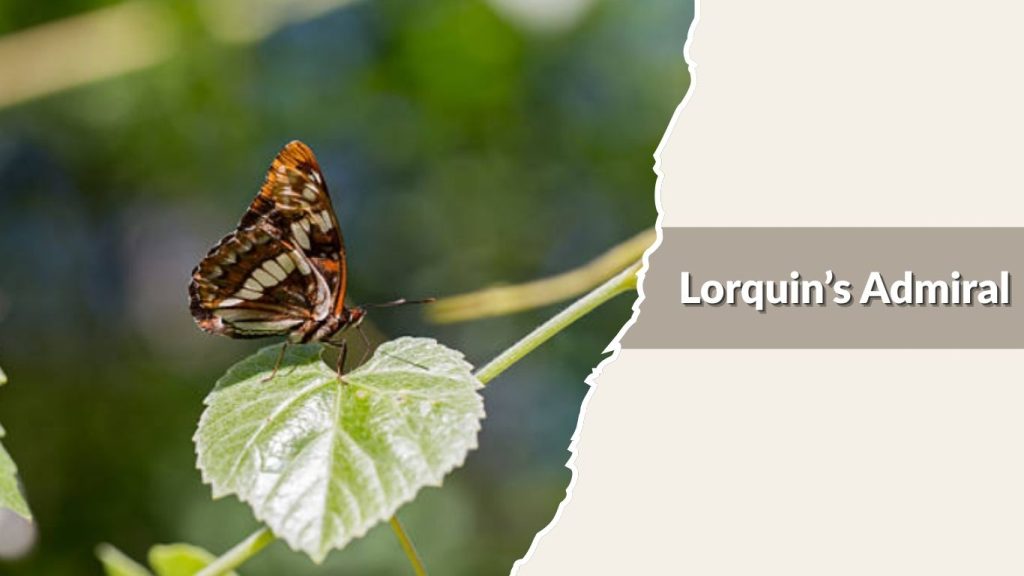
Lorquin’s Admiral is a beautiful North American butterfly species known for its dark wings marked with broad white bands and orange-tipped forewings. Belonging to the Nymphalidae family, this butterfly is commonly found in forests, canyons, and woodland edges. Its graceful gliding flight and striking wing patterns make it one of the most recognizable admiral butterflies in western regions.
Identification
- Black wings with broad white bands
- Orange patches near the forewing tips
- Wingspan usually between 60–75 mm
- White spots appear along wing edges
- Underside has reddish-brown markings
- Caterpillars are dark with spiny projections
Habitat and Distribution
Lorquin’s Admirals are found across western North America, including parts of the United States and Canada. They prefer forest edges, wooded canyons, mountain valleys, and areas near streams. This species thrives in habitats containing willow, poplar, and other host trees that support feeding and breeding activities naturally.
Behavior and Diet
Adult Lorquin’s Admirals feed on nectar, tree sap, rotting fruit, and moisture from damp ground rather than flowers alone. They are strong gliding fliers that patrol woodland trails and sunny clearings. Males are territorial and often chase away rival butterflies while searching for females during warm daylight hours.
Lifecycle
Females lay eggs singly on the leaves of host trees such as willow and poplar. After hatching, caterpillars feed on foliage and create leaf shelters for protection. They later form chrysalises where metamorphosis occurs. Adult butterflies emerge during spring and summer, with one or more generations appearing depending on climate conditions.
8. Weidemeyer’s Admiral
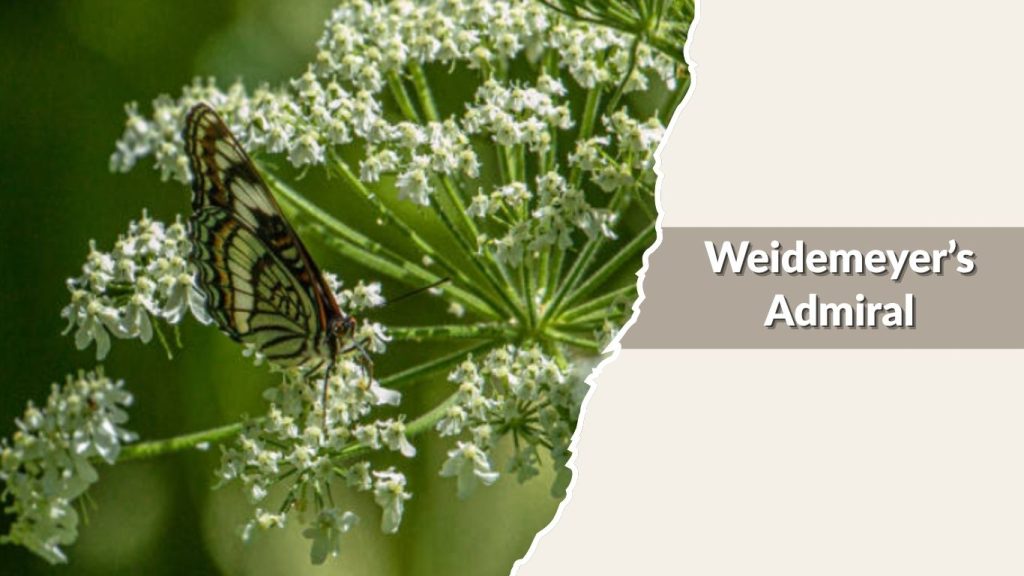
Weidemeyer’s Admiral is a striking butterfly species recognized for its bold black wings marked with bright white bands and small blue highlights. This admiral butterfly belongs to the Nymphalidae family and is commonly found in western North America. Its strong flight, contrasting coloration, and preference for wooded habitats make it a distinctive butterfly in mountainous and forested landscapes.
Identification
- Black wings with broad white bands
- Small blue markings near the hindwings
- Wingspan usually between 55–75 mm
- White spots along wing margins
- Underside has reddish-brown patterns
- Caterpillars are dark with spiny bodies
Habitat and Distribution
Weidemeyer’s Admirals are distributed across western regions of the United States and parts of Canada. They commonly inhabit woodlands, forest edges, mountain canyons, and river valleys. This butterfly prefers habitats containing willow, cottonwood, and poplar trees that provide suitable food sources and breeding environments throughout warmer seasons naturally.
Behavior and Diet
Adult Weidemeyer’s Admirals feed on nectar, tree sap, rotting fruit, and minerals from moist ground surfaces. They are powerful gliding fliers often seen basking in sunlight on rocks or tree trunks. Males are territorial and patrol woodland clearings while searching for females and defending favored resting locations from rivals.
Lifecycle
Females lay eggs on host trees such as willow and cottonwood. After hatching, caterpillars feed on leaves and create shelters by folding foliage together. As development continues, they form chrysalises where metamorphosis occurs. Adult butterflies emerge during spring and summer, with one or multiple generations appearing depending on local climate conditions.
9. Southern White Admiral
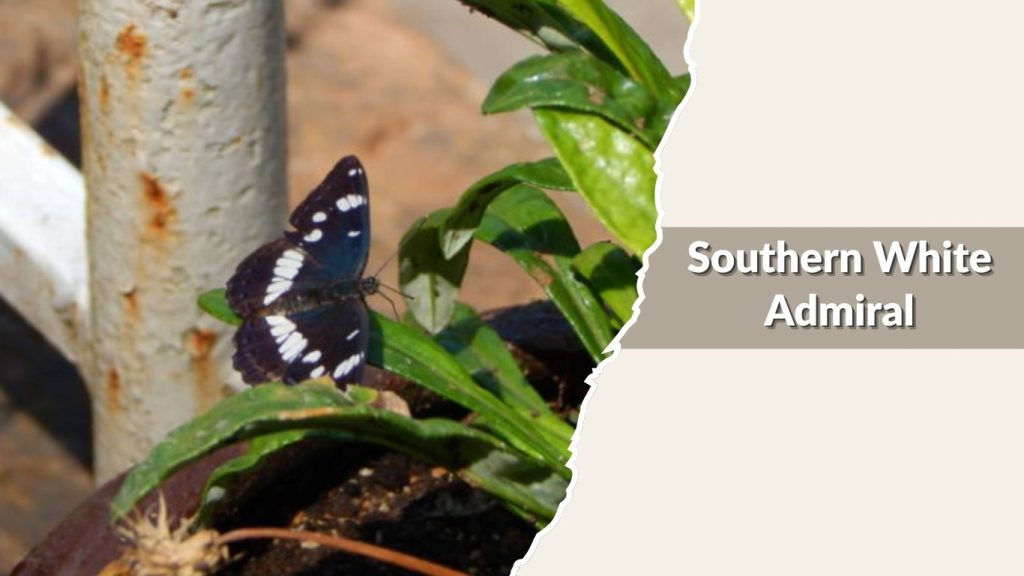
The Southern White Admiral is an elegant butterfly species known for its dark wings crossed by broad white bands. Belonging to the Nymphalidae family, this butterfly is admired for its graceful flight and attractive wing patterns. It is commonly found in warm woodland habitats, forest clearings, and countryside landscapes where flowering plants and host trees are widely available.
Identification
- Dark brown or black wings with white bands
- Wingspan usually between 55–70 mm
- White markings extend across both wings
- Underside has reddish-brown and gray patterns
- Smooth gliding flight style
- Caterpillars are greenish with small spines
Habitat and Distribution
Southern White Admirals are distributed across southern parts of Europe and Asia in warm temperate regions. They commonly inhabit deciduous forests, woodland edges, shaded valleys, and open countryside habitats. This species prefers moist environments with abundant shrubs, flowering plants, and host trees that support feeding and reproduction during active seasons.
Behavior and Diet
Adult Southern White Admirals feed on nectar, tree sap, rotting fruit, and moisture from damp ground surfaces. They are graceful fliers that glide smoothly through woodland habitats and often rest on leaves or sunny pathways. Males are territorial and actively patrol forest clearings while searching for females during daylight hours naturally.
Lifecycle
Females lay eggs singly on host plants growing within woodland habitats. After hatching, caterpillars feed on leaves and pass through several growth stages before creating protective shelters. They later form chrysalises where metamorphosis occurs. Adult butterflies emerge during warm months, with one or more generations appearing annually depending on climate conditions.
10. Poplar Admiral
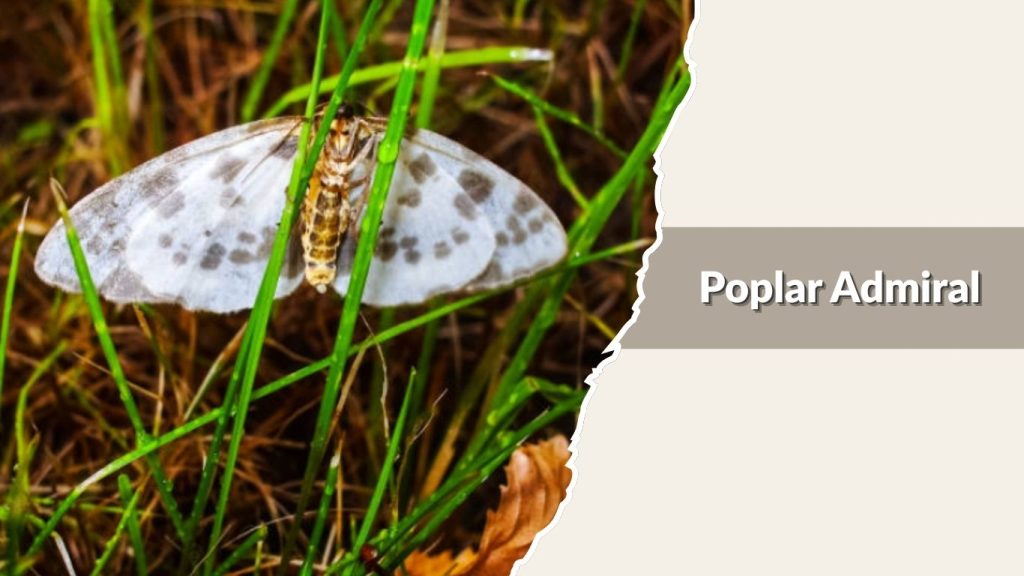
The Poplar Admiral is a large and impressive butterfly species recognized for its dark wings decorated with pale bands and subtle blue shading. This butterfly belongs to the Nymphalidae family and is commonly associated with woodland habitats containing poplar and willow trees. Its strong gliding flight and preference for forested environments make it a remarkable admiral butterfly across its range.
Identification
- Dark brown or black wings with pale white bands
- Blue iridescent shading on hindwings
- Wingspan usually between 65–85 mm
- White spots near wing edges
- Underside has brown and orange markings
- Caterpillars are green with horn-like projections
Habitat and Distribution
Poplar Admirals are distributed across Europe and parts of Asia, especially in temperate woodland regions. They commonly inhabit deciduous forests, shaded valleys, woodland edges, and areas near rivers or streams. This species prefers habitats with abundant poplar, willow, and aspen trees that provide suitable breeding and feeding conditions naturally.
Behavior and Diet
Adult Poplar Admirals feed on tree sap, rotting fruit, moisture from damp ground, and animal droppings more often than flower nectar. They are strong gliding fliers that spend much of their time high in tree canopies. Males frequently patrol woodland paths and sunny clearings while searching for females and defending territories.
Lifecycle
Females lay eggs singly on host trees such as poplar and willow. After hatching, caterpillars feed on leaves and create protective shelters for resting and overwintering. In spring, they continue developing before forming chrysalises. Adult butterflies emerge during summer and remain active throughout the warmer months of the year.
11. Blue Admiral
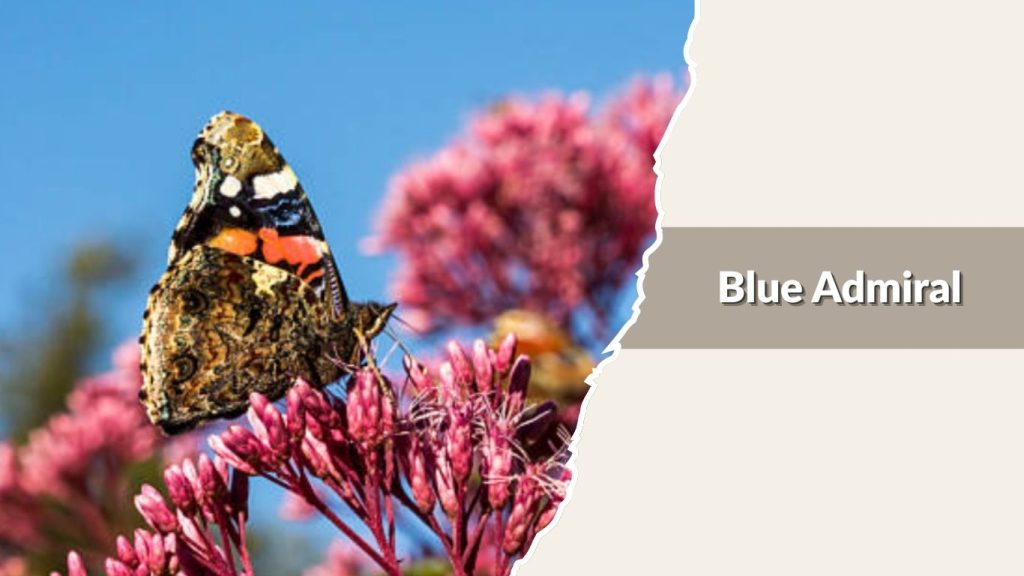
The Blue Admiral is a striking butterfly species admired for its dark wings highlighted with shimmering blue coloration and pale markings. Belonging to the Nymphalidae family, this butterfly is commonly found in woodland habitats, forest clearings, and gardens. Its graceful gliding flight and vivid wing colors make it one of the more eye-catching admiral butterflies in natural environments.
Identification
- Dark wings with iridescent blue shading
- Pale white or light-colored wing bands
- Wingspan usually between 55–75 mm
- Underside has brown and gray camouflage patterns
- Smooth and gliding flight style
- Caterpillars are greenish or dark with small spines
Habitat and Distribution
Blue Admirals are found in forested and temperate regions across parts of Asia and nearby areas. They commonly inhabit woodland edges, shaded trails, gardens, and mountain valleys with abundant vegetation. This species prefers moist habitats containing flowering plants and host trees that provide suitable conditions for feeding and successful reproduction naturally.
Behavior and Diet
Adult Blue Admirals feed on nectar, tree sap, overripe fruit, and minerals from damp soil. They are graceful fliers that glide smoothly through woodland habitats while occasionally basking in sunlight on rocks or leaves. Males often defend territories and patrol forest clearings in search of mates during warm daylight hours naturally.
Lifecycle
Females lay eggs singly on suitable host plants growing in woodland environments. After hatching, caterpillars feed on leaves and pass through several growth stages before forming chrysalises. Inside the chrysalis, metamorphosis takes place until adult butterflies emerge. Depending on regional climate conditions, one or multiple generations may appear each year.
12. Common Admiral
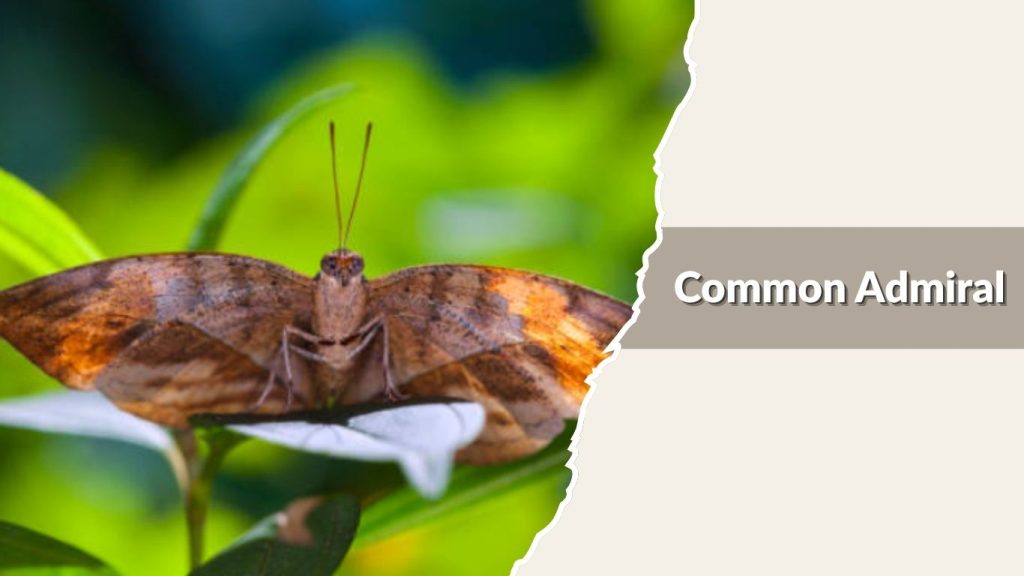
The Common Admiral is a colorful butterfly species recognized for its dark wings marked with bright bands and contrasting white spots. This butterfly belongs to the Nymphalidae family and is widely admired for its strong flight and adaptability. It is commonly found in gardens, forests, meadows, and parks where flowering plants and suitable host vegetation are abundant throughout warmer seasons.
Identification
- Dark brown or black wings with colorful bands
- Bright red-orange or white wing markings
- Wingspan usually between 50–70 mm
- White spots near the forewing tips
- Underside has brown camouflage patterns
- Caterpillars are dark with small spines
Habitat and Distribution
Common Admirals are distributed across parts of Europe, Asia, and North America depending on the regional species group. They commonly inhabit woodland edges, gardens, grasslands, parks, and countryside habitats. This butterfly prefers areas with abundant flowering plants and host vegetation that support feeding, breeding, and seasonal migration naturally.
Behavior and Diet
Adult Common Admirals feed on flower nectar, tree sap, fermenting fruit, and moisture from damp ground. They are fast and agile fliers often seen basking on sunny pathways or rocks. Males are territorial and frequently chase away rival butterflies while searching for females and defending feeding areas during daylight hours.
Lifecycle
Females lay eggs singly on host plants suitable for caterpillar development. After hatching, caterpillars feed on leaves and grow through several stages before forming chrysalises. Inside the chrysalis, metamorphosis occurs until adult butterflies emerge. Depending on environmental conditions, multiple generations may appear throughout the warmer months each year.
13. Malayan Admiral
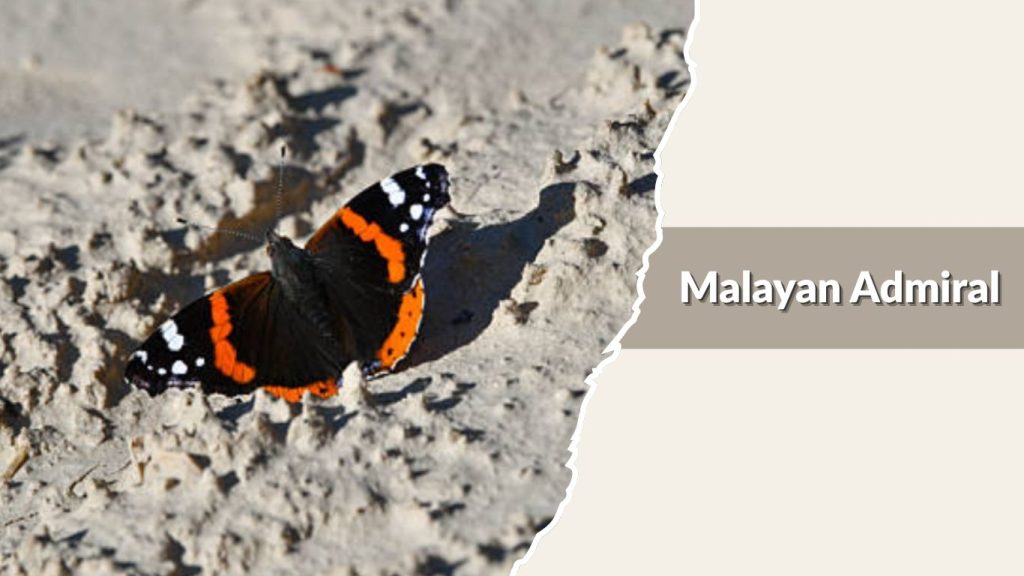
The Malayan Admiral is a beautiful tropical butterfly species known for its dark wings decorated with bright bands and contrasting markings. Belonging to the Nymphalidae family, this butterfly is commonly found in forests and woodland habitats across Southeast Asia. Its swift flight, vivid wing patterns, and preference for warm humid environments make it a distinctive admiral butterfly in tropical regions.
Identification
- Dark brown or black wings with bright markings
- Orange, red, or white bands across the wings
- Wingspan usually between 55–75 mm
- White spots near the forewing edges
- Underside has brown camouflage patterns
- Caterpillars are dark with spiny projections
Habitat and Distribution
Malayan Admirals are distributed across Malaysia and nearby Southeast Asian regions. They commonly inhabit tropical rainforests, woodland edges, forest trails, and humid gardens with dense vegetation. This species prefers warm environments containing flowering plants and host trees that provide suitable feeding and breeding conditions throughout the active seasons naturally.
Behavior and Diet
Adult Malayan Admirals feed on flower nectar, fermenting fruit, tree sap, and minerals from damp ground surfaces. They are strong and active fliers often seen gliding through forest clearings or basking in sunlight. Males may defend territories while searching for mates and suitable feeding locations within tropical woodland habitats.
Lifecycle
Females lay eggs singly on suitable host plants growing within tropical forests and woodland habitats. After hatching, caterpillars feed on leaves and develop through several stages before forming chrysalises. Inside the chrysalis, metamorphosis occurs until adult butterflies emerge. Multiple generations may appear annually in warm tropical climates with favorable conditions.
14. Philippine Admiral
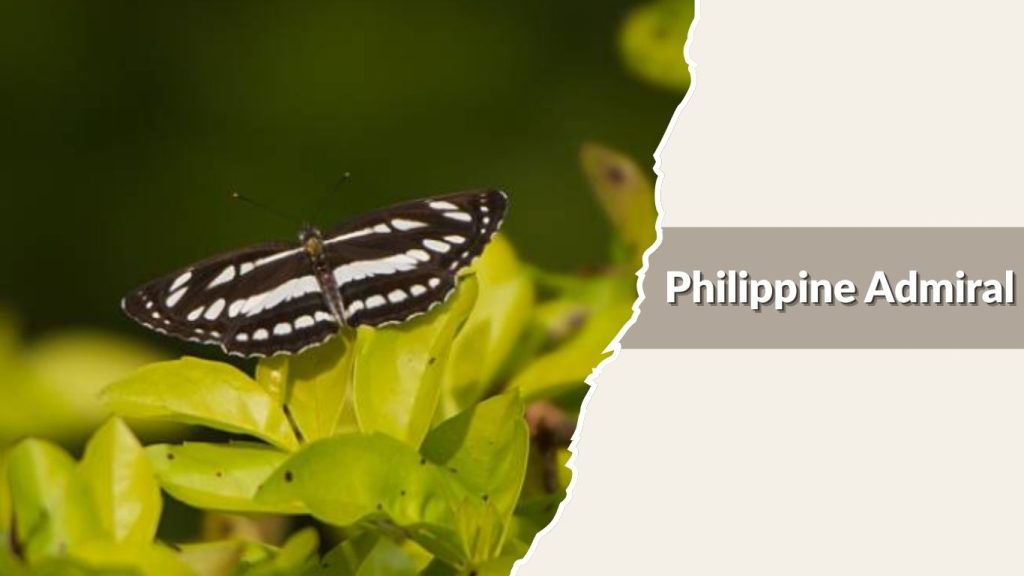
The Philippine Admiral is a striking butterfly species native to the Philippines, admired for its dark wings highlighted by bright colored bands and white markings. This tropical admiral butterfly belongs to the Nymphalidae family and is commonly found in forests, woodland edges, and mountain habitats. Its swift flight and vivid appearance make it a remarkable butterfly in tropical ecosystems.
Identification
- Dark brown or black wings with colorful bands
- Bright orange, red, or white wing markings
- Wingspan usually between 55–75 mm
- White spots near the forewing tips
- Underside has brown camouflage patterns
- Caterpillars are dark with spiny bodies
Habitat and Distribution
Philippine Admirals are found throughout the Philippines, especially in tropical forests, mountain valleys, woodland clearings, and gardens. They prefer warm humid environments with dense vegetation and abundant flowering plants. This butterfly thrives in habitats where host plants and shaded resting areas provide suitable conditions for feeding and reproduction naturally.
Behavior and Diet
Adult Philippine Admirals feed on flower nectar, tree sap, overripe fruit, and moisture from damp ground. They are active and powerful fliers often seen gliding through forest trails and sunny clearings. Males may display territorial behavior while searching for mates and defending preferred feeding locations during daylight hours naturally.
Lifecycle
Females lay eggs singly on suitable host plants growing in tropical habitats. After hatching, caterpillars feed on leaves and pass through several developmental stages before forming chrysalises. Metamorphosis occurs inside the chrysalis until adult butterflies emerge. In tropical climates, the species may produce several generations throughout the year under favorable conditions.
15. Banded Admiral
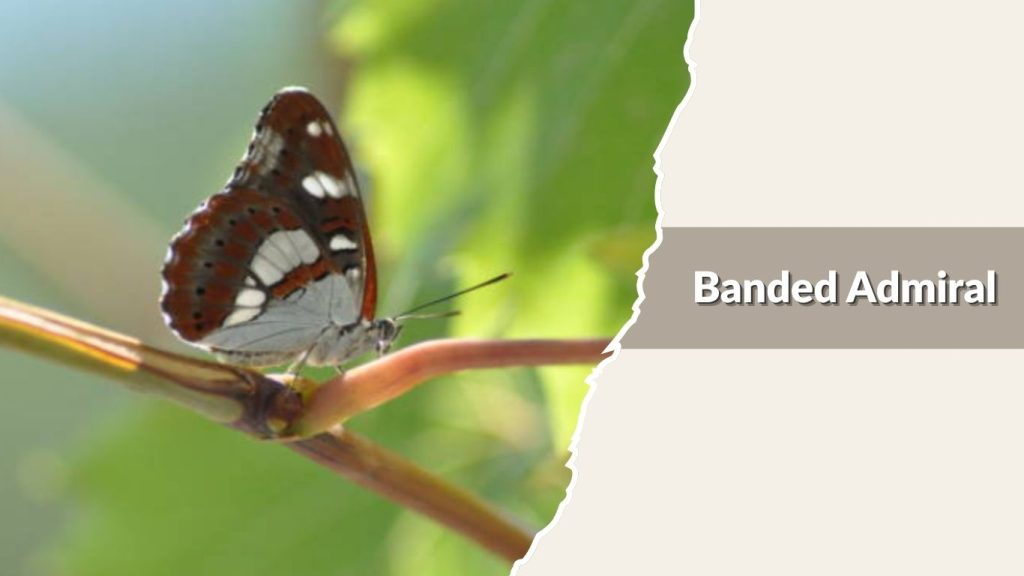
The Banded Admiral is a graceful butterfly species recognized for its dark wings crossed by bold pale bands and contrasting markings. Belonging to the Nymphalidae family, this butterfly is commonly found in forests, woodland edges, and shaded clearings. Its elegant gliding flight and attractive wing patterns make it a distinctive admiral butterfly in many temperate and tropical habitats.
Identification
- Dark brown or black wings with pale bands
- Wingspan usually between 55–75 mm
- White or cream-colored markings across both wings
- Underside has brown and reddish patterns
- Smooth and gliding flight style
- Caterpillars are greenish or dark with small spines
Habitat and Distribution
Banded Admirals are distributed across parts of Asia, Europe, and tropical regions depending on the species group. They commonly inhabit forests, woodland edges, gardens, mountain valleys, and shaded countryside habitats. This butterfly prefers areas with abundant vegetation, flowering plants, and host trees that support feeding and breeding activities naturally.
Behavior and Diet
Adult Banded Admirals feed on flower nectar, tree sap, fermenting fruit, and minerals from damp ground surfaces. They are graceful fliers that glide smoothly through woodland habitats while occasionally basking in sunlight on rocks or leaves. Males often patrol forest trails and defend territories while searching for females during warm daytime conditions.
Lifecycle
Females lay eggs singly on suitable host plants growing within forested habitats. After hatching, caterpillars feed on leaves and grow through several stages before forming chrysalises. Inside the chrysalis, metamorphosis occurs until adult butterflies emerge. Depending on climate and environmental conditions, one or multiple generations may appear each year.
16. Scarce White Admiral
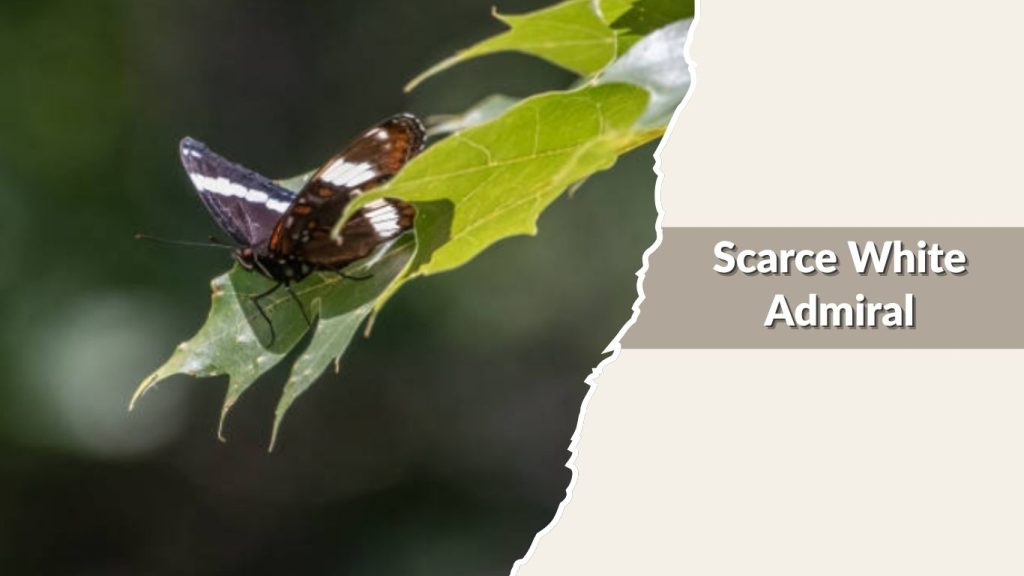
The Scarce White Admiral is an elegant butterfly species known for its dark wings marked with striking white bands and subtle orange patterns underneath. This butterfly belongs to the Nymphalidae family and is commonly associated with woodland habitats and forest clearings. Its graceful gliding flight and preference for shaded environments make it a distinctive admiral butterfly across its natural range.
Identification
- Dark brown or black wings with white bands
- Wingspan usually between 55–70 mm
- Underside has orange-brown and white markings
- White spots appear near wing edges
- Smooth gliding flight pattern
- Caterpillars are green with small horn-like projections
Habitat and Distribution
Scarce White Admirals are distributed across parts of Europe and Asia, particularly in temperate woodland regions. They commonly inhabit deciduous forests, woodland paths, shaded valleys, and forest clearings with abundant shrubs and flowering vegetation. This butterfly prefers cool moist habitats where suitable host plants are naturally available throughout the breeding season.
Behavior and Diet
Adult Scarce White Admirals feed on nectar, tree sap, honeydew, and minerals from damp soil rather than relying only on flowers. They are calm gliding fliers that often rest on leaves or sunny woodland paths. Males frequently patrol forest clearings while searching for mates and defending favorable territories during daytime hours naturally.
Lifecycle
Females lay eggs singly on suitable host plants such as honeysuckle. After hatching, caterpillars feed on leaves and create protective shelters for resting and overwintering. In spring, they continue developing before forming chrysalises. Adult butterflies emerge during summer, and the species usually produces one generation annually under favorable environmental conditions.
17. Eurasian White Admiral
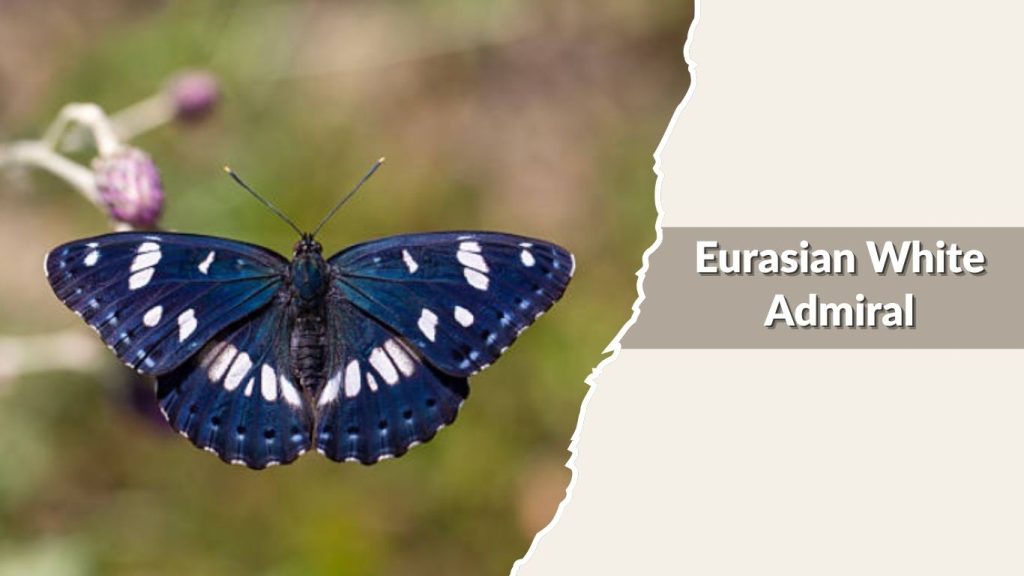
The Eurasian White Admiral is a graceful butterfly species admired for its dark wings crossed by broad white bands and elegant gliding flight. Belonging to the Nymphalidae family, this butterfly is commonly found in woodland habitats across Europe and Asia. Its calm behavior, striking wing patterns, and preference for shaded forests make it a well-known admiral butterfly species.
Identification
- Dark brown or black wings with white bands
- Wingspan usually between 55–70 mm
- White markings extend across both wings
- Underside has orange-brown and gray patterns
- Smooth gliding flight style
- Caterpillars are green with horn-like structures
Habitat and Distribution
Eurasian White Admirals are widely distributed across Europe and Asia in temperate forest regions. They commonly inhabit deciduous woodlands, shaded trails, forest clearings, and river valleys with dense vegetation. This butterfly prefers cool moist habitats containing honeysuckle and other host plants that provide ideal feeding and breeding conditions naturally.
Behavior and Diet
Adult Eurasian White Admirals feed on nectar, tree sap, honeydew, and moisture from damp ground surfaces. They are graceful fliers that glide smoothly through woodland habitats while often resting on leaves or sunlit forest paths. Males actively patrol territories and search for females during warm daylight hours in summer months naturally.
Lifecycle
Females lay eggs singly on host plants such as honeysuckle growing in woodland habitats. After hatching, caterpillars feed on leaves and create protective shelters for resting and overwintering. In spring, they resume development before forming chrysalises. Adult butterflies emerge during summer, usually producing one generation each year under favorable conditions.
18. Yellow Admiral
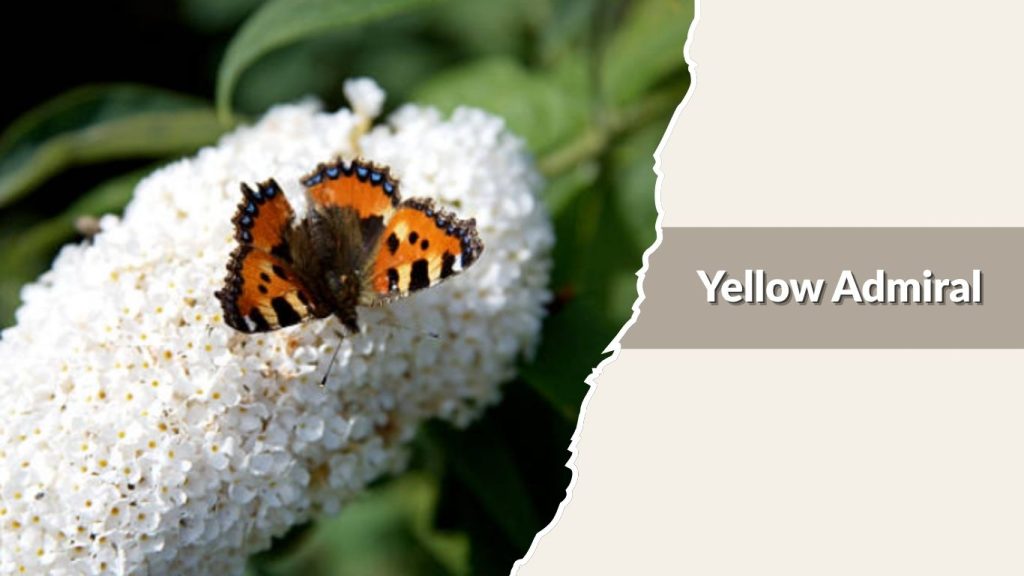
The Yellow Admiral is a colorful butterfly species recognized for its dark wings decorated with bright yellow bands and reddish markings. This butterfly belongs to the Nymphalidae family and is admired for its energetic flight and adaptability. It is commonly found in gardens, forests, parks, and open countryside habitats where flowering plants and suitable host vegetation are abundant.
Identification
- Dark brown or black wings with yellow bands
- Reddish-orange markings near the forewings
- Wingspan usually between 50–65 mm
- White spots near the wing tips
- Underside has brown camouflage patterns
- Caterpillars are dark with small spines
Habitat and Distribution
Yellow Admirals are distributed across Australia, New Zealand, and nearby regions. They commonly inhabit gardens, woodland edges, grasslands, parks, and forest clearings with abundant flowering plants. This butterfly prefers warm environments where host plants and sheltered resting areas provide suitable conditions for feeding, breeding, and seasonal movement naturally.
Behavior and Diet
Adult Yellow Admirals feed on flower nectar, tree sap, fermenting fruit, and moisture from damp soil. They are active and fast fliers often seen basking in sunlight on rocks, fences, or pathways. Males can be territorial and frequently chase away rival butterflies while searching for mates during warm daylight conditions naturally.
Lifecycle
Females lay eggs singly on host plants such as nettles. After hatching, caterpillars feed on leaves and create protective shelters by folding foliage together. As development continues, they form chrysalises where metamorphosis occurs. Adult butterflies emerge after transformation, and multiple generations may appear annually in suitable warm climates.
19. Mountain Admiral
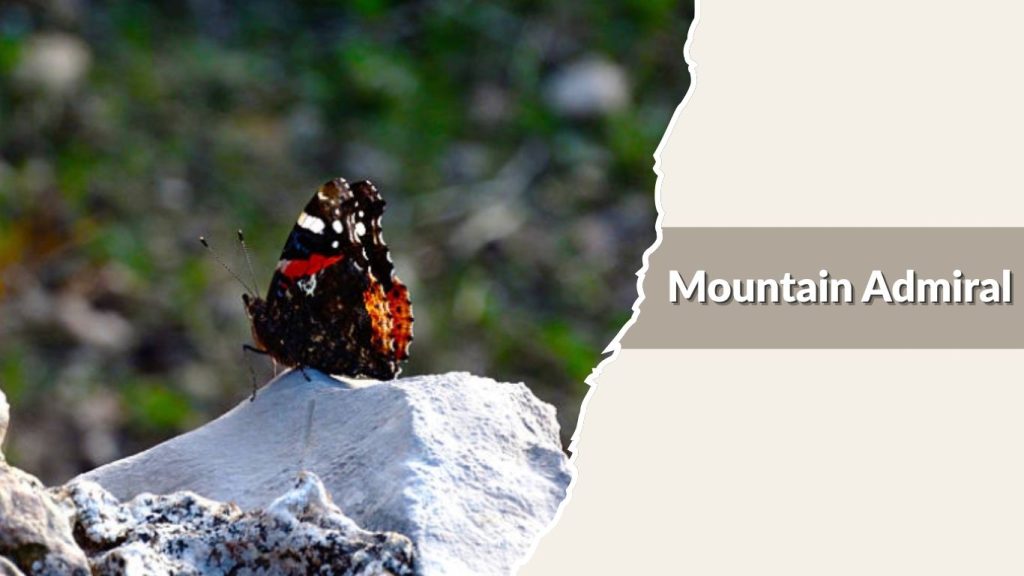
The Mountain Admiral is a beautiful butterfly species commonly associated with high-altitude forests and mountainous landscapes. Known for its dark wings marked with pale bands and colorful highlights, this butterfly belongs to the Nymphalidae family. Its strong flight and ability to survive in cooler environments make it a distinctive admiral butterfly often seen gliding through mountain valleys and woodland clearings.
Identification
- Dark brown or black wings with pale bands
- Blue or reddish markings on the hindwings
- Wingspan usually between 55–75 mm
- White spots near the wing edges
- Underside has brown and gray camouflage patterns
- Caterpillars are greenish or dark with small spines
Habitat and Distribution
Mountain Admirals are found in mountainous regions across parts of Asia, Europe, and North America depending on the species group. They commonly inhabit high-altitude forests, woodland edges, mountain meadows, and river valleys. This butterfly prefers cool habitats with flowering plants and host vegetation that support feeding and reproduction naturally.
Behavior and Diet
Adult Mountain Admirals feed on flower nectar, tree sap, fermenting fruit, and minerals from damp soil surfaces. They are powerful gliding fliers often observed basking on sunlit rocks or forest trails. Males frequently patrol mountain clearings and defend territories while searching for mates during warm daylight hours in summer seasons.
Lifecycle
Females lay eggs singly on suitable host plants growing within mountain habitats. After hatching, caterpillars feed on leaves and develop through several stages before forming chrysalises. Metamorphosis takes place inside the chrysalis until adult butterflies emerge. Depending on climate and elevation, the species may produce one or multiple generations annually.
20. Forest Admiral
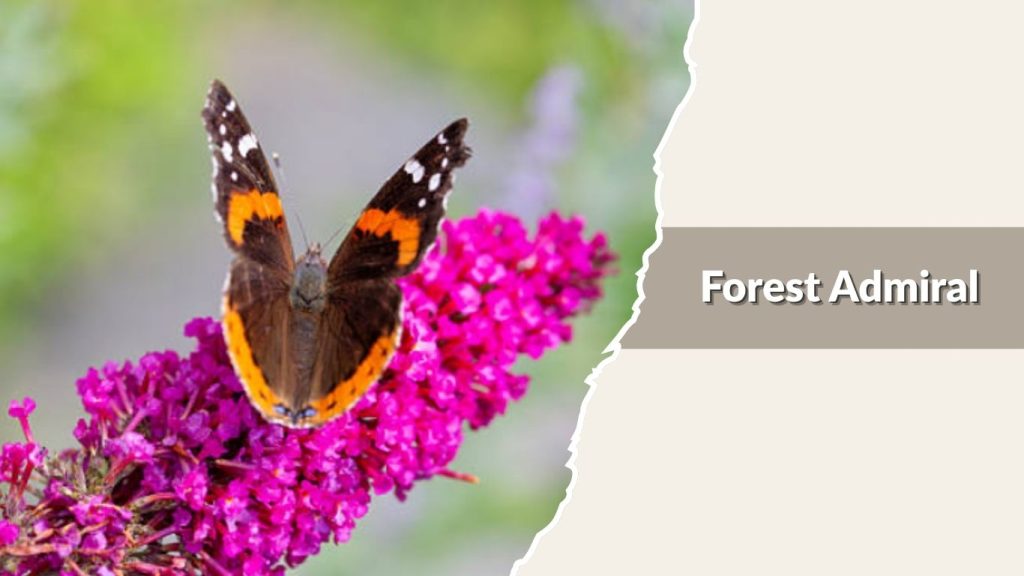
The Forest Admiral is an elegant butterfly species known for its dark wings highlighted with pale bands and subtle colorful markings. Belonging to the Nymphalidae family, this butterfly is commonly found in dense woodlands and shaded forest habitats. Its smooth gliding flight and preference for quiet woodland environments make it a distinctive admiral butterfly in natural forest ecosystems.
Identification
- Dark brown or black wings with pale bands
- Wingspan usually between 55–75 mm
- White or cream markings across both wings
- Underside has brown and reddish patterns
- Smooth gliding flight style
- Caterpillars are greenish with small spines
Habitat and Distribution
Forest Admirals are distributed across woodland and temperate regions in parts of Europe, Asia, and North America depending on the species group. They commonly inhabit dense forests, woodland clearings, shaded valleys, and riverbanks. This butterfly prefers moist environments with abundant vegetation and host plants that support feeding and breeding naturally.
Behavior and Diet
Adult Forest Admirals feed on nectar, tree sap, rotting fruit, and moisture from damp soil surfaces. They are graceful fliers often seen gliding through shaded woodland trails or resting on leaves and tree trunks. Males may defend territories and patrol forest pathways while searching for females during warm daylight conditions naturally.
Lifecycle
Females lay eggs singly on suitable host plants growing in woodland habitats. After hatching, caterpillars feed on leaves and develop through several stages before forming protective chrysalises. Inside the chrysalis, metamorphosis occurs until adult butterflies emerge. Depending on environmental conditions, one or more generations may appear annually in suitable forest ecosystems.
21. African Admiral
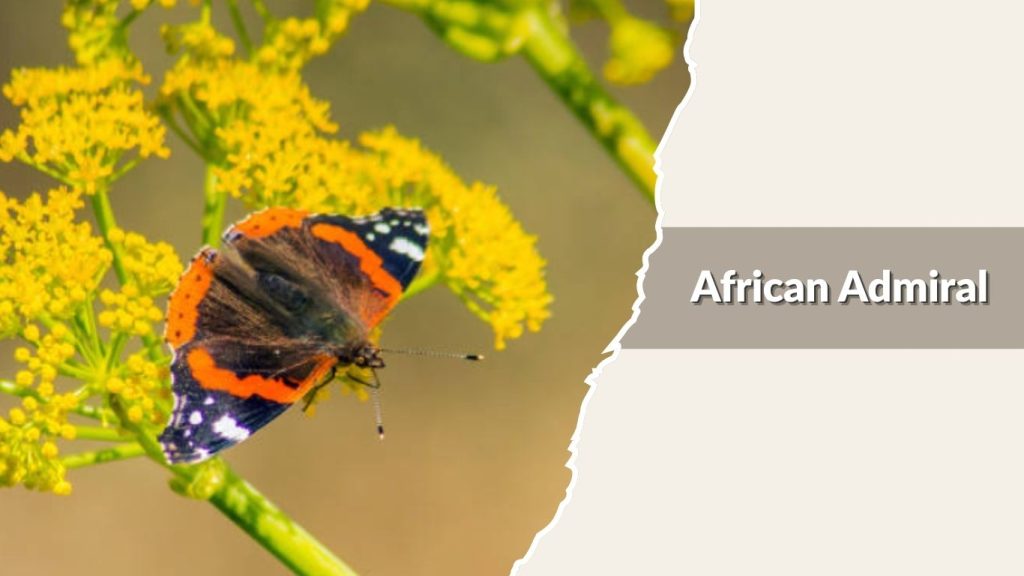
The African Admiral is a colorful butterfly species admired for its dark wings decorated with bright orange, red, and white markings. This butterfly belongs to the Nymphalidae family and is commonly found across various African habitats, including forests, gardens, and savannas. Its energetic flight and striking appearance make it one of the more noticeable admiral butterflies in tropical environments.
Identification
- Dark brown or black wings with orange-red bands
- White spots near the forewing tips
- Wingspan usually between 50–70 mm
- Underside has brown and gray camouflage patterns
- Fast and agile flight style
- Caterpillars are dark with spiny bodies
Habitat and Distribution
African Admirals are widely distributed across sub-Saharan Africa and nearby regions. They commonly inhabit tropical forests, woodland edges, savannas, gardens, and river valleys with abundant vegetation. This butterfly prefers warm climates where flowering plants and host vegetation provide suitable conditions for feeding, breeding, and seasonal movement naturally throughout the year.
Behavior and Diet
Adult African Admirals feed on flower nectar, fermenting fruit, tree sap, and minerals from damp soil surfaces. They are active and powerful fliers often seen basking in sunlight on rocks or pathways. Males can display territorial behavior while searching for mates and defending feeding areas during warm daytime conditions naturally.
Lifecycle
Females lay eggs singly on suitable host plants growing in tropical habitats. After hatching, caterpillars feed on leaves and develop through several growth stages before forming chrysalises. Inside the chrysalis, metamorphosis occurs until adult butterflies emerge. In warm climates, the species may produce multiple generations annually under favorable environmental conditions.
22. Japanese White Admiral

The Japanese White Admiral is a graceful butterfly species recognized for its dark wings crossed with bright white bands and delicate markings. Belonging to the Nymphalidae family, this butterfly is commonly found in forests, woodland edges, and mountain valleys across Japan and nearby regions. Its smooth gliding flight and elegant appearance make it a distinctive admiral butterfly in East Asian habitats.
Identification
- Dark brown or black wings with white bands
- Wingspan usually between 55–75 mm
- White markings extend across both wings
- Underside has reddish-brown and gray patterns
- Smooth and gliding flight style
- Caterpillars are green with small horn-like projections
Habitat and Distribution
Japanese White Admirals are distributed across Japan and nearby East Asian regions. They commonly inhabit deciduous forests, mountain woodlands, shaded valleys, and forest clearings with dense vegetation. This butterfly prefers cool moist habitats containing flowering plants and suitable host vegetation that support feeding and breeding activities naturally throughout warmer seasons.
Behavior and Diet
Adult Japanese White Admirals feed on nectar, tree sap, honeydew, and moisture from damp ground surfaces. They are graceful fliers that glide smoothly through woodland habitats while occasionally basking in sunlight on leaves or rocks. Males often patrol forest pathways and defend territories while searching for females during daylight hours naturally.
Lifecycle
Females lay eggs singly on host plants growing within forest habitats. After hatching, caterpillars feed on leaves and pass through several growth stages before creating protective shelters for overwintering. In spring, they continue developing and later form chrysalises. Adult butterflies emerge during summer, usually producing one generation annually under suitable conditions.
23. Australian Admiral
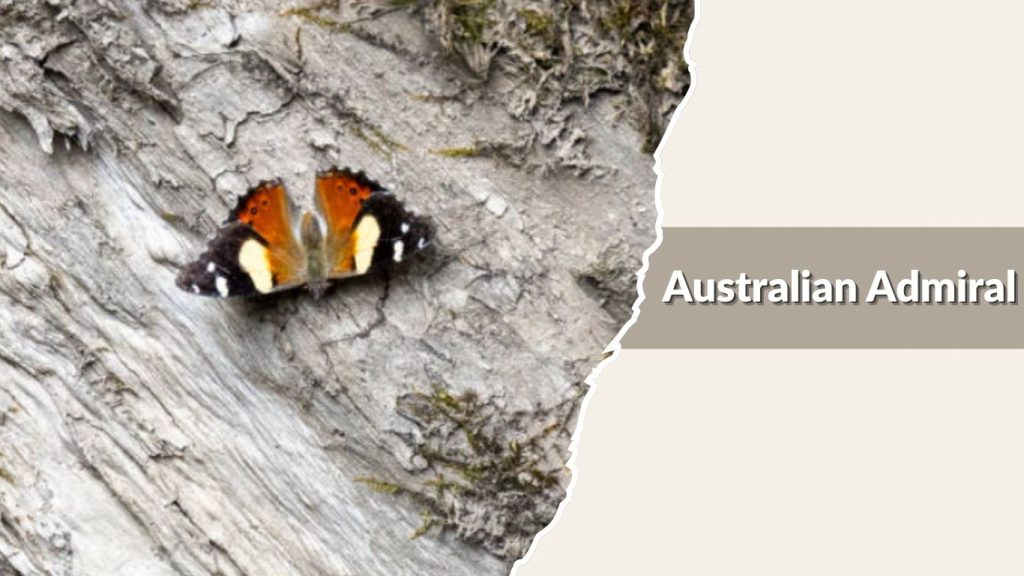
The Australian Admiral is a vibrant butterfly species known for its dark wings decorated with bright red-orange bands and white spots. This butterfly belongs to the Nymphalidae family and is commonly found in gardens, forests, parks, and coastal habitats throughout Australia. Its energetic flight, striking coloration, and adaptability make it one of the most recognizable admiral butterflies in the region.
Identification
- Dark brown or black wings with red-orange bands
- White spots near the forewing tips
- Wingspan usually between 50–70 mm
- Underside has brown camouflage patterns
- Fast and agile flight style
- Caterpillars are dark with spiny projections
Habitat and Distribution
Australian Admirals are distributed across Australia and nearby islands in a variety of habitats. They commonly inhabit gardens, woodland edges, forests, parks, coastal regions, and open countryside areas. This butterfly prefers warm environments with abundant flowering plants and host vegetation that support feeding, breeding, and seasonal movement naturally throughout the year.
Behavior and Diet
Adult Australian Admirals feed on flower nectar, tree sap, fermenting fruit, and moisture from damp soil surfaces. They are active and powerful fliers often seen basking in sunlight on rocks, fences, or pathways. Males may defend territories and chase rival butterflies while searching for females during warm daylight conditions naturally.
Lifecycle
Females lay eggs singly on suitable host plants such as nettles. After hatching, caterpillars feed on leaves and develop through several growth stages before forming chrysalises. Inside the chrysalis, metamorphosis occurs until adult butterflies emerge. In warm climates, multiple generations may appear annually depending on environmental and seasonal conditions.
24. Himalayan Admiral
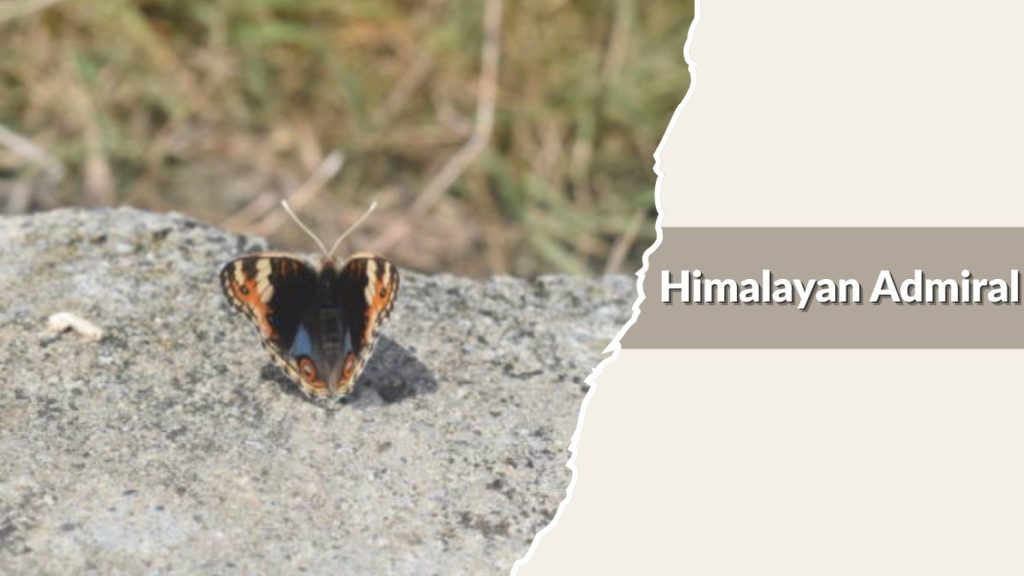
The Himalayan Admiral is a beautiful mountain butterfly species admired for its dark wings marked with bright bands and pale spots. Belonging to the Nymphalidae family, this butterfly is commonly found in the Himalayan region, where it inhabits forests, valleys, and mountain trails. Its strong flight and striking wing patterns make it a remarkable admiral butterfly in high-altitude landscapes.
Identification
- Dark brown or black wings with colorful bands
- Orange-red or pale white markings on wings
- Wingspan usually between 55–75 mm
- White spots near the forewing tips
- Underside has brown and gray camouflage patterns
- Caterpillars are dark with small spines
Habitat and Distribution
Himalayan Admirals are distributed across the Himalayan regions of India, Nepal, Bhutan, and nearby Asian countries. They commonly inhabit mountain forests, woodland edges, valleys, and flowering meadows. This butterfly prefers cool upland environments with abundant vegetation and host plants that provide suitable feeding and breeding conditions naturally.
Behavior and Diet
Adult Himalayan Admirals feed on flower nectar, tree sap, fermenting fruit, and moisture from damp soil surfaces. They are strong and agile fliers often seen basking on sunlit rocks or mountain trails. Males may defend territories while searching for mates and suitable feeding locations during warm daylight conditions naturally.
Lifecycle
Females lay eggs singly on suitable host plants growing within mountain habitats. After hatching, caterpillars feed on leaves and pass through several developmental stages before forming chrysalises. Metamorphosis occurs inside the chrysalis until adult butterflies emerge. Depending on climate and elevation, one or multiple generations may appear annually.
25. Red-spotted Admiral
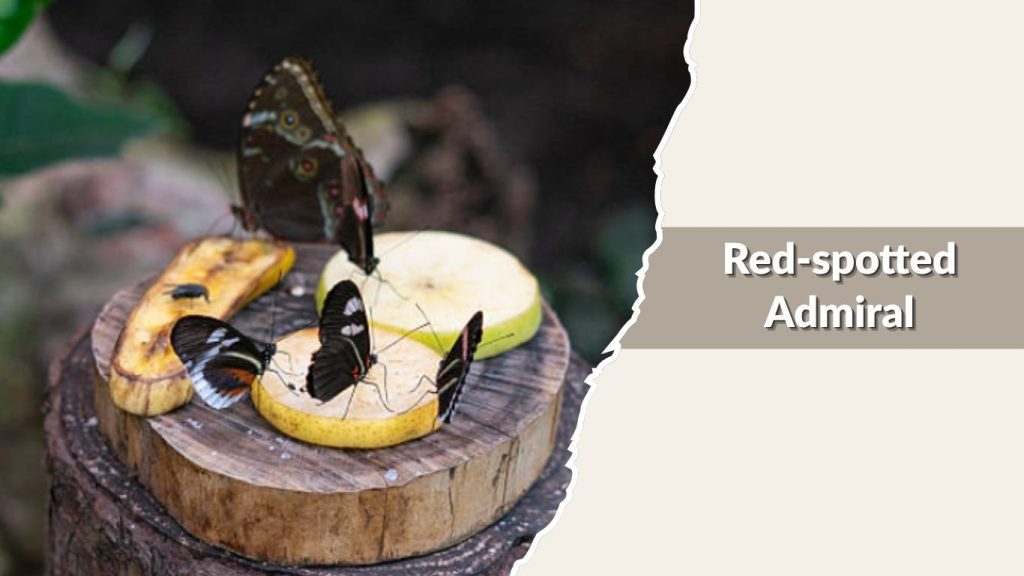
The Red-spotted Admiral is a striking butterfly species recognized for its dark wings decorated with bright red spots, blue iridescent shading, and elegant patterns. This butterfly belongs to the Nymphalidae family and is commonly associated with woodland habitats and forest edges. Its graceful gliding flight and vivid coloration make it one of the most attractive admiral butterflies in North America.
Identification
- Dark black or brown wings with red spots
- Blue iridescent shading on hindwings
- Wingspan usually between 65–95 mm
- Underside has orange and brown markings
- Smooth gliding flight pattern
- Caterpillars are brownish with horn-like projections
Habitat and Distribution
Red-spotted Admirals are distributed across North America, especially in forested and temperate regions. They commonly inhabit deciduous woodlands, forest clearings, shaded trails, riverbanks, and gardens. This butterfly prefers habitats containing willow, poplar, and wild cherry trees that provide suitable food and breeding environments throughout warmer seasons naturally.
Behavior and Diet
Adult Red-spotted Admirals feed on tree sap, fermenting fruit, nectar, and minerals from damp ground surfaces. They are graceful and powerful fliers often seen gliding through woodland paths or basking on sunny leaves and rocks. Males can display territorial behavior while searching for females during active daylight hours naturally.
Lifecycle
Females lay eggs singly on host plants such as willow and poplar trees. After hatching, caterpillars feed on leaves and create protective shelters by folding foliage together. As development continues, they form chrysalises where metamorphosis occurs. Adult butterflies emerge during spring and summer, with one or multiple generations appearing depending on climate conditions.
FAQs
What is an admiral butterfly?
Admiral butterflies are a group of colorful butterflies belonging to the Nymphalidae family. They are known for their dark wings marked with bright bands, spots, or patches in colors such as red, white, orange, and blue. Many admiral species are strong fliers commonly found in forests, gardens, and meadows worldwide.
Where are admiral butterflies commonly found?
Admiral butterflies are found across Europe, Asia, Africa, North America, and Australia depending on the species. They commonly inhabit woodlands, forest edges, gardens, parks, mountain valleys, and grasslands. Most species prefer habitats with abundant flowering plants and host vegetation that support feeding and reproduction naturally.
What do admiral butterflies eat?
Adult admiral butterflies mainly feed on flower nectar, tree sap, fermenting fruit, and moisture from damp soil. Some species are more attracted to rotting fruit and sap than flowers. Their caterpillars feed on leaves from host plants such as nettles, willow, poplar, and honeysuckle depending on the species.
Are admiral butterflies migratory?
Some admiral butterflies are migratory and travel long distances during seasonal changes. Species such as the Red Admiral are well known for moving to warmer regions during colder months. Migration patterns depend on climate, food availability, and breeding conditions within different parts of their natural range.
How long do admiral butterflies live?
The lifespan of admiral butterflies varies by species and environmental conditions. Adult butterflies usually live for a few weeks to several months. Their complete lifecycle includes egg, caterpillar, chrysalis, and adult stages, with some species producing multiple generations within a single year under favorable climates.