
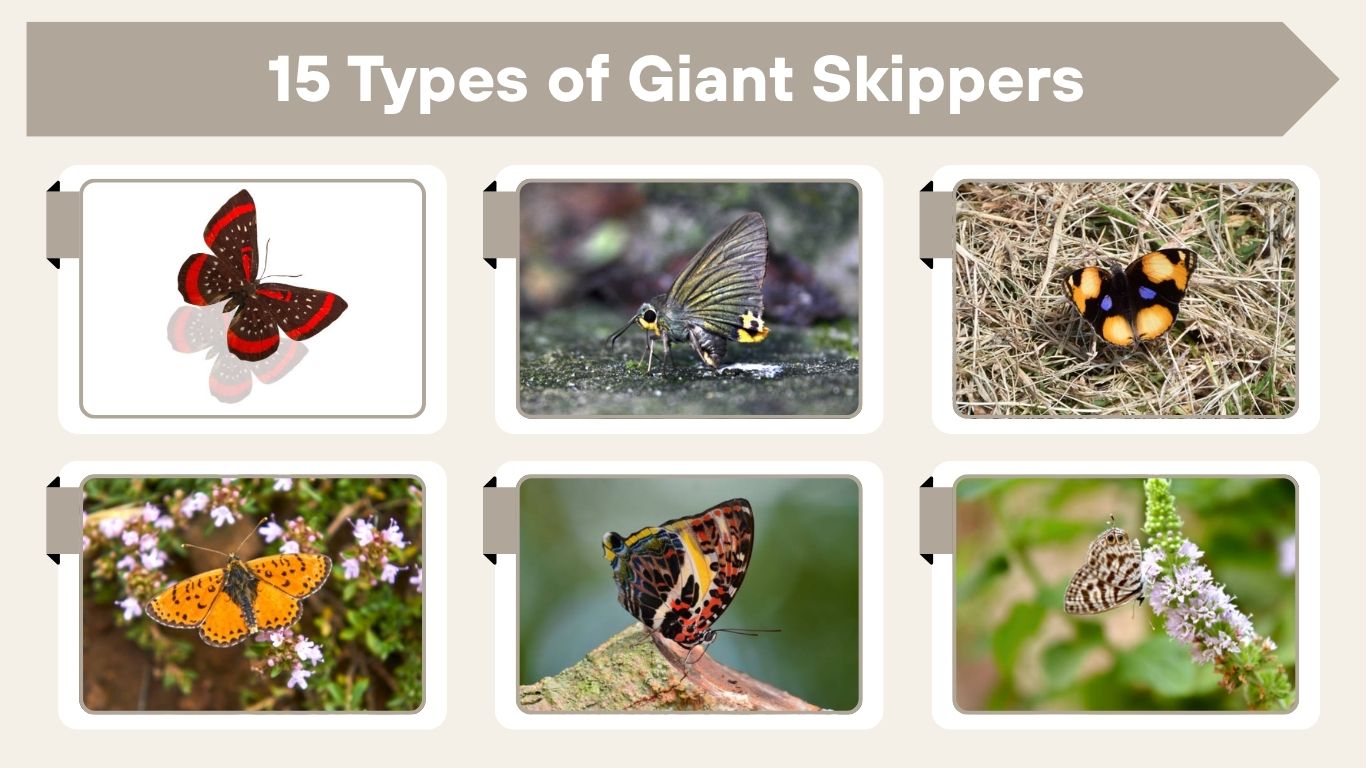
Giant skippers are a unique group of butterflies known for their large, heavy bodies and fast, powerful flight. Unlike many delicate butterflies, they look more robust and moth-like, with thick wings and strong muscles adapted for survival in hot, dry environments. Most species are closely tied to desert plants such as yucca and agave, which their larvae depend on for food and development.
These butterflies are rarely seen for long periods because much of their life cycle takes place hidden inside plant tissues. Adults usually live only briefly, focusing on mating and reproduction, while the caterpillars spend months or even years safely inside their host plants. In this guide, you’ll discover 15 different types of giant skippers, along with their key identification features and habitats.
1. Giant Skipper
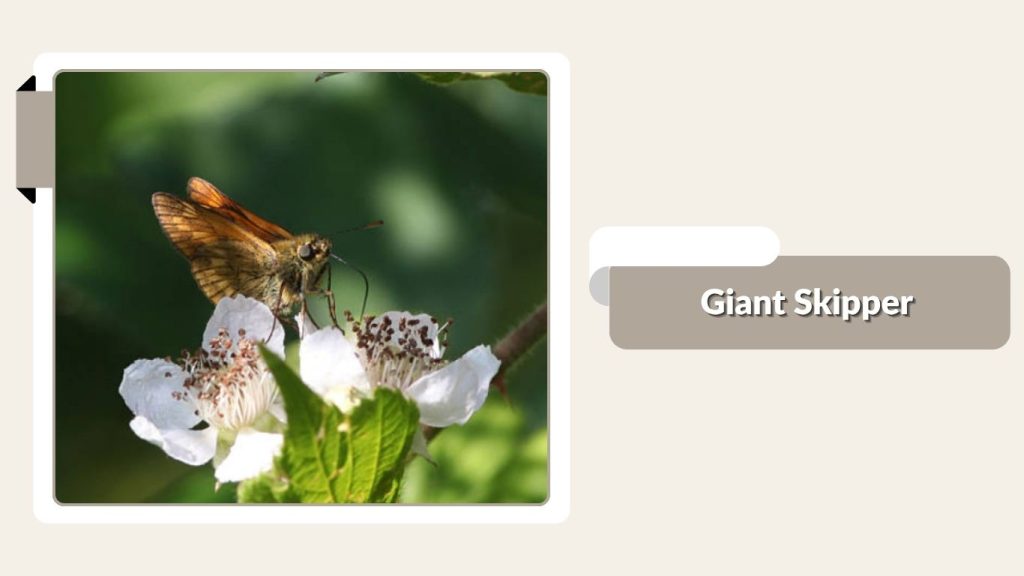
The Giant Skipper is one of the largest members of the skipper butterfly group, known for its fast flight and strong, robust body. Unlike typical delicate butterflies, giant skippers have a heavy build and powerful wings that allow them to move quickly through desert and grassland habitats. They are mostly found in North and Central America, where they are closely associated with specific host plants.
These butterflies are not often seen for long periods because they spend much of their time resting or flying quickly between plants. Their life cycle is closely tied to yucca and agave plants, which their caterpillars depend on for food.
Physical Appearance
Giant Skippers have thick, hairy bodies and broad wings that appear more moth-like than butterfly-like. Their wings are usually brown or gray with subtle markings that help them blend into dry environments. The antennae are hooked at the tips, a key feature of skipper butterflies. Females are often slightly larger than males.
Characteristics
- Large, heavy-bodied skipper butterfly
- Fast and powerful flight pattern
- Hooked antennae typical of skippers
- Caterpillars feed on yucca and agave plants
- Adults are strong but short-lived feeders
- Camouflaged brown or gray wing patterns
- Mostly active in warm, dry environments
Habitat and Distribution
Giant Skippers are mainly found in the southwestern United States, Mexico, and parts of Central America. They prefer deserts, scrublands, and dry grasslands where yucca and agave plants grow abundantly. Their distribution is closely tied to the presence of these host plants.
Behavior and Life Cycle
Adult Giant Skippers feed on nectar from desert flowers, while their larvae develop inside yucca or agave plants. The caterpillars bore into plant stems or leaves, feeding and growing safely inside. After pupation, adults emerge quickly, often living only a short time focused on reproduction.
2. Agathymus mariae
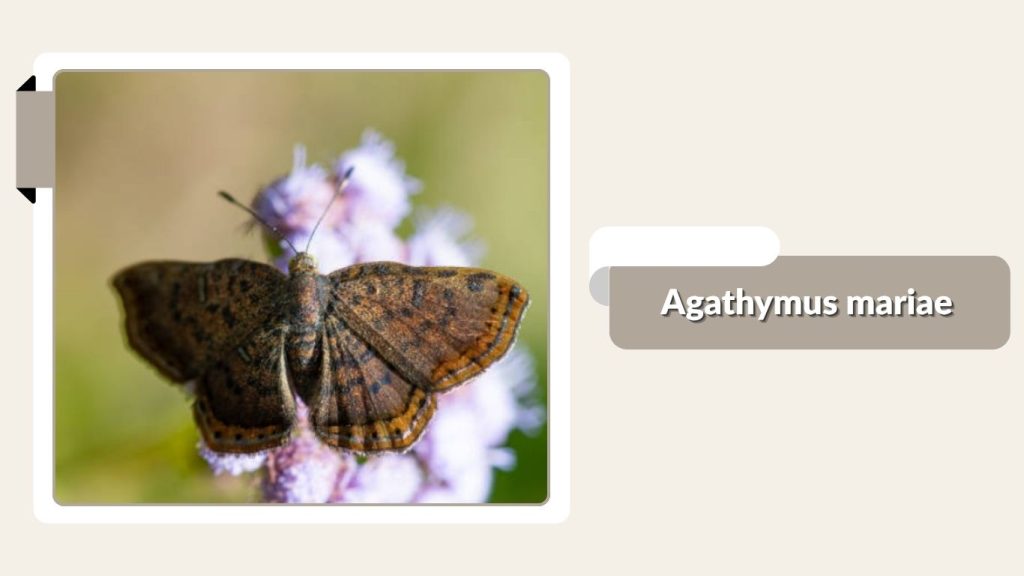
Agathymus mariae is a rare species of giant skipper butterfly known for its close relationship with desert plants, especially yucca species. Like other members of the giant skipper group, it has a heavy body, rapid flight, and a life cycle that depends strongly on specific host plants. This specialization makes it an important indicator of healthy desert ecosystems.
These butterflies are not commonly seen because adults spend much of their short lives focused on mating and reproduction. The caterpillars, however, live hidden inside yucca plants, where they develop safely away from predators. Because of this hidden lifestyle, much of their biology is still studied mainly through field observations.
Physical Appearance
Agathymus mariae has a thick, robust body covered with fine hairs. The wings are typically brown with subtle lighter markings that help it blend into dry surroundings. The underside of the wings is paler, providing camouflage when the butterfly rests on rocks or dried vegetation. Its antennae are hooked at the ends, a defining trait of all skipper butterflies. Males are usually slightly smaller and more active fliers than females.
Characteristics
- Large-bodied giant skipper butterfly
- Strong and fast flight capability
- Hooked antennae typical of skippers
- Larvae depend on yucca plants
- Short adult lifespan focused on reproduction
- Excellent camouflage in desert environments
- Solitary and non-migratory species
Habitat and Distribution
Agathymus mariae is mainly found in arid and semi-arid regions of North America, particularly in areas where yucca plants are abundant. It prefers desert scrublands, rocky slopes, and dry grasslands. The presence of its host plant is essential for its survival, so its distribution is very limited and localized.
Behavior and Life Cycle
Adult butterflies feed on nectar from desert flowers but do not live long. After mating, females lay eggs on yucca plants. Once hatched, the larvae bore into the plant tissue and feed internally for months or even years. This protected development stage allows them to survive extreme desert conditions before emerging as adults.
3. Agathymus aryxna
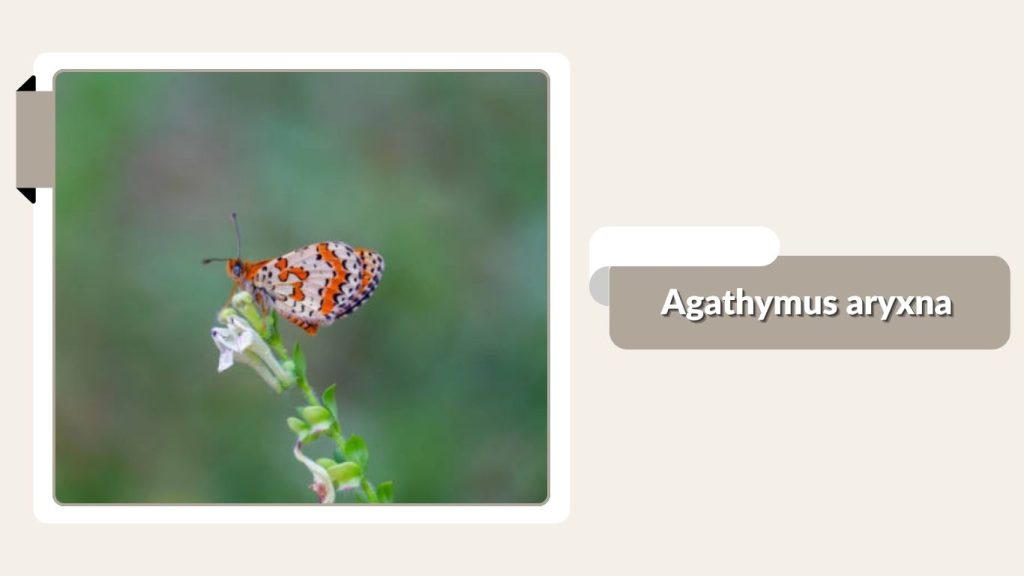
Agathymus aryxna is another specialized giant skipper species adapted to harsh desert environments. It is closely associated with agave plants, which serve as the primary food source for its larvae. Like other giant skippers, this species is rarely seen in large numbers and is highly dependent on the availability of its host plants.
Because of its secretive life cycle, Agathymus aryxna is most often observed during short adult flight periods. The rest of its life is spent hidden inside plant tissues, making it a difficult species to study in detail.
Physical Appearance
Agathymus aryxna has a strong, stocky body with broad wings that are typically dark brown or grayish. The wings may show faint lighter spots or bands that provide camouflage against rocky and sandy surfaces. The antennae are hooked, and the body is covered in short hairs that give it a slightly fuzzy appearance. Females are generally larger and less active in flight compared to males.
Characteristics
- Robust giant skipper butterfly
- Fast and direct flight style
- Hooked antennae characteristic of skippers
- Larvae feed inside agave plants
- Strong camouflage in desert habitats
- Short-lived adult stage
- Highly specialized life cycle
Habitat and Distribution
Agathymus aryxna is found in arid regions of the southwestern United States and northern Mexico. It is strongly tied to desert landscapes where agave plants grow. Rocky slopes, desert scrub, and dry hillsides are its preferred habitats. Without agave plants, the species cannot survive, making its distribution very restricted.
Behavior and Life Cycle
Adults primarily feed on nectar and are active for a brief period during suitable weather conditions. After mating, females lay eggs on agave plants. The larvae bore into the plant and feed internally, protected from predators and harsh environmental conditions. This hidden development stage can last a long time before the adult butterfly emerges to continue the cycle.
4. Agathymus evansi
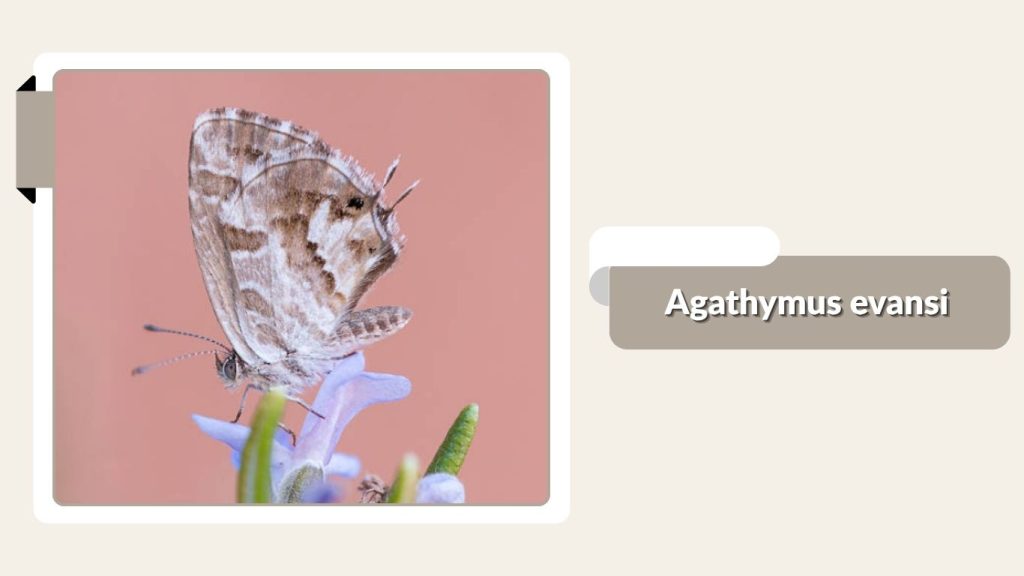
Agathymus evansi is a specialized giant skipper butterfly that is strongly adapted to desert environments. Like other members of the Agathymus genus, it has a close relationship with agave plants, which are essential for its survival. The species is rarely seen outside its short adult flight period because most of its life is spent hidden as a larva inside plant tissue.
This butterfly is an important part of arid ecosystem food chains, even though it is not frequently observed due to its secretive lifestyle and low population density.
Physical Appearance
Agathymus evansi has a thick, heavy-bodied structure with broad wings that are usually dark brown to grayish in color. The wings often show faint pale markings that help it blend into rocky and sandy surroundings. Its antennae are distinctly hooked at the tips, a key feature of skipper butterflies. The body is slightly hairy, giving it a rugged appearance suited for dry habitats.
Characteristics
- Large and robust skipper butterfly
- Strong, fast, and direct flight
- Hooked antennae typical of skippers
- Larvae depend on agave plants
- Short adult lifespan
- Excellent camouflage in desert terrain
- Highly specialized life cycle
Habitat and Distribution
Agathymus evansi is found in parts of the southwestern United States and northern Mexico. It inhabits dry deserts, rocky slopes, and scrublands where agave plants grow. Its distribution is very localized because it cannot survive without its specific host plant.
Behavior and Life Cycle
Adults feed on nectar from desert flowers and are mainly active during warm periods. After mating, females lay eggs on agave plants. The larvae then bore into the plant and feed internally, safely protected from predators and extreme environmental conditions. This hidden development stage may last many months before adult emergence.
5. Agathymus estelleae
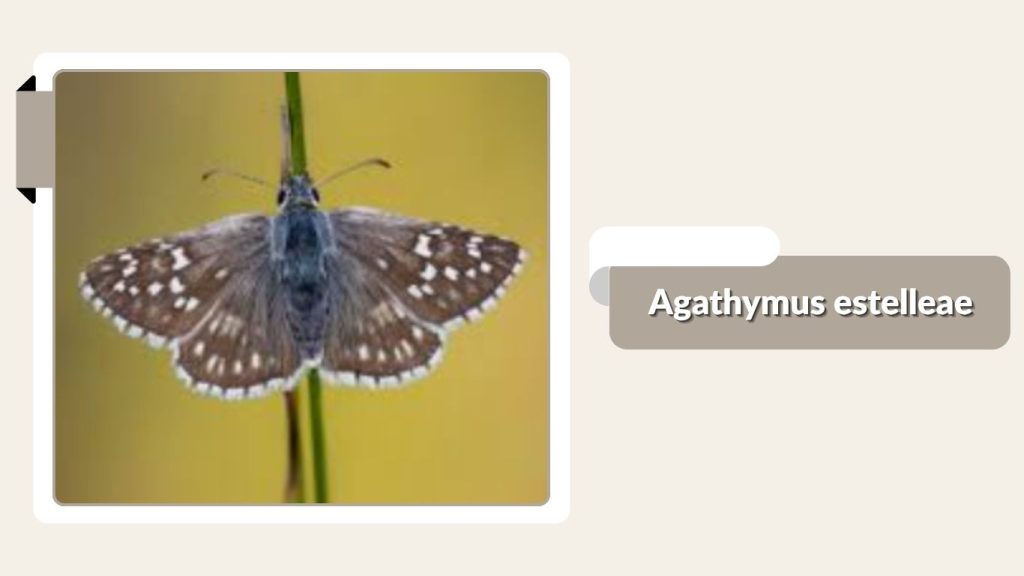
Agathymus estelleae is a rare and specialized giant skipper butterfly that is closely associated with desert ecosystems. It is part of a group of butterflies whose larvae depend entirely on agave plants for development. Because of this tight ecological relationship, its presence is often used to indicate healthy agave populations in its habitat.
Adults are short-lived and focused mainly on reproduction, while most of their life cycle remains hidden inside plant tissue. This makes the species difficult to observe in the wild.
Physical Appearance
Agathymus estelleae has a thick, sturdy body with broad wings that are typically dark brown or grayish. The wings may show subtle pale spots or faint patterns that help with camouflage. Its antennae are hooked at the tips, characteristic of skipper butterflies. The body is covered in fine hairs, giving it a slightly fuzzy appearance adapted for dry environments.
Characteristics
- Large-bodied giant skipper butterfly
- Strong and rapid flight ability
- Hooked antennae (skipper trait)
- Larvae feed inside agave plants
- Very short adult life stage
- Excellent desert camouflage
- Highly specialized host dependence
Habitat and Distribution
This species is found in arid regions of North America, especially in the southwestern United States and parts of Mexico. It inhabits desert scrublands, rocky slopes, and dry hills where agave plants grow. Its distribution is limited strictly to areas where its host plants are available.
Behavior and Life Cycle
Adult Agathymus estelleae feed on nectar from desert flowers and are active for a brief period during suitable weather. After mating, females lay eggs on agave plants. The larvae bore into the plant and develop internally, feeding safely within the tissue until they are ready to pupate and emerge as adults.
6. Agathymus neumoegeni
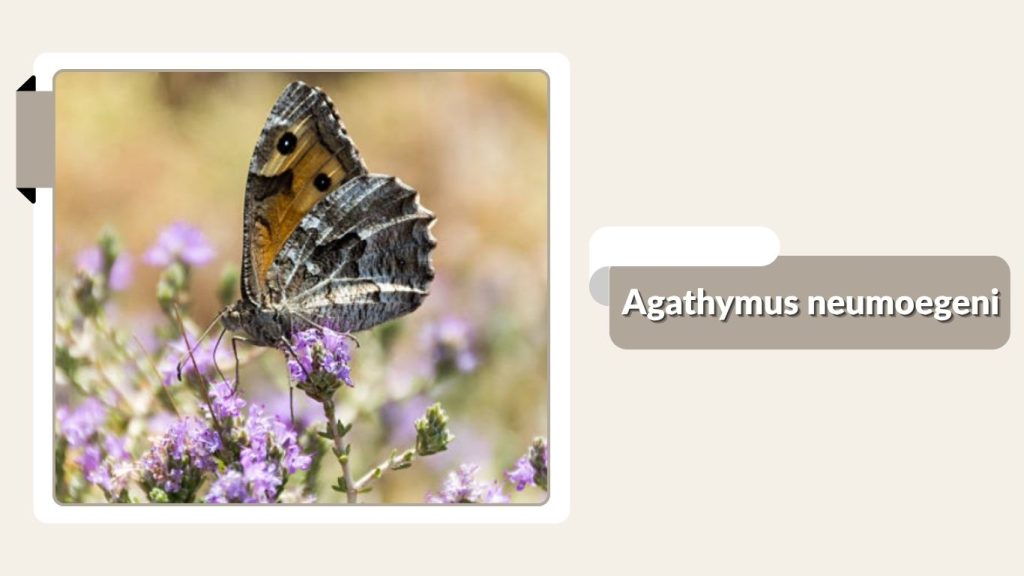
Agathymus neumoegeni is a desert-adapted giant skipper butterfly known for its close ecological relationship with yucca and agave plants. Like other members of its group, it has a secretive life cycle where most development occurs hidden inside plant tissues. This makes it a rarely observed species despite being present in suitable habitats.
Adults are strong flyers but live only for a short time, mainly focusing on reproduction and nectar feeding. The species is highly specialized, depending on specific host plants for survival.
Physical Appearance
Agathymus neumoegeni has a thick, robust body typical of giant skippers. Its wings are broad and usually dark brown or gray with faint lighter markings that provide camouflage in rocky and sandy environments. The antennae are hooked at the tips, a defining feature of skipper butterflies. Its body is slightly hairy, giving it a rough texture suited for dry climates.
Characteristics
- Large and heavy-bodied skipper butterfly
- Fast and direct flight pattern
- Hooked antennae typical of skippers
- Larvae feed inside yucca/agave plants
- Short adult lifespan focused on mating
- Strong desert camouflage
- Highly host-specific life cycle
Habitat and Distribution
This species is found in arid regions of the southwestern United States and northern Mexico. It inhabits desert scrublands, rocky slopes, and dry grasslands where yucca and agave plants grow. Its distribution is tightly linked to the presence of these host plants.
Behavior and Life Cycle
Adults feed on nectar from desert flowers and are active during warm periods. After mating, females lay eggs on host plants. The larvae then bore into the plant and develop internally, feeding safely within the tissues until they pupate and emerge as adults.
7. Agathymus hewitsonius
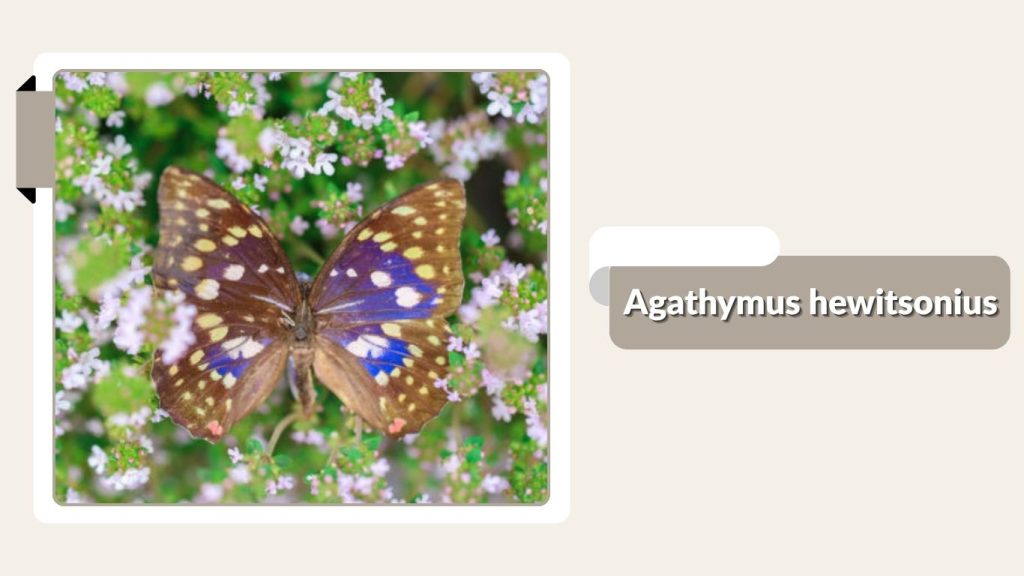
Agathymus hewitsonius is another highly specialized giant skipper species adapted to dry, rugged landscapes. It is part of a group of butterflies whose larvae develop inside agave or related desert plants. Because of this hidden lifestyle, the species is rarely seen except during short adult flight periods.
This butterfly is an important part of desert ecosystems, with its survival closely tied to the health of its host plants.
Physical Appearance
Agathymus hewitsonius has a stout, heavy body with broad wings that are usually dark brown to gray. The wings may show faint pale patches that help it blend into rocky terrain. Its antennae are distinctly hooked at the tips, and its body is covered in fine hairs that give it a slightly fuzzy look.
Characteristics
- Robust giant skipper butterfly species
- Fast and powerful flight ability
- Hooked antennae typical of skippers
- Larvae develop inside desert plants
- Short-lived adult stage
- Excellent camouflage in arid habitats
- Highly specialized life cycle
Habitat and Distribution
This species is found in parts of North America, especially the southwestern United States and Mexico. It lives in desert scrub, rocky hillsides, and dry grasslands where agave or related host plants grow. Its distribution is limited to areas where these plants are available.
Behavior and Life Cycle
Adults feed on nectar from desert flowers and are active for a short period during favorable conditions. After mating, females lay eggs on host plants. The larvae bore into the plant and live inside it, feeding and developing safely until they emerge as adults to continue the cycle.
8. Agathymus remingtoni
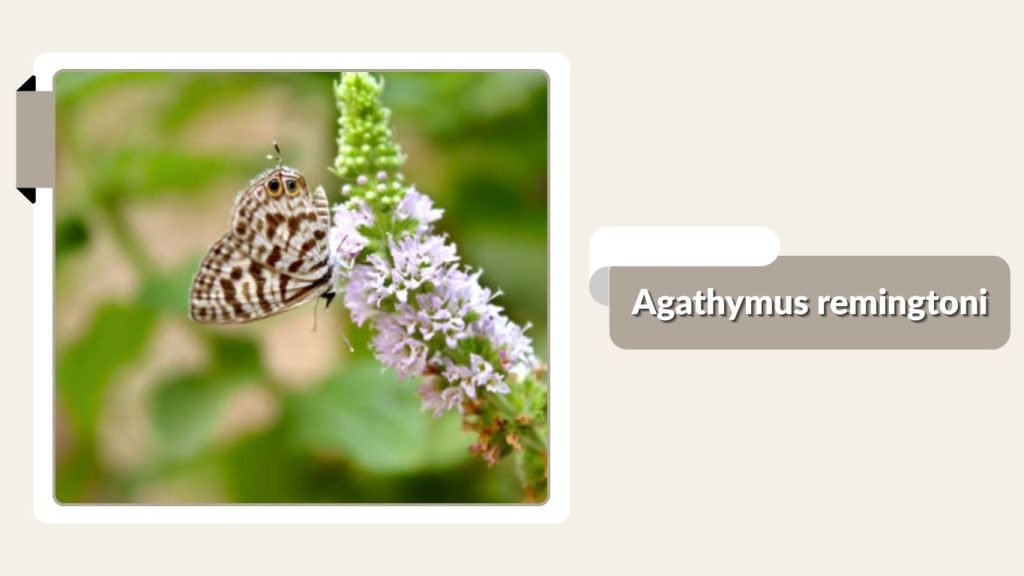
Agathymus remingtoni is a specialized giant skipper butterfly that lives in dry desert ecosystems. Like other members of its genus, it has a strong dependency on specific host plants such as yucca or agave, where its larvae complete most of their development. Because of this hidden life cycle, it is rarely observed in nature except during brief adult flight periods.
This species is well adapted to harsh, arid conditions and survives in environments where few other butterflies can thrive. Its secretive behavior and plant-based larval development make it an important part of desert biodiversity.
Physical Appearance
Agathymus remingtoni has a thick, heavy body with broad wings that are typically brown or grayish in color. The wings often display subtle lighter markings that provide camouflage against rocks and dry vegetation. Its antennae are hooked at the tips, a characteristic feature of skipper butterflies. The body is slightly hairy, giving it a rough texture suited for dry environments.
Characteristics
- Large-bodied giant skipper butterfly
- Strong and fast flight
- Hooked antennae typical of skippers
- Larvae feed inside yucca/agave plants
- Short adult lifespan
- Excellent desert camouflage
- Highly specialized life cycle
Habitat and Distribution
This species is found in arid regions of the southwestern United States and northern Mexico. It inhabits desert scrublands, rocky slopes, and dry grasslands where its host plants grow. Its distribution is tightly linked to the presence of yucca and agave species.
Behavior and Life Cycle
Adults feed on nectar from desert flowers and are active for a short time during warm conditions. After mating, females lay eggs on host plants. The larvae bore into the plant and live inside it, feeding safely until they are ready to pupate and emerge as adults.
9. Agathymus alliae
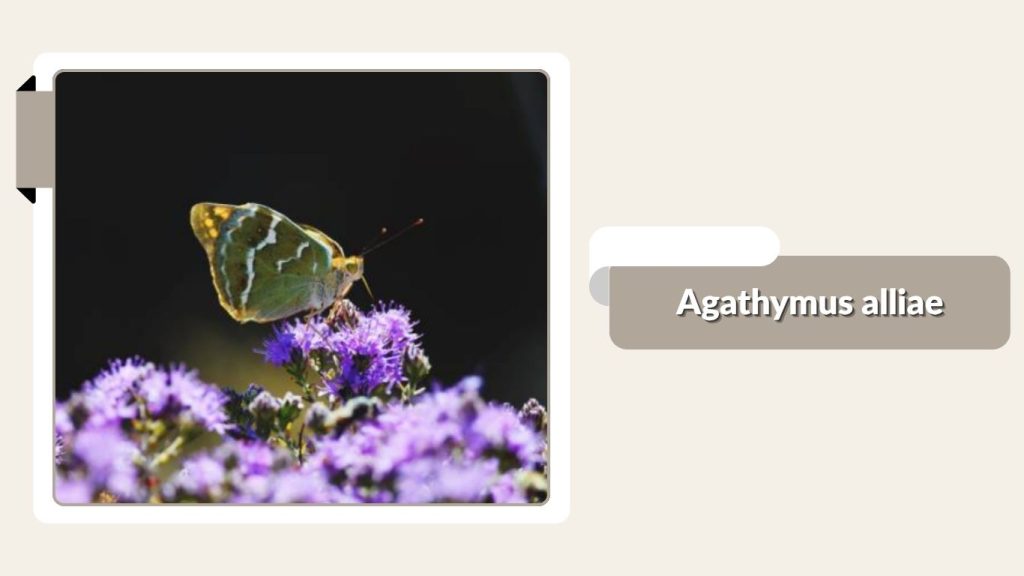
Agathymus alliae is another rare giant skipper butterfly adapted to desert and semi-desert environments. It is closely associated with agave plants, which serve as the sole food source for its developing larvae. This strong ecological dependency makes it highly sensitive to habitat changes.
Because of its hidden larval stage and brief adult lifespan, it is not commonly seen, even in areas where it naturally occurs.
Physical Appearance
Agathymus alliae has a stout and heavy-bodied form typical of giant skippers. Its wings are broad and usually dark brown with faint lighter patches that help it blend into dry landscapes. The antennae are hooked at the ends, a key identifying feature of skipper butterflies. Its body is covered with fine hairs that give it a slightly fuzzy appearance.
Characteristics
- Robust giant skipper butterfly
- Fast and direct flight style
- Hooked antennae typical of skippers
- Larvae depend on agave plants
- Short-lived adult stage
- Strong camouflage in desert habitats
- Highly specialized life cycle
Habitat and Distribution
This species is found in the southwestern United States and northern Mexico. It lives in desert scrub, rocky hillsides, and dry grasslands where agave plants are present. Its range is restricted to regions where suitable host plants grow.
Behavior and Life Cycle
Adults feed on nectar from desert flowers and are active for only a short period. After mating, females lay eggs on agave plants. The larvae bore into the plant tissue and develop internally, feeding safely until they pupate and emerge as adults to continue the cycle.
10. Agathymus rethon
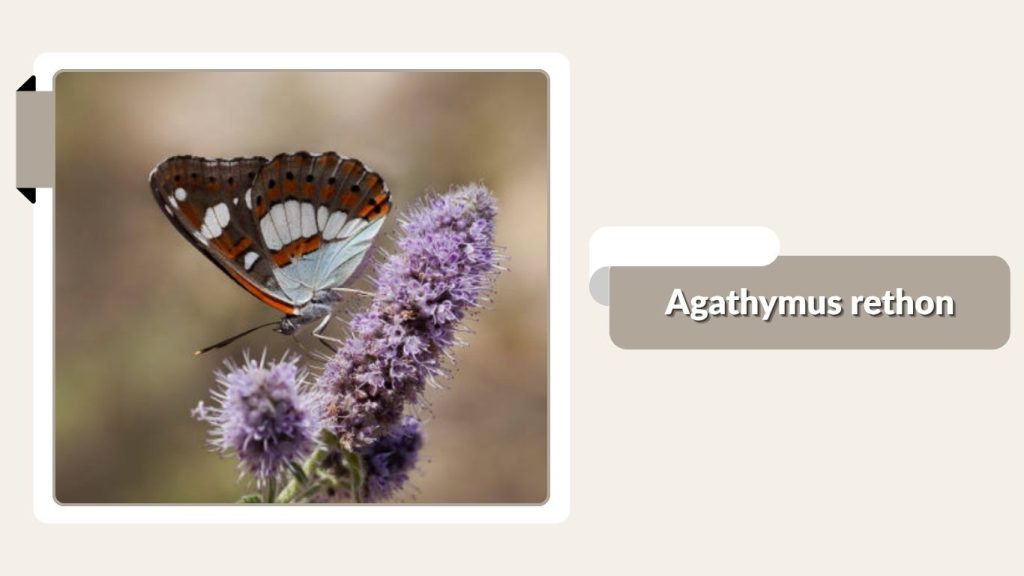
Agathymus rethon is a specialized giant skipper butterfly adapted to hot, dry environments. Like other members of the genus, it has a close relationship with agave plants, which are essential for the survival of its larvae. The species is rarely observed in the wild because most of its life is spent hidden inside plant tissues.
Adults have a short lifespan and are mainly focused on reproduction and feeding on nectar. Its secretive habits and dependence on specific plants make it an important but difficult-to-study desert butterfly.
Physical Appearance
Agathymus rethon has a thick, robust body with broad wings that are typically dark brown or grayish. The wings may show faint pale markings that help it blend into rocky desert surroundings. Its antennae are hooked at the tips, a defining feature of skipper butterflies. The body is slightly hairy, giving it a rugged texture suited for arid climates.
Characteristics
- Large and heavy-bodied skipper butterfly
- Fast and direct flight pattern
- Hooked antennae typical of skippers
- Larvae depend on agave plants
- Short adult lifespan
- Excellent camouflage in desert terrain
- Highly specialized life cycle
Habitat and Distribution
This species is found in arid regions of North America, especially in the southwestern United States and northern Mexico. It inhabits desert scrublands, rocky slopes, and dry grasslands where agave plants grow. Its distribution is closely tied to the availability of these host plants.
Behavior and Life Cycle
Adults feed on nectar from desert flowers and are active during warm periods. After mating, females lay eggs on agave plants. The larvae then bore into the plant and develop internally, feeding safely within the tissue until they pupate and emerge as adults.
11. Agathymus nevada
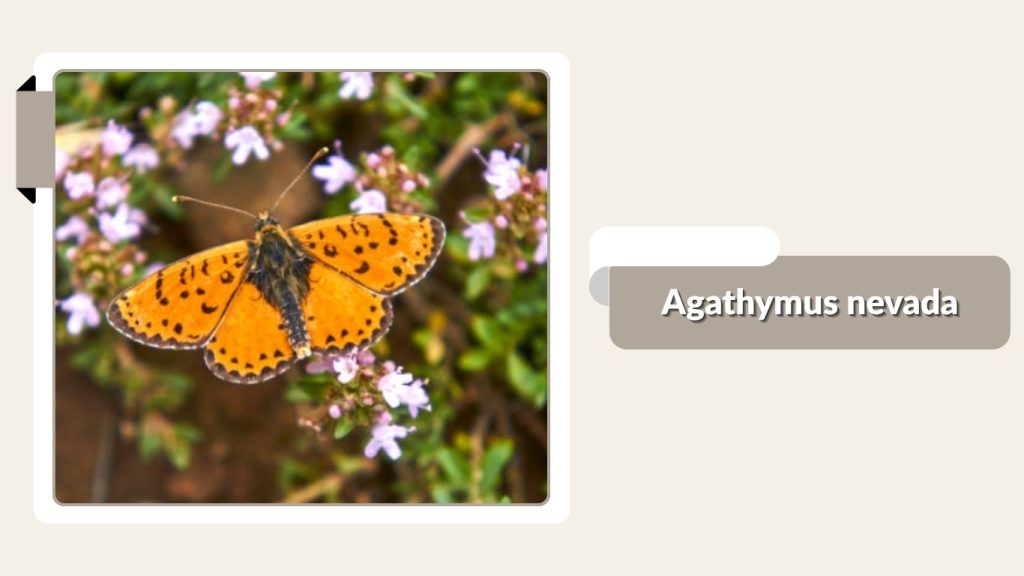
Agathymus nevada is a giant skipper butterfly associated with desert and semi-arid regions of North America. It is named after its geographic connection to the Nevada region. Like other giant skippers, it has a highly specialized life cycle that depends on agave or related host plants for larval development.
This species is seldom seen because its immature stages are hidden inside plants, and adults are active only for a short time.
Physical Appearance
Agathymus nevada has a stout, heavy body and broad wings that are typically brown to gray in color. The wings often display faint lighter patches that provide camouflage in rocky and sandy habitats. Its antennae are hooked at the tips, a key trait of skipper butterflies. The body is covered with fine hairs that help it blend into dry environments.
Characteristics
- Robust giant skipper butterfly species
- Fast and strong flight ability
- Hooked antennae typical of skippers
- Larvae develop inside desert plants
- Short adult lifespan
- Strong camouflage in arid landscapes
- Highly specialized host dependence
Habitat and Distribution
This species is found in the southwestern United States, particularly in desert and semi-desert regions such as Nevada and surrounding states. It prefers dry grasslands, rocky slopes, and scrub habitats where agave plants are available.
Behavior and Life Cycle
Adults feed on nectar from desert flowers and are active during warm weather conditions. After mating, females lay eggs on host plants. The larvae bore into the plant tissue and feed internally, protected from predators and harsh environmental conditions until adulthood.
12. Stallingsia maculosus
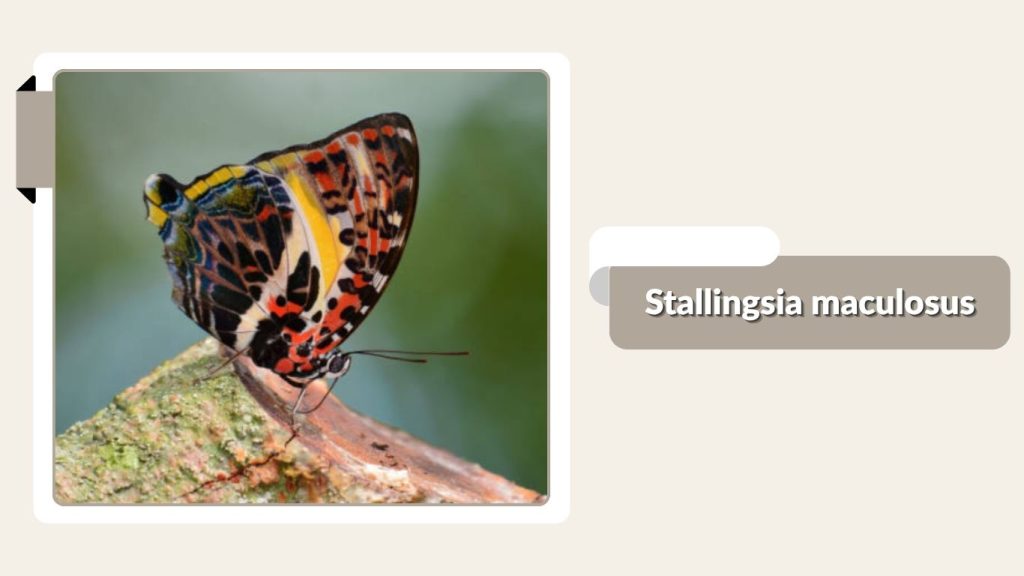
Stallingsia maculosus is a distinctive giant skipper butterfly known for its close association with yucca plants in arid environments. Like other giant skippers, it has a robust body and a life cycle that is tightly linked to specific host plants. It is rarely observed outside of its short adult flight period because most of its development occurs hidden inside plant tissues.
This species is an important part of desert ecosystems, where it contributes to pollination as an adult and interacts closely with yucca plants during its larval stage.
Physical Appearance
Stallingsia maculosus has a thick, heavy-bodied structure with broad wings that are typically brownish with lighter spotted or mottled markings. These patterns help it blend into dry, rocky surroundings. The antennae are hooked at the tips, a key characteristic of skipper butterflies. Its body is slightly hairy, giving it a rugged appearance suited for desert life.
Characteristics
- Large-bodied giant skipper butterfly
- Fast and direct flight style
- Hooked antennae typical of skippers
- Larvae feed on yucca plants
- Short adult lifespan focused on reproduction
- Spotted wing pattern for camouflage
- Highly specialized desert life cycle
Habitat and Distribution
This species is found in parts of the southwestern United States and northern Mexico. It inhabits desert scrublands, rocky slopes, and dry grasslands where yucca plants grow. Its distribution is closely tied to the availability of its host plant.
Behavior and Life Cycle
Adults feed on nectar from desert flowers and are active during warm periods. After mating, females lay eggs on yucca plants. The larvae bore into the plant and develop internally, feeding safely within the tissue until they pupate and emerge as adults.
13. Stallingsia smithi
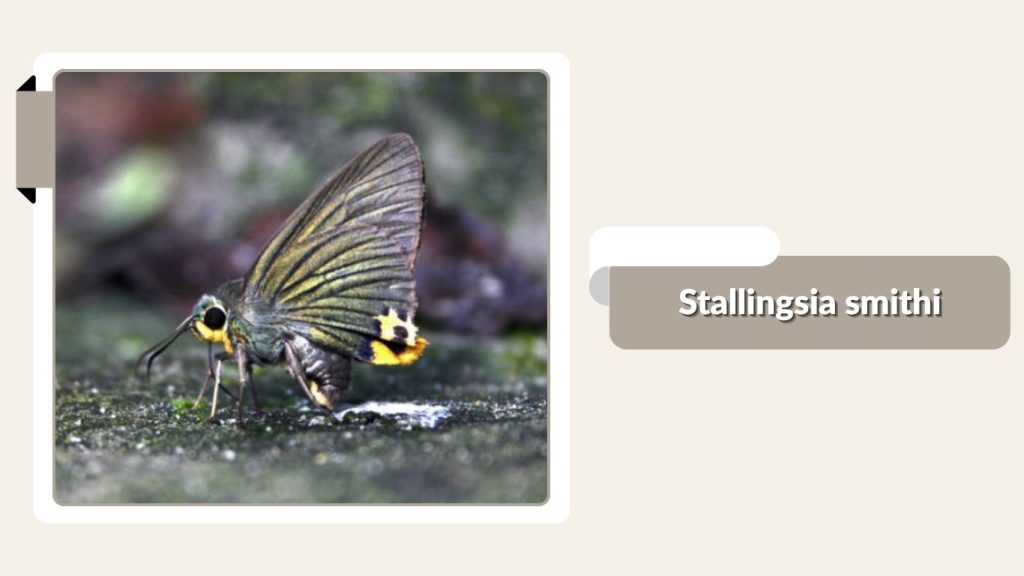
Stallingsia smithi is a rare giant skipper butterfly adapted to dry, open environments. It shares the typical characteristics of its group, including a strong body, rapid flight, and a highly specialized larval dependence on yucca or related desert plants. Because of this hidden development stage, it is not commonly seen in nature.
This species plays a subtle but important role in desert ecosystems, especially in areas where yucca plants are abundant.
Physical Appearance
Stallingsia smithi has a stout, heavy body with broad wings that are usually brown or gray with faint lighter markings. These markings help it blend into rocky and sandy habitats. The antennae are distinctly hooked at the ends, a defining trait of skipper butterflies. The body is covered with fine hairs that give it a slightly fuzzy texture.
Characteristics
- Robust giant skipper butterfly species
- Fast and powerful flight
- Hooked antennae typical of skippers
- Larvae depend on yucca plants
- Short adult lifespan
- Strong desert camouflage
- Highly specialized life cycle
Habitat and Distribution
This species is found in the southwestern United States and northern Mexico. It lives in desert scrublands, dry grasslands, and rocky hillsides where yucca plants grow. Its distribution is closely tied to these host plants, making it locally restricted.
Behavior and Life Cycle
Adults feed on nectar from desert flowers and are active for a short period during favorable weather. After mating, females lay eggs on yucca plants. The larvae bore into the plant and develop internally, feeding safely until they pupate and emerge as adults.
14. Stallingsia testacea
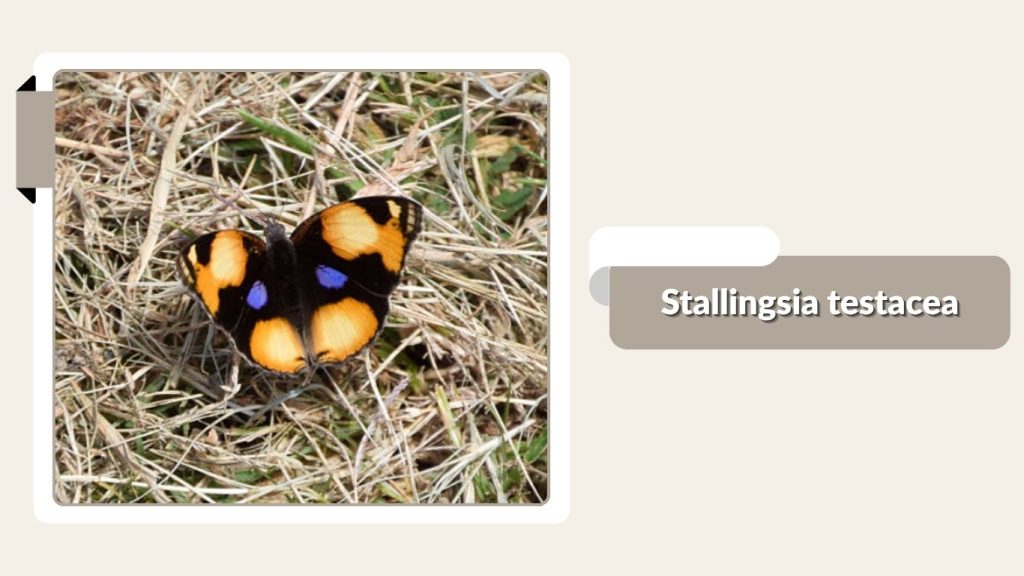
Stallingsia testacea is a desert-adapted giant skipper butterfly known for its strong dependence on yucca plants. Like other members of its genus, it has a robust body, fast flight, and a life cycle that is tightly linked to specific host plants. Most of its development happens hidden inside plant tissue, making it difficult to observe in nature.
Adults are short-lived and mainly focused on reproduction, while larvae spend long periods protected within yucca plants. This hidden lifestyle helps the species survive in harsh desert environments.
Physical Appearance
Stallingsia testacea has a thick, sturdy body with broad wings that are typically pale brown to grayish in color. The wings often show subtle lighter patterns that provide camouflage against dry soil and rocks. Its antennae are hooked at the tips, a key feature of skipper butterflies. The body is slightly hairy, giving it a rough, desert-adapted look.
Characteristics
- Large-bodied giant skipper butterfly
- Fast and strong flight ability
- Hooked antennae typical of skippers
- Larvae feed inside yucca plants
- Short adult lifespan
- Excellent camouflage in arid habitats
- Highly specialized life cycle
Habitat and Distribution
This species is found in the southwestern United States and northern Mexico. It inhabits deserts, scrublands, and dry grasslands where yucca plants are present. Its distribution is closely tied to the availability of these host plants.
Behavior and Life Cycle
Adults feed on nectar from desert flowers and are active during warm weather conditions. After mating, females lay eggs on yucca plants. The larvae bore into the plant and develop internally, feeding safely until they pupate and emerge as adults.
15. Megathymus streckeri
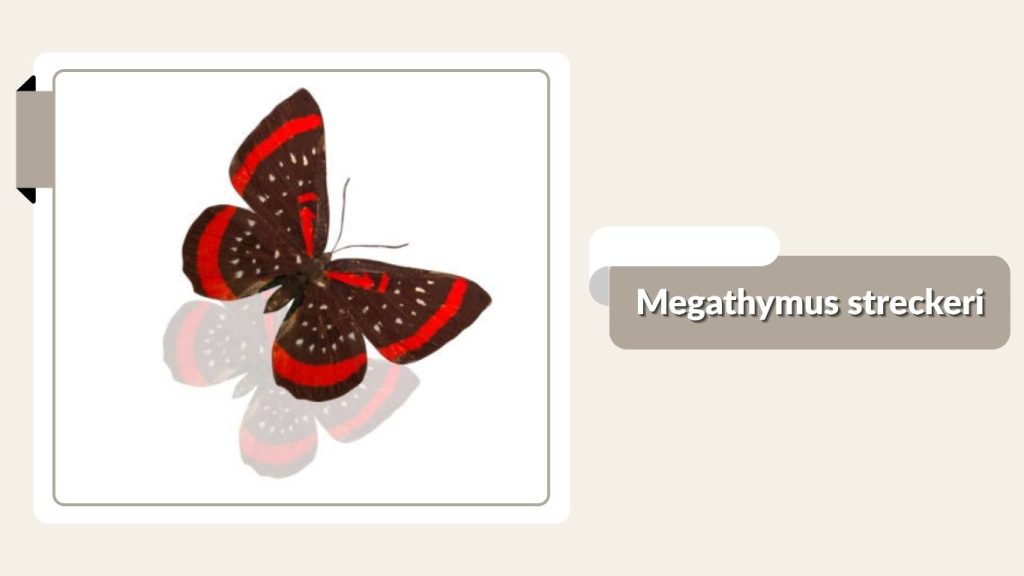
Megathymus streckeri is one of the larger and more robust giant skipper butterflies, known for its strong association with yucca plants. It is a specialized desert species with a life cycle that depends heavily on underground or internal plant feeding during its larval stage. Because of this hidden development, adults are rarely seen outside their short flight period.
This species is well adapted to arid environments and plays an important role in desert ecosystems where yucca plants are common.
Physical Appearance
Megathymus streckeri has a thick, powerful body and broad wings that are usually dark brown with lighter markings. These markings help it blend into rocky and sandy environments. The antennae are hooked at the tips, characteristic of skipper butterflies. Its body is covered with fine hairs, giving it a rugged, desert-adapted appearance.
Characteristics
- Large and robust giant skipper butterfly
- Strong and fast flight pattern
- Hooked antennae typical of skippers
- Larvae feed inside yucca plants
- Short adult lifespan focused on reproduction
- Effective camouflage in desert habitats
- Highly specialized ecological relationship
Habitat and Distribution
This species is found in the southwestern United States and northern Mexico. It prefers desert scrublands, rocky slopes, and dry grasslands where yucca plants grow. Its distribution is closely linked to the presence of these host plants.
Behavior and Life Cycle
Adults feed on nectar from desert flowers and are active for a short period during suitable weather. After mating, females lay eggs on yucca plants. The larvae then bore into the plant and develop internally, feeding safely until they pupate and emerge as adults.
FAQs About Giant Skippers
What are giant skippers?
Giant skippers are a group of large, robust butterflies belonging to the skipper family. They are known for their fast flight, thick bodies, and strong association with desert plants like yucca and agave.
Why are giant skippers called “giant”?
They are called “giant” because they are much larger and heavier than typical skipper butterflies. Their wings are broader, and their bodies are more powerful and moth-like in appearance.
Where do giant skippers live?
Most giant skippers are found in North America, especially in the southwestern United States and Mexico. They prefer deserts, scrublands, and dry grasslands where yucca and agave plants grow.
What do giant skipper caterpillars eat?
The caterpillars feed mainly inside yucca or agave plants. They bore into the plant tissue and develop safely inside, protected from predators and harsh environmental conditions.
Are giant skippers common to see?
No, giant skippers are rarely seen because their larvae stay hidden inside plants, and adults have a very short lifespan focused on reproduction.
How long do giant skippers live?
Adult giant skippers usually live only a short time—often just long enough to mate and lay eggs. Most of their life is spent in the larval stage inside host plants.
Are giant skippers harmful to plants?
They can cause some damage to yucca or agave plants during larval feeding, but they are a natural part of the ecosystem and usually do not destroy healthy plant populations.
What makes giant skippers unique?
Their unusual combination of butterfly and moth-like features, hidden larval lifestyle inside plants, and strong dependency on specific host species make them highly specialized and unique among butterflies.