
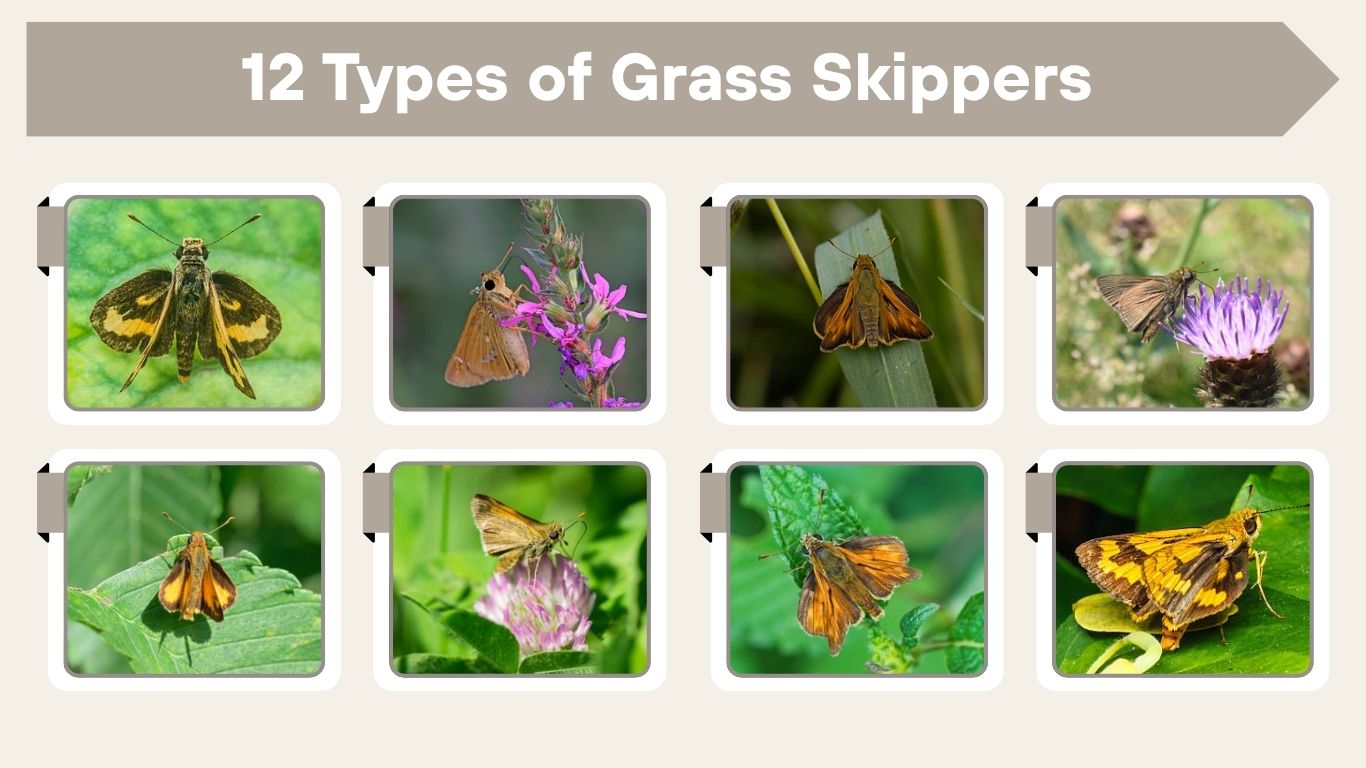
Grass skippers are small, fast-flying butterflies often seen in lawns, meadows, gardens, roadsides, wetlands, and woodland edges. They usually have compact bodies, short wings, and orange, brown, or dark markings that can make identification challenging. Many species look similar at first glance, but details such as wing spots, color patterns, habitat, size, and flight style can help separate them. This guide covers 12 common types of grass skippers, with simple identification notes, habitat information, behavior, diet, and lifecycle details to help you recognize these active butterflies more easily in the field.
1. Fiery Skipper
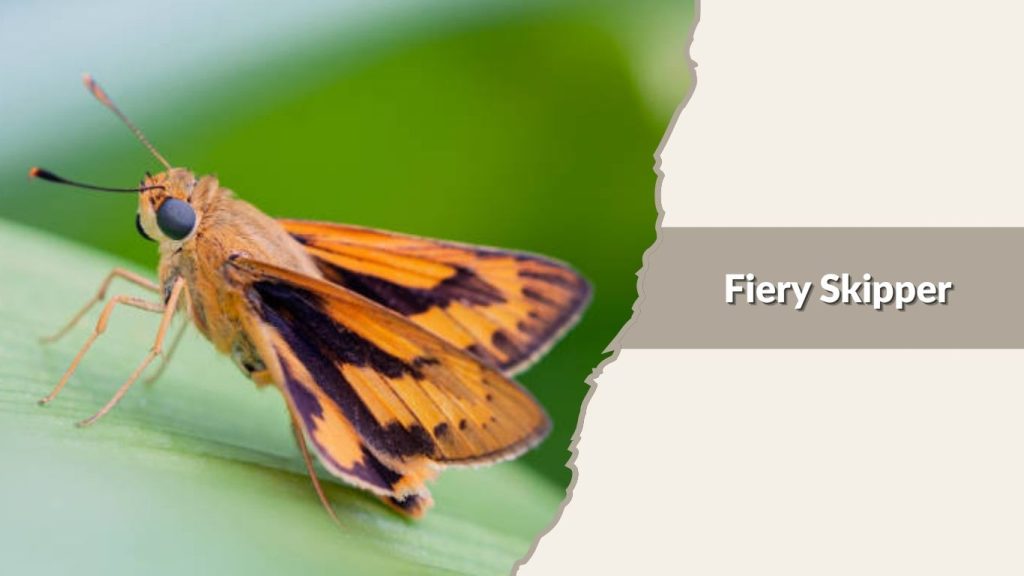
The Fiery Skipper is a small grass skipper known for its bright orange coloring and quick, darting flight. It is commonly seen in gardens, lawns, meadows, roadsides, and open sunny areas. This species often visits low-growing flowers and grasses, making it one of the easier skippers to notice in warm regions.
Identification
- Small butterfly with a compact body and short, pointed wings.
- Males are usually bright orange with dark markings.
- Females are more brownish with orange patches.
- The underside of the hindwing often shows small dark spots.
- Wings are usually held partly open or angled when resting.
- The body appears fuzzy and orange-brown.
- Often seen flying low over grass, lawns, and flower beds.
Habitat and Distribution
The Fiery Skipper is often found in warm, open habitats with plenty of grasses and flowers. It lives in lawns, gardens, parks, fields, roadsides, meadows, and disturbed grassy areas. It is common in the southern United States and may spread northward during warmer seasons.
Behavior and Diet
Adult Fiery Skippers feed on nectar from many small flowers, including lantana, clover, asters, zinnias, and other garden blooms. They fly quickly from flower to flower and often stay close to the ground. Males may perch in sunny spots and watch for females or rival males.
Lifecycle
The Fiery Skipper begins life as an egg laid on or near grass blades. The caterpillar feeds on grasses and usually hides inside a folded or tied leaf shelter. After growing through several stages, it forms a chrysalis. Adults emerge in warm weather and may produce several generations in suitable climates.
2. Sachem Skipper
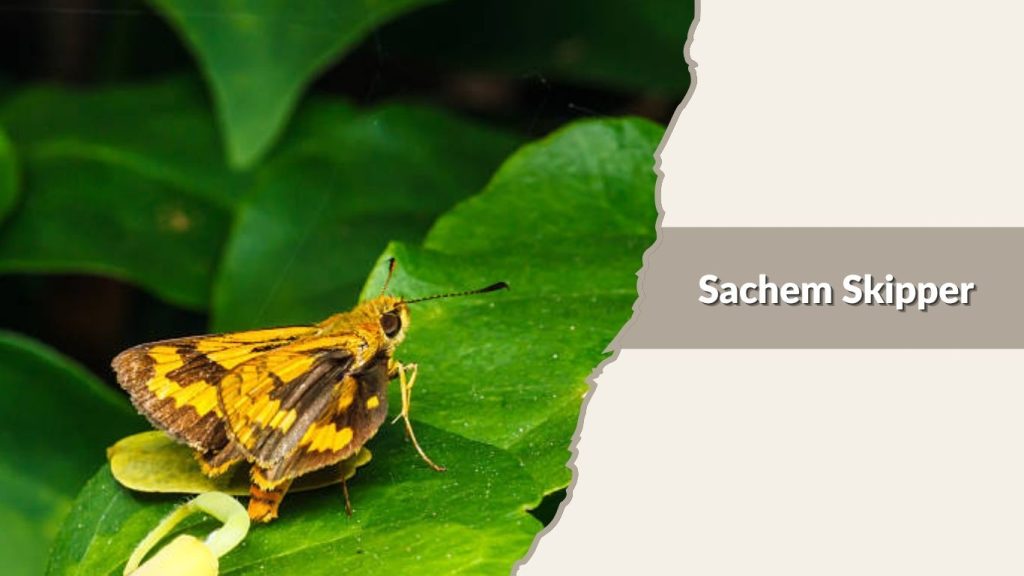
The Sachem Skipper is a small grass skipper known for its orange-brown wings, fast flight, and common presence in open sunny habitats. It is often seen in gardens, fields, lawns, roadsides, and meadows. This species is adaptable and may become especially noticeable when adults visit flowers during warm weather.
Identification
- Small butterfly with a sturdy body and short wings.
- Males are usually bright orange with a dark border on the wings.
- Females are more brownish with lighter spots and patches.
- The underside of the hindwing often has pale square-shaped spots.
- Wings may be held at an angle when resting.
- The body is fuzzy and brownish orange.
- Often seen flying low over grasses and flowers.
Habitat and Distribution
The Sachem Skipper lives in open grassy habitats such as lawns, fields, roadsides, gardens, parks, meadows, and disturbed areas. It is common in many warm regions and can expand into northern areas during the growing season. Places with both grasses and nectar flowers are especially suitable.
Behavior and Diet
Adult Sachem Skippers feed on nectar from many flowers, including clover, asters, lantana, zinnias, thistles, and other low-growing blooms. They fly quickly and often perch in sunny spots between feeding trips. Males may patrol or wait near grasses to find females.
Lifecycle
The life cycle begins when females lay eggs on grasses. The caterpillars feed on grass blades and often create small shelters by folding or tying leaves together. After feeding and growing, the caterpillar pupates inside a protected shelter. Adults emerge in warm weather, and several generations may occur in suitable climates.
3. Peck’s Skipper
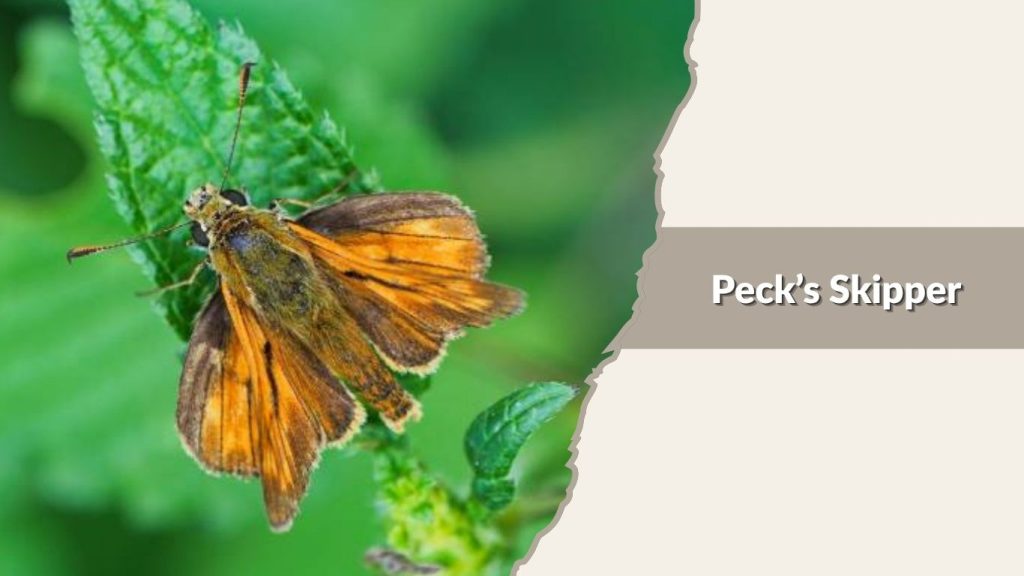
Peck’s Skipper is a small grass skipper known for its orange, brown, and yellow markings. It is often found in meadows, fields, gardens, roadsides, and other grassy places with flowers. This species has a quick, low flight and commonly visits nectar plants during warm sunny days.
Identification
- Small butterfly with a compact, fuzzy body.
- Wings are usually orange-brown with darker borders.
- The underside of the hindwing often shows a pale yellow patch or band.
- Males are usually brighter orange than females.
- Females tend to look darker brown with lighter markings.
- Wings are often held partly open or angled when resting.
- Commonly seen flying low over grass and wildflowers.
Habitat and Distribution
Peck’s Skipper lives in open grassy habitats such as meadows, old fields, roadsides, parks, lawns, gardens, and woodland edges. It is commonly found in eastern and central North America. Areas with grasses for caterpillars and nectar flowers for adults are especially suitable.
Behavior and Diet
Adult Peck’s Skippers feed on nectar from many small flowers, including clover, asters, milkweed, thistles, and other meadow plants. They fly quickly from flower to flower and often perch in sunny spots. Their low, darting flight makes them easy to notice in grassy habitats.
Lifecycle
The life cycle begins when females lay eggs on grasses. The caterpillars feed on grass blades and make shelters by tying or folding leaves. After growing through several stages, they pupate in a hidden shelter. Adults emerge during the warm season, and more than one generation may occur in some areas.
4. Tawny-edged Skipper
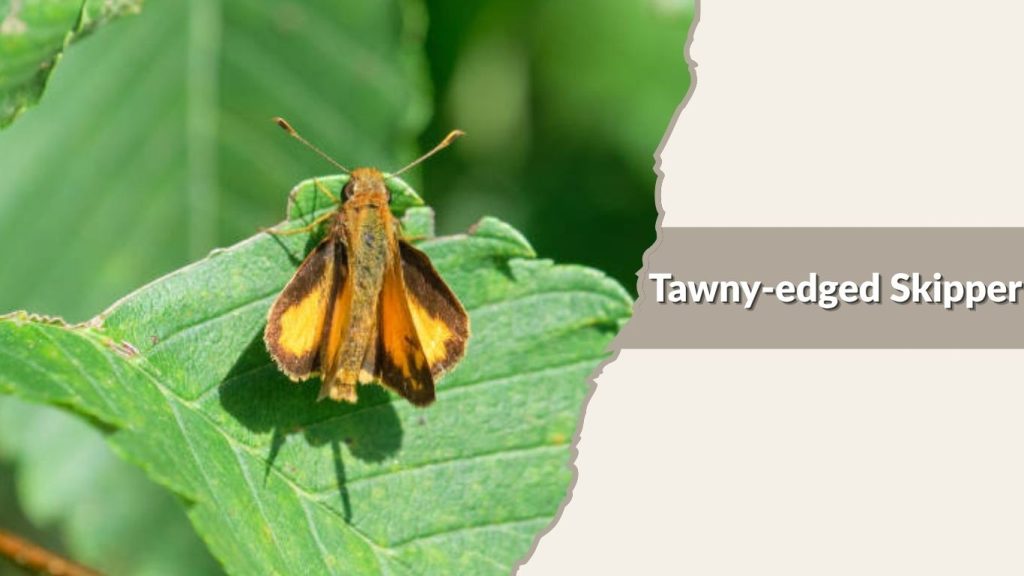
The Tawny-edged Skipper is a small grass skipper named for the warm tawny-orange edge often seen along its wings. It is commonly found in open grassy habitats such as meadows, fields, roadsides, gardens, and woodland edges. This species has a quick, low flight and often visits small flowers for nectar.
Identification
- Small butterfly with a compact, fuzzy body.
- Wings are mostly brown with tawny-orange edging.
- Males often have more orange coloring than females.
- Females are usually darker brown with lighter markings.
- The underside of the wings may appear yellowish brown or tan.
- Wings are often held partly open or angled when resting.
- Commonly seen flying low through grasses and wildflowers.
Habitat and Distribution
The Tawny-edged Skipper lives in meadows, grasslands, old fields, roadsides, gardens, parks, lawns, and open woodland edges. It is found across parts of North America, especially where grasses and nectar flowers grow together. It prefers sunny places with low vegetation and open flying space.
Behavior and Diet
Adult Tawny-edged Skippers feed on nectar from small flowers such as clover, asters, milkweed, thistles, and other meadow blooms. They fly close to the ground and often perch on grasses or flowers in sunny areas. Males may watch from low perches while waiting for females.
Lifecycle
The life cycle begins when females lay eggs on grasses. The caterpillars feed on grass blades and hide in shelters made from folded or tied leaves. After growing through several stages, they pupate in a protected place. Adults emerge during the warm season and continue the cycle in suitable grassy habitats.
5. Crossline Skipper
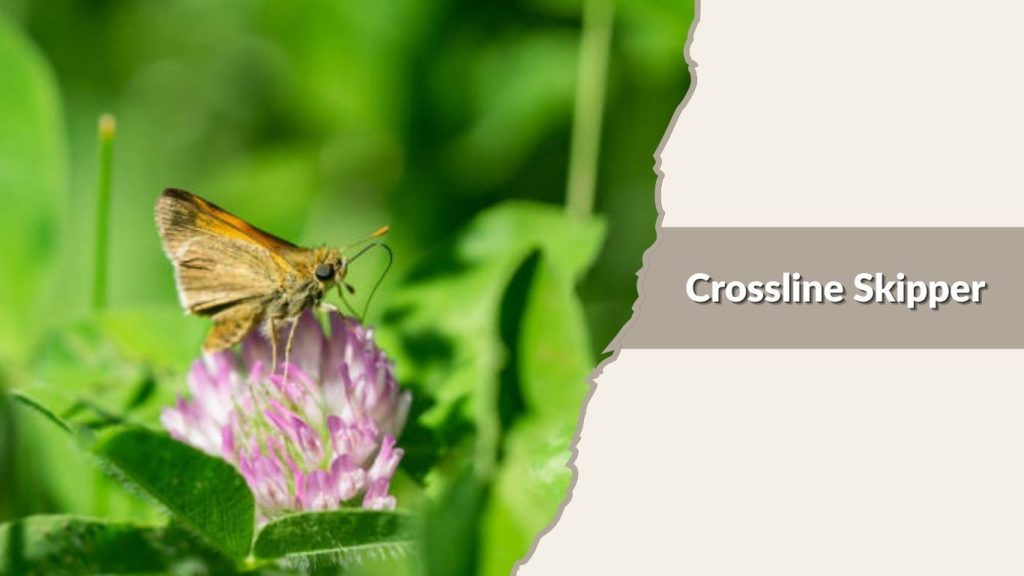
The Crossline Skipper is a small grass skipper with warm orange-brown coloring and a quick, darting flight. It is often found in grassy fields, meadows, roadsides, woodland edges, and open sunny areas. This species can be tricky to separate from similar skippers, but its wing pattern and habitat can help with identification.
Identification
- Small butterfly with a compact, fuzzy body.
- Wings are usually orange-brown with darker borders.
- Males often have a dark, angled mark on the forewing.
- Females are usually darker brown with lighter spots.
- The underside of the hindwing may show pale spots or a faint band.
- Wings are often held partly open or angled when resting.
- Commonly seen flying low among grasses and wildflowers.
Habitat and Distribution
The Crossline Skipper lives in dry to moderately moist grassy habitats. It can be found in meadows, prairies, fields, roadsides, powerline cuts, woodland edges, and open clearings. It is most often seen where grasses grow with enough nectar flowers for adults to feed.
Behavior and Diet
Adult Crossline Skippers feed on nectar from flowers such as clover, asters, thistles, milkweed, and other small blooms. They fly close to the ground and often stop on flowers or grass stems. Males may perch in sunny areas and watch for females passing through the habitat.
Lifecycle
The life cycle begins when females lay eggs on grasses. The caterpillars feed on grass blades and hide inside small shelters made by folding or tying leaves together. After growing through several stages, they pupate in a protected place. Adults emerge during the warm season and continue the cycle in grassy habitats.
6. Dun Skipper
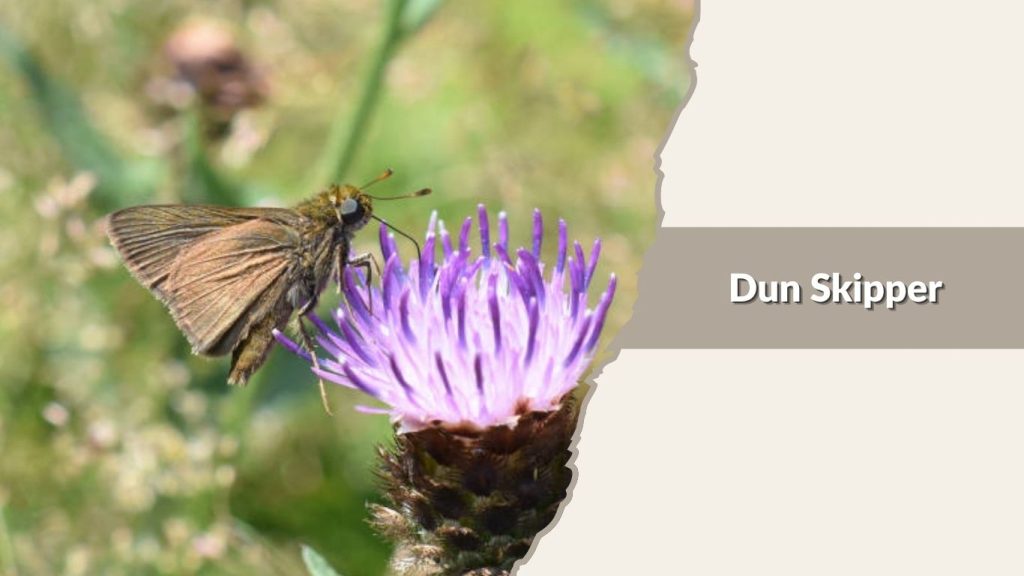
The Dun Skipper is a small grass skipper with a dark, plain appearance and a quick, low flight. Unlike many orange-colored skippers, this species is usually brown to dark brown, which can make it look less noticeable. It is often found in wet meadows, marsh edges, roadside ditches, and grassy areas near water.
Identification
- Small butterfly with a compact, fuzzy body.
- Wings are mostly dark brown to blackish brown.
- Males may look very plain with few visible markings.
- Females may show small pale spots on the forewing.
- The underside of the wings is usually dark and muted.
- Wings are often held partly open or angled when resting.
- Commonly seen near wet grasses, sedges, and low flowers.
Habitat and Distribution
The Dun Skipper usually lives in moist grassy habitats such as wet meadows, marsh edges, stream banks, roadside ditches, and damp fields. It is found in parts of North America where suitable wet or semi-wet grassy areas are available. Places with sedges, grasses, and nectar flowers are especially useful for this species.
Behavior and Diet
Adult Dun Skippers feed on nectar from flowers such as milkweed, clover, buttonbush, thistles, and other wetland or meadow plants. They often fly low through vegetation and may perch on grass blades or flower heads. Their dark coloring helps them blend into shaded or damp grassy habitats.
Lifecycle
The lifecycle begins when females lay eggs on grasses or sedges. The caterpillars feed on these plants and hide inside shelters made from folded leaves. After growing through several stages, they pupate in a protected place within the vegetation. Adults emerge during the warm season and continue the cycle in suitable moist habitats.
7. Least Skipper
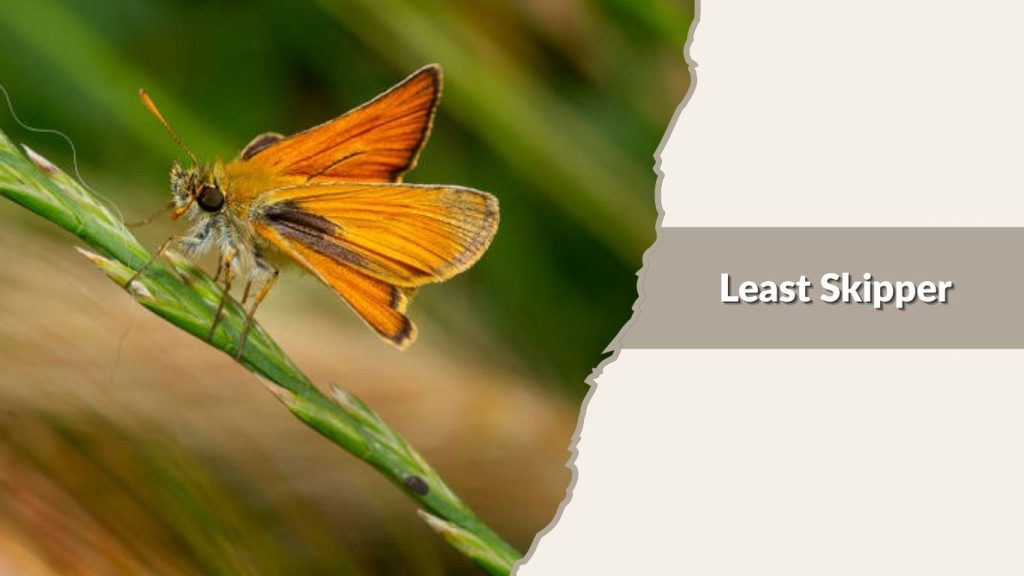
The Least Skipper is a very small grass skipper known for its delicate body, orange-brown wings, and weak, low flight. It is often found close to wet grasses, marshes, ponds, streams, and damp meadows. Because of its tiny size and fluttering movement, it can look different from many faster grass skippers.
Identification
- Very small skipper with a slim, delicate body.
- Wings are usually orange to yellowish orange with dark borders.
- The underside of the wings is pale orange or yellowish brown.
- The body is slender compared with many sturdier skippers.
- Flight is weak, low, and fluttery rather than fast and darting.
- Wings are often held partly open when resting.
- Commonly seen near wet grasses, marsh edges, and damp meadows.
Habitat and Distribution
The Least Skipper lives in moist grassy habitats, especially around marshes, wet meadows, pond edges, stream banks, roadside ditches, and grassy wetlands. It is found in many parts of eastern and central North America. Areas with tall grasses, sedges, and nearby nectar flowers are especially suitable for this species.
Behavior and Diet
Adult Least Skippers feed on nectar from small flowers growing near wet or grassy places. They may visit clover, asters, pickerelweed, swamp milkweed, and other low blooms. They usually fly close to the ground or through grass stems, often staying near sheltered, damp vegetation.
Lifecycle
The lifecycle begins when females lay eggs on grasses or sedges. The caterpillars feed on the leaves and create small shelters by folding or tying grass blades together. After growing through several stages, they pupate in a hidden place among the vegetation. Adults emerge during warm months and continue the cycle in moist grassy habitats.
8. Little Glassywing
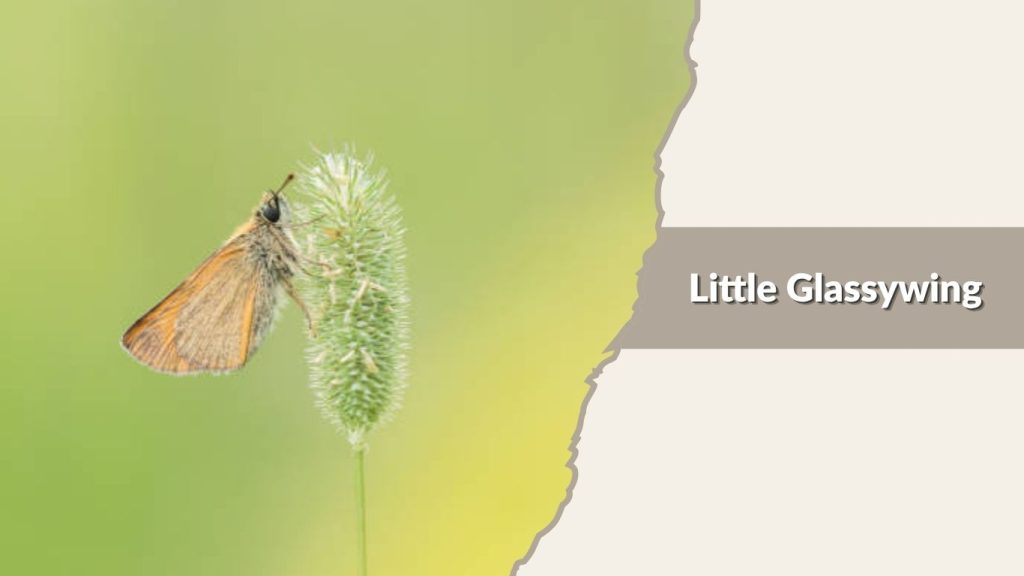
The Little Glassywing is a small grass skipper known for its dark brown wings and pale, glassy-looking spots. It is often found in moist meadows, marsh edges, woodland openings, roadsides, and grassy areas with plenty of flowers. This species has a quick, low flight and may look plain until its pale wing spots are noticed.
Identification
- Small skipper with a compact, fuzzy body.
- Wings are mostly dark brown.
- Forewings have pale, glassy-looking spots.
- The underside of the hindwing is usually brown with lighter markings.
- The body is dark brown and slightly fuzzy.
- Wings are often held partly open or angled when resting.
- Commonly seen flying low around grasses, flowers, and damp open areas.
Habitat and Distribution
The Little Glassywing lives in moist grassy habitats, including wet meadows, marsh edges, stream banks, woodland openings, roadsides, and open fields. It is found in parts of eastern and central North America. It prefers places where grasses grow near nectar-rich flowers.
Behavior and Diet
Adult Little Glassywings feed on nectar from flowers such as milkweed, thistles, clover, buttonbush, and other meadow or wetland blooms. They fly quickly and close to the ground, often stopping on flower heads or grass stems. Their dark coloring helps them blend into shaded vegetation.
Lifecycle
The lifecycle begins when females lay eggs on grasses. The caterpillars feed on grass leaves and hide inside shelters made by folding or tying blades together. After growing through several stages, they pupate in a protected place among the vegetation. Adults emerge during warm months and continue the cycle in grassy habitats.
9. Northern Broken-Dash
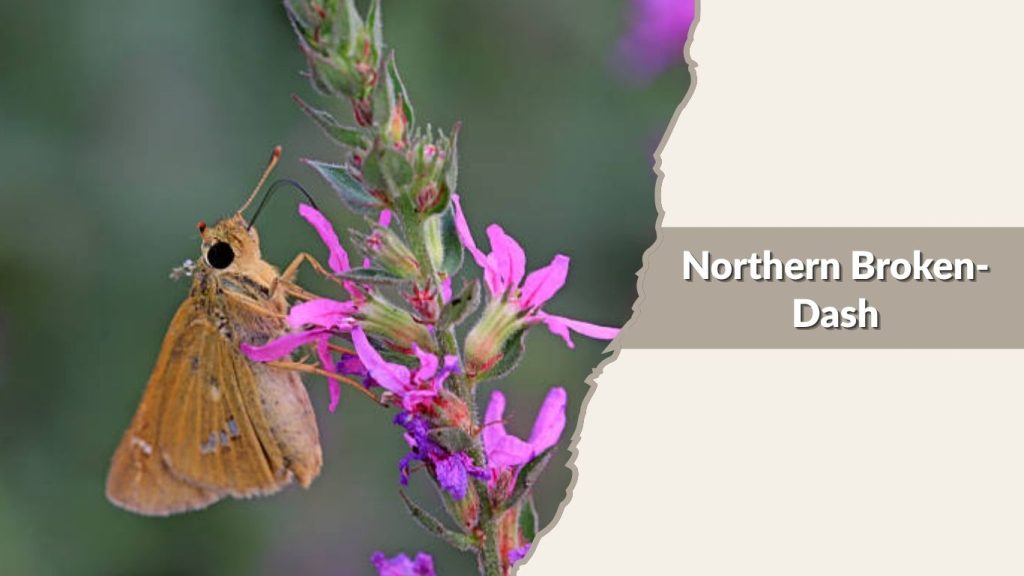
The Northern Broken-Dash is a small grass skipper with warm brown and orange coloring. It is often found in moist meadows, marsh edges, woodland openings, roadsides, and grassy fields. This species gets its name from the broken dark mark, or “dash,” often seen on the male’s forewing.
Identification
- Small skipper with a compact, fuzzy body.
- Wings are usually orange-brown to dark brown.
- Males often have a dark broken dash mark on the forewing.
- Females are usually darker with pale spots on the forewing.
- The underside of the hindwing may show a faint pale band or lighter patches.
- Wings are often held partly open or angled while resting.
- Commonly seen flying low around grasses and nectar flowers.
Habitat and Distribution
The Northern Broken-Dash usually lives in moist grassy habitats such as wet meadows, marsh edges, stream banks, roadside ditches, and woodland openings. It is found in parts of eastern and central North America. Areas with grasses, sedges, and summer-blooming flowers provide good habitat for this skipper.
Behavior and Diet
Adult Northern Broken-Dashes feed on nectar from flowers such as milkweed, clover, thistles, buttonbush, and asters. They fly quickly and close to vegetation, often stopping to perch on grass stems or flower heads. Males may hold small territories and watch for females from sunny perches.
Lifecycle
The lifecycle begins when females lay eggs on grasses or sedges. The caterpillars feed on the leaves and hide inside shelters made from folded or tied blades. After growing through several stages, they pupate in a protected place among the vegetation. Adults emerge during the warm season and continue the cycle in moist grassy habitats.
10. Southern Broken-Dash
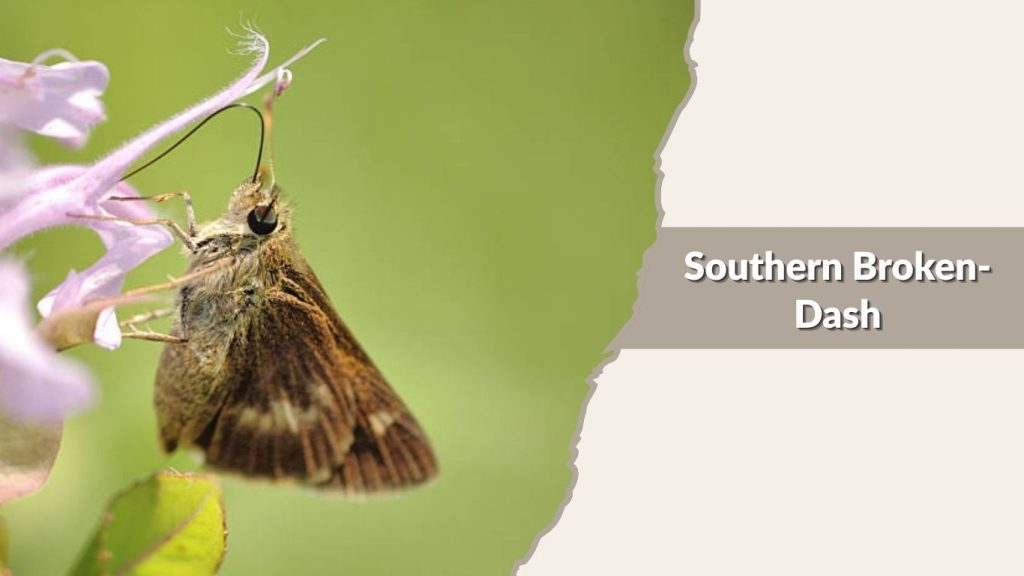
The Southern Broken-Dash is a small grass skipper with orange-brown wings, dark markings, and a fast, low flight. It is often found in warm grassy habitats such as meadows, roadsides, fields, marsh edges, and woodland openings. This species looks similar to the Northern Broken-Dash, so careful attention to wing pattern and location can help with identification.
Identification
- Small skipper with a compact, fuzzy body.
- Wings are usually orange-brown to dark brown.
- Males often have a dark broken dash mark on the forewing.
- Females are generally darker with pale spots on the forewing.
- The underside of the hindwing may show lighter patches or a faint band.
- Wings are often held partly open or angled when resting.
- Commonly seen flying low through grasses, weeds, and nectar flowers.
Habitat and Distribution
The Southern Broken-Dash lives in open grassy habitats, including meadows, fields, roadsides, marsh edges, wet grasslands, and woodland openings. It is mostly found in eastern and southeastern parts of North America. It prefers sunny areas where grasses for caterpillars and nectar flowers for adults grow close together.
Behavior and Diet
Adult Southern Broken-Dashes feed on nectar from flowers such as milkweed, clover, asters, thistles, buttonbush, and other meadow blooms. They fly quickly and often remain low in the vegetation. Males may perch on grass stems or low plants while watching for females and defending small areas.
Lifecycle
The lifecycle begins when females lay eggs on grasses or related host plants. The caterpillars feed on grass blades and hide inside shelters made by folding or tying leaves together. After growing through several stages, they pupate in a protected place among vegetation. Adults emerge during warm months and continue the cycle in suitable grassy habitats.
11. Delaware Skipper
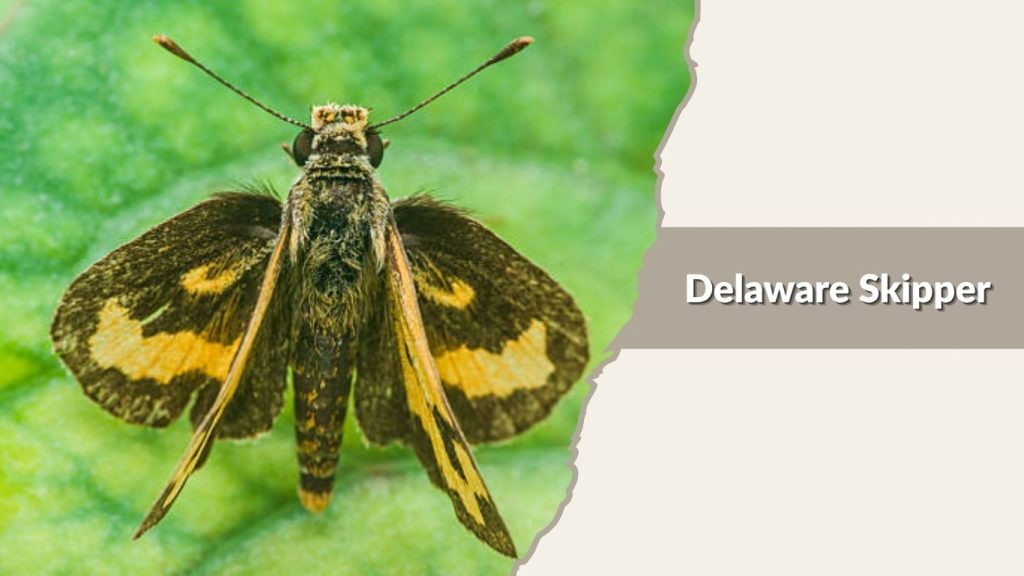
The Delaware Skipper is a small grass skipper known for its bright orange wings and dark borders. It is often found in wet meadows, marsh edges, prairies, roadside ditches, gardens, and other sunny grassy habitats. This species is active during warm months and commonly visits flowers for nectar.
Identification
- Small skipper with a compact, fuzzy body.
- Wings are bright orange to golden orange.
- Wing borders are dark brown to blackish.
- The underside of the wings is usually plain orange or yellow-orange.
- The body is fuzzy and orange-brown.
- Wings are often held partly open or angled when resting.
- Often seen flying low among grasses, sedges, and wildflowers.
Habitat and Distribution
The Delaware Skipper lives in moist meadows, marsh edges, prairies, wet grasslands, roadsides, woodland openings, and open fields. It is found in parts of North America where suitable grasses and nectar flowers are available. It prefers sunny habitats with both host grasses for caterpillars and blooming plants for adults.
Behavior and Diet
Adult Delaware Skippers feed on nectar from flowers such as milkweed, thistles, clover, asters, buttonbush, and other meadow plants. They fly low and quickly, often stopping to perch on flower heads or grass stems. Their bright orange color makes them easier to notice than many darker grass skippers.
Lifecycle
The lifecycle begins when females lay eggs on grasses or nearby vegetation. The caterpillars feed on grass blades and hide inside shelters made by folding or tying leaves together. After growing through several stages, they pupate in a protected place among grasses. Adults emerge during the warm season and continue the cycle in open grassy habitats.
12. Zabulon Skipper
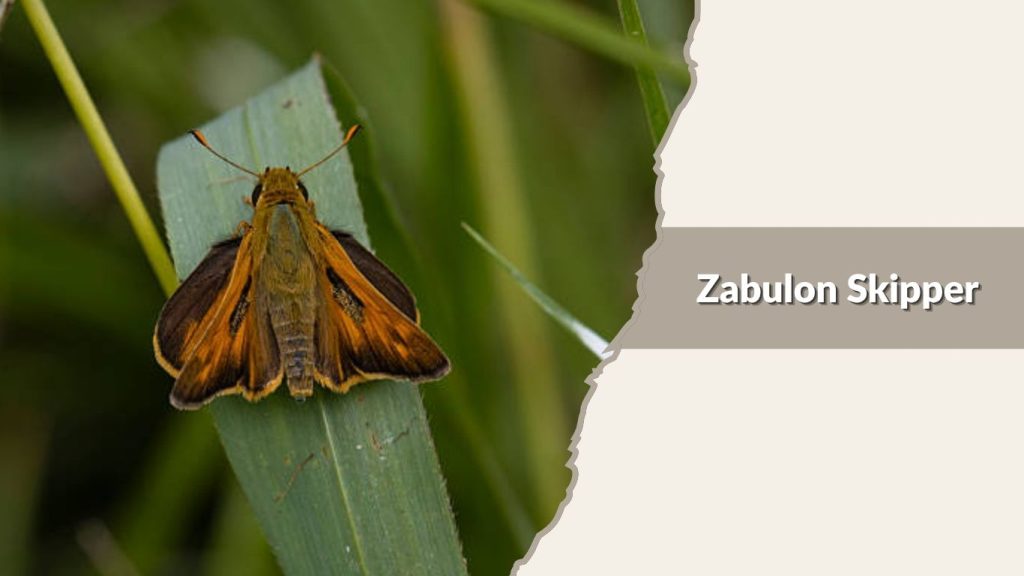
The Zabulon Skipper is a small grass skipper known for its golden-orange males and darker brown females. It is often found in woodland edges, forest openings, gardens, roadsides, and shaded grassy areas. This species has a quick, darting flight and often visits flowers growing near trees or partially shaded habitats.
Identification
- Small skipper with a compact, fuzzy body.
- Males are bright golden orange with dark borders.
- Females are darker brown with pale spots on the wings.
- Underside of the wings may show yellowish or brown markings.
- Wings are often held partly open or angled when resting.
- Body is fuzzy and orange-brown to dark brown.
- Often seen near woodland edges, trails, gardens, and shaded openings.
Habitat and Distribution
The Zabulon Skipper lives in woodland edges, forest trails, shaded roadsides, gardens, parks, stream edges, and grassy openings near trees. It is found in parts of eastern North America. It prefers habitats where grasses for caterpillars grow close to flowers used by adults for nectar.
Behavior and Diet
Adult Zabulon Skippers feed on nectar from many flowers, including milkweed, clover, asters, thistles, buttonbush, and garden blooms. They often fly quickly between flowers and may perch on leaves or low vegetation. Males commonly patrol sunny openings and woodland edges while searching for females.
Lifecycle
The lifecycle begins when females lay eggs on grasses. The caterpillars feed on grass blades and create shelters by folding or tying leaves together. They remain hidden while feeding and growing. After pupation, adults emerge during warm months and continue the cycle in grassy, partly shaded habitats.
FAQs
What is a grass skipper?
A grass skipper is a small butterfly from the skipper group. Grass skippers usually have compact bodies, short wings, and fast, darting flight. Many species are orange, brown, or dark-colored, and their caterpillars commonly feed on grasses or sedges.
Where are grass skippers usually found?
Grass skippers are usually found in grassy habitats such as meadows, lawns, roadsides, marsh edges, prairies, gardens, and woodland openings. Many species prefer sunny areas where grasses grow close to nectar flowers used by adult butterflies.
What do grass skippers eat?
Adult grass skippers feed mainly on flower nectar. They often visit clover, asters, milkweed, thistles, lantana, zinnias, and other small blooms. Their caterpillars usually feed on grasses, sedges, or related plants, depending on the species.
Are grass skippers hard to identify?
Yes, many grass skippers can be difficult to identify because they are small and often have similar orange-brown or dark wing patterns. Careful attention to wing spots, color, size, habitat, flight style, and location can help separate similar species.
Why are grass skippers important?
Grass skippers are important pollinators in meadows, gardens, wetlands, and grasslands. While feeding on nectar, they help move pollen between flowers. Their caterpillars also support food webs by serving as prey for birds, spiders, wasps, and other wildlife.