
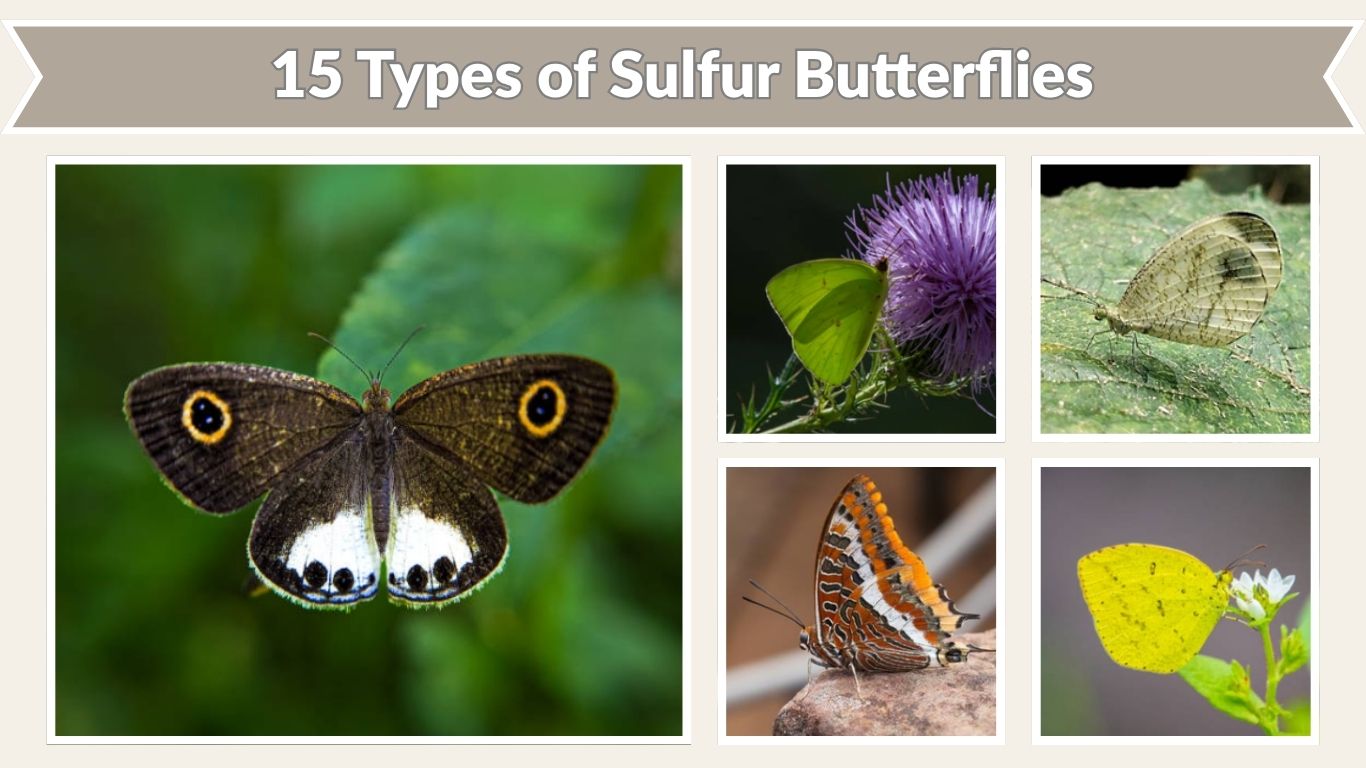
Sulphur butterflies are a colorful and active group of butterflies known for their bright yellow, orange, and pale green wings. They are commonly found in open, sunny habitats such as fields, gardens, and roadsides. These butterflies play an important role in pollination and are often seen fluttering quickly between flowers. With many species spread across different regions, each type has its own unique features and behaviors. In this guide, you will explore 15 types of sulphur butterflies and learn how to identify them in the wild.
1. Clouded Sulphur
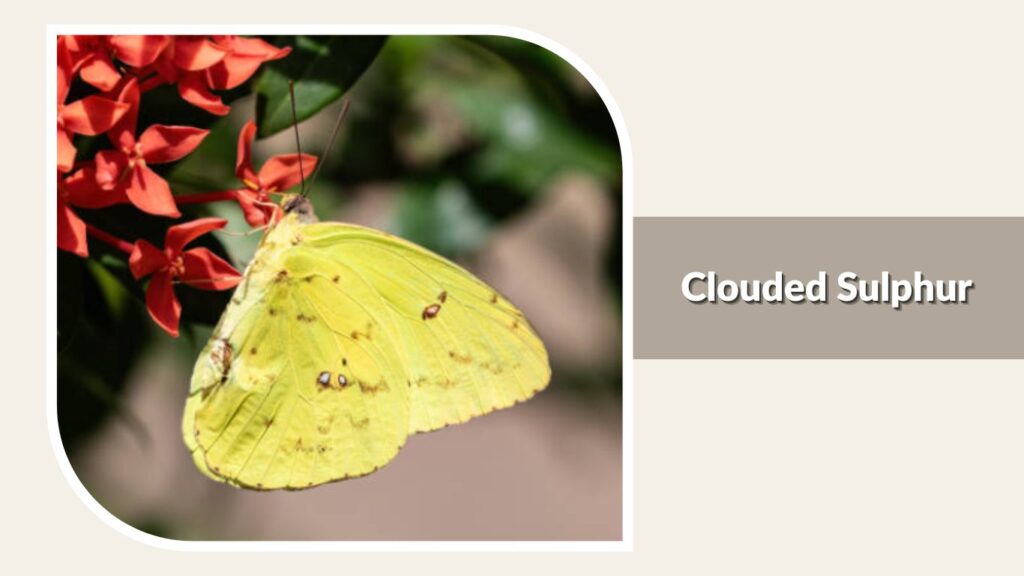
The Clouded Sulphur is one of the most common and widespread sulphur butterflies in North America. Known for its bright yellow wings and active flight, it is often seen fluttering across fields, gardens, and open landscapes. This species is highly adaptable and can thrive in a variety of environments.
Identification
- Bright yellow wings with a slight greenish tint
- Black border along the wing edges
- Small dark spot near the center of each wing
- Wingspan typically around 1.5 to 2 inches
- Females may have lighter or almost white coloration
Habitat
Clouded Sulphurs are commonly found in open areas such as meadows, fields, roadsides, and gardens. They prefer sunny environments with plenty of flowering plants. This butterfly is highly adaptable and can be seen in both rural and suburban landscapes.
Behavior
This species is active during the day and is known for its fast, erratic flight. It frequently visits flowers to feed on nectar and is often seen moving quickly from one plant to another. Males are territorial and may patrol open areas in search of females.
Diet
The larvae feed primarily on plants from the legume family, such as clover and alfalfa. Adult butterflies consume nectar from a wide variety of flowering plants, which helps support pollination in their habitats.
Distribution
The Clouded Sulphur is widely distributed across North America. It can be found from southern Canada through the United States and into parts of Mexico. Its wide range and adaptability make it one of the most frequently observed sulphur butterflies.
2. Orange Sulphur
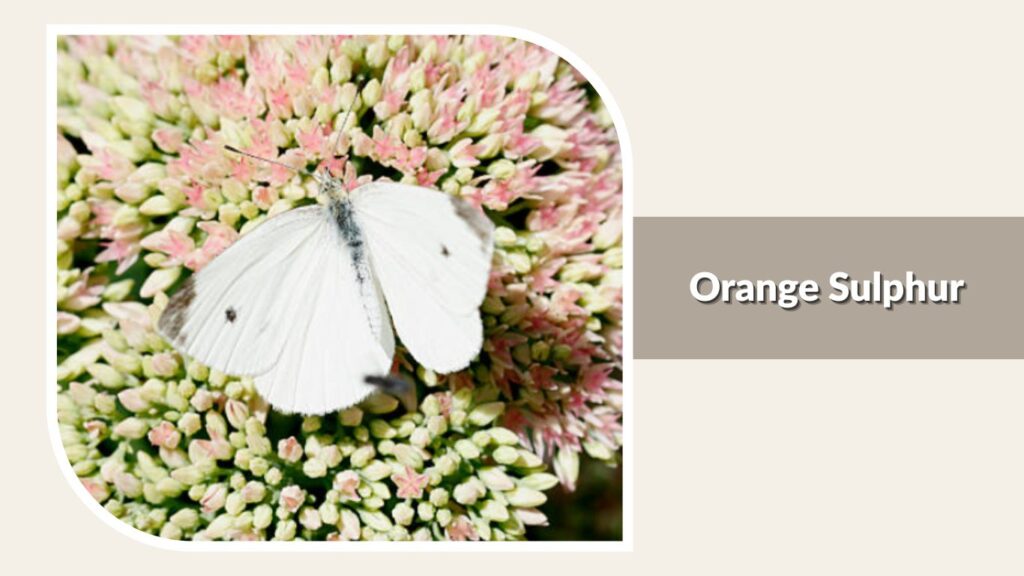
The Orange Sulphur is a vibrant and easily recognizable butterfly known for its bright orange coloration. It is commonly found in open landscapes and is especially abundant in areas with agricultural fields. This species is active, widespread, and often seen flying alongside other sulphur butterflies.
Identification
- Bright orange wings with yellow undertones
- Dark black border along the wing edges
- Small dark spot near the center of each wing
- Wingspan typically 1.5 to 2.5 inches
- Females may appear more yellow than orange
Habitat
Orange Sulphurs prefer open areas such as fields, meadows, farmland, and roadsides. They are often associated with agricultural regions where host plants are abundant. This species thrives in sunny environments with plenty of flowering plants.
Behavior
This butterfly is active during the day and has a fast, fluttering flight pattern. It frequently visits flowers for nectar and is often seen in large numbers. Males are known to patrol open areas in search of females, especially during warm weather.
Diet
The larvae feed mainly on legumes such as alfalfa and clover. Adult butterflies consume nectar from a wide variety of flowers, making them important pollinators in their ecosystems.
Distribution
The Orange Sulphur is widely distributed across North America. It is found from southern Canada throughout the United States and into Mexico. Its adaptability allows it to thrive in both natural and human-altered environments.
3. Southern Dogface
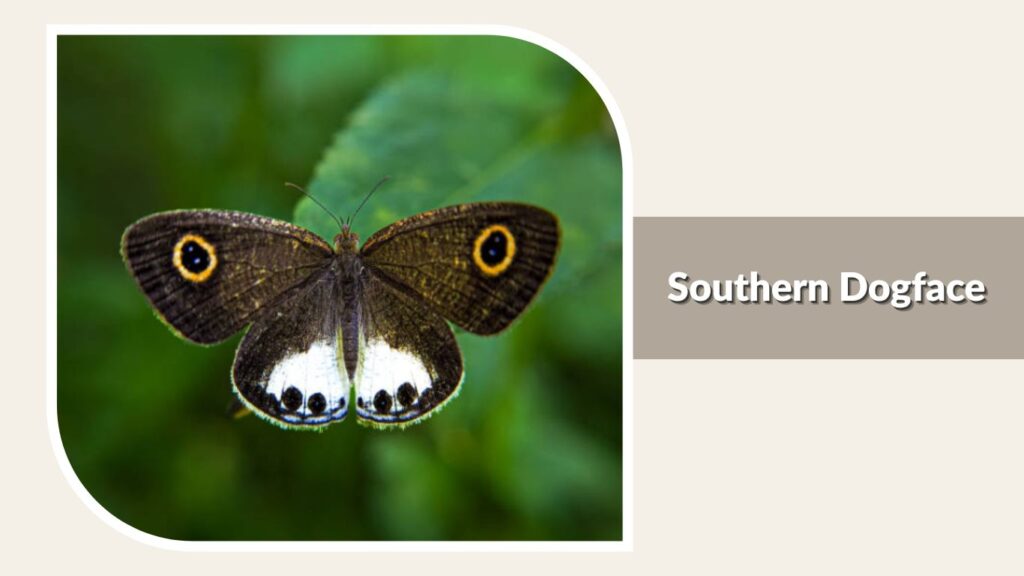
The Southern Dogface is a striking sulphur butterfly known for the unique “dog face” pattern on the male’s wings. Its bold coloration and distinctive markings make it one of the most recognizable butterflies in its group. It is commonly found in warm regions and is the state butterfly of California.
Identification
- Bright yellow wings with bold black markings
- Males have a distinctive dog face pattern on forewings
- Females are more uniformly yellow or pale
- Wingspan typically 2 to 3 inches
- Dark borders along wing edges
Habitat
This species prefers open, sunny areas such as fields, roadsides, and desert edges. It is often found in dry regions where host plants are available. The Southern Dogface thrives in warm climates and is commonly seen in southwestern habitats.
Behavior
The Southern Dogface is known for its strong and fast flight. It is usually seen flying alone rather than in groups. Males actively patrol territories in search of females, while both sexes visit flowers for nectar during the day.
Diet
Larvae feed primarily on plants from the legume family, especially false indigo. Adult butterflies feed on nectar from a variety of flowering plants, contributing to pollination in their environment.
Distribution
This butterfly is mainly found in the southwestern United States, particularly in California and nearby regions. Its range also extends into parts of Mexico, where warm and dry conditions support its lifecycle.
4. Cloudless Sulphur
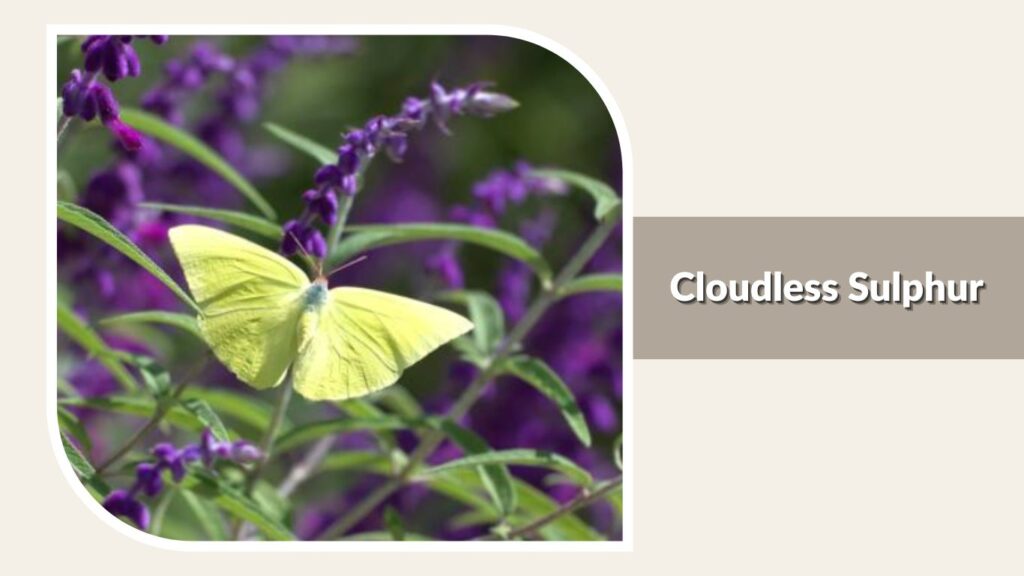
The Cloudless Sulphur is a large, bright yellow butterfly commonly seen in warm regions. It is known for its smooth, unmarked wings and graceful flight. This species is highly visible in gardens and open areas, especially during migration periods when large numbers may appear.
Identification
- Bright lemon-yellow wings without heavy markings
- No dark borders on wings
- Wingspan typically 2 to 3 inches
- Females may show faint dark spots or shading
- Slender body with smooth wing edges
Habitat
Cloudless Sulphurs prefer open, sunny habitats such as gardens, fields, roadsides, and coastal areas. They are often found in places with abundant flowering plants. This species thrives in warm climates and is commonly seen in suburban landscapes.
Behavior
This butterfly has a strong, steady flight and is often seen gliding over long distances. It is active during the day and frequently visits flowers for nectar. During certain seasons, it may migrate in large groups, making it more noticeable.
Diet
Larvae feed on plants such as cassia and senna. Adult butterflies consume nectar from a wide variety of flowers, playing an important role in pollination.
Distribution
The Cloudless Sulphur is widely distributed across the southern United States, Central America, and parts of South America. It often expands its range northward during warmer months.
5. Little Yellow
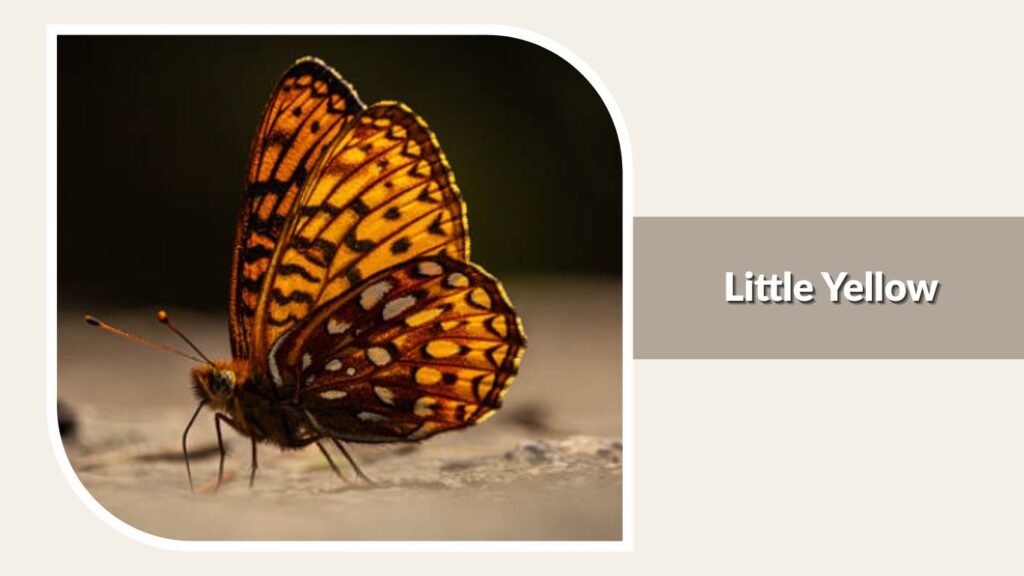
The Little Yellow is a small and delicate sulphur butterfly known for its soft yellow coloration and low, fluttering flight. Despite its size, it is quite common in warm regions and can often be seen close to the ground in open areas. Its subtle appearance makes it easy to overlook.
Identification
- Small size with wingspan around 1 to 1.5 inches
- Bright yellow to pale yellow wings
- Rounded wings with smooth edges
- Faint or no visible markings on wings
- Slender body and delicate appearance
Habitat
Little Yellows are typically found in open, sunny habitats such as fields, roadsides, gardens, and grassy areas. They prefer warm climates and are often seen in low vegetation where host plants are present.
Behavior
This butterfly has a slow, fluttering flight close to the ground. It is active during the day and often moves short distances between plants. It tends to stay near its host plants and is less likely to travel far compared to larger sulphur species.
Diet
The larvae feed on plants such as partridge pea and other legumes. Adult butterflies consume nectar from small flowering plants, contributing to pollination in their habitats.
Distribution
The Little Yellow is commonly found in the southern United States, Central America, and parts of South America. It is more abundant in warm regions and may appear seasonally in northern areas.
6. Sleepy Orange
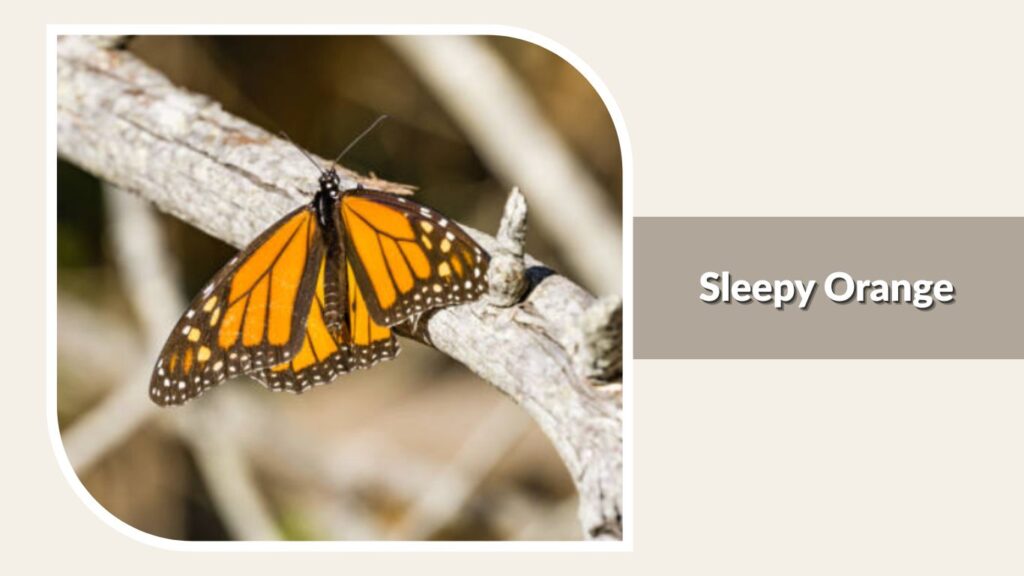
The Sleepy Orange is a beautiful sulphur butterfly known for its warm orange coloration and seasonal variations. It is often seen in open habitats and is especially noticeable during warmer months. Its name comes from the subtle “closed-wing” appearance that can look muted or sleepy when at rest.
Identification
- Bright orange wings with yellow undertones
- Dark brown to black border along wing edges
- Small central spot on each wing
- Wingspan typically 1.5 to 2.5 inches
- Underside often shows mottled brown or rusty patterns
Habitat
Sleepy Orange butterflies are commonly found in open, sunny environments such as fields, roadsides, gardens, and woodland edges. They prefer warm climates and areas where host plants are abundant. This species is often seen in both natural and semi-urban settings.
Behavior
This butterfly has a quick, fluttering flight and is active during the day. It frequently visits flowers for nectar and may be seen flying low to the ground. During cooler periods, it often rests with wings closed, blending into its surroundings.
Diet
The larvae feed primarily on cassia and senna plants. Adult butterflies consume nectar from a wide variety of flowering plants, helping support pollination.
Distribution
The Sleepy Orange is widely distributed across the southern United States, Central America, and South America. It may expand its range northward during warmer seasons.
7. Dainty Sulphur
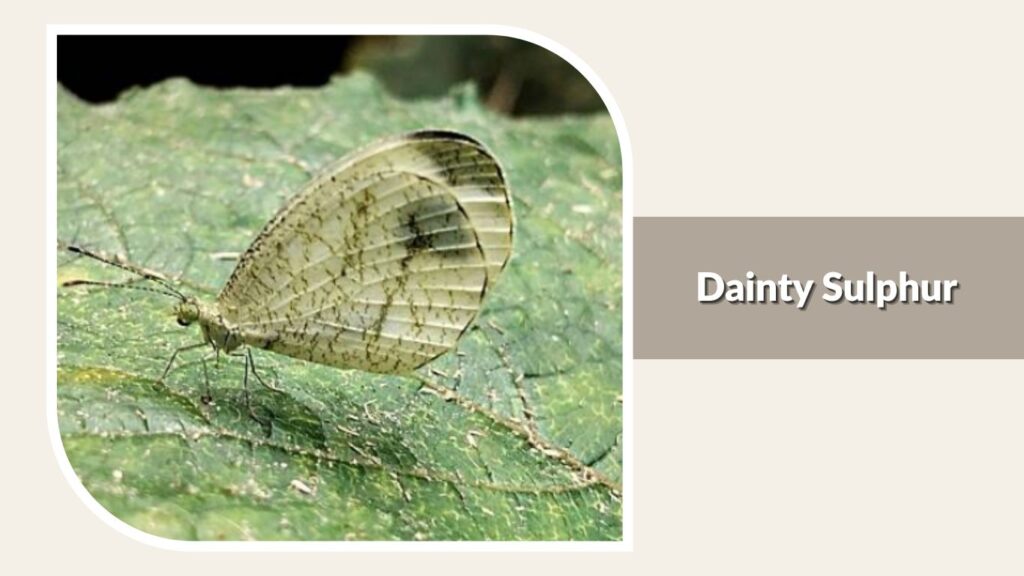
The Dainty Sulphur is the smallest sulphur butterfly in North America, known for its delicate size and subtle markings. Despite its tiny appearance, it is quite active and can be found in warm, open habitats. Its understated beauty makes it a unique member of the sulphur group.
Identification
- Very small size with wingspan about 0.8 to 1.2 inches
- Pale yellow wings with fine black markings
- Distinct dark pattern near the edges of wings
- Rounded wings with a delicate structure
- Underside often shows small, dotted patterns
Habitat
Dainty Sulphurs prefer dry, open environments such as fields, roadsides, and desert edges. They are commonly found in warm regions where host plants are available. This species thrives in areas with low vegetation and plenty of sunlight.
Behavior
This butterfly has a quick, low flight and is often seen close to the ground. It is active during the day and frequently moves between small plants. Due to its size, it may go unnoticed unless observed closely.
Diet
The larvae feed on plants such as saltbush and other low-growing vegetation. Adult butterflies consume nectar from small flowers, helping with pollination in their habitats.
Distribution
The Dainty Sulphur is widely distributed across the southern United States, Mexico, and parts of Central America. It is more common in warmer climates and may appear seasonally in northern regions.
8. Barred Yellow
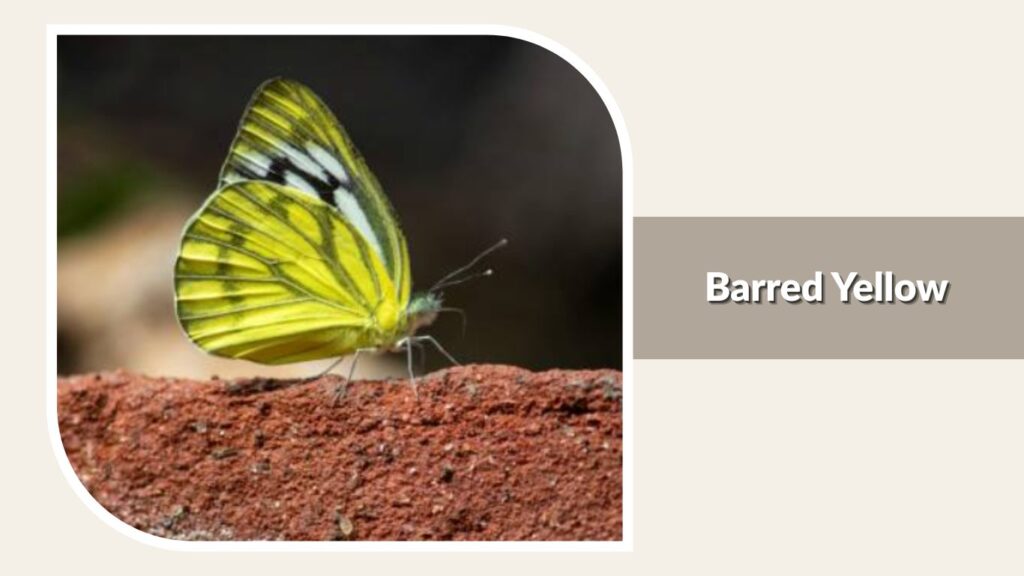
The Barred Yellow is a distinctive sulphur butterfly recognized for its elongated wings and unique striped patterns. Its bold markings and swift flight make it stand out among other yellow butterflies. It is commonly seen in warm, open environments where it moves quickly between flowering plants.
Identification
- Bright yellow wings with narrow black or brown bars
- Elongated wing shape compared to other sulphurs
- Wingspan typically 2 to 2.5 inches
- Underside may show lighter, more muted patterns
- Slender body with pointed wing tips
Habitat
Barred Yellow butterflies are commonly found in open habitats such as fields, gardens, roadsides, and coastal areas. They prefer warm climates and areas with plenty of sunlight and flowering plants. This species is often seen in tropical and subtropical environments.
Behavior
This butterfly has a fast, direct flight and is usually seen moving quickly from one flower to another. It is active during the day and rarely stays in one place for long. It may occasionally rest with wings closed, blending into its surroundings.
Diet
The larvae feed on plants such as cassia and related species. Adult butterflies consume nectar from a variety of flowers, contributing to pollination in their habitats.
Distribution
The Barred Yellow is found in the southern United States, especially in coastal regions, and extends into Central and South America. It is more common in warmer climates and may appear seasonally in northern areas.
9. Large Orange Sulphur
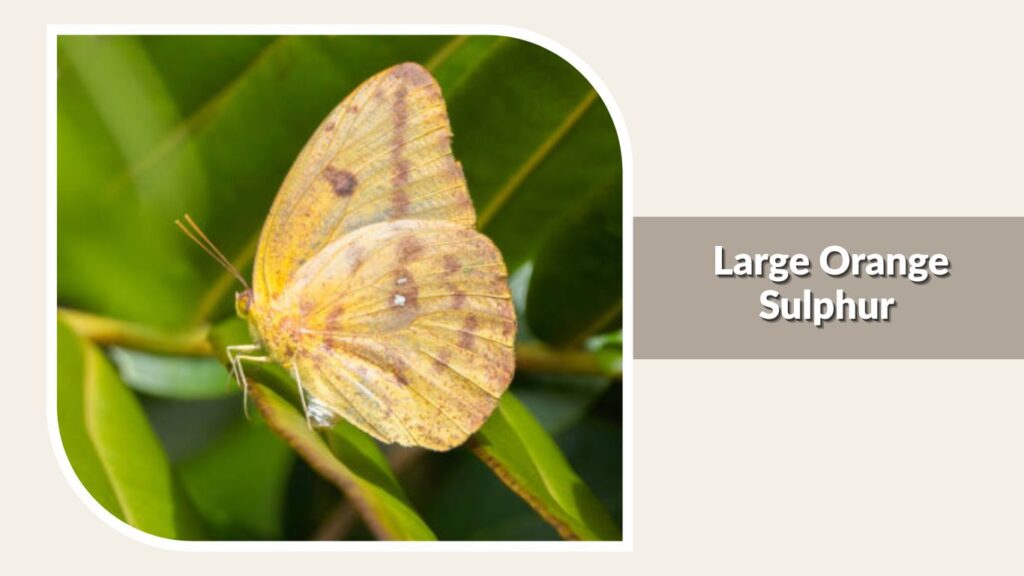
The Large Orange Sulphur is a bold and eye-catching butterfly known for its deeper orange coloration and slightly larger size compared to similar species. It is often seen in open landscapes and agricultural areas, where it thrives in warm conditions and abundant plant life.
Identification
- Rich orange wings with darker tones than typical orange sulphurs
- Prominent black border along wing edges
- Small dark spot near the center of each wing
- Wingspan typically 2 to 2.75 inches
- Females may appear lighter or more yellowish
Habitat
This species prefers open environments such as fields, meadows, farmland, and roadsides. It is commonly associated with areas where host plants like alfalfa are present. Warm, sunny conditions support its activity and reproduction.
Behavior
The Large Orange Sulphur is active during the day and has a fast, fluttering flight. It frequently visits flowers for nectar and may be seen flying in groups, especially in areas with abundant food sources.
Diet
Larvae feed mainly on legumes such as alfalfa and clover. Adult butterflies consume nectar from a wide variety of flowering plants, helping support pollination.
Distribution
This butterfly is found across parts of North America, particularly in regions with agricultural activity. It is more common in warmer areas but may appear seasonally in cooler regions.
10. Statira Sulphur
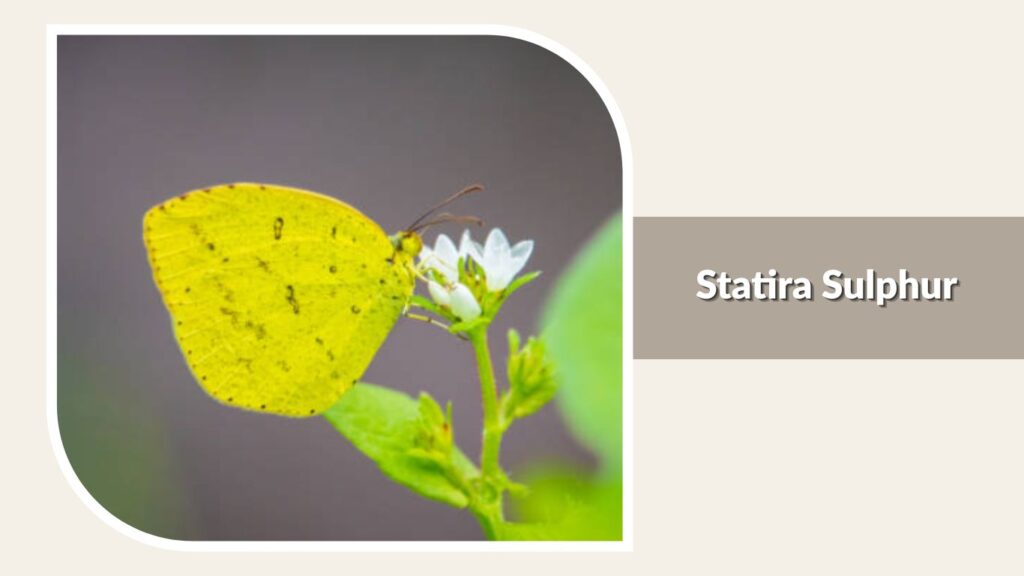
The Statira Sulphur is a slender and graceful butterfly known for its elongated wings and pale yellow coloration. It is often seen gliding through open habitats and is especially common in warm coastal regions. Its elegant flight and subtle markings make it a distinctive member of the sulphur group.
Identification
- Pale yellow wings with a slight greenish tint
- Narrow, elongated wing shape
- Small dark markings near the wing edges
- Wingspan typically 1.5 to 2.5 inches
- Underside may show faint spotting or shading
Habitat
Statira Sulphurs are commonly found in coastal areas, open fields, gardens, and scrublands. They prefer warm, sunny environments with plenty of flowering plants. This species is often associated with tropical and subtropical habitats.
Behavior
This butterfly has a smooth, gliding flight and is active during the day. It is often seen moving steadily between flowers, occasionally pausing to feed. Its flight is less erratic compared to other sulphur butterflies.
Diet
The larvae feed on plants such as cassia and related species. Adult butterflies consume nectar from various flowers, contributing to pollination in their habitats.
Distribution
The Statira Sulphur is found in the southern United States, particularly in coastal regions, and extends into Central and South America. It is most common in warm climates and may appear seasonally in northern areas.
11. Mimosa Yellow

The Mimosa Yellow is a bright and active sulphur butterfly commonly found in warm regions. It is known for its vibrant yellow wings and fast flight. This species is often seen around gardens and open areas where its host plants grow, making it a familiar sight in suitable habitats.
Identification
- Bright yellow wings with smooth edges
- Small dark spot near the center of each wing
- Wingspan typically 1.5 to 2.25 inches
- Slightly darker shading along wing margins
- Slender body with rounded wings
Habitat
Mimosa Yellows prefer open, sunny habitats such as gardens, fields, roadsides, and woodland edges. They are commonly found in areas where mimosa and related plants grow. Warm climates and abundant vegetation support their presence.
Behavior
This butterfly is active during the day and has a quick, fluttering flight. It frequently visits flowers for nectar and is often seen moving rapidly between plants. It may travel in small groups when conditions are favorable.
Diet
The larvae feed primarily on mimosa and other legume plants. Adult butterflies consume nectar from a wide variety of flowers, contributing to pollination in their environment.
Distribution
The Mimosa Yellow is found in the southern United States and extends into Central America. It is more common in warmer regions and may expand its range during favorable seasons.
12. Tailed Orange
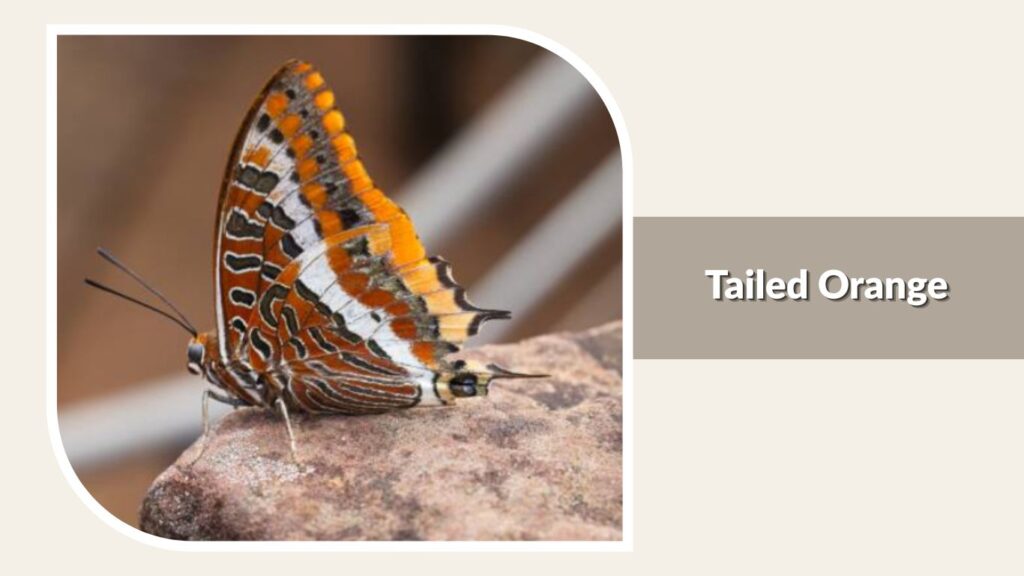
The Tailed Orange is a distinctive sulphur butterfly recognized for its small tail-like extensions on the hindwings. Its warm orange coloration and graceful flight make it easy to notice in open habitats. This species is commonly found in warm regions and is often seen near its host plants.
Identification
- Bright orange to yellow-orange wings
- Small tail-like projections on hindwings
- Thin dark border along wing edges
- Wingspan typically 1.5 to 2.25 inches
- Underside often shows lighter, muted tones
Habitat
Tailed Orange butterflies prefer open, sunny environments such as fields, roadsides, gardens, and scrublands. They are commonly found in areas where host plants like cassia are present. Warm climates and dry conditions support their activity.
Behavior
This butterfly has a quick, fluttering flight and is active during the day. It often flies low to the ground and frequently visits flowers for nectar. It may be seen resting with wings closed, blending into its surroundings.
Diet
The larvae feed mainly on cassia and related plants. Adult butterflies consume nectar from various flowering plants, contributing to pollination in their habitats.
Distribution
The Tailed Orange is widely distributed across the southern United States, Central America, and parts of South America. It is most common in warm regions and may expand its range during favorable seasons.
13. Lyside Sulphur
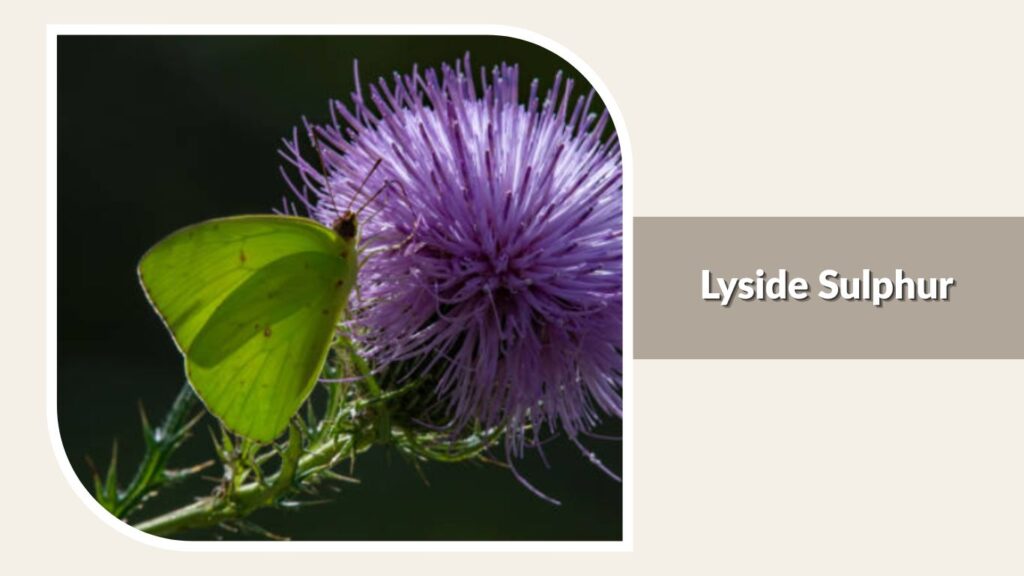
The Lyside Sulphur is a bright and fast-flying butterfly known for its pale yellow wings and occasional mass movements. It is especially noticeable during migration-like events when large numbers appear in open landscapes. This species is well adapted to warm and dry environments.
Identification
- Pale yellow to greenish-yellow wings
- Narrow, elongated wing shape
- Minimal markings with smooth appearance
- Wingspan typically 2 to 2.5 inches
- Underside often slightly lighter in color
Habitat
Lyside Sulphurs prefer dry, open habitats such as deserts, scrublands, roadsides, and fields. They thrive in warm climates and are often found in areas with sparse vegetation and host plants.
Behavior
This butterfly is known for its strong, fast flight and is often seen traveling long distances. During certain periods, it may appear in large numbers, creating noticeable movements across regions. It is active during the day and frequently visits flowers.
Diet
The larvae feed primarily on plants such as guaiacum. Adult butterflies consume nectar from a variety of flowering plants, supporting pollination in their habitats.
Distribution
The Lyside Sulphur is found in the southwestern United States, Mexico, and parts of Central America. It is most common in arid and semi-arid regions and may expand its range during favorable conditions.
14. Pink-Edged Sulphur
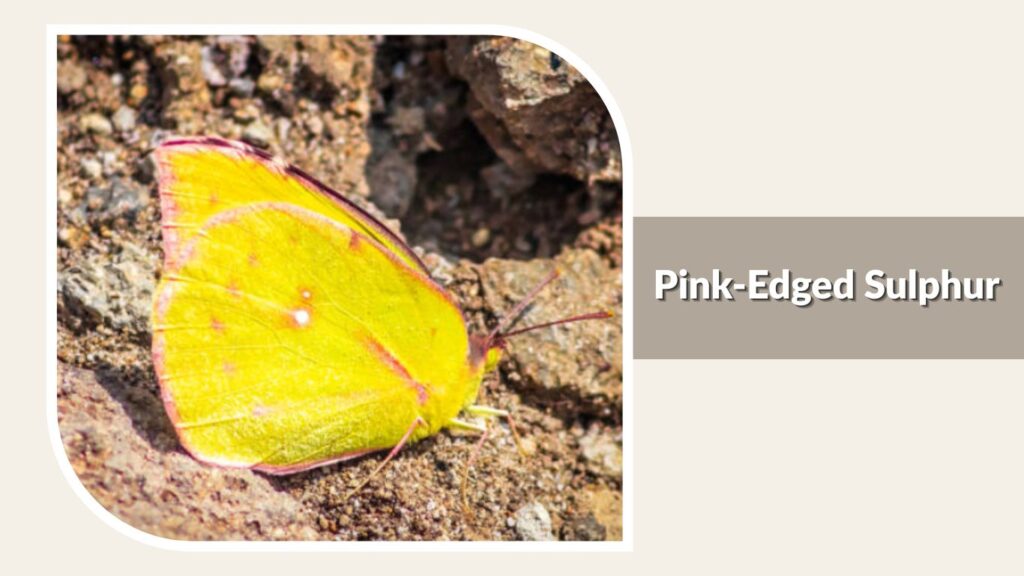
The Pink-Edged Sulphur is a unique and attractive butterfly known for the soft pink border along its wings. It is less commonly seen than other sulphur species and is typically found in higher elevation habitats. Its delicate coloration makes it stand out among yellow butterflies.
Identification
- Bright yellow wings with a distinct pink edging
- Rounded wing shape with smooth margins
- Wingspan typically 1.5 to 2 inches
- Underside may show pale greenish tones
- Small dark spot near the center of wings
Habitat
This species prefers mountainous and forested regions, especially at higher elevations. It is commonly found in meadows, woodland clearings, and open alpine areas where flowering plants are abundant.
Behavior
The Pink-Edged Sulphur has a gentle, fluttering flight and is active during the day. It often stays close to its habitat and is less likely to travel long distances. It can be seen visiting flowers for nectar.
Diet
Larvae feed on plants from the legume family, particularly those found in mountainous regions. Adult butterflies consume nectar from alpine and meadow flowers, aiding in pollination.
Distribution
The Pink-Edged Sulphur is found in western North America, especially in mountainous regions. It is more common in cooler, higher elevation environments and may be locally abundant in suitable habitats.
15. Harford’s Sulphur
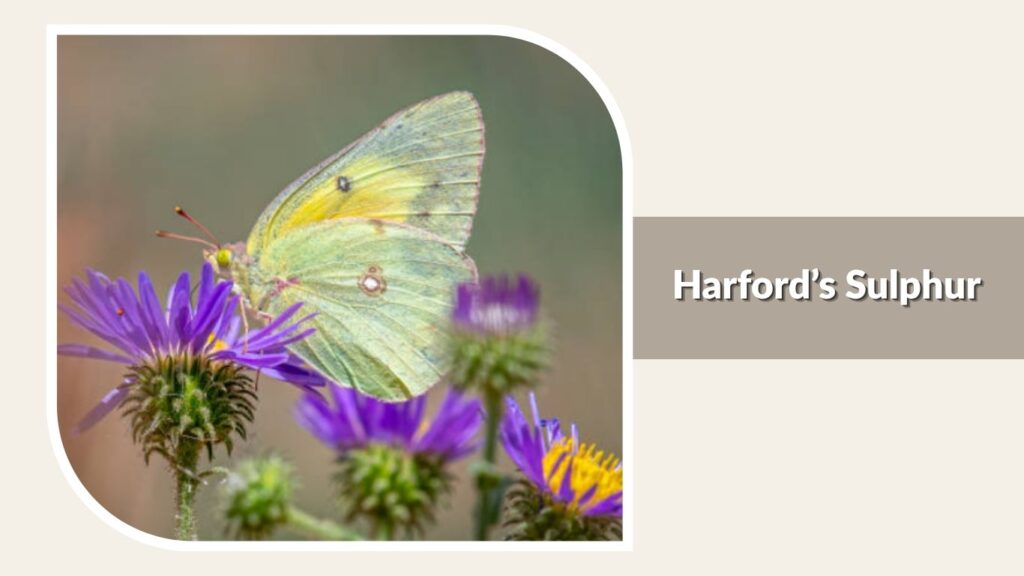
Harford’s Sulphur is a localized and less commonly seen butterfly found mainly along parts of the western coast. It is known for its soft yellow coloration and association with coastal habitats. This species is more restricted in range compared to many other sulphur butterflies.
Identification
- Pale yellow wings with smooth edges
- Subtle darker shading along the wing margins
- Wingspan typically 1.5 to 2 inches
- Rounded wings with a delicate appearance
- Underside often shows faint greenish tones
Habitat
Harford’s Sulphur is typically found in coastal scrublands, grasslands, and open areas near the ocean. It prefers mild climates and habitats with native vegetation. This butterfly is often associated with specific host plants found in coastal regions.
Behavior
This species has a gentle, fluttering flight and is active during the day. It tends to stay within a limited range and is often seen moving between nearby plants. It may rest frequently and is less migratory than some other sulphur butterflies.
Diet
The larvae feed on specific host plants adapted to coastal environments. Adult butterflies consume nectar from local flowering plants, contributing to pollination within their habitat.
Distribution
Harford’s Sulphur is mainly found in coastal regions of California. Its limited range makes it less commonly observed, and it is typically restricted to areas with suitable environmental conditions.
FAQs
What are sulphur butterflies?
Sulphur butterflies are a group of medium-sized butterflies known for their bright yellow, orange, or pale green wings. They belong to the family Pieridae and are commonly found in open habitats such as fields, gardens, and grasslands. They are active during the day and are important pollinators.
Where are sulphur butterflies commonly found?
Sulphur butterflies are widely distributed across North America, Central America, and parts of South America. They prefer warm, sunny environments like meadows, roadsides, and coastal areas. Some species also live in deserts, forests, or mountainous regions depending on their adaptation.
What do sulphur butterflies eat?
Adult sulphur butterflies feed mainly on nectar from flowering plants. Their larvae, or caterpillars, typically feed on plants from the legume family, such as clover, alfalfa, and cassia. This diet helps them grow and supports their role in plant ecosystems.
Are sulphur butterflies harmful?
Sulphur butterflies are not harmful to humans. They are beneficial insects that help with pollination. While caterpillars may feed on certain plants, they usually do not cause significant damage and are considered part of a healthy ecosystem.
How can you identify sulphur butterflies?
Sulphur butterflies are usually identified by their bright yellow or orange wings, smooth edges, and quick flight. Some species have distinctive markings like black borders or unique patterns. Observing wing color, size, and habitat can help distinguish between different types.