
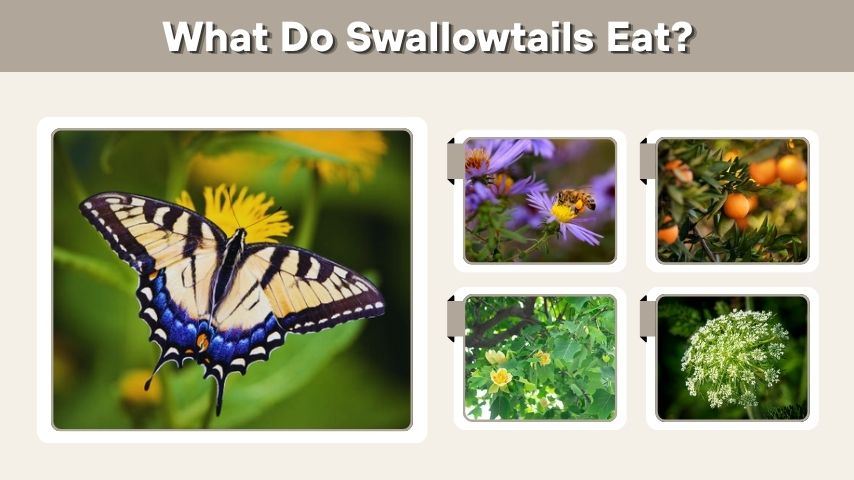
Swallowtails eat different foods depending on their life stage. Adult swallowtail butterflies mostly drink nectar from flowers, while swallowtail caterpillars feed on specific host plants such as parsley, dill, fennel, citrus, pawpaw, and spicebush. Knowing what swallowtails eat helps gardeners attract these beautiful butterflies and support their full life cycle, from egg to caterpillar to adult butterfly.
What Do Swallowtails Eat?
Swallowtails do not all eat the same food. Adult butterflies need liquid food for energy, while caterpillars need leaves to grow. This is why a butterfly garden should include both nectar flowers and host plants.
Adult swallowtails usually feed on flower nectar. They use their long, tube-like mouthpart to sip liquid nectar from flowers. Caterpillars, however, chew leaves from certain plants. These plants are called host plants because female swallowtails lay eggs on them, and the young caterpillars use them as food.
10 Common Foods Swallowtails Eat
Swallowtails may visit many flowers and plants, but some foods are especially common. The table below shows whether the food is mainly used by adult butterflies or caterpillars.
| Food Name | Who Eats It? | Why It Matters |
| Nectar from flowers | Adult swallowtails | Provides energy for flying and mating |
| Parsley | Caterpillars | Common host plant for black swallowtails |
| Dill | Caterpillars | Soft leaves are easy for young caterpillars to eat |
| Fennel | Caterpillars | Popular host plant in herb gardens |
| Carrot leaves | Caterpillars | Related to parsley and dill |
| Queen Anne’s lace | Caterpillars | Wild host plant for some swallowtails |
| Citrus leaves | Caterpillars | Host plant for giant swallowtails |
| Pawpaw leaves | Caterpillars | Host plant for zebra swallowtails |
| Spicebush leaves | Caterpillars | Host plant for spicebush swallowtails |
| Tulip tree leaves | Caterpillars | Used by tiger swallowtail caterpillars |
1. Nectar From Flowers
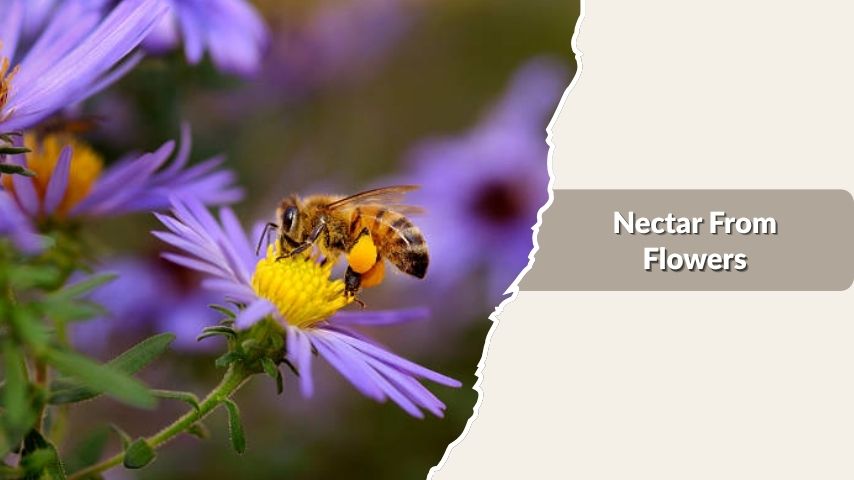
Adult swallowtails mainly eat nectar from flowers. Nectar gives them quick energy for flying, searching for mates, and moving between plants. They are often attracted to bright, open flowers where they can land easily and reach the nectar.
Common Nectar Flowers
- Zinnias
- Milkweed
- Lantana
- Coneflowers
- Butterfly bush
- Verbena
- Phlox
- Joe-Pye weed
Swallowtails may visit many kinds of flowers, but they often prefer flowers with strong color and plenty of nectar. Planting different flowers that bloom at different times can help keep adult swallowtails in the garden longer.
2. Parsley
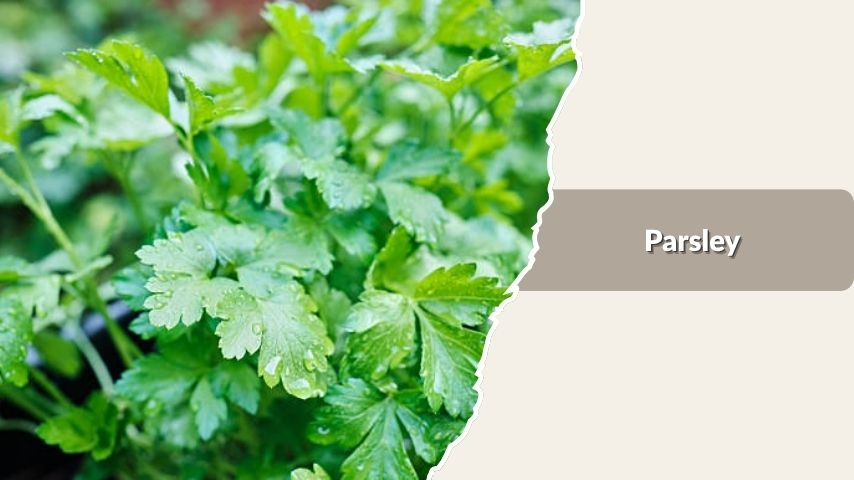
Parsley is a common food for swallowtail caterpillars, especially black swallowtail caterpillars. Adult butterflies may lay eggs on parsley plants because the young caterpillars can begin feeding as soon as they hatch.
Why Caterpillars Like Parsley
- It has soft, leafy growth
- It is easy for caterpillars to chew
- It belongs to the carrot family
- It is common in home herb gardens
Gardeners sometimes find green, black, and yellow caterpillars feeding on parsley. These caterpillars may look like pests at first, but they can become beautiful swallowtail butterflies if left undisturbed.
3. Dill
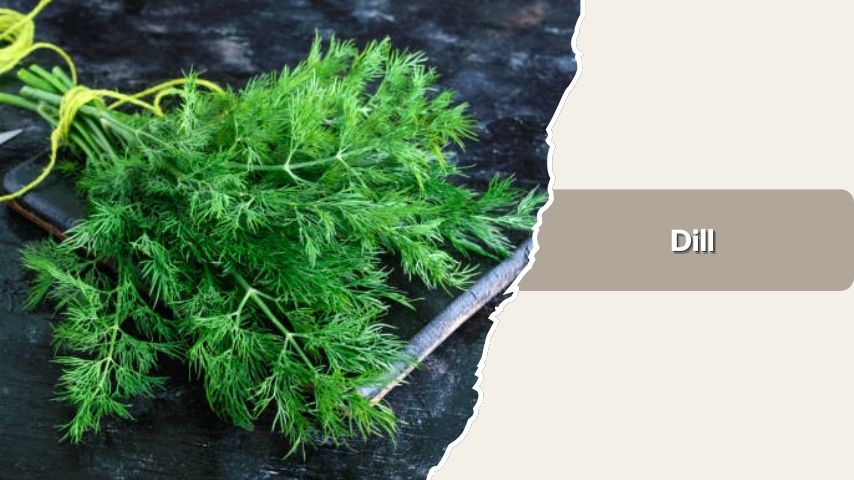
Dill is another favorite host plant for swallowtail caterpillars. It is especially attractive to black swallowtails. Female butterflies often choose dill because the plant has fine, tender leaves that young caterpillars can eat easily.
Dill can be grown in garden beds, containers, or herb gardens. If you want to support swallowtails, planting extra dill is helpful because caterpillars can eat a large amount of foliage as they grow.
4. Fennel
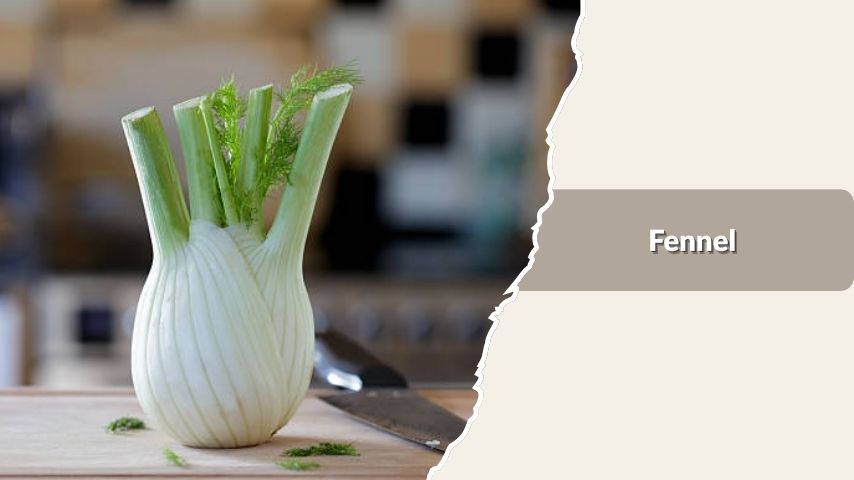
Fennel is a strong host plant for swallowtail caterpillars. Its soft, feathery leaves make it easy for caterpillars to feed. Like parsley and dill, fennel belongs to the carrot family, which makes it suitable for some swallowtail species.
Fennel can grow tall and may attract adult butterflies looking for places to lay eggs. If caterpillars appear on fennel, they are usually feeding naturally and should not be removed unless the plant is being grown strictly for harvest.
5. Carrot Leaves
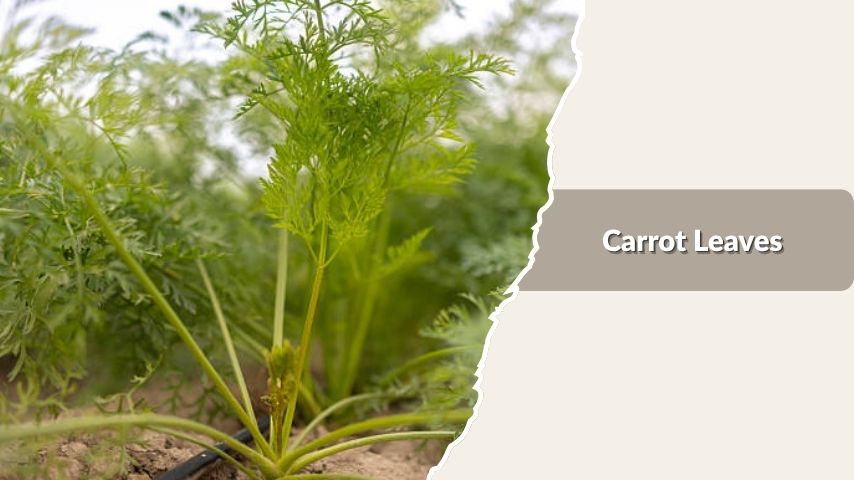
Carrot leaves can also be eaten by swallowtail caterpillars. Since carrots are related to parsley, dill, and fennel, their leafy tops can support caterpillar growth. Swallowtails usually feed on the green tops rather than the root.
Signs Caterpillars Are Eating Carrot Leaves
- Small bite marks on the leaves
- Caterpillars resting along stems
- Leaf sections disappearing over time
- Adult swallowtails flying near the plants
Carrot leaves are more useful for caterpillars than adult butterflies. Adult swallowtails may visit carrot flowers if the plant blooms, but caterpillars mainly use the leaves as food.
6. Queen Anne’s Lace
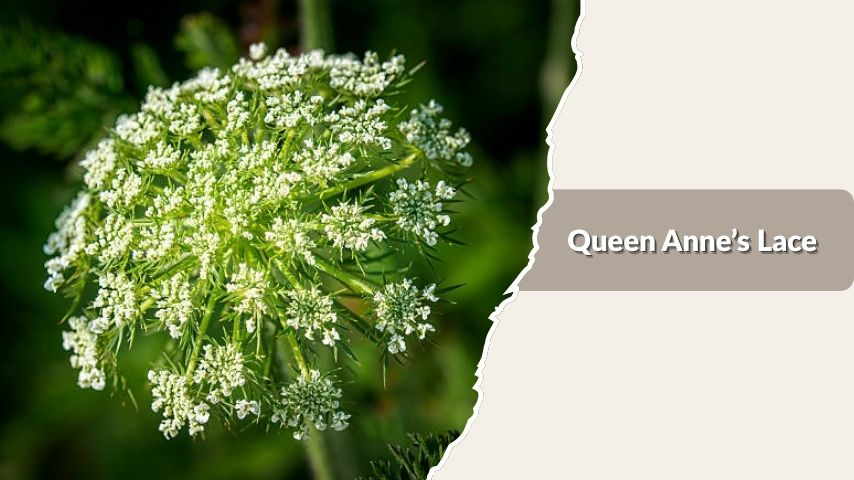
Queen Anne’s lace is a wild plant that can serve as a host plant for some swallowtail caterpillars. It is related to carrots and has delicate, fern-like leaves. In wild areas, swallowtails may use it when garden herbs are not available.
This plant is often found along roadsides, fields, and open spaces. Because it can spread easily, gardeners should be careful where they allow it to grow. Still, it can be useful for supporting swallowtails in natural areas.
7. Citrus Leaves
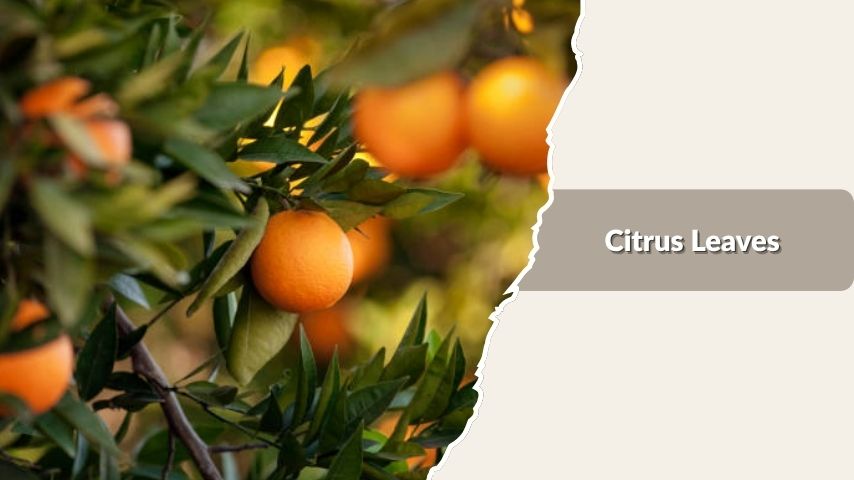
Citrus leaves are a major food source for giant swallowtail caterpillars. These caterpillars may feed on orange, lemon, lime, grapefruit, and other citrus plants. They often look like bird droppings when young, which helps protect them from predators.
Common Citrus Plants Used by Caterpillars
- Orange
- Lemon
- Lime
- Grapefruit
- Mandarin
- Kumquat
While caterpillars may chew citrus leaves, healthy mature trees can usually handle light feeding. Young citrus plants may need protection if there are many caterpillars at once.
8. Pawpaw Leaves
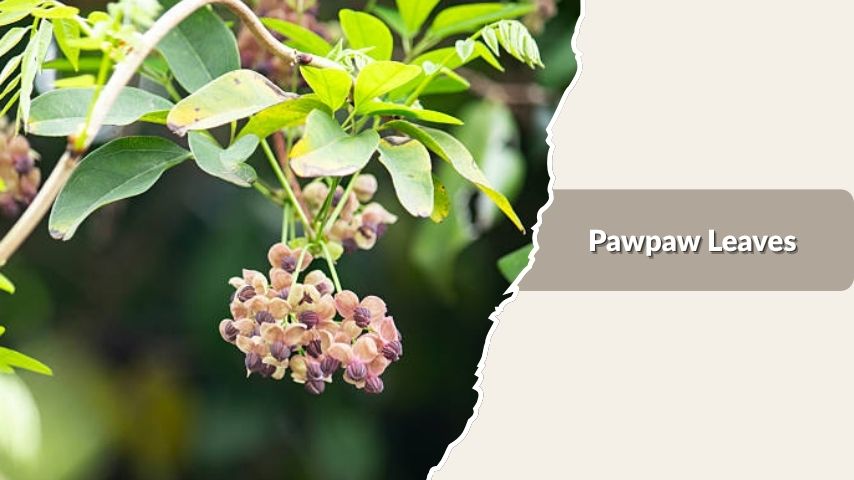
Pawpaw leaves are the main food for zebra swallowtail caterpillars. Adult zebra swallowtails lay eggs on pawpaw plants because their caterpillars depend on these leaves. Without pawpaw trees, zebra swallowtails may not be able to complete their life cycle in that area.
Pawpaw trees are especially useful in native gardens and wildlife-friendly landscapes. They provide food for caterpillars while also producing fruit for people and wildlife.
9. Spicebush Leaves
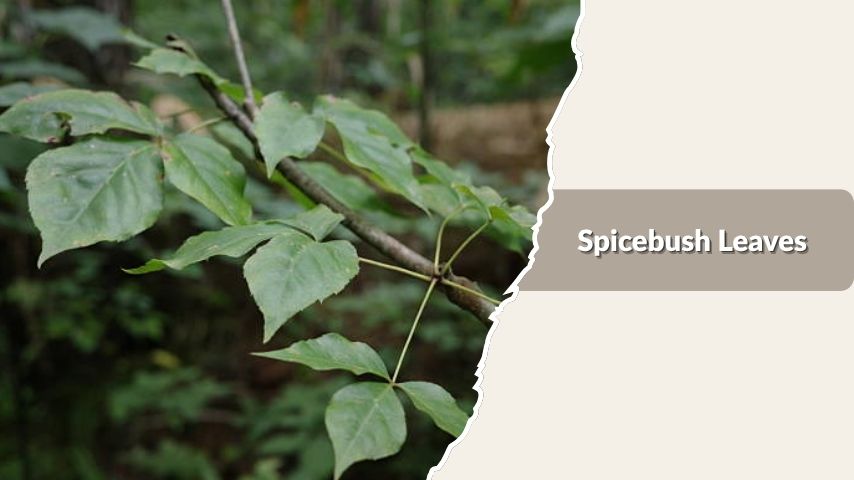
Spicebush leaves are eaten by spicebush swallowtail caterpillars. These caterpillars often fold or hide inside leaves for protection while feeding. The plant gives them both food and shelter during their growth stage.
Spicebush is a good choice for woodland gardens, shaded yards, and native plant landscapes. It supports swallowtails while also adding natural beauty to the garden.
10. Tulip Tree Leaves
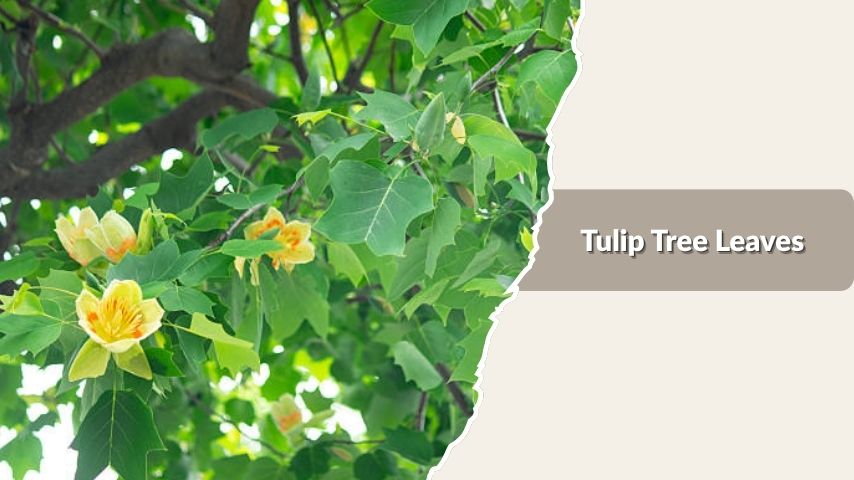
Tulip tree leaves can be used by tiger swallowtail caterpillars. The female butterfly may lay eggs on tulip trees, where the caterpillars feed on the leaves after hatching. Since tulip trees can grow very large, caterpillar feeding is usually not a serious problem.
Tulip trees are valuable in larger landscapes because they support wildlife, provide shade, and attract butterflies. For tiger swallowtails, they can be an important host plant.
Adult Swallowtails vs Caterpillar Food
Adult swallowtails and caterpillars have very different diets. Adults need nectar, while caterpillars need leaves from host plants. A garden with only flowers may attract adult butterflies, but it may not support caterpillars.
Main Differences
- Adult swallowtails drink nectar
- Caterpillars eat leaves
- Adults visit many flower types
- Caterpillars depend on specific host plants
- Nectar supports energy, while leaves support growth
To attract swallowtails and help them reproduce, it is best to grow both nectar flowers and host plants. This gives butterflies a place to feed, lay eggs, and complete their life cycle.
FAQs
What do adult swallowtails eat?
Adult swallowtails mostly eat nectar from flowers. They visit colorful, nectar-rich blooms and use their long mouthpart to sip liquid food. Nectar gives them energy for flying, mating, and searching for host plants where females can lay eggs.
What do swallowtail caterpillars eat?
Swallowtail caterpillars eat leaves from specific host plants. Depending on the species, they may feed on parsley, dill, fennel, carrot leaves, citrus leaves, pawpaw leaves, spicebush leaves, or tulip tree leaves. These leaves help them grow before becoming butterflies.
Do swallowtails eat parsley?
Yes, some swallowtail caterpillars eat parsley. Black swallowtail caterpillars are especially known for feeding on parsley, along with dill, fennel, and carrot leaves. Adult butterflies may lay eggs on parsley so the caterpillars have food after hatching.
Do swallowtails eat fruit?
Adult swallowtails usually prefer flower nectar, but some butterflies may occasionally visit overripe fruit, moisture, or mineral-rich spots. However, nectar is their main food source. Caterpillars do not eat fruit; they feed on leaves from host plants.
How can I attract swallowtails to my garden?
To attract swallowtails, plant nectar flowers for adult butterflies and host plants for caterpillars. Good choices include zinnias, milkweed, parsley, dill, fennel, citrus, pawpaw, spicebush, and tulip tree. Avoid using pesticides if you want caterpillars and butterflies to survive.