
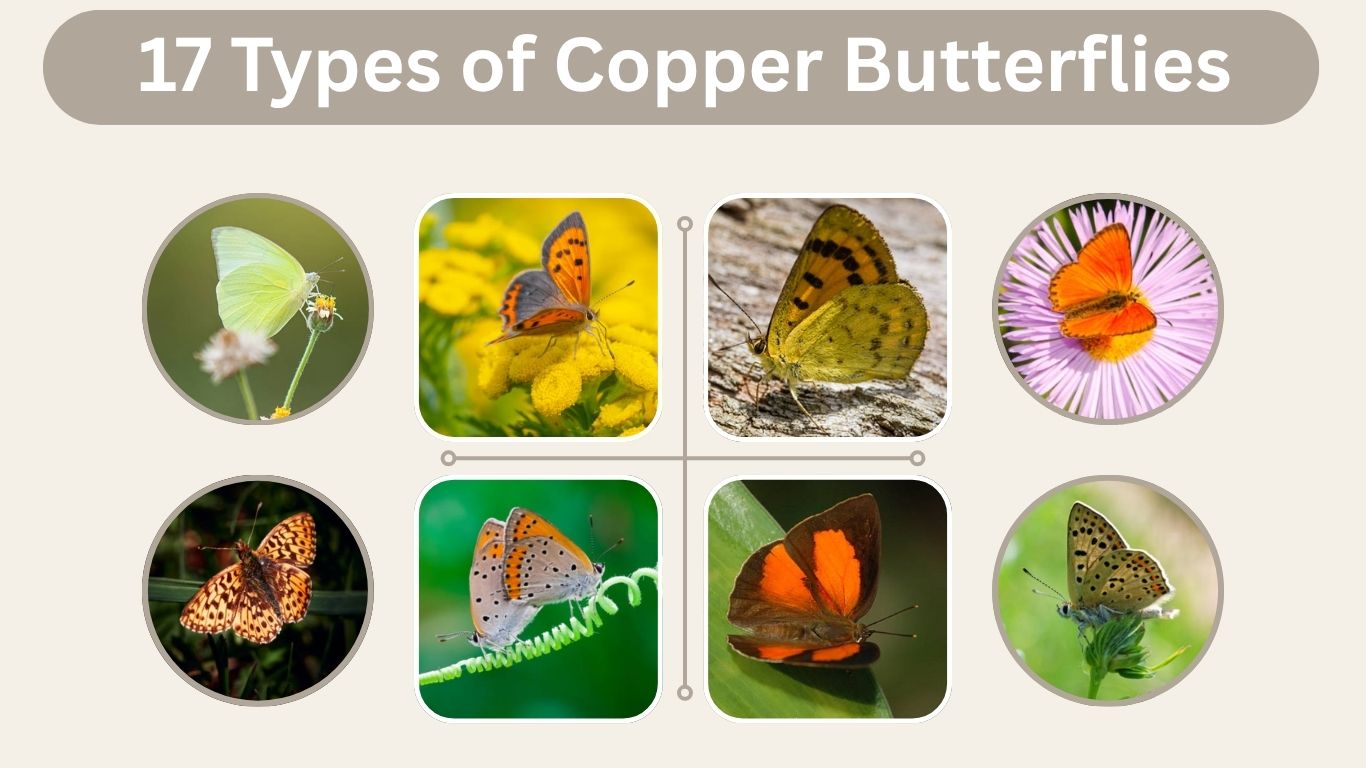
Copper Butterflies are small, vibrant insects admired for their bright copper-orange wings and distinctive dark spots. Found across North America, Europe, and parts of Asia, these butterflies inhabit meadows, grasslands, gardens, and open woodland edges. They play an important role in pollination and serve as indicators of healthy ecosystems. This article explores 17 common types of Copper Butterflies, providing detailed information on their identification, habitat, behavior, diet, and lifecycle, offering enthusiasts and naturalists valuable insight into these striking and ecologically significant butterflies.
1. American Copper Butterfly
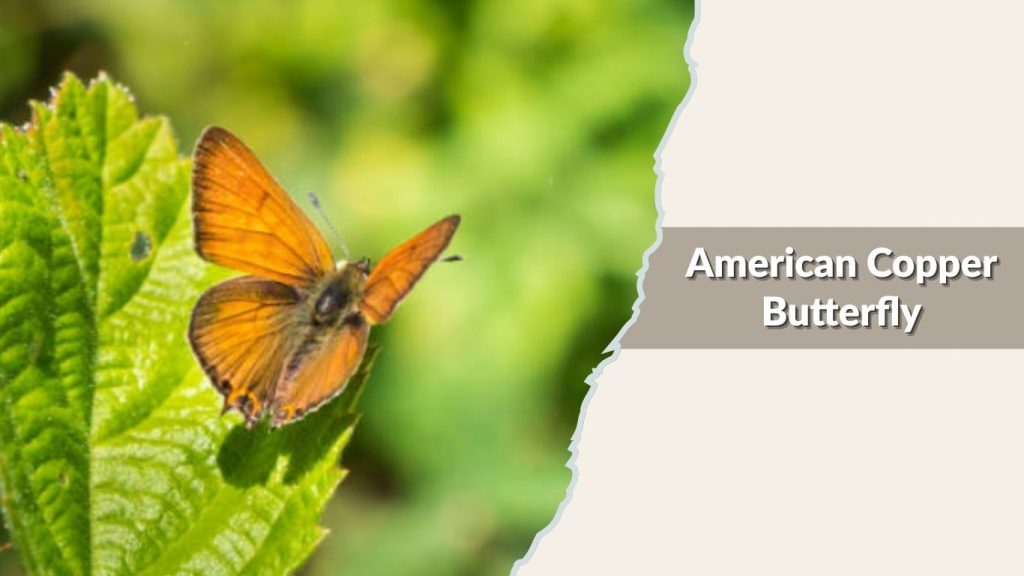
The American Copper Butterfly (Lycaena phlaeas) is a small, vividly colored butterfly, easily recognized by its bright copper-orange wings with dark spots and contrasting dark margins. Commonly found in North America, it thrives in open habitats such as meadows, fields, grasslands, and urban gardens. This species is active from spring through fall and is often observed fluttering close to the ground, searching for nectar sources. Its fast, low flight pattern and territorial behavior make it a fascinating subject for butterfly watchers. Besides its striking appearance, the American Copper Butterfly contributes to pollination and supports the ecological balance by interacting with various flowering plants. Larvae rely on specific host plants, making habitat preservation critical for their survival.
Identification
- Small butterfly, wingspan 2.5–3.5 cm
- Upper wings bright orange-copper with dark spots
- Dark brown edges along forewings and hindwings
- Underside lighter, with small black spots
- Compact body with short antennae
Habitat and Distribution
American Copper Butterflies are widespread across North America, ranging from Canada to the southern United States. They prefer open, sunny areas such as meadows, pastures, gardens, and roadside vegetation. Host plants, especially members of the sorrel and dock families, are critical for larval development. Adults often stay close to these feeding and breeding grounds.
Behavior and Diet
Adults feed primarily on nectar from flowers including clover, asters, milkweed, and other small wildflowers. Males patrol territories to attract females, while females focus on locating suitable host plants for egg-laying. The species is non-migratory but shows local movement based on floral availability.
Lifecycle
Females lay eggs individually on host plant leaves. Caterpillars feed on foliage, growing through multiple instars. Pupation occurs on the plant or nearby debris. Adults emerge after metamorphosis, often producing several generations per year, depending on climate conditions.
2. Eastern Bronze Copper Butterfly
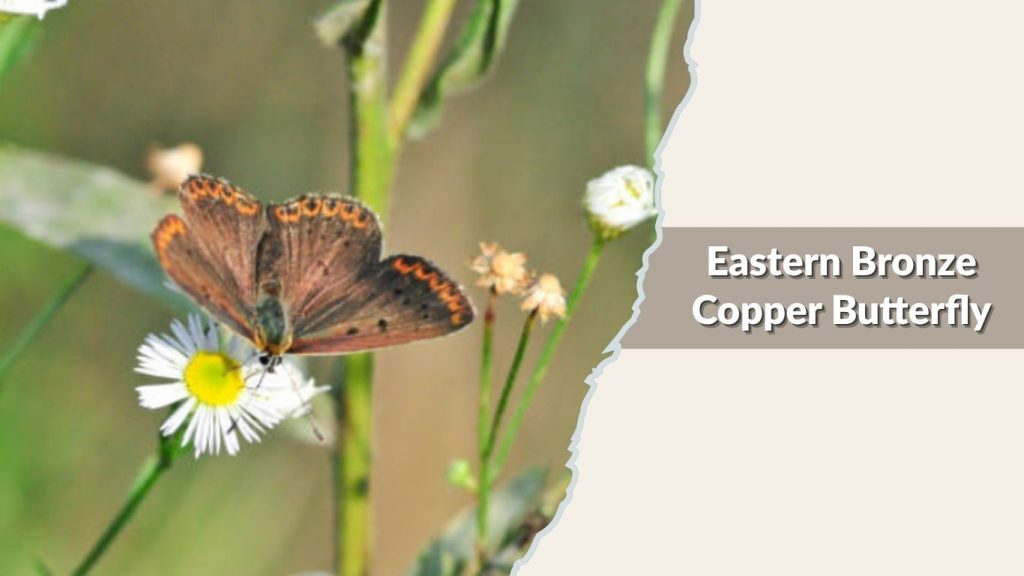
The Eastern Bronze Copper Butterfly (Lycaena hyllus) is a striking butterfly native to eastern North America. Known for its bright bronze-orange wings with black spots, it inhabits wetlands, marsh edges, meadows, and areas near rivers or ponds. This butterfly is active during the summer months and is often seen feeding on nectar from wildflowers or basking in sunny patches. Its presence indicates healthy wetland and meadow ecosystems, as the species relies on specific host plants for larval development. The Eastern Bronze Copper plays a role in pollination while adding vibrant color to its habitat, making it both ecologically important and visually appealing.
Identification
- Medium-small butterfly with a wingspan of 3–4 cm
- Bronze-orange upper wings with prominent black spots
- Dark brown margins along the wings
- Lighter underside with subtle orange and brown patterns
- Slender body and delicate antennae
Habitat and Distribution
Found primarily in eastern North America, including parts of the United States and Canada. Prefers wetlands, marshy meadows, and moist fields where host plants such as dock and sorrel are abundant. Adults are usually observed near these host plants or on nectar-rich flowers.
Behavior and Diet
Adults feed on nectar from a variety of flowers, including goldenrod, milkweed, and clover. Males are territorial, patrolling their areas to locate females. The species is non-migratory but may move locally to find abundant nectar sources.
Lifecycle
Eggs are laid singly on host plant leaves. Larvae feed on foliage, developing through several instars. Pupation occurs nearby or on the host plant. Adults emerge after metamorphosis, completing one or more generations per summer depending on regional climate conditions.
3. Greenish Copper Butterfly
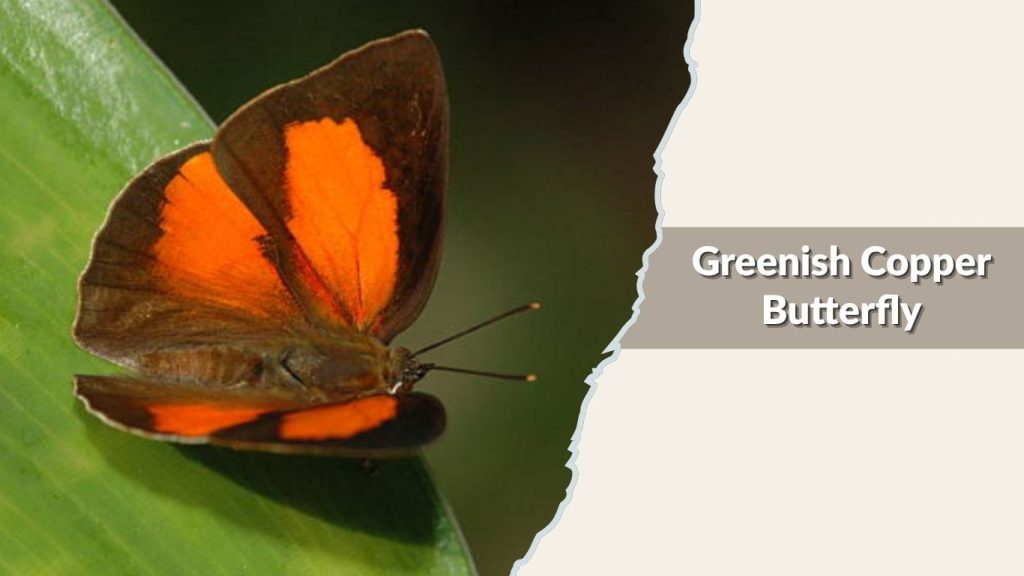
The Greenish Copper Butterfly (Lycaena dorcas) is a small, delicate butterfly known for its distinctive greenish-bronze tint on the wings, often mixed with orange and brown markings. It inhabits wetlands, bogs, and moist meadows in North America, favoring areas with abundant host plants like sorrel and dock. Active from late spring through summer, this butterfly contributes to pollination and serves as an indicator of healthy wetland ecosystems. Its rapid, low flight makes it agile but sometimes difficult to observe closely. The Greenish Copper Butterfly is admired for its subtle, yet striking, metallic wing sheen and ecological role in its habitat.
Identification
- Small butterfly with a wingspan of 2.5–3.5 cm
- Upper wings greenish-bronze with orange and dark spots
- Dark brown margins along forewings and hindwings
- Underside lighter with subtle spots and greenish tones
- Slender body with short antennae
Habitat and Distribution
Greenish Copper Butterflies are found in North American wetlands, bogs, moist meadows, and along streams. They prefer open, sunny areas with dense growth of host plants like sorrel. Adults are often seen flying low near the ground, resting on vegetation, or nectaring on flowers.
Behavior and Diet
Adults feed on nectar from flowers such as milkweed, goldenrod, and clover. Males patrol territories to locate females for mating, while females focus on finding suitable host plants for egg-laying. The species is generally non-migratory but may move locally to find flowering plants.
Lifecycle
Eggs are laid individually on host plant leaves. Larvae feed on the foliage, growing through multiple instars. Pupation occurs on or near the host plant, with adults emerging to continue reproduction. Depending on climate, the species can produce one or more generations per year.
4. Small Copper Butterfly
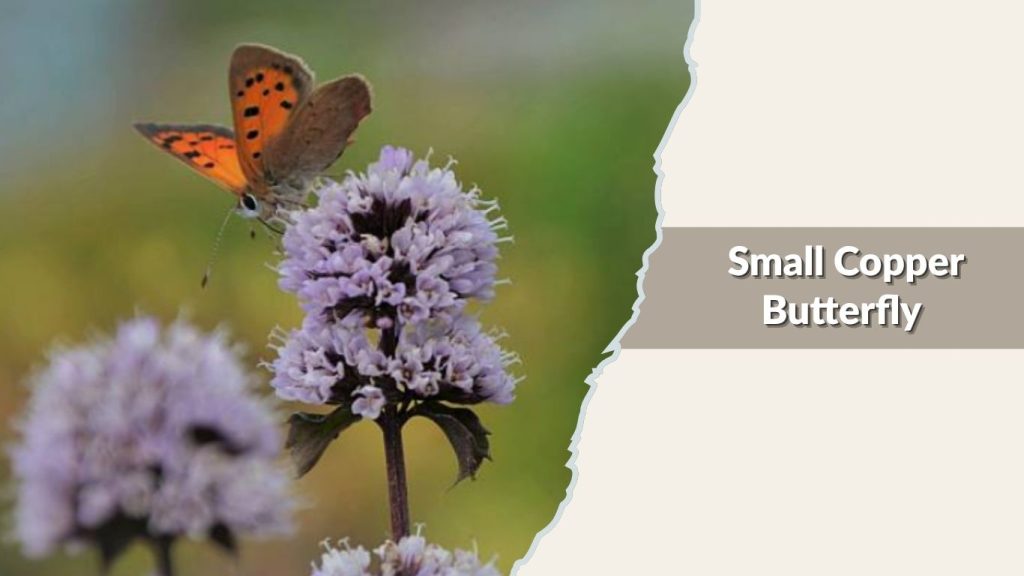
The Small Copper Butterfly (Lycaena phlaeas) is a tiny yet vibrant butterfly widely recognized for its bright copper-orange wings bordered with dark brown. Found across North America, Europe, and parts of Asia, it inhabits meadows, grasslands, and urban gardens. Active from spring through early fall, it frequently perches on low vegetation and flowers, making it easy to spot despite its small size. This butterfly plays an important ecological role as a pollinator and serves as an indicator of healthy grassland habitats. Its rapid flight and territorial behavior are characteristic traits.
Identification
- Small butterfly with a wingspan of 2.5–3.5 cm
- Bright copper-orange upper wings with black spots
- Dark brown borders along forewings and hindwings
- Lighter underside with small dark spots
- Compact body with short antennae
Habitat and Distribution
Small Copper Butterflies are widespread in North America, Europe, and parts of Asia. They prefer sunny, open areas such as meadows, grasslands, roadsides, and gardens where host plants like sorrel and dock grow. Adults often remain near flowering plants for nectar feeding.
Behavior and Diet
Adults feed on nectar from flowers including clover, dandelions, and milkweed. Males are territorial, patrolling areas to locate females, while females search for host plants to lay eggs. The species exhibits low, rapid flight and can easily maneuver through dense vegetation.
Lifecycle
Eggs are laid singly on the leaves of host plants. Larvae feed on foliage, developing through several instars. Pupation occurs in leaf litter or low vegetation. Adults emerge to reproduce, with multiple generations possible in warmer months.
5. Violet Copper Butterfly
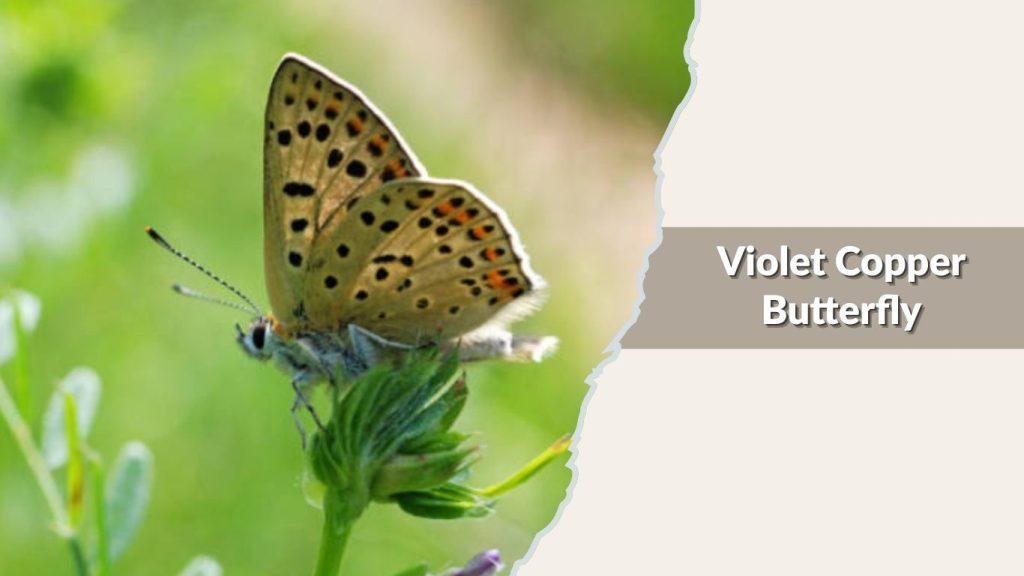
The Violet Copper Butterfly (Lycaena helle) is a small and striking butterfly known for its vivid violet and copper tones on the wings. It is native to northern and central Europe and parts of Asia, preferring damp meadows, bogs, and woodland clearings. Active during late spring and early summer, it flutters close to the ground and often rests on low vegetation. This species contributes to pollination while its presence indicates healthy wetland or meadow ecosystems. Its colorful wings and delicate flight make it a favorite among butterfly enthusiasts and naturalists.
Identification
- Small butterfly with a wingspan of 2.5–3.5 cm
- Upper wings copper with violet sheen and black spots
- Dark brown margins along forewings and hindwings
- Lighter, speckled underside with subtle orange or brown spots
- Slender body with short antennae
Habitat and Distribution
Violet Copper Butterflies inhabit damp meadows, bogs, woodland edges, and marshy areas in northern and central Europe, as well as parts of Asia. They prefer sunny spots near host plants like sorrel, which are essential for larval feeding.
Behavior and Diet
Adults feed on nectar from flowers such as clover, dandelion, and buttercup. Males patrol small territories to attract females, while females lay eggs individually on host plants. The species is non-migratory, moving locally based on floral availability.
Lifecycle
Eggs are deposited on the leaves of host plants. Larvae feed on foliage and pass through several instars before pupating in a sheltered spot nearby. Adults emerge after metamorphosis, producing typically one generation per year depending on local climate conditions.
6. Purple Copper Butterfly
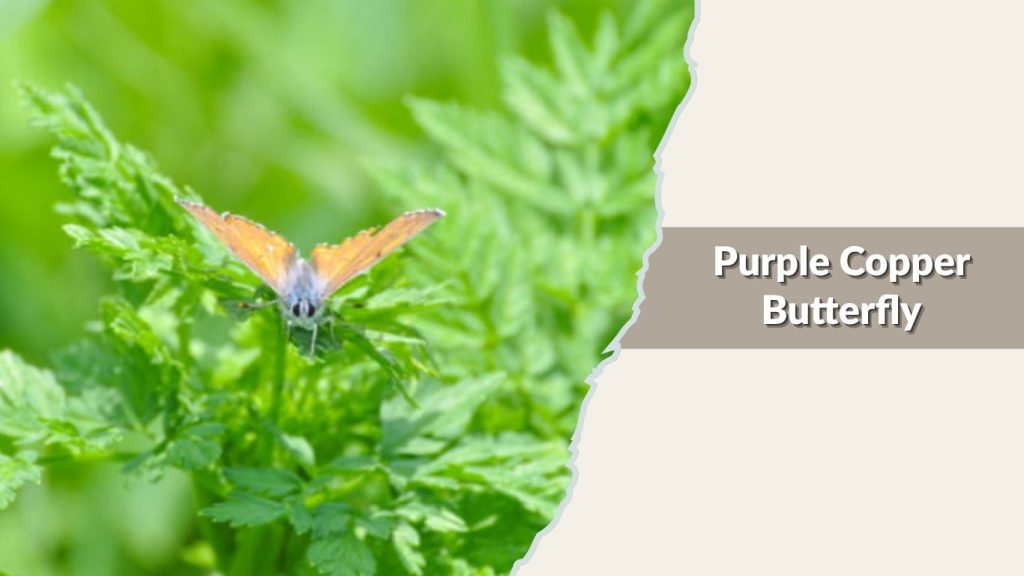
The Purple Copper Butterfly (Lycaena alciphron) is a small, visually striking butterfly notable for its deep purple and copper-colored wings with black spots. Native to parts of Europe, it is commonly found in dry grasslands, meadows, and heathlands. Active during summer months, it is often observed fluttering close to the ground, visiting flowers for nectar. This species is an important pollinator and an indicator of well-preserved grassland ecosystems. Its vibrant wing coloration and agile flight make it a favorite among butterfly watchers.
Identification
- Small butterfly, wingspan 3–4 cm
- Upper wings copper-orange with purple sheen and dark spots
- Dark brown wing margins
- Lighter underside with subtle brown and orange patterns
- Slender body with short antennae
Habitat and Distribution
Purple Copper Butterflies inhabit dry meadows, grasslands, and heathlands across Europe, especially in regions with abundant host plants such as sorrel. They prefer sunny, open areas for feeding and mating.
Behavior and Diet
Adults feed on nectar from flowers like clover, dandelions, and knapweed. Males patrol territories to attract females, while females focus on locating host plants for egg-laying. The species is non-migratory but may move locally for nectar sources.
Lifecycle
Eggs are laid individually on host plant leaves. Larvae feed on the foliage through several instars, then pupate in nearby sheltered areas. Adults emerge after metamorphosis, completing one or more generations depending on the local climate.
7. Bronze Copper Butterfly
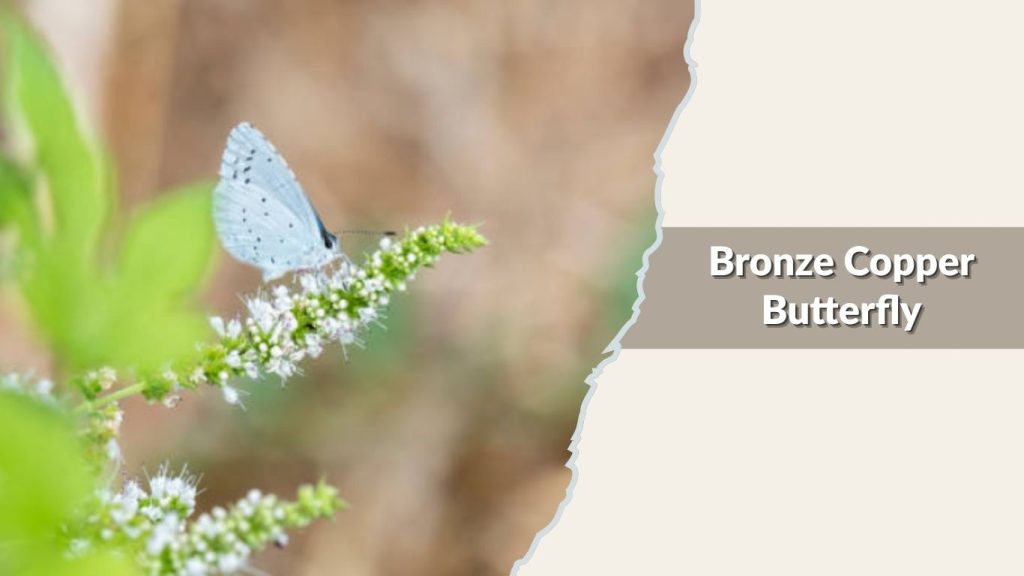
The Bronze Copper Butterfly (Lycaena hyllus) is a small, striking butterfly known for its metallic bronze-orange wings with dark spots and a subtle iridescent sheen. Native to parts of North America, it favors wet meadows, marsh edges, and areas with abundant host plants such as sorrel and dock. Active during summer, it exhibits rapid, low flight and often perches on low vegetation or flowers. This species contributes to pollination and is an indicator of healthy wetland ecosystems. Its vivid coloration and distinctive flight patterns make it a favorite among naturalists.
Identification
- Small butterfly with a wingspan of 3–4 cm
- Upper wings bronze-orange with dark spots
- Dark brown margins along forewings and hindwings
- Lighter underside with subtle orange and brown patterns
- Slender body with short antennae
Habitat and Distribution
Bronze Copper Butterflies inhabit wet meadows, marshes, and moist grasslands in eastern North America. They prefer sunny spots with host plants like sorrel, where adults feed, mate, and lay eggs.
Behavior and Diet
Adults feed on nectar from flowers such as clover, milkweed, and goldenrod. Males patrol small territories to attract females, while females focus on locating suitable host plants for oviposition. The species is non-migratory but moves locally for floral resources.
Lifecycle
Eggs are laid individually on host plant leaves. Larvae feed on foliage, growing through multiple instars. Pupation occurs on or near the host plant. Adults emerge to continue reproduction, often producing one or more generations per summer depending on climate.
8. Alpine Copper Butterfly
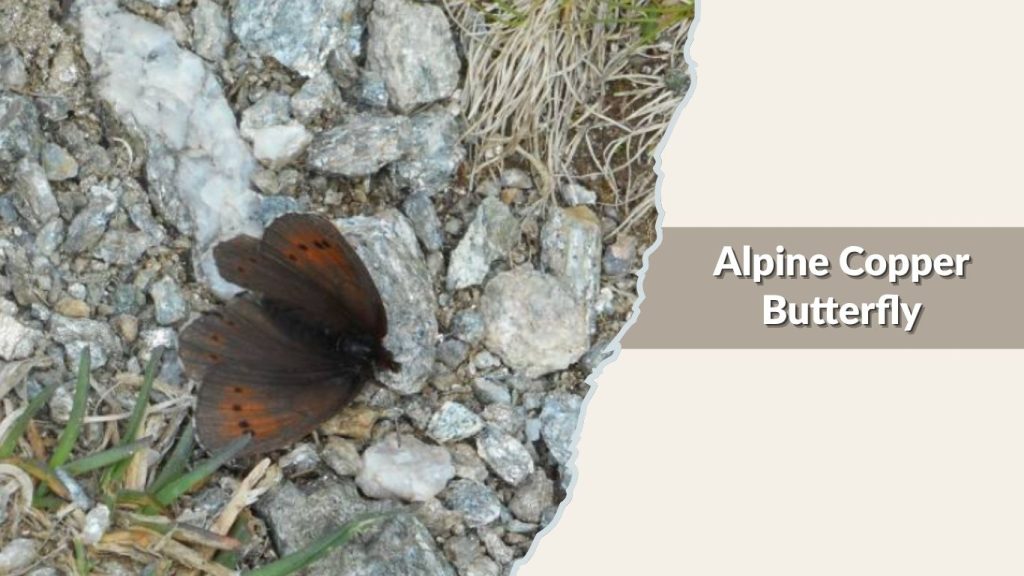
The Alpine Copper Butterfly (Lycaena tityrus) is a small, brightly colored butterfly found in mountainous and subalpine regions of Europe. Its striking copper-orange wings with dark spots and subtle metallic sheen make it easily recognizable. This species prefers sunny, open habitats such as alpine meadows, rocky slopes, and grassy clearings. Active from late spring to summer, the Alpine Copper Butterfly contributes to pollination and is considered an indicator of healthy high-altitude ecosystems. Its agile, low flight and preference for specific host plants distinguish it from other copper butterflies.
Identification
- Small butterfly with a wingspan of 3–4 cm
- Copper-orange upper wings with dark brown or black spots
- Dark margins on forewings and hindwings
- Lighter, patterned underside for camouflage
- Slender body with short antennae
Habitat and Distribution
Alpine Copper Butterflies inhabit mountainous meadows, subalpine grasslands, and rocky slopes across Europe. They are commonly found at elevations where host plants like sorrel and dock thrive, providing food for larvae. Adults are often seen nectaring on wildflowers in sunny patches.
Behavior and Diet
Adults feed on nectar from alpine flowers, including clover, thyme, and dandelions. Males patrol territories to find females, while females focus on laying eggs on host plants. The species does not migrate but may move locally to access floral resources.
Lifecycle
Eggs are laid singly on host plant leaves. Larvae feed on foliage through several instars and pupate in sheltered areas nearby. Adults emerge after metamorphosis, with typically one or two generations per year depending on the altitude and climate.
9. Northern Copper Butterfly
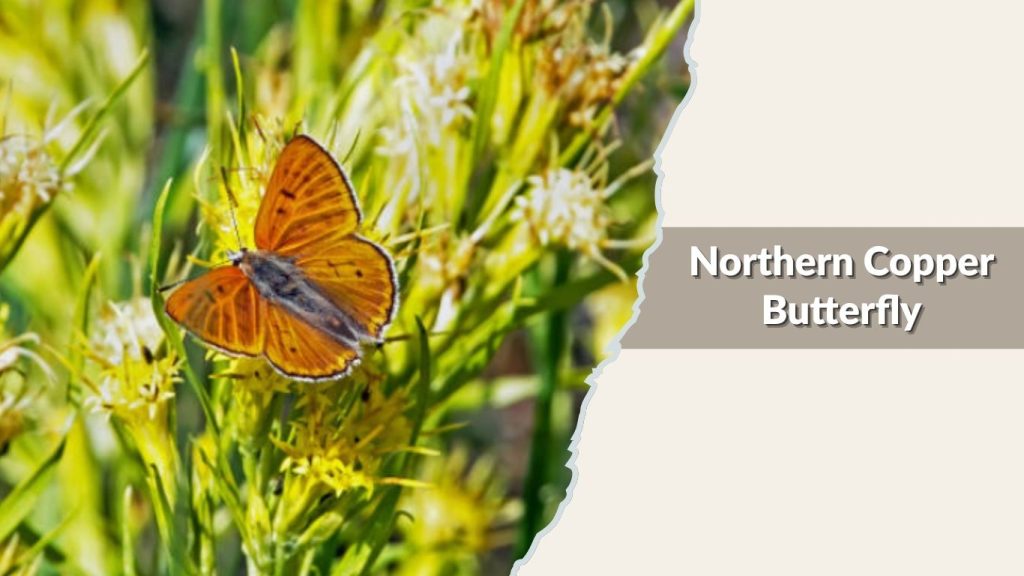
The Northern Copper Butterfly (Lycaena dospassosi) is a small, brightly colored butterfly native to northern regions of North America. Its wings display a vivid copper-orange hue with dark spots and a subtle metallic sheen. Preferring open meadows, wetlands, and tundra edges, this species is active during late spring and summer. It serves as an important pollinator for native plants and contributes to ecosystem health. The Northern Copper Butterfly’s low, rapid flight and territorial behavior make it easily recognizable in its preferred habitats.
Identification
- Small butterfly with a wingspan of 3–4 cm
- Upper wings bright copper-orange with dark brown or black spots
- Dark margins along forewings and hindwings
- Lighter underside with faint orange and brown patterns
- Slender body and short antennae
Habitat and Distribution
Northern Copper Butterflies inhabit northern meadows, tundra edges, wetlands, and grasslands in Canada and northern United States. They prefer areas where host plants such as sorrel and dock are abundant, providing food for larvae.
Behavior and Diet
Adults feed on nectar from flowers including clover, goldenrod, and dandelion. Males patrol territories to locate females, while females focus on laying eggs on host plants. They are generally non-migratory but move locally to access nectar sources.
Lifecycle
Eggs are laid singly on host plant leaves. Larvae feed on the foliage, passing through multiple instars. Pupation occurs on or near the host plant, and adults emerge to continue reproduction. The species may produce one or two generations per summer depending on climate conditions.
10. Tawny Copper Butterfly
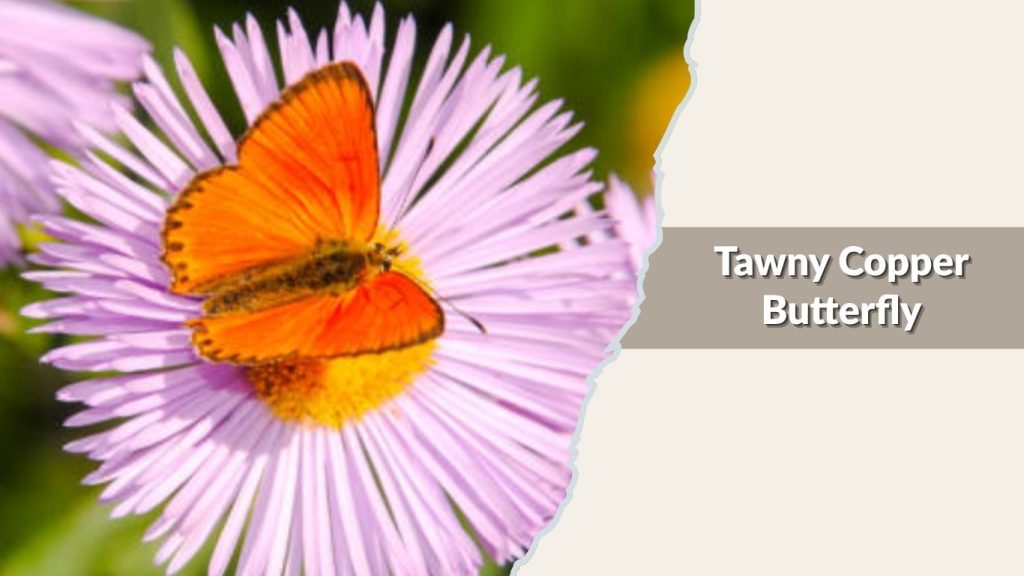
The Tawny Copper Butterfly (Lycaena tityrus) is a small, vividly colored butterfly distinguished by its warm, tawny-orange wings with dark spots and subtle metallic tones. It is commonly found in Europe and parts of Asia, inhabiting dry meadows, grasslands, and open woodland edges. Active from late spring through summer, this butterfly contributes to pollination while serving as an indicator of healthy grassland ecosystems. Its low, rapid flight and territorial behavior make it a notable presence among other copper butterflies.
Identification
- Small butterfly with a wingspan of 3–4 cm
- Upper wings tawny-orange with dark brown or black spots
- Dark margins along forewings and hindwings
- Underside lighter with subtle brown or orange patterns
- Slender body with short antennae
Habitat and Distribution
Tawny Copper Butterflies inhabit dry meadows, grasslands, and woodland edges across Europe and parts of Asia. They prefer sunny, open areas with abundant host plants such as sorrel and dock for larval feeding.
Behavior and Diet
Adults feed on nectar from flowers like clover, dandelion, and goldenrod. Males patrol territories to locate females, while females focus on selecting suitable host plants for egg-laying. They are non-migratory but may move locally to access flowering plants.
Lifecycle
Eggs are laid individually on host plant leaves. Larvae feed on the foliage through several instars and pupate in sheltered areas nearby. Adults emerge to reproduce, with one or more generations per year depending on climate and habitat conditions.
11. Lycaena phlaeas Copper Butterfly
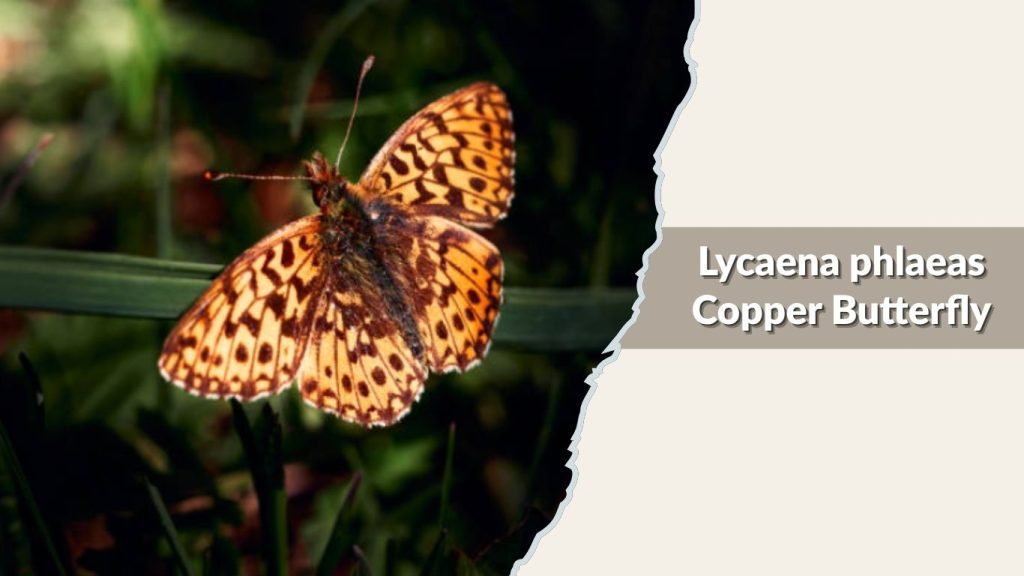
The Lycaena phlaeas Copper Butterfly, also known as the Common Copper, is a small, brightly colored butterfly recognized for its striking copper-orange wings with black spots. It is widespread across North America, Europe, and Asia, inhabiting meadows, grasslands, gardens, and roadside vegetation. Active from spring through early fall, it plays a role in pollination while serving as an indicator of healthy open habitats. Its rapid, low flight and frequent perching on flowers make it easily observable for butterfly enthusiasts and researchers alike.
Identification
- Small butterfly with a wingspan of 2.5–3.5 cm
- Upper wings bright copper-orange with black spots
- Dark brown edges along forewings and hindwings
- Underside lighter with subtle brown spots
- Compact body with short antennae
Habitat and Distribution
Found widely across North America, Europe, and Asia, this butterfly prefers sunny, open habitats such as meadows, grasslands, and gardens. Larvae depend on host plants like sorrel and dock for feeding, making these plants essential for reproduction.
Behavior and Diet
Adults feed on nectar from flowers such as clover, dandelion, and milkweed. Males are territorial, patrolling areas to find females, while females focus on laying eggs on host plants. The species shows low, rapid flight and moves locally to find nectar sources.
Lifecycle
Eggs are laid individually on the leaves of host plants. Larvae feed on foliage through multiple instars. Pupation occurs in nearby sheltered areas, and adults emerge to continue reproduction. Depending on climate, one or more generations can occur per year.
12. Golden Copper Butterfly
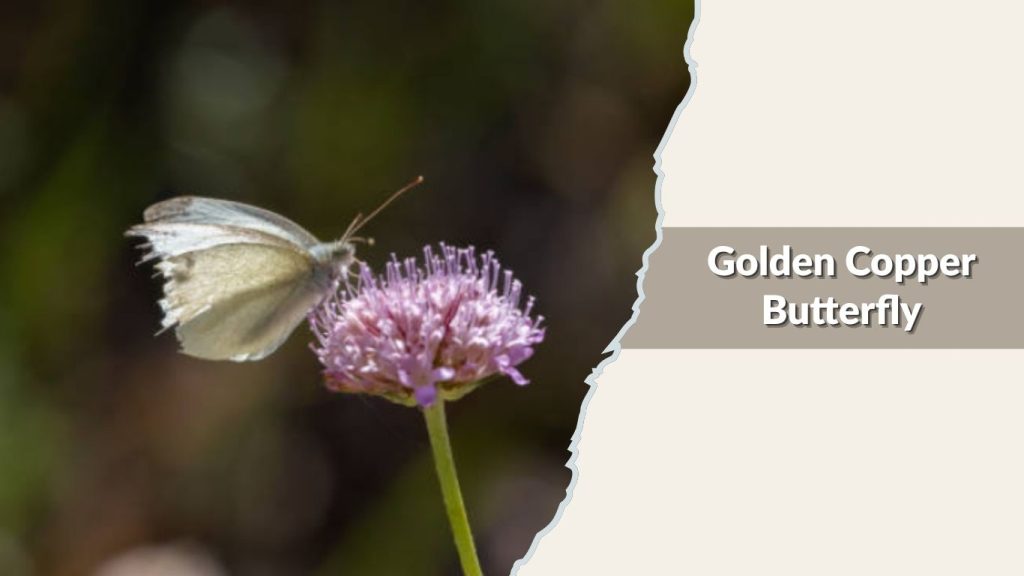
The Golden Copper Butterfly (Lycaena xanthoides) is a small, vibrant butterfly known for its striking golden-orange wings adorned with dark spots and a subtle metallic sheen. Native to North America, it inhabits open fields, meadows, and grasslands where host plants such as sorrel and dock are abundant. Active during late spring and summer, this butterfly is an important pollinator and serves as an indicator of healthy, undisturbed habitats. Its low, rapid flight and frequent perching on flowers make it easily noticeable to observers and researchers.
Identification
- Small butterfly with a wingspan of 3–4 cm
- Golden-orange upper wings with dark brown or black spots
- Dark margins along forewings and hindwings
- Lighter, subtly patterned underside
- Slender body with short antennae
Habitat and Distribution
Golden Copper Butterflies are found in North American meadows, grasslands, and open fields. They prefer sunny, open areas where host plants are abundant, allowing adults to feed and females to lay eggs on suitable foliage.
Behavior and Diet
Adults feed on nectar from flowers such as clover, milkweed, and goldenrod. Males patrol territories to locate females for mating, while females focus on laying eggs on host plants. The species does not migrate but may move locally to access nectar sources.
Lifecycle
Eggs are laid individually on host plant leaves. Larvae feed on the foliage through several instars, then pupate in sheltered areas nearby. Adults emerge after metamorphosis, producing one or more generations per year depending on climate conditions.
13. Southern Copper Butterfly
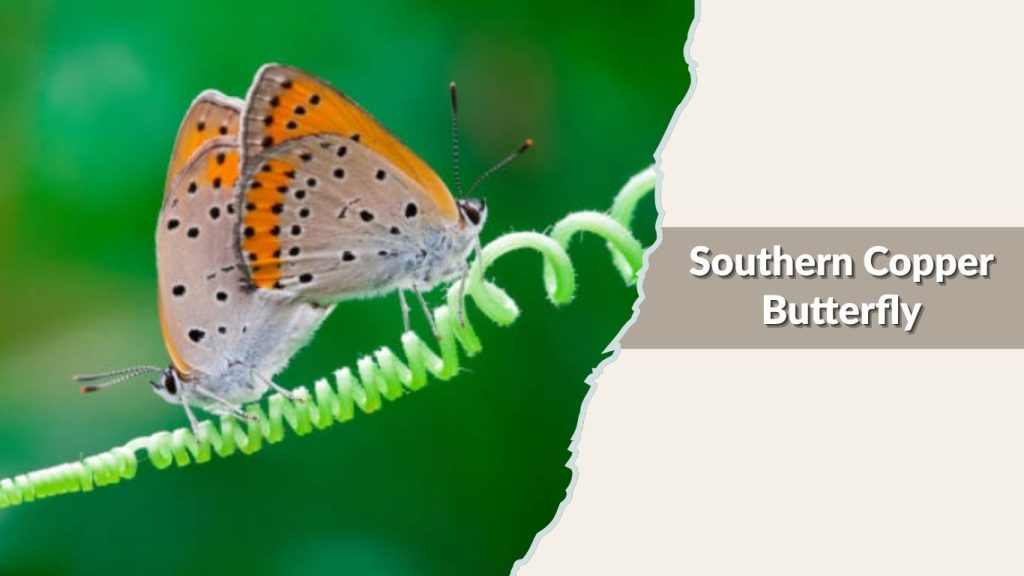
The Southern Copper Butterfly (Lycaena southernensis) is a small, brightly colored butterfly with vibrant copper-orange wings featuring dark spots and subtle metallic highlights. Native to southern regions of North America, it inhabits meadows, open grasslands, and roadside areas with abundant host plants such as sorrel and dock. Active during spring and summer, this butterfly contributes to pollination and indicates healthy open habitats. Its low, rapid flight and frequent visits to flowers make it a visually striking species for both enthusiasts and researchers.
Identification
- Small butterfly with a wingspan of 3–4 cm
- Copper-orange upper wings with dark brown or black spots
- Dark margins along forewings and hindwings
- Lighter underside with subtle brown patterns
- Slender body with short antennae
Habitat and Distribution
Southern Copper Butterflies are found in meadows, grasslands, and open fields in southern North America. They prefer sunny areas with an abundance of host plants, which are essential for larval feeding and egg-laying.
Behavior and Diet
Adults feed on nectar from flowers such as clover, dandelion, and milkweed. Males patrol territories to locate females, while females focus on laying eggs on host plants. The species is non-migratory but may move locally to access nectar-rich flowers.
Lifecycle
Eggs are laid individually on host plant leaves. Larvae feed on foliage, passing through several instars before pupation in nearby sheltered areas. Adults emerge to continue reproduction, producing one or more generations per year depending on climate conditions.
14. Fiery Copper Butterfly
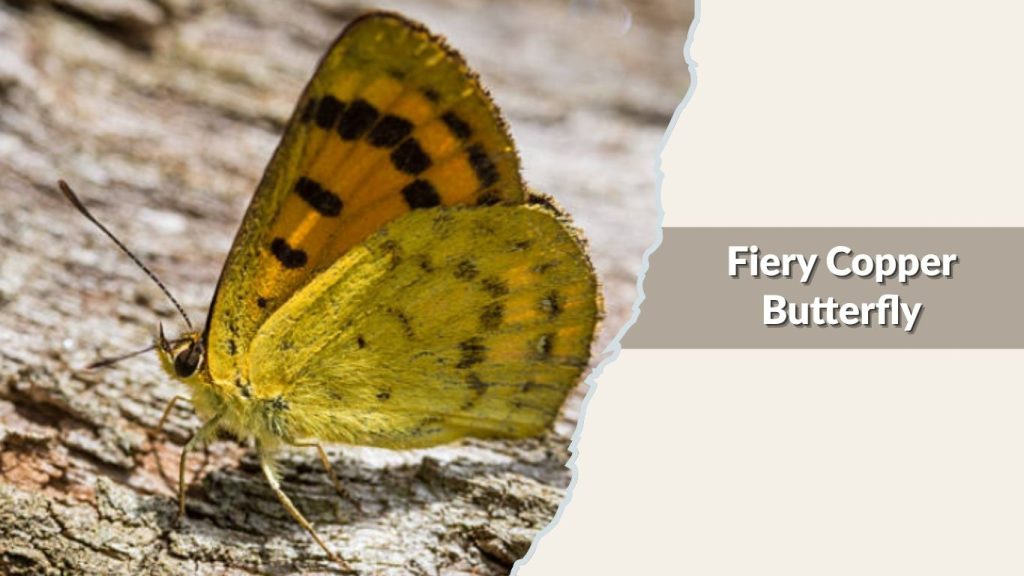
The Fiery Copper Butterfly (Lycaena pyrrha) is a small, brightly colored butterfly characterized by its intense copper-orange wings with dark spots and subtle metallic sheen. Found in North America and parts of Europe, it inhabits meadows, grasslands, and open woodland edges. Active during late spring and summer, this butterfly plays an important role in pollination and serves as an indicator of healthy grassland ecosystems. Its agile, low flight and frequent visits to nectar sources make it easily observable and a favorite among butterfly enthusiasts.
Identification
- Small butterfly with a wingspan of 3–4 cm
- Copper-orange upper wings with dark brown or black spots
- Dark margins along forewings and hindwings
- Lighter underside with subtle brown or orange patterns
- Slender body with short antennae
Habitat and Distribution
Fiery Copper Butterflies inhabit meadows, grasslands, and open woodland edges in North America and parts of Europe. They prefer sunny, open areas where host plants like sorrel and dock are abundant for larval feeding.
Behavior and Diet
Adults feed on nectar from flowers such as clover, dandelion, and milkweed. Males patrol territories to find females, while females focus on laying eggs on suitable host plants. The species is non-migratory but may move locally to access nectar sources.
Lifecycle
Eggs are laid individually on host plant leaves. Larvae feed on foliage, passing through several instars before pupating in nearby sheltered areas. Adults emerge to continue reproduction, producing one or more generations per year depending on the local climate.
15. Lesser Copper Butterfly
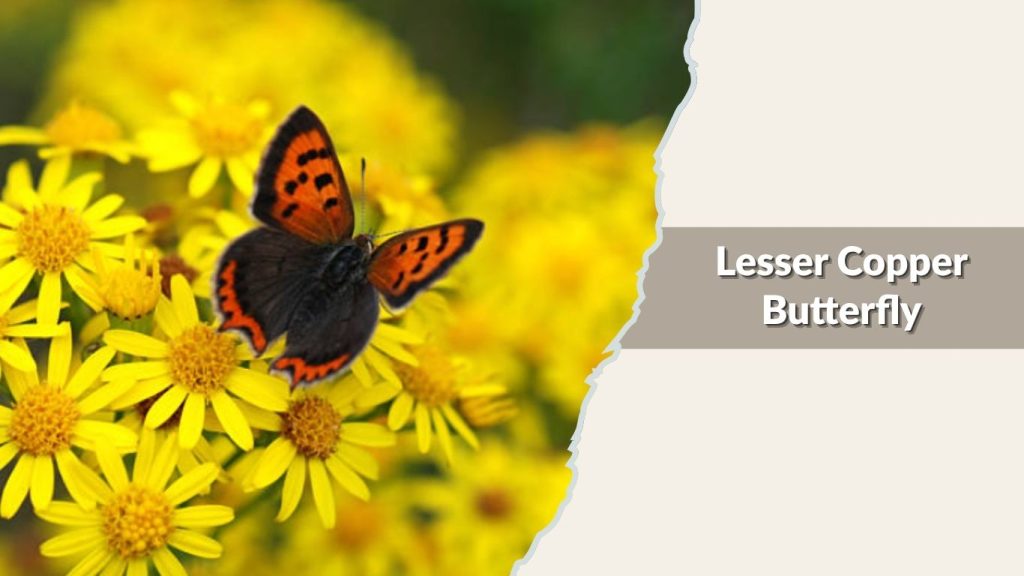
The Lesser Copper Butterfly (Lycaena phlaeas minor) is a small, vividly colored butterfly with bright copper-orange wings accented by dark spots. It is found across North America and parts of Europe, inhabiting open fields, meadows, and gardens. Active during spring and summer, this butterfly contributes to pollination and serves as an indicator of healthy, flower-rich habitats. Its rapid, low flight and frequent visits to nectar sources make it easily observable, while its small size and bright coloration make it particularly striking among copper butterflies.
Identification
- Small butterfly with a wingspan of 2.5–3.5 cm
- Copper-orange upper wings with prominent dark spots
- Dark brown margins along forewings and hindwings
- Lighter underside with subtle orange and brown patterns
- Slender body with short antennae
Habitat and Distribution
Lesser Copper Butterflies inhabit meadows, grasslands, gardens, and open fields in North America and parts of Europe. They prefer sunny locations where host plants such as sorrel and dock are abundant, ensuring larval development and successful reproduction.
Behavior and Diet
Adults feed on nectar from flowers including clover, dandelions, and milkweed. Males patrol territories to locate females, while females focus on laying eggs on host plants. The species is non-migratory but may move locally to find nectar sources.
Lifecycle
Eggs are laid individually on host plant leaves. Larvae feed on foliage, progressing through multiple instars. Pupation occurs in sheltered areas near the host plant. Adults emerge to reproduce, producing one or more generations per year depending on climate conditions.
16. Scarlet Copper Butterfly
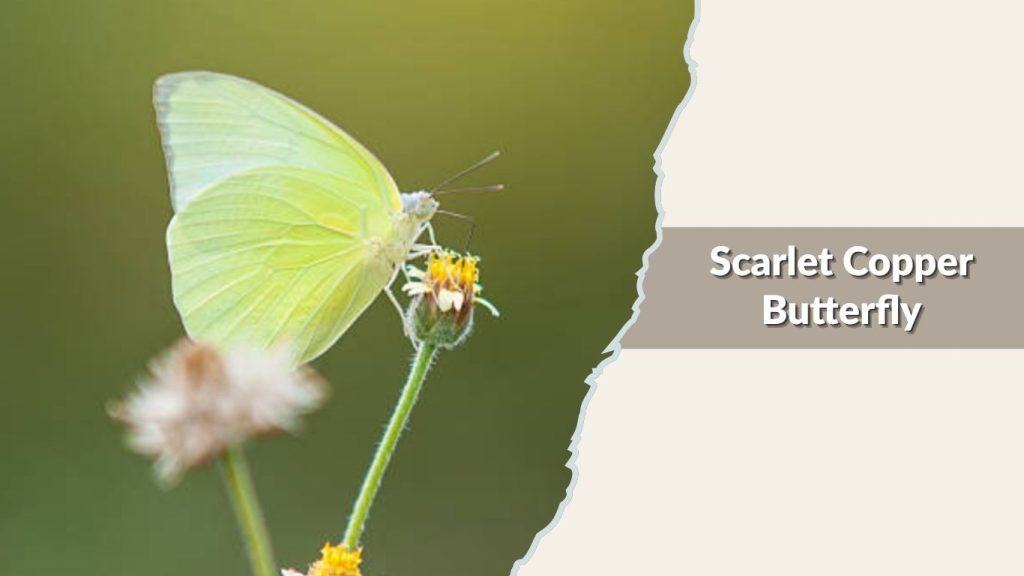
The Scarlet Copper Butterfly (Lycaena coccinea) is a small, brilliantly colored butterfly recognized for its vivid scarlet-orange wings with dark spots and subtle metallic highlights. Native to North America, it inhabits open meadows, grasslands, and gardens, often near host plants like sorrel and dock. Active during late spring and summer, this butterfly contributes to pollination while serving as an indicator of healthy flower-rich habitats. Its agile, low flight and frequent visits to flowers make it easily observable and a favorite among butterfly enthusiasts.
Identification
- Small butterfly with a wingspan of 3–4 cm
- Scarlet-orange upper wings with dark spots
- Dark brown edges along forewings and hindwings
- Lighter underside with subtle orange or brown patterns
- Slender body with short antennae
Habitat and Distribution
Scarlet Copper Butterflies inhabit meadows, grasslands, gardens, and open fields in North America. They prefer sunny areas with abundant host plants, which provide food for larvae and sites for egg-laying.
Behavior and Diet
Adults feed on nectar from flowers such as clover, milkweed, and dandelion. Males patrol territories to find females, while females lay eggs individually on host plants. The species does not migrate but moves locally to access flowering plants.
Lifecycle
Eggs are laid singly on the leaves of host plants. Larvae feed on foliage through several instars, then pupate in sheltered areas nearby. Adults emerge to continue reproduction, with one or more generations per year depending on local climate conditions.
17. Common Copper Butterfly

The Common Copper Butterfly (Lycaena phlaeas) is a small, brightly colored butterfly recognized for its vivid copper-orange wings adorned with dark spots. It is widely distributed across North America, Europe, and parts of Asia, inhabiting meadows, grasslands, gardens, and roadside vegetation. Active from spring through early fall, it contributes to pollination and serves as an indicator of healthy, open habitats. Its rapid, low flight and frequent perching on flowers make it easily observable, while its small size and brilliant coloration make it particularly striking among copper butterflies.
Identification
- Small butterfly with a wingspan of 2.5–3.5 cm
- Copper-orange upper wings with black spots
- Dark brown edges along forewings and hindwings
- Lighter underside with subtle brown spots
- Slender body with short antennae
Habitat and Distribution
Common Copper Butterflies are found in meadows, grasslands, gardens, and open fields across North America, Europe, and parts of Asia. They prefer sunny locations with abundant host plants such as sorrel and dock, which are essential for larval feeding and egg-laying.
Behavior and Diet
Adults feed on nectar from flowers including clover, dandelion, and milkweed. Males patrol territories to locate females, while females focus on laying eggs on host plants. They are non-migratory but move locally to access nectar-rich flowers.
Lifecycle
Eggs are laid individually on host plant leaves. Larvae feed on foliage, progressing through multiple instars before pupating in nearby sheltered areas. Adults emerge to continue reproduction, producing one or more generations per year depending on climate conditions.
FAQs
What do Copper Butterflies feed on?
Adult Copper Butterflies primarily feed on nectar from flowers such as clover, milkweed, goldenrod, and dandelions. Their larvae feed on the leaves of host plants like sorrel and dock, which are essential for development and survival.
Are Copper Butterflies dangerous to humans?
No, Copper Butterflies are completely harmless to humans. They do not sting or bite and are entirely focused on feeding, mating, and laying eggs on host plants.
Where can Copper Butterflies be found?
Copper Butterflies are widespread across North America, Europe, and parts of Asia. They prefer sunny meadows, grasslands, open woodlands, gardens, and other habitats where host plants and flowering plants are abundant.
How do Copper Butterflies contribute to the ecosystem?
Copper Butterflies are important pollinators, helping flowers reproduce. Their presence also indicates healthy, undisturbed habitats. Additionally, their larvae provide food for other insects and small predators, contributing to local biodiversity.
What is the lifecycle of a Copper Butterfly?
Copper Butterflies undergo a complete metamorphosis with four stages: egg, larva (caterpillar), pupa (chrysalis), and adult. Eggs are laid on host plant leaves, larvae feed and grow through multiple instars, pupate in sheltered areas, and adults emerge to continue the reproductive cycle. Depending on climate, they may produce one or more generations per year.