
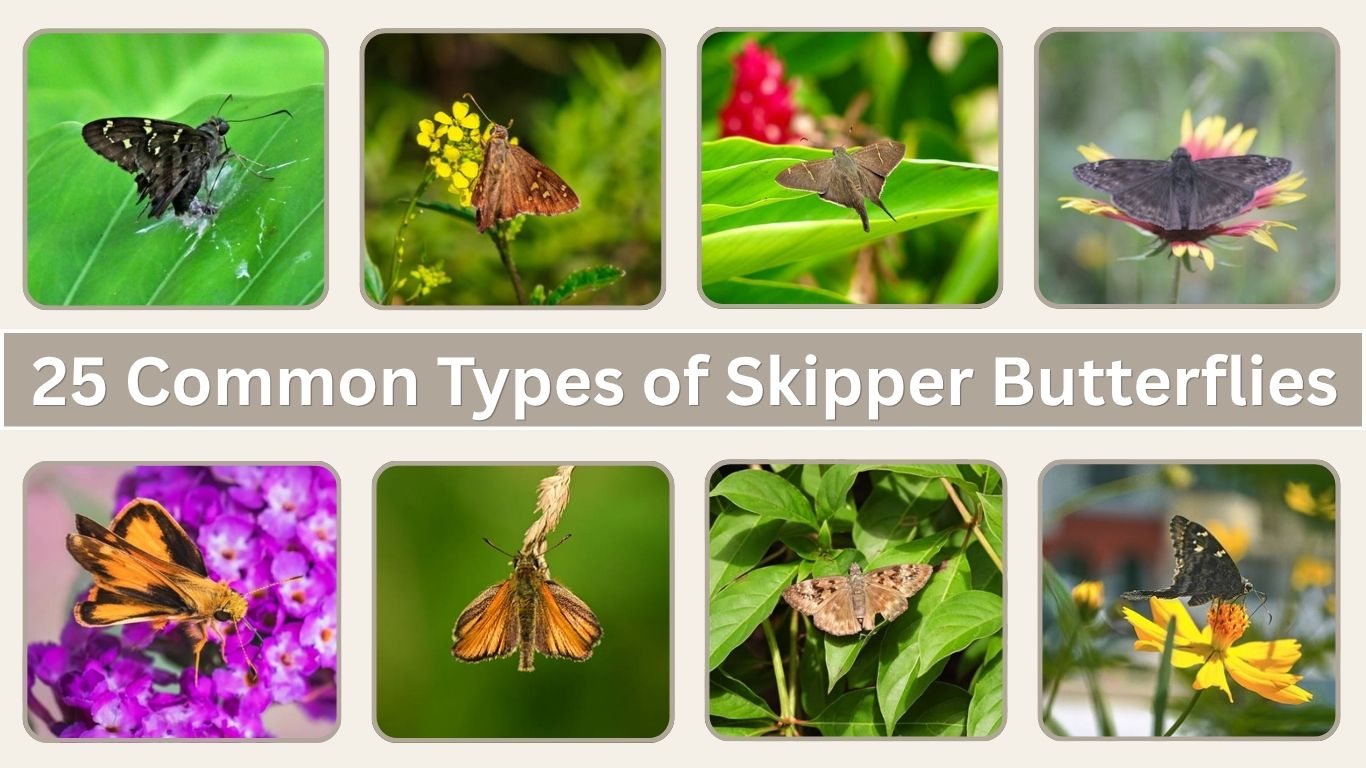
Skipper butterflies are small, fast-flying butterflies known for their sturdy bodies, hooked antennae, and quick darting movement. Many species look similar at first, but their wing color, markings, size, habitat, and behavior can help with identification. Some skippers are bright orange, while others are brown, dark, or checkered. In this guide, you will learn about 25 common types of skipper butterflies, including how to identify them, where they live, what they eat, and how their life cycle works.
1. Silver-spotted Skipper
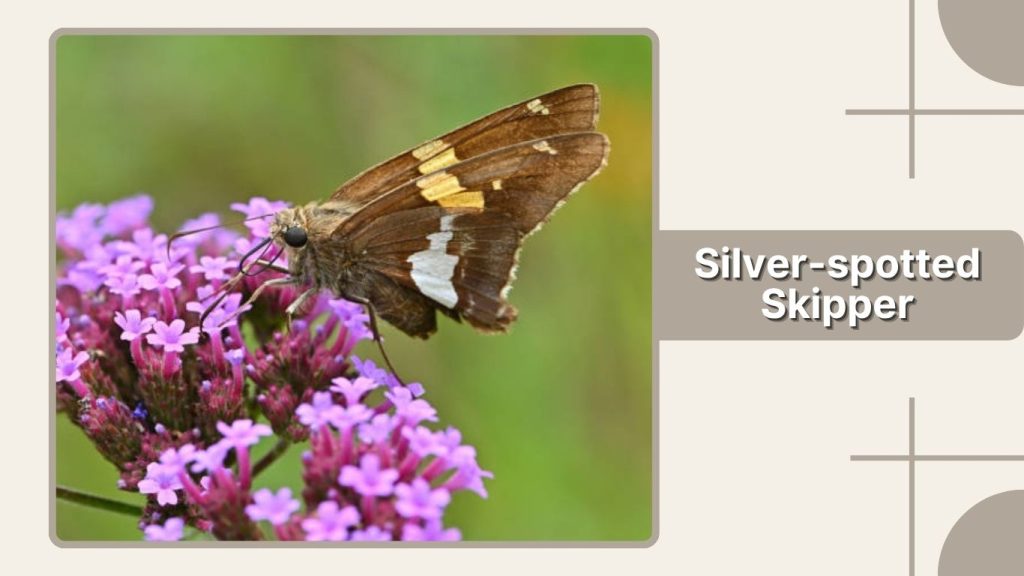
The Silver-spotted Skipper is one of the most recognizable skipper butterflies in North America. It has a sturdy body, fast flight, and a bold white-silver patch on the underside of the hindwing. This butterfly is often seen visiting flowers in sunny gardens, fields, woodland edges, and roadsides during warm months.
Identification
- Medium-to-large skipper butterfly
- Dark brown wings
- Large silver-white patch on the underside of the hindwing
- Golden-orange patch near the base of the forewing
- Thick body compared with many butterflies
- Hooked tips on the antennae
- Fast, darting flight
- Often rests with wings partly open
Habitat and Distribution
Silver-spotted Skippers are commonly found in open and semi-open habitats. They live in meadows, gardens, roadsides, forest edges, fields, parks, and areas with plenty of nectar flowers. They are widespread across much of North America and are especially common in warm, sunny places where host plants and flowering plants grow nearby.
Behavior and Diet
Silver-spotted Skippers are active during the day and often fly quickly from flower to flower. Adults feed on nectar from many kinds of flowers, including milkweed, thistle, clover, and garden blooms. Their flight is strong and quick, which can make them harder to follow than slower butterflies. Caterpillars feed on plants in the pea family, including black locust and related host plants.
Life Cycle
The life cycle of the Silver-spotted Skipper begins when the female lays eggs on suitable host plants. After hatching, the caterpillar feeds on leaves and often folds or ties leaves together to create a shelter. Inside this protected space, it grows through several stages before pupating. The adult butterfly later emerges and begins feeding, mating, and continuing the cycle.
2. Fiery Skipper
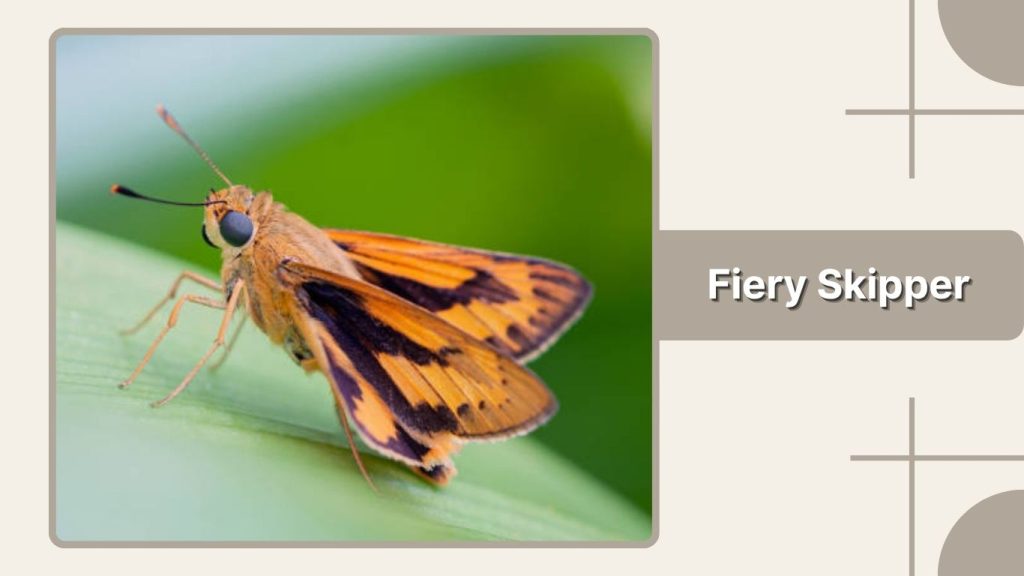
The Fiery Skipper is a small, bright skipper butterfly known for its warm orange color and quick, low flight. It is often seen in lawns, gardens, parks, roadsides, and open grassy areas. This butterfly is especially common in warm regions and is easy to notice when males flash their golden-orange wings in sunlight.
Identification
- Small skipper butterfly
- Bright orange wings in males
- Brownish-orange wings in females
- Dark spots or markings on the wings
- Compact, fuzzy body
- Hooked antenna tips
- Fast, darting flight
- Often seen low over grass and flowers
Habitat and Distribution
Fiery Skippers are commonly found in sunny open places with grass and nectar flowers. They live in lawns, gardens, parks, fields, roadsides, and disturbed grassy areas. They are especially widespread in warmer parts of North America, but they may move into more northern areas during warm seasons. Their close connection to grasses makes suburban and urban habitats useful for them.
Behavior and Diet
Adult Fiery Skippers are active during the day and often visit small flowers for nectar. They may feed on clover, asters, lantana, zinnias, and other garden or roadside blooms. Males often perch in sunny spots and watch for females or rival males. Their flight is quick and skipping, which is typical of many skipper butterflies.
Life Cycle
The female Fiery Skipper lays eggs on grass host plants. After hatching, the caterpillars feed on grass blades and use folded grass leaves as shelters. They continue growing through several stages before forming a pupa. In warm climates, Fiery Skippers may have several generations in one year, allowing them to remain common through much of the warm season.
3. Sachem
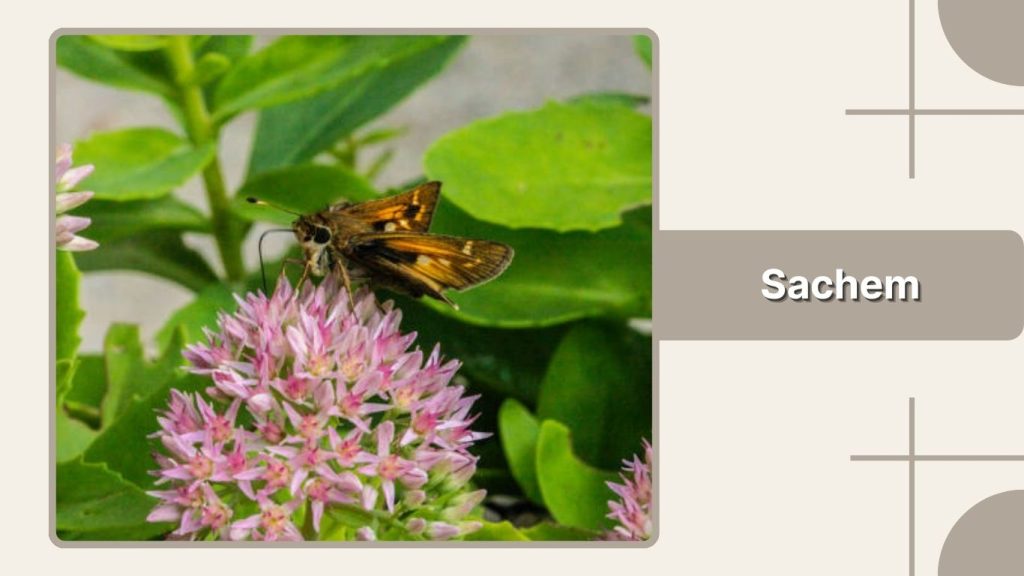
The Sachem is a small skipper butterfly with a strong, fast flight and warm orange-brown coloring. It is commonly seen in open sunny places such as lawns, gardens, roadsides, fields, and parks. This skipper is especially noticeable when it darts quickly over grass or pauses on low flowers to feed.
Identification
- Small skipper butterfly
- Orange-brown wings in males
- Darker brown wings in females
- Pale square or glassy spots on the forewings
- Stout, fuzzy body
- Hooked antenna tips
- Fast, skipping flight
- Often rests with wings partly open
Habitat and Distribution
Sachems are often found in open grassy habitats. They live in lawns, fields, gardens, parks, roadsides, pastures, and disturbed areas where grasses and nectar flowers are available. They are common in many parts of North America, especially in warmer regions. During favorable seasons, they may spread into more northern areas.
Behavior and Diet
Adult Sachems are active during warm, sunny weather and often visit flowers close to the ground. They feed on nectar from clover, asters, lantana, thistles, and many other small blooms. Males may perch in open areas and watch for passing females. Their quick, darting movement is typical of skipper butterflies.
Life Cycle
The Sachem life cycle begins when females lay eggs on grass host plants. The caterpillars feed on grasses and may use folded grass blades as shelter while they grow. After passing through several growth stages, the caterpillar forms a pupa. In warm areas, Sachems can produce multiple generations in one year.
4. Peck’s Skipper
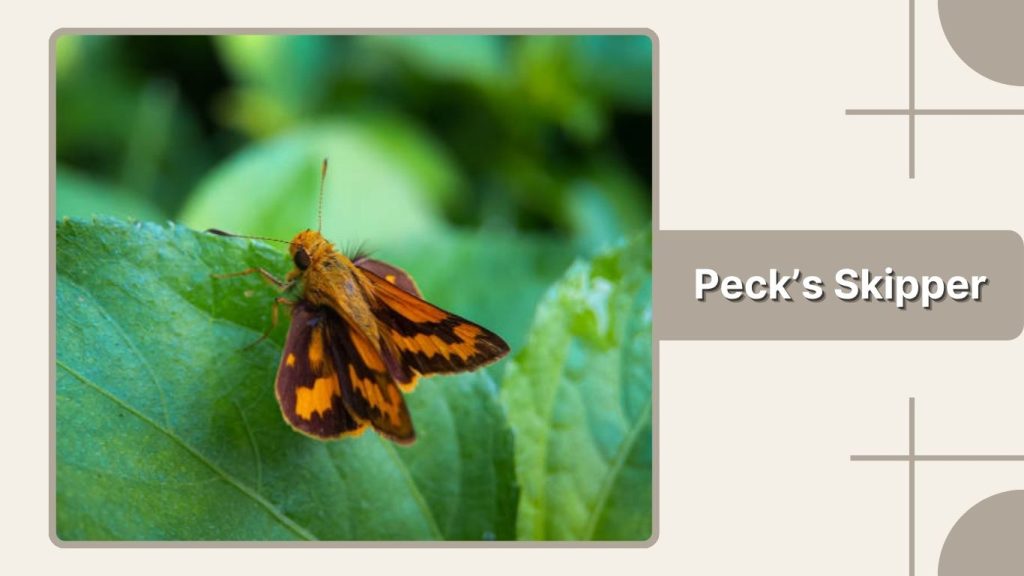
Peck’s Skipper is a small, attractive skipper butterfly with warm orange and brown markings. It is often seen flying low over grassy areas, meadows, roadsides, gardens, and open fields. Like many skippers, it has a quick darting flight and a compact body, making it look different from many larger, slower butterflies.
Identification
- Small skipper butterfly
- Orange and dark brown wing pattern
- Yellow-orange patches on the upper wings
- Brown underside with pale markings
- Compact, fuzzy body
- Hooked tips on the antennae
- Fast, low, darting flight
- Often rests on grasses or low flowers
Habitat and Distribution
Peck’s Skipper is usually found in open grassy habitats where both nectar flowers and grass host plants are available. It commonly lives in meadows, fields, roadsides, woodland edges, parks, gardens, and damp grassy places. It is found across much of eastern and central North America, especially in areas with sunny vegetation and plenty of low-growing plants.
Behavior and Diet
Adult Peck’s Skippers are active during warm sunny days and often visit flowers for nectar. They feed on blooms such as clover, milkweed, asters, and other small wildflowers. Their flight is quick and close to the ground, and they often pause briefly before darting away again. Males may perch in sunny spots while looking for females.
Life Cycle
The life cycle of Peck’s Skipper begins when females lay eggs on grass host plants. After hatching, the caterpillars feed on grass blades and use folded leaves as shelter. They grow through several stages before forming a pupa. When development is complete, the adult skipper emerges and begins feeding, mating, and continuing the next generation.
5. Least Skipper
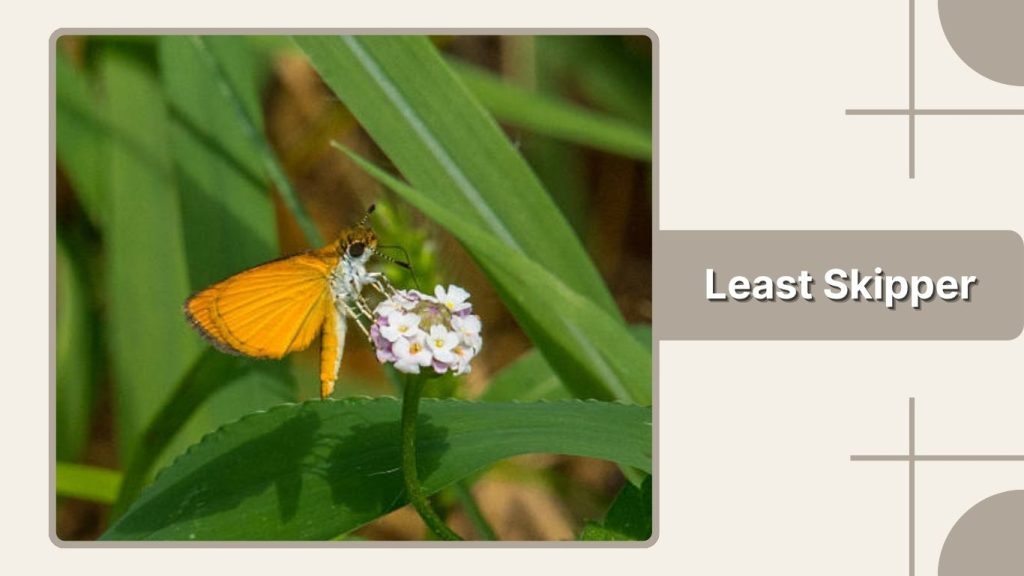
The Least Skipper is a tiny skipper butterfly known for its delicate size, warm orange coloring, and weak, fluttering flight. Unlike many fast skippers, it often flies slowly and low through wet grassy areas. This butterfly is commonly found near marshes, meadows, stream edges, and other damp places with tall grasses.
Identification
- Very small skipper butterfly
- Orange wings with darker borders
- Pale orange or yellowish underside
- Short, compact body
- Rounded wing shape
- Hooked antenna tips
- Weak, fluttering flight
- Often flies low among grasses and wetland plants
Habitat and Distribution
Least Skippers prefer moist, grassy habitats where their host plants grow. They are often found in wet meadows, marsh edges, stream banks, ditches, pond margins, and damp fields. They are common across much of eastern and central North America. Because of their small size and low flight, they are often noticed only when moving through grasses close to the ground.
Behavior and Diet
Adult Least Skippers feed on nectar from small flowers growing near wet or grassy areas. They may visit clover, pickerelweed, marsh flowers, and other low blooms. Their flight is slower and more delicate than many other skippers, making them easier to watch when they move through vegetation. They usually stay close to grasses and rarely fly high.
Life Cycle
Female Least Skippers lay eggs on grass and sedge host plants. After hatching, the caterpillars feed on the leaves and use plant material for shelter. They grow through several stages before forming a pupa. In warm areas, more than one generation may appear in a year, especially where wet grassy habitat remains healthy through the season.
6. Tawny-edged Skipper
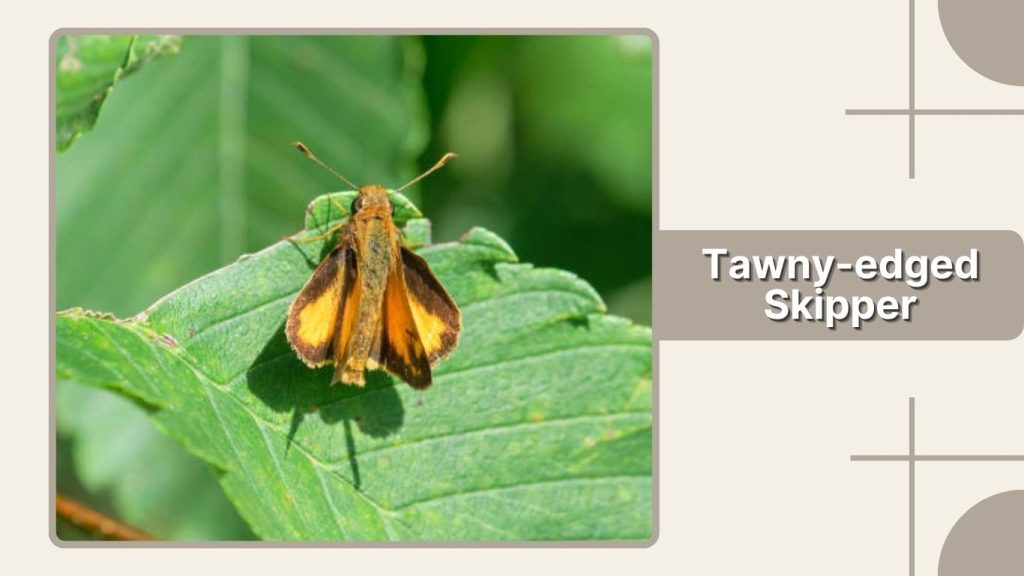
The Tawny-edged Skipper is a small grass skipper with warm orange-brown coloring and a neat, narrow-winged shape. It is often found in meadows, roadsides, lawns, fields, and other open grassy places. This butterfly can be easy to overlook because it flies low and quickly among grasses and small flowers.
Identification
- Small skipper butterfly
- Orange-brown wings
- Tawny or golden-orange edge on the forewing
- Darker brown markings on the wings
- Slim, compact body
- Hooked antenna tips
- Fast, low flight over grasses
- Often rests on grass stems or small flowers
Habitat and Distribution
Tawny-edged Skippers are usually found in open grassy habitats. They live in meadows, fields, roadsides, prairies, lawns, parks, and woodland edges where grasses and nectar flowers grow together. They are found across much of North America, especially in areas with sunny grassland patches and low vegetation.
Behavior and Diet
Adult Tawny-edged Skippers are active during warm sunny days. They often visit small flowers for nectar, including clover, asters, milkweed, and other meadow blooms. Their flight is quick and close to the ground, so they may appear suddenly and disappear into grass quickly. Males may perch in sunny places while watching for females.
Life Cycle
The Tawny-edged Skipper begins life as an egg laid on or near grass host plants. After hatching, the caterpillar feeds on grass leaves and uses folded or tied leaves as a shelter. It grows through several stages before pupating. When the adult emerges, it searches for nectar, mates, and continues the next generation.
7. European Skipper
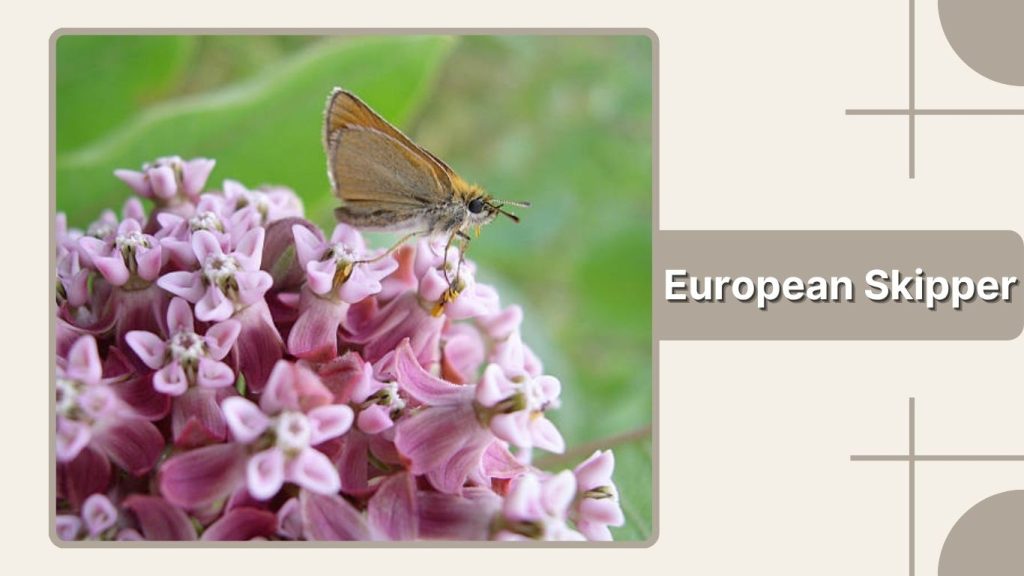
The European Skipper is a small orange skipper butterfly often seen flying low over grasses and wildflowers. It was introduced to North America and is now common in many grassy habitats. This skipper is active during warm sunny days and is usually found in meadows, roadsides, fields, and open areas with plenty of grasses.
Identification
- Small skipper butterfly
- Bright orange wings
- Thin dark border on the wings
- Compact, fuzzy body
- Hooked antenna tips
- Short, fast, darting flight
- Often flies low over grasses
- Usually rests with wings partly open
Habitat and Distribution
European Skippers are commonly found in open grassy places. They live in meadows, hayfields, roadsides, pastures, gardens, parks, and woodland edges where grasses and nectar flowers grow. Although originally from Europe, this species has become established in parts of North America, especially in northern and eastern regions with suitable grassy habitats.
Behavior and Diet
Adult European Skippers are active in sunny weather and often visit flowers for nectar. They feed on clover, daisies, thistles, milkweed, and many other small blooms. Their flight is quick and close to the ground, making them look like tiny orange flashes among grasses. They are often seen in groups when flowers are abundant.
Life Cycle
The European Skipper life cycle begins when females lay eggs on grass host plants. The caterpillars feed on grass blades and use folded leaves for shelter as they grow. After completing several growth stages, they form a pupa. Adults usually appear during the warm season, when grasses are healthy and nectar flowers are available.
8. Large Skipper
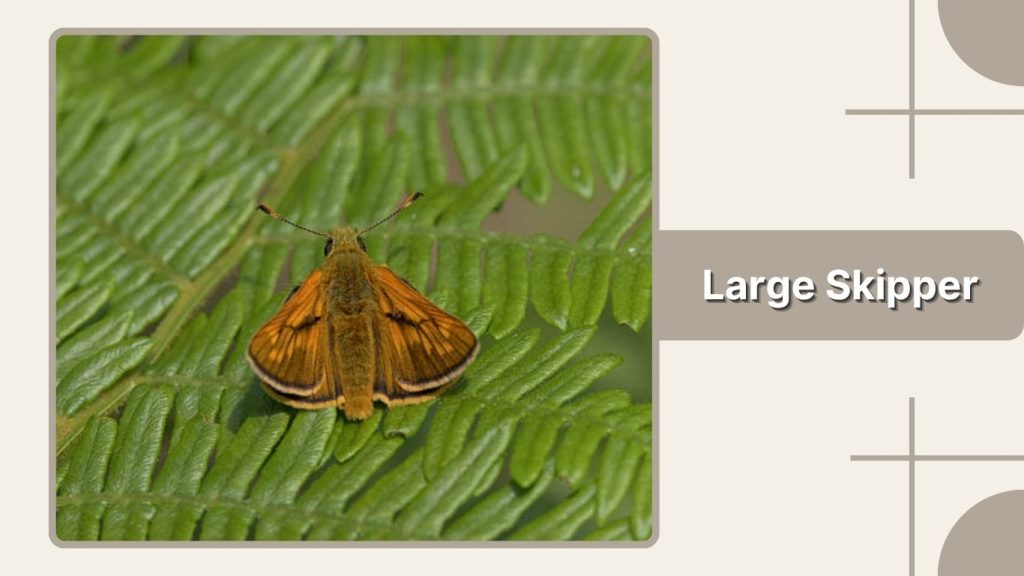
The Large Skipper is a bright orange-brown skipper butterfly with a sturdy body and quick, darting flight. It is often seen in grassy places with wildflowers, especially during warm sunny days. Despite its name, it is still a small butterfly, but it is larger and more strongly marked than many other grass skippers.
Identification
- Small-to-medium skipper butterfly
- Orange-brown wings with darker markings
- Thick, fuzzy body
- Hooked antenna tips
- Dark scent mark on male forewings
- Pale spots on the underside of the hindwing
- Fast, skipping flight
- Often rests with wings partly open
Habitat and Distribution
Large Skippers are commonly found in grassy habitats with plenty of flowers. They live in meadows, woodland edges, hedgerows, roadside verges, grasslands, and sunny clearings. This species is widespread in parts of Europe and nearby regions where suitable grasses grow. It prefers places with tall grasses for breeding and nectar-rich flowers for adults.
Behavior and Diet
Adult Large Skippers are active in warm sunshine and often feed on nectar from flowers such as bramble, thistle, clover, and other meadow blooms. Males may perch on grasses or flowers and watch for females. Their flight is fast and direct, with short bursts that make them appear to skip from plant to plant.
Life Cycle
The Large Skipper lays eggs on grass host plants. After hatching, the caterpillar feeds on grass and creates a shelter by rolling or joining grass blades. It grows through several stages before pupating. The adult butterfly emerges during the flight season, feeds on nectar, mates, and begins the next generation.
9. Small Skipper
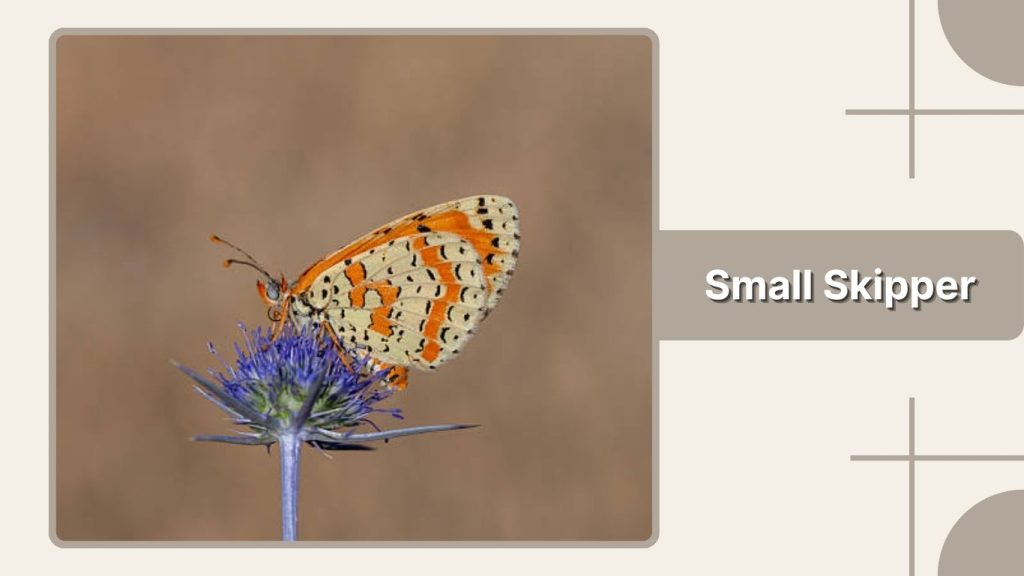
The Small Skipper is a bright orange skipper butterfly with a compact body and quick, darting flight. It is often found in grassy places during warm sunny weather. This butterfly is common in meadows, roadside verges, woodland edges, and other open habitats where grasses and nectar flowers grow close together.
Identification
- Small skipper butterfly
- Bright orange-brown wings
- Thin dark border around the wings
- Compact, fuzzy body
- Hooked antenna tips
- Short, fast, darting flight
- Often rests with wings partly open
- Similar to Essex Skipper but usually has paler antenna tips
Habitat and Distribution
Small Skippers are usually found in grassy habitats with plenty of flowers. They live in meadows, grasslands, roadside verges, woodland rides, hedgerows, and sunny field edges. This species is widespread in parts of Europe and nearby regions. It prefers areas where tall grasses are available for caterpillars and nectar-rich flowers are available for adults.
Behavior and Diet
Adult Small Skippers are active during sunny days and often feed on nectar from flowers such as thistles, knapweed, clover, bramble, and other meadow blooms. They fly quickly but usually stay low among grasses and flowers. Males often perch on grass stems or flower heads while watching for females.
Life Cycle
The Small Skipper lays eggs on grass host plants, especially tall grasses in warm open habitats. After hatching, the caterpillar feeds on grass leaves and uses folded grass blades for shelter. It grows through several stages before forming a pupa. The adult butterfly later emerges during the flight season to feed, mate, and continue the cycle.
10. Essex Skipper
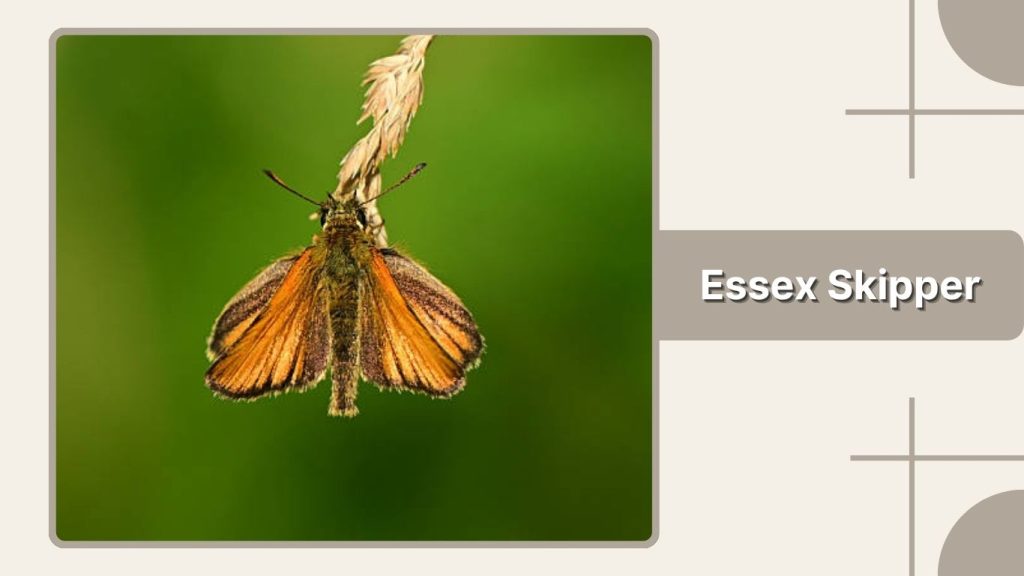
The Essex Skipper is a small orange skipper butterfly that looks very similar to the Small Skipper. It is usually seen in sunny grasslands, meadows, field edges, and roadside verges. This butterfly is best identified by close details, especially the dark underside of its antenna tips and its neat orange-brown wing color.
Identification
- Small skipper butterfly
- Orange-brown wings
- Narrow dark wing borders
- Compact, fuzzy body
- Hooked antenna tips
- Dark or black underside on antenna tips
- Quick, low, darting flight
- Very similar to the Small Skipper
Habitat and Distribution
Essex Skippers are commonly found in warm, grassy habitats with plenty of flowers. They live in meadows, grasslands, field edges, roadside verges, hedgerows, and open countryside. This species is found across parts of Europe and has expanded in some areas where suitable grassland habitat is available. It prefers sunny places with tall grasses for breeding.
Behavior and Diet
Adult Essex Skippers are active during warm sunny weather and often visit flowers for nectar. They feed on blooms such as thistles, knapweed, clover, bramble, and other grassland flowers. Their flight is quick and low, and they often move between grass stems and flower heads. Because they resemble Small Skippers, careful observation is often needed.
Life Cycle
The Essex Skipper lays eggs on grass host plants, where the caterpillars later hatch and begin feeding. The young caterpillars use grass blades for shelter and protection as they grow. After passing through several stages, they form a pupa. The adult butterfly emerges during the warm season, feeds on nectar, mates, and continues the next generation.
11. Dun Skipper
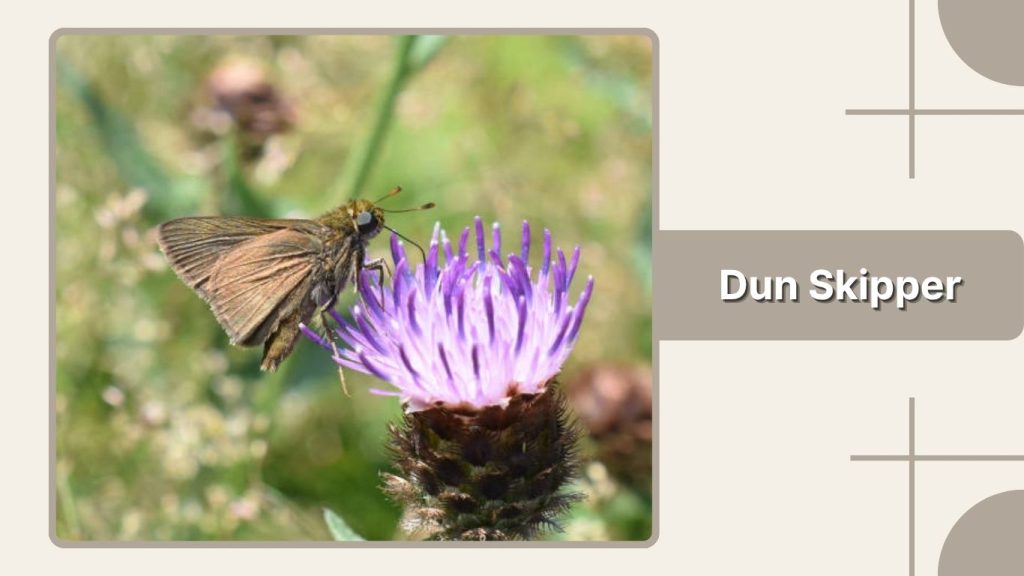
The Dun Skipper is a small, dark skipper butterfly with a sturdy body and quick, low flight. It is less brightly colored than many orange grass skippers, but its plain brown appearance makes it distinctive. This butterfly is often found in moist meadows, marsh edges, woodland openings, and grassy areas with nearby flowers.
Identification
- Small skipper butterfly
- Dark brown wings
- Plain or lightly marked appearance
- Compact, fuzzy body
- Hooked antenna tips
- Slightly lighter underside
- Fast, low, darting flight
- Often found near damp grassy areas
Habitat and Distribution
Dun Skippers prefer moist, grassy habitats where sedges, grasses, and nectar flowers grow together. They are often seen in wet meadows, marsh edges, stream banks, woodland openings, fields, and damp roadside areas. This species is found across parts of North America, especially where suitable wetland edges and grassy vegetation provide food and shelter.
Behavior and Diet
Adult Dun Skippers are active during warm sunny days and often visit flowers for nectar. They may feed on milkweed, thistles, clover, buttonbush, and other wetland or meadow flowers. Their dark coloring can make them harder to notice when resting on soil, leaves, or shaded plants. They usually fly close to the ground and move quickly between flowers.
Life Cycle
The Dun Skipper life cycle begins when females lay eggs on suitable grass or sedge host plants. After hatching, the caterpillars feed on the leaves and use plant material as shelter while they grow. They pass through several stages before forming a pupa. The adult skipper later emerges, feeds on nectar, mates, and starts the next generation.
12. Hobomok Skipper
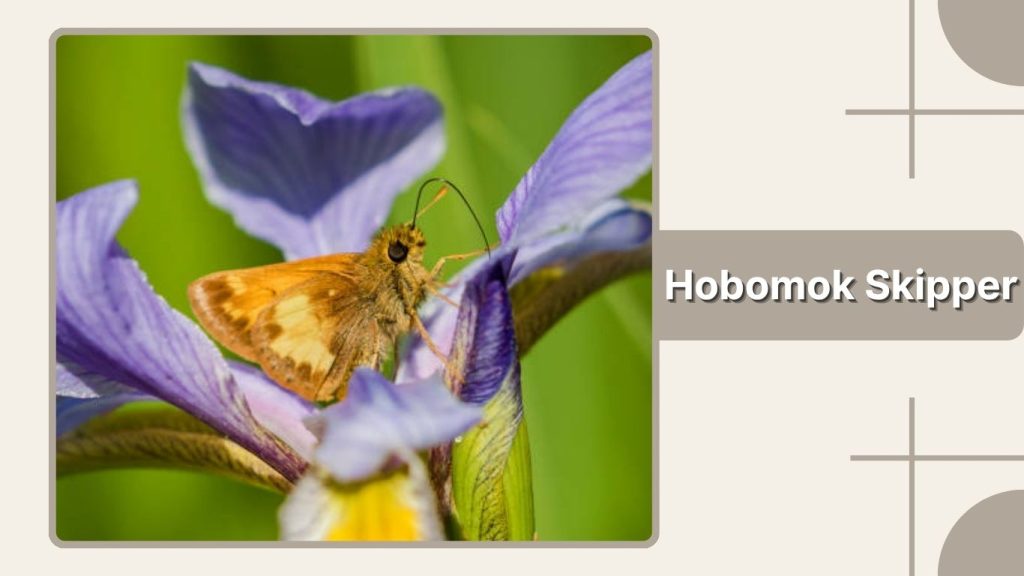
The Hobomok Skipper is a small, bright skipper butterfly often seen in sunny woodland openings, trails, fields, and garden edges. Males are usually orange with dark borders, while females can appear darker and more variable. This butterfly is most active during warm spring and early summer days when nectar flowers are available.
Identification
- Small skipper butterfly
- Orange wings with dark brown borders in males
- Females may be darker or more patterned
- Compact, fuzzy body
- Hooked antenna tips
- Fast, darting flight
- Often rests with wings partly open
- Commonly seen along woodland edges and trails
Habitat and Distribution
Hobomok Skippers are usually found in open woodlands, forest edges, meadows, trails, fields, roadsides, and sunny clearings. They are common in parts of eastern North America, especially where grasses, wildflowers, and wooded cover occur together. Their preference for edge habitats makes them easier to find along paths and woodland openings.
Behavior and Diet
Adult Hobomok Skippers feed on nectar from flowers such as blackberry, clover, milkweed, wild geranium, and other spring or early summer blooms. Males often perch in sunny areas and quickly fly out to inspect passing butterflies. Their flight is fast and direct, but they often return to the same sunny resting spots.
Life Cycle
Females lay eggs on grass host plants. After hatching, the caterpillars feed on grasses and use folded leaves as shelters while they grow. They pass through several stages before pupating. The adult butterfly usually appears in spring or early summer, feeds on nectar, mates, and begins the next generation.
13. Zabulon Skipper
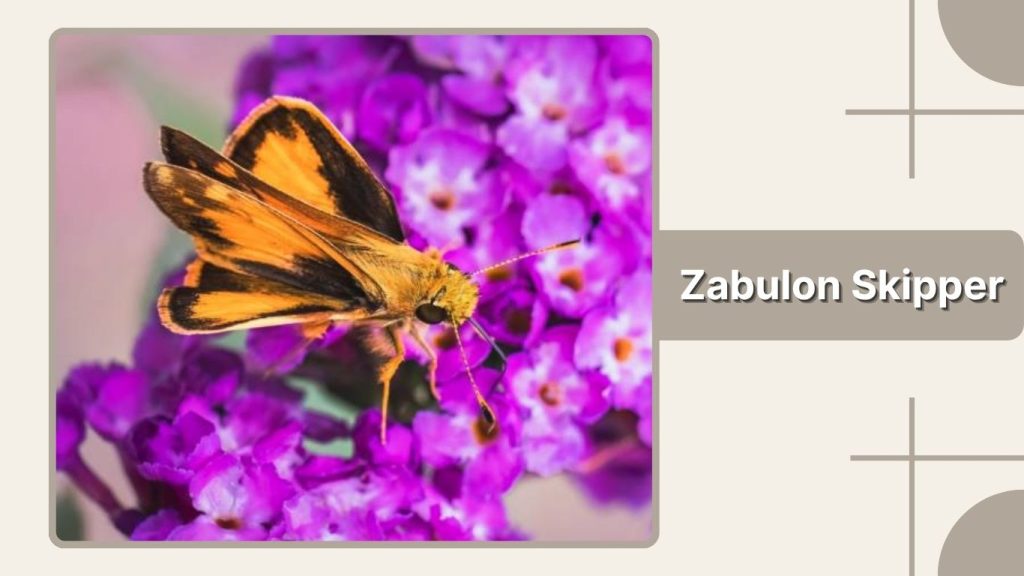
The Zabulon Skipper is a small, attractive skipper butterfly with bright orange males and darker, more patterned females. It is often found along woodland edges, trails, gardens, roadsides, and sunny openings. This butterfly is active during warm weather and is known for its quick flight and frequent visits to flowers.
Identification
- Small skipper butterfly
- Bright orange wings in males
- Dark brown wing borders
- Females are darker with pale markings
- Compact, fuzzy body
- Hooked antenna tips
- Fast, darting flight
- Often seen near woodland edges and flowers
Habitat and Distribution
Zabulon Skippers usually live in open woods, forest edges, trails, roadsides, fields, gardens, and sunny clearings. They are common in parts of eastern North America where grasses and nectar flowers grow near wooded areas. Their use of both open and edge habitats makes them fairly easy to find during the warm season.
Behavior and Diet
Adult Zabulon Skippers are active on sunny days and often visit flowers for nectar. They may feed on blackberry, milkweed, clover, thistle, and many garden flowers. Males often perch in sunny spots and fly out quickly to inspect other insects or potential mates. Their fast, skipping flight is typical of grass skippers.
Life Cycle
Female Zabulon Skippers lay eggs on grass host plants. After hatching, the caterpillars feed on grass leaves and use folded or tied leaves as shelters. They grow through several stages before pupating. The adult butterfly later emerges, feeds on nectar, mates, and begins the next generation.
14. Clouded Skipper
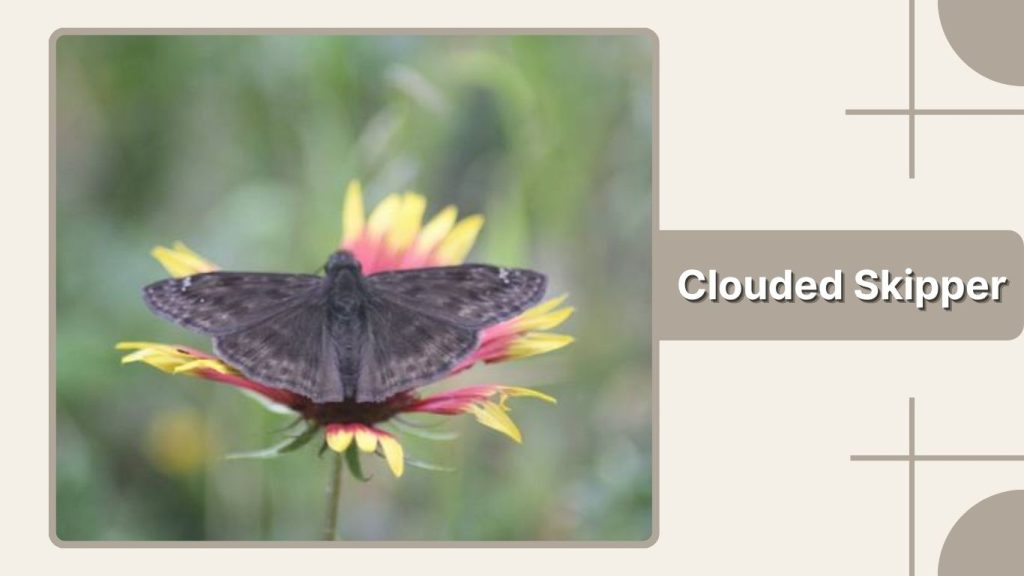
The Clouded Skipper is a small brown skipper butterfly with a soft, dusky appearance and quick low flight. It is often seen in gardens, roadsides, fields, woodland edges, and grassy areas. This skipper may look plain at first, but its subtle wing markings and active flower visits make it easier to recognize with careful observation.
Identification
- Small skipper butterfly
- Brown to dark brown wings
- Pale cloudy spots on the forewings
- Soft, muted wing pattern
- Compact, fuzzy body
- Hooked antenna tips
- Fast, low, darting flight
- Often visits flowers in sunny areas
Habitat and Distribution
Clouded Skippers are usually found in warm, open habitats with grasses and nectar flowers. They live in fields, roadsides, gardens, parks, woodland edges, grassy openings, and disturbed areas. They are common in the southern United States and may move northward during warm seasons. Their ability to use lawns and gardens makes them a familiar skipper in many places.
Behavior and Diet
Adult Clouded Skippers are active during sunny weather and often feed on nectar from small flowers. They may visit lantana, clover, asters, thistles, and many garden blooms. Their flight is quick and close to the ground, but they often pause on flowers long enough to be observed. Males may perch in open spots while watching for females.
Life Cycle
Female Clouded Skippers lay eggs on grass host plants. After hatching, the caterpillars feed on grass blades and use folded leaves as shelters while they grow. They pass through several growth stages before pupating. In warm regions, this skipper may produce several generations in a year, allowing adults to appear through much of the warm season.
15. Ocola Skipper
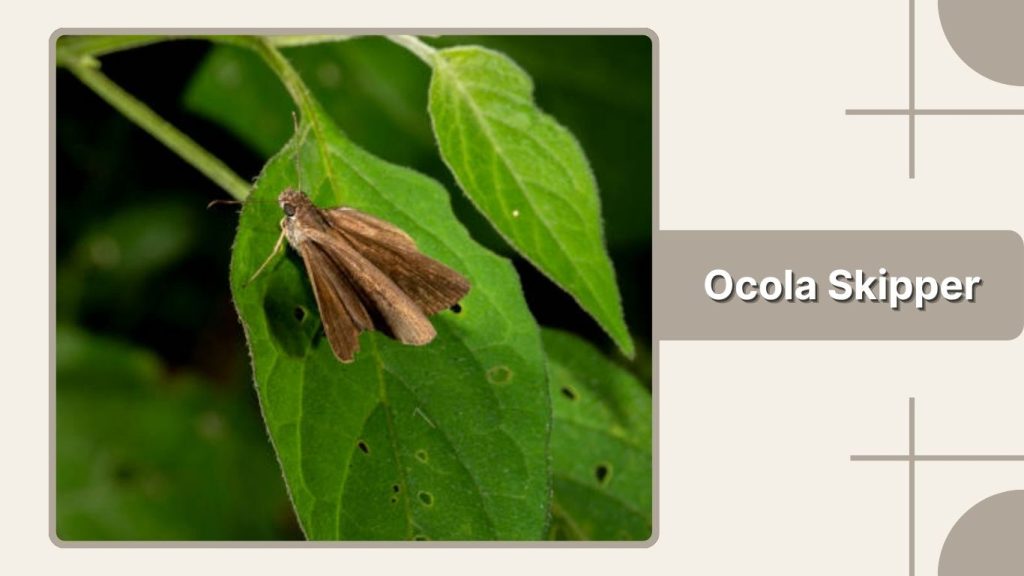
The Ocola Skipper is a small, dark skipper butterfly with long narrow wings and a fast, darting flight. It often looks more stretched and slender than many other grass skippers. This butterfly is commonly seen in gardens, fields, roadsides, wetlands, and open areas where nectar flowers and grasses are available.
Identification
- Small-to-medium skipper butterfly
- Dark brown wings
- Long, narrow forewings
- Slim body compared with many skippers
- Pale or slightly lighter markings on the wings
- Hooked antenna tips
- Fast, direct, darting flight
- Often visits flowers low to the ground
Habitat and Distribution
Ocola Skippers are usually found in warm open habitats with grasses and flowers. They live in fields, gardens, roadsides, marsh edges, parks, wet meadows, and disturbed grassy areas. They are common in the southern United States and may move northward during warmer months. Their use of gardens and open fields makes them easier to notice when flowers are blooming.
Behavior and Diet
Adult Ocola Skippers feed on nectar from many flowers, including lantana, asters, clover, thistles, and other garden or wild blooms. They are active during warm sunny weather and often move quickly from flower to flower. Their long-winged shape and fast flight can help separate them from smaller, rounder grass skippers.
Life Cycle
Female Ocola Skippers lay eggs on grass host plants. After hatching, the caterpillars feed on grass leaves and often use folded grass blades as shelter. They grow through several stages before forming a pupa. In warm climates, this species can produce multiple generations in one year, allowing adults to be seen through much of the warm season.
16. Long-tailed Skipper
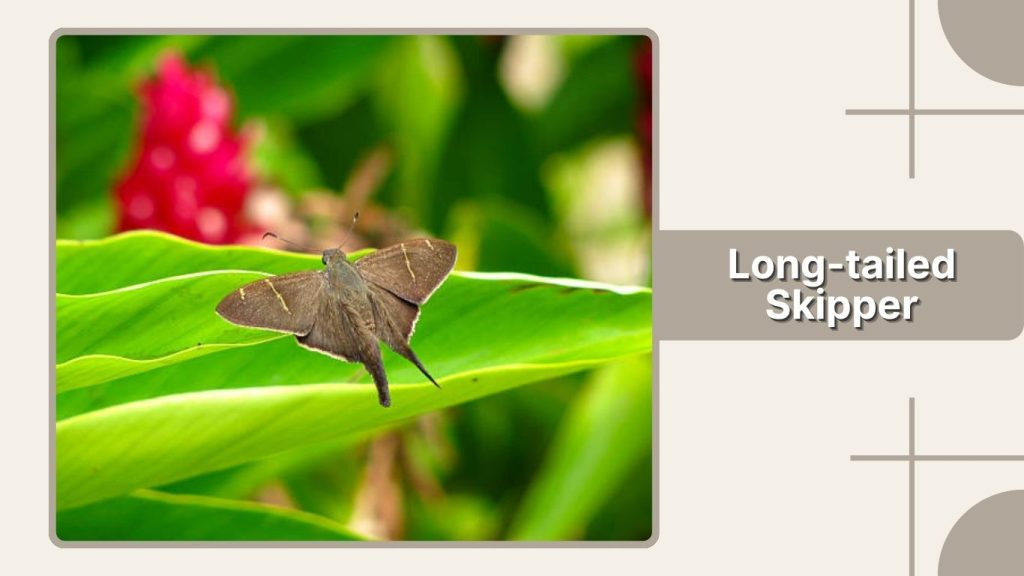
The Long-tailed Skipper is a striking skipper butterfly known for its long hindwing tails and strong, fast flight. It looks different from many small grass skippers because of its larger size, bluish-green body tones, and tail-like extensions. This butterfly is often seen in gardens, fields, roadsides, and sunny areas with flowers.
Identification
- Medium-to-large skipper butterfly
- Long tails on the hindwings
- Brown wings with lighter markings
- Bluish-green or greenish body and wing base
- Pale spots on the forewings
- Hooked antenna tips
- Fast, strong, darting flight
- Often visits garden flowers and legumes
Habitat and Distribution
Long-tailed Skippers are usually found in warm, sunny habitats with plenty of flowers and host plants. They live in gardens, fields, roadsides, woodland edges, open areas, and disturbed places. They are common in warmer southern regions and may move northward during warm seasons. Their attraction to garden flowers makes them a familiar butterfly in many yards.
Behavior and Diet
Adult Long-tailed Skippers feed on nectar from many flowers, including lantana, verbena, zinnia, bougainvillea, and other bright blooms. They fly quickly and often move from flower to flower with short, sudden movements. Caterpillars feed on plants in the bean family, which is why this species may sometimes appear around cultivated beans and related plants.
Life Cycle
The female Long-tailed Skipper lays eggs on host plants, especially legumes such as beans, peas, and related wild plants. After hatching, the caterpillar feeds on leaves and often folds or ties leaves together to make a shelter. It grows through several stages before pupating. The adult later emerges, feeds on nectar, mates, and continues the next generation.
17. Dorantes Longtail
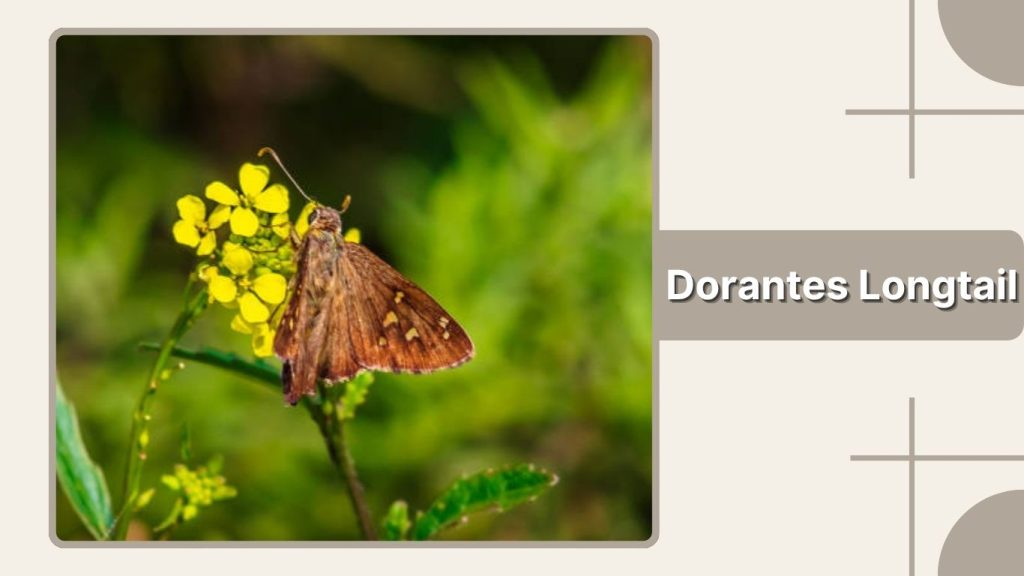
The Dorantes Longtail is a slender skipper butterfly known for its long hindwing tails, brown wings, and quick darting flight. It looks similar to the Long-tailed Skipper but is usually more subtly marked. This butterfly is often seen in warm open places, gardens, roadsides, woodland edges, and areas with nectar flowers.
Identification
- Medium-sized skipper butterfly
- Long tails on the hindwings
- Brown wings with pale markings
- Slender body shape
- Pale spots on the forewings
- Hooked antenna tips
- Fast, low, darting flight
- Often seen visiting flowers in sunny areas
Habitat and Distribution
Longtails are usually found in warm regions with open or semi-open habitats. They live in gardens, roadsides, fields, forest edges, brushy areas, and disturbed places where flowers and host plants are available. They are more common in southern areas but may appear farther north during warm seasons. Sunny locations with nectar sources are especially attractive to adults.
Behavior and Diet
Adult Dorantes Longtails feed on nectar from many flowers. They often visit lantana, verbena, shepherd’s needle, and other small blooms. Their flight is quick and restless, and they may move rapidly between flowers. Like other longtail skippers, they are often associated with plants in the bean family, which provide food for the caterpillars.
Life Cycle
The female Dorantes Longtail lays eggs on suitable host plants, especially legumes and related plants. After hatching, the caterpillar feeds on leaves and may fold or tie leaf edges together to create a protected shelter. It grows through several stages before pupating. The adult skipper later emerges, feeds on nectar, mates, and begins the next generation.
18. Northern Cloudywing
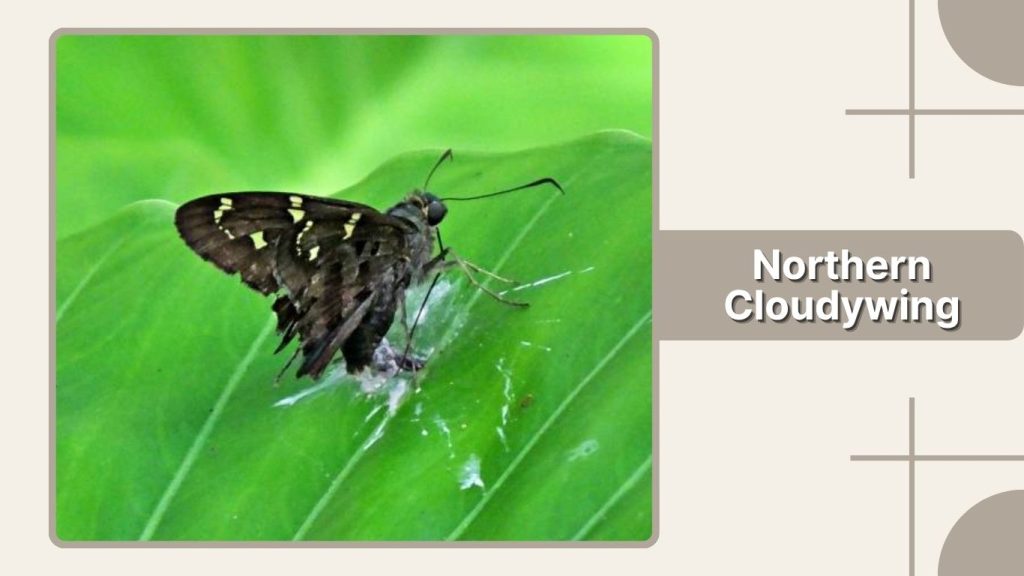
The Northern Cloudywing is a dark skipper butterfly with a plain, dusky look and quick darting flight. Unlike many orange grass skippers, it has darker wings and a more understated appearance. This butterfly is often found in sunny open areas, woodland edges, fields, roadsides, and places where nectar flowers and legume host plants grow.
Identification
- Small-to-medium skipper butterfly
- Dark brown wings
- Pale translucent spots on the forewings
- Plain dusky appearance
- Stout body
- Hooked antenna tips
- Fast, low, darting flight
- Often rests with wings spread open
Habitat and Distribution
Northern Cloudywings are usually found in open and semi-open habitats with plenty of sunlight. They live in fields, meadows, roadsides, woodland edges, prairies, open woods, and disturbed areas. This species is found across much of eastern and central North America, especially where nectar flowers and host plants from the pea family are available.
Behavior and Diet
Adult Northern Cloudywings feed on nectar from flowers such as milkweed, clover, dogbane, thistles, and other meadow blooms. They are active during warm sunny days and often fly quickly close to the ground. Males may perch in open sunny spots and wait for females, while adults often visit damp soil for minerals.
Life Cycle
Female Northern Cloudywings lay eggs on host plants in the pea family, including beggar’s ticks, tick trefoil, and related legumes. After hatching, the caterpillar feeds on leaves and often creates a shelter by folding or tying leaves together. It grows through several stages before pupating. The adult butterfly later emerges to feed, mate, and continue the next generation.
19. Southern Cloudywing
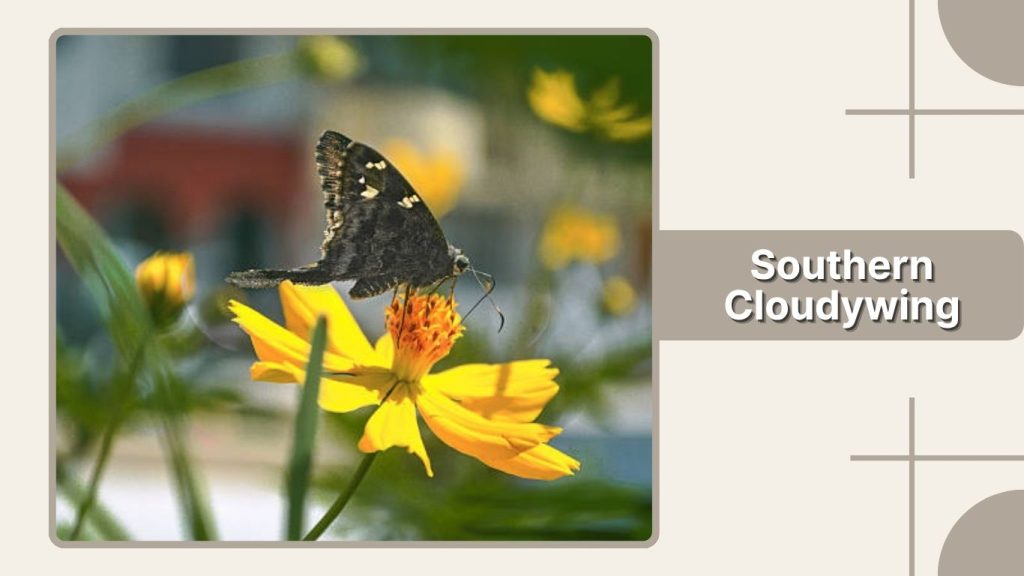
The Southern Cloudywing is a dark skipper butterfly that looks very similar to the Northern Cloudywing. It has dusky brown wings, pale forewing spots, and a quick, low flight. This skipper is usually found in sunny fields, roadsides, woodland edges, gardens, and open areas where nectar flowers and legume host plants are available.
Identification
- Small-to-medium skipper butterfly
- Dark brown wings
- Pale spots on the forewings
- Dusky, plain-looking wing pattern
- Stout, fuzzy body
- Hooked antenna tips
- Fast, darting flight
- Often rests with wings spread open
Habitat and Distribution
Southern Cloudywings are usually found in warm open habitats with plenty of sunlight. They live in fields, meadows, roadsides, gardens, woodland edges, open woods, and disturbed areas. This species is common in parts of the southern and eastern United States, especially where flowering plants and host plants from the pea family grow nearby.
Behavior and Diet
Adult Southern Cloudywings feed on nectar from flowers such as milkweed, clover, dogbane, thistles, and other meadow blooms. They are active during warm sunny days and often fly quickly close to the ground. They may also visit damp soil to take in minerals, a behavior commonly seen in many skipper butterflies.
Life Cycle
Female Southern Cloudywings lay eggs on plants in the pea family. After hatching, the caterpillars feed on leaves and often make shelters by folding or tying leaves together. They grow through several stages before pupating. Once the adult butterfly emerges, it feeds on nectar, searches for mates, and continues the next generation.
20. Wild Indigo Duskywing
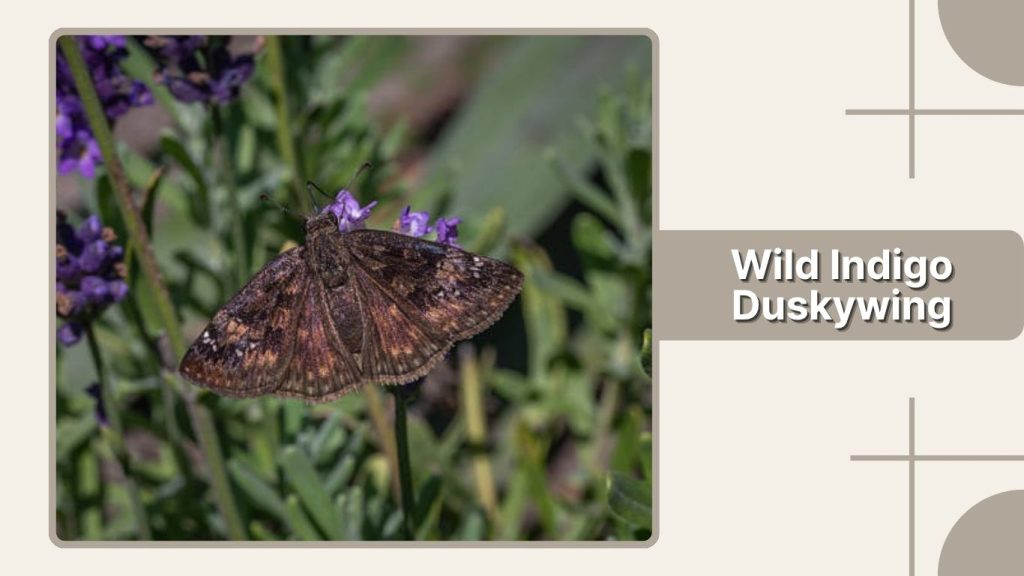
The Wild Indigo Duskywing is a dark skipper butterfly with a sturdy body, low flight, and subtle wing markings. It belongs to the spread-wing skipper group and often rests with its wings open. This butterfly is commonly found in fields, roadsides, gardens, open woods, and areas where wild indigo or related host plants grow.
Identification
- Small-to-medium duskywing skipper
- Dark brown wings
- Pale spots on the forewings
- Subtle mottled wing pattern
- Stout, fuzzy body
- Hooked antenna tips
- Fast, low, darting flight
- Often rests with wings spread open
Habitat and Distribution
Wild Indigo Duskywings are usually found in sunny open habitats with host plants nearby. They live in fields, prairies, roadsides, woodland edges, gardens, disturbed areas, and open woods. This species is found across much of eastern and central North America and has spread in some areas by using introduced crown vetch as a host plant.
Behavior and Diet
Adult Wild Indigo Duskywings feed on nectar from flowers such as milkweed, clover, dogbane, thistles, and other low blooms. They are active during warm sunny days and often fly close to the ground. Their dark color and quick flight can make them difficult to follow, especially when they land on soil, bark, or dry leaves.
Life Cycle
Female Wild Indigo Duskywings lay eggs on host plants such as wild indigo, lupine, and crown vetch. After hatching, the caterpillars feed on leaves and use folded or tied leaves as shelter. They grow through several stages before pupating. The adult butterfly later emerges, feeds on nectar, mates, and continues the next generation.
21. Juvenal’s Duskywing
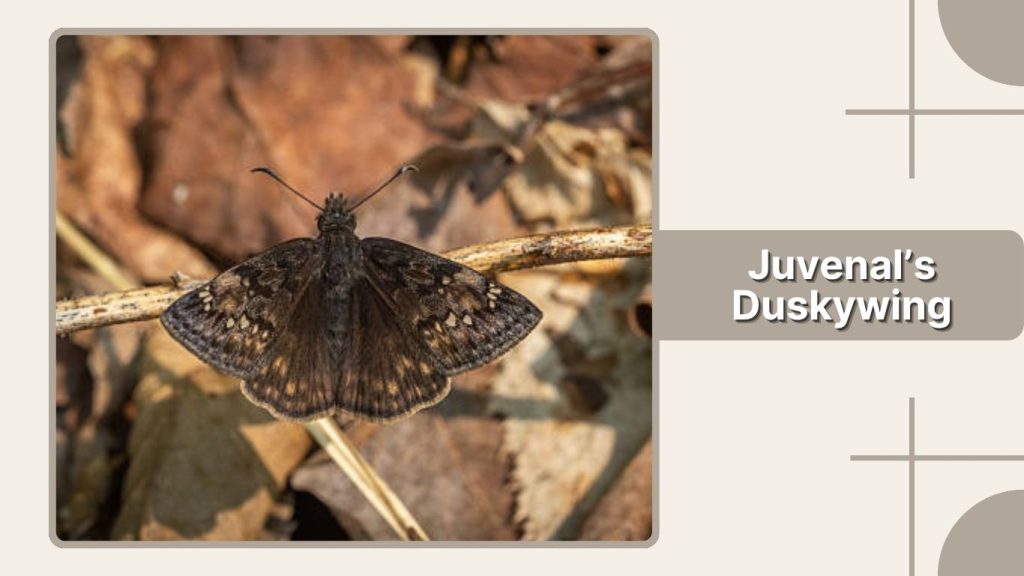
Juvenal’s Duskywing is a dark, spread-wing skipper butterfly with a sturdy body and quick, low flight. It is often seen in spring around open woods, forest edges, trails, roadsides, and sunny clearings. This skipper may look plain at first, but its brown wings and pale markings help separate it from similar duskywings.
Identification
- Small-to-medium duskywing skipper
- Dark brown wings
- Pale spots on the forewings
- Subtle grayish or brown mottling
- Stout, fuzzy body
- Hooked antenna tips
- Fast, low, darting flight
- Often rests with wings spread open
Habitat and Distribution
Juvenal’s Duskywing is usually found near oak woodlands and sunny forest edges. It lives in open woods, woodland trails, roadsides, clearings, parks, and dry slopes where oak trees are nearby. This species is widespread in eastern and central North America and is most noticeable during its spring flight period.
Behavior and Diet
Adult Juvenal’s Duskywings are active on warm sunny days. They often visit flowers for nectar, but they may also land on damp soil, paths, or animal droppings to take in minerals. Their dark wings help them blend with bark, soil, and leaf litter when resting, making them easy to overlook.
Life Cycle
Female Juvenal’s Duskywings lay eggs on oak leaves, which are the main food source for the caterpillars. After hatching, the caterpillars feed on oak foliage and use leaves as shelter while they grow. They pass through several stages before pupating. Adults usually appear in spring, mate, and begin the next generation.
22. Horace’s Duskywing
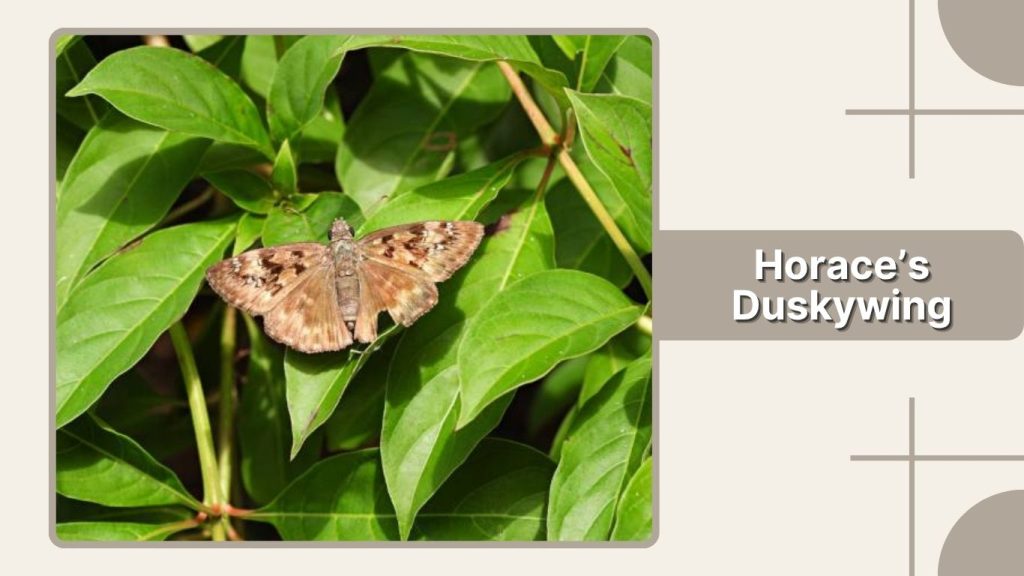
Horace’s Duskywing is a dark spread-wing skipper butterfly that looks similar to several other duskywings. It has brown wings, pale spots, and a quick, low flight. This skipper is often found around oak woodlands, forest edges, roadsides, fields, and sunny clearings where host plants and nectar flowers are available.
Identification
- Small-to-medium duskywing skipper
- Dark brown wings
- Pale spots on the forewings
- Mottled brown and gray wing pattern
- Stout, fuzzy body
- Hooked antenna tips
- Fast, low, darting flight
- Often rests with wings spread open
Habitat and Distribution
Horace’s Duskywing is commonly found in open woods, oak woodland edges, clearings, roadsides, fields, parks, and sunny trails. It is most often associated with areas where oak trees grow, because oaks are important host plants for the caterpillars. This species is found across much of eastern and central North America.
Behavior and Diet
Adult Horace’s Duskywings are active during warm sunny weather. They feed on nectar from flowers such as milkweed, dogbane, clover, and other low blooms. They may also visit damp soil for minerals. Their dark wings help them blend into bark, leaves, and bare ground when they rest.
Life Cycle
Female Horace’s Duskywings lay eggs on oak leaves. After hatching, the caterpillars feed on the foliage and use leaves as shelters while they grow. They pass through several stages before pupating. Adults may appear in more than one generation during the warm season, especially in southern parts of their range.
23. Dreamy Duskywing
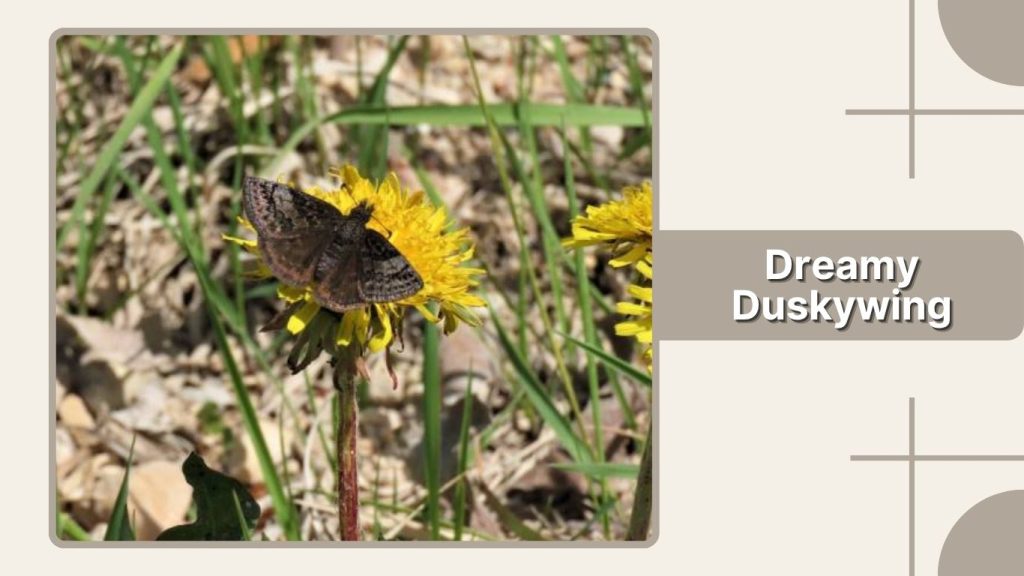
The Dreamy Duskywing is a small, dark skipper butterfly with soft brown-gray coloring and a quiet, understated appearance. It is usually seen in spring and early summer around woodland edges, forest openings, trails, and clearings. Like other duskywings, it often rests with its wings spread flat and flies quickly close to the ground.
Identification
- Small duskywing skipper
- Brown to gray-brown wings
- Soft, muted wing pattern
- Pale spots on the forewings
- Stout, fuzzy body
- Hooked antenna tips
- Quick, low, darting flight
- Often rests with wings open on leaves, soil, or bark
Habitat and Distribution
Dreamy Duskywings are usually found in wooded or semi-open habitats. They live along forest edges, woodland trails, clearings, roadsides, open woods, and areas with young trees or shrubs. This species is found across much of northern and eastern North America, especially where suitable host plants such as willows, poplars, and aspens are available.
Behavior and Diet
Adult Dreamy Duskywings are active during sunny weather and often fly low along paths, woodland openings, and edges. They may visit flowers for nectar, but they are also commonly seen resting on bare ground, leaves, or damp soil. Their muted color helps them blend into bark, leaf litter, and shaded woodland surfaces.
Life Cycle
Female Dreamy Duskywings lay eggs on host plants such as willow, poplar, and aspen. After hatching, the caterpillars feed on the leaves and use folded or tied leaves as shelter. They grow through several stages before pupating. The adult skipper later emerges, feeds, mates, and continues the next generation.
24. Common Checkered-Skipper
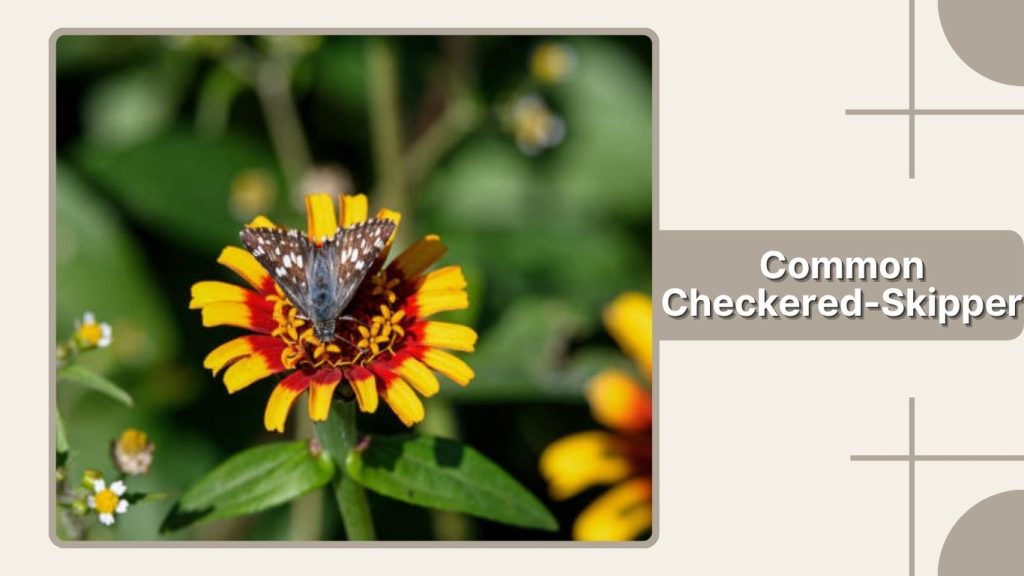
The Common Checkered-Skipper is a small skipper butterfly with a bold black-and-white checkered pattern. It is often seen in sunny open places, including fields, roadsides, gardens, lawns, dry lots, and disturbed habitats. This butterfly flies low to the ground and often visits small flowers during warm, bright weather.
Identification
- Small skipper butterfly
- Black, gray, and white checkered wing pattern
- Pale spots across the wings
- Fuzzy body
- Hooked antenna tips
- Fast, low, darting flight
- Often rests with wings spread open
- Males may look bluish-gray near the body
Habitat and Distribution
Common Checkered-Skippers live in open sunny habitats where low plants and flowers are available. They are often found in fields, roadsides, gardens, lawns, parks, vacant lots, sandy areas, and disturbed ground. This species is widespread across much of North America and is especially common in warm, open places with host plants nearby.
Behavior and Diet
Adult Common Checkered-Skippers feed on nectar from small flowers such as asters, clover, mallows, and other low-growing blooms. They are active during sunny weather and often fly close to the ground. Their checkered wings help them blend with pale soil, gravel, flowers, and dry vegetation when they land.
Life Cycle
Female Common Checkered-Skippers lay eggs on plants in the mallow family. After hatching, the caterpillars feed on leaves and may use folded leaves as shelter. They grow through several stages before forming a pupa. In warm areas, this skipper may produce several generations in one year, allowing adults to appear through much of the season.
25. Tropical Checkered-Skipper
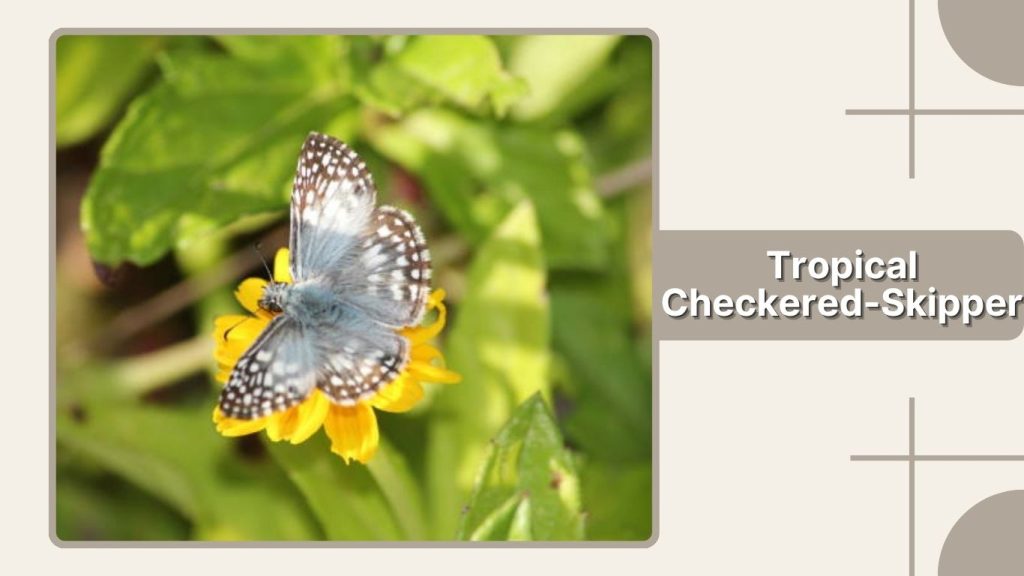
The Tropical Checkered-Skipper is a small skipper butterfly with a checkered wing pattern and quick, low flight. It looks similar to the Common Checkered-Skipper but is more associated with warm southern regions. This butterfly is often seen in sunny open areas, gardens, roadsides, fields, and places where low flowers and mallow host plants grow.
Identification
- Small skipper butterfly
- Black, gray, and white checkered wings
- Pale spots across the wings
- Fuzzy body
- Hooked antenna tips
- Fast, low, darting flight
- Often rests with wings open
- Similar to Common Checkered-Skipper
Habitat and Distribution
Tropical Checkered-Skippers are usually found in warm, open habitats. They live in fields, roadsides, gardens, parks, lawns, weedy areas, dry lots, and disturbed ground. This species is most common in southern regions and tropical or subtropical areas where host plants and nectar flowers are available through much of the year.
Behavior and Diet
Adult Tropical Checkered-Skippers feed on nectar from small flowers. They often visit low blooms in lawns, roadsides, gardens, and open fields. Their flight is quick and close to the ground, and they may stop often on flowers or bare soil. Like many skippers, they are most active during warm sunny weather.
Life Cycle
Female Tropical Checkered-Skippers lay eggs on plants in the mallow family. After hatching, the caterpillars feed on the leaves and use plant material as shelter while they grow. They pass through several growth stages before forming a pupa. In warm climates, this skipper may have multiple generations in a year.
FAQs
What is a skipper butterfly?
A skipper butterfly is a small, fast-flying butterfly from the family Hesperiidae. Skippers often have sturdy bodies, hooked antenna tips, and quick darting flight. They may look slightly different from typical butterflies because their bodies are thicker and their movements are more rapid.
How do you identify skipper butterflies?
Skipper butterflies can be identified by their compact bodies, hooked antennae, and fast skipping flight. Many species are orange, brown, or dark with small pale spots. Looking at wing color, markings, size, resting posture, and habitat can help separate similar skipper species.
Where do skipper butterflies live?
Skipper butterflies live in many habitats, including meadows, grasslands, gardens, roadsides, wetlands, woodland edges, and open fields. Their habitat depends on the species and the host plants used by caterpillars. Many skippers prefer sunny places with grasses, flowers, or legume plants nearby.
What do skipper butterflies eat?
Adult skipper butterflies usually drink nectar from flowers such as clover, milkweed, thistle, lantana, asters, and garden blooms. Their caterpillars eat specific host plants, often grasses, legumes, mallows, oaks, or other plant groups depending on the skipper species.
Are skipper butterflies rare?
Some skipper butterflies are common, while others are local or uncommon because they need specific habitats or host plants. Species such as the Silver-spotted Skipper, Fiery Skipper, and Common Checkered-Skipper are often easy to find, but habitat loss can make some skipper species harder to see.