
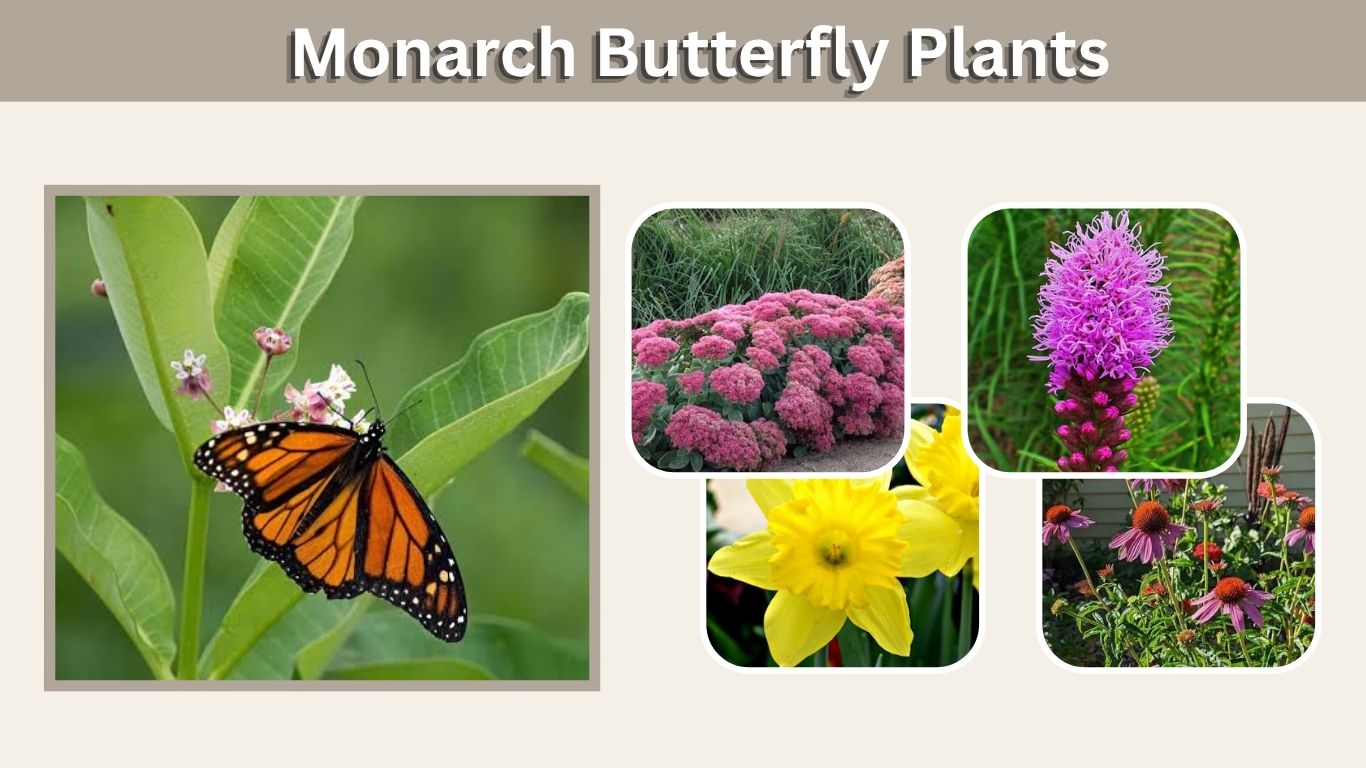
Choosing the right monarch butterfly plants can turn an ordinary garden into valuable habitat for monarchs during breeding and migration. Milkweed is essential because monarch caterpillars can survive only on milkweed and closely related host plants, while adult butterflies depend on many nectar-rich flowers for energy. A successful monarch garden therefore needs both host and nectar plants. The strongest plant-related searches focus on milkweed, native species, nectar flowers, egg-laying plants, and plants that attract monarch butterflies.
Why Plants Are So Important for Monarch Butterflies
Monarch butterflies need different plants during different stages of their lives. Adult females search for milkweed on which to lay eggs, and newly hatched caterpillars immediately begin eating its leaves. Adult monarchs, meanwhile, drink nectar from many kinds of flowering plants.
A good butterfly garden should therefore provide food for both caterpillars and adults.
Host Plants vs Nectar Plants
The two main categories are:
- Host plants: Plants where monarchs lay eggs and caterpillars feed
- Nectar plants: Flowering plants that provide energy for adult butterflies
- Native plants: Species naturally adapted to a particular region
- Late-season flowers: Important for migrating monarchs
- Early-season flowers: Help adults arriving during spring
Milkweed is the most important host plant, while nectar plants should bloom across as much of the growing season as possible.
Milkweed: The Essential Monarch Butterfly Host Plant
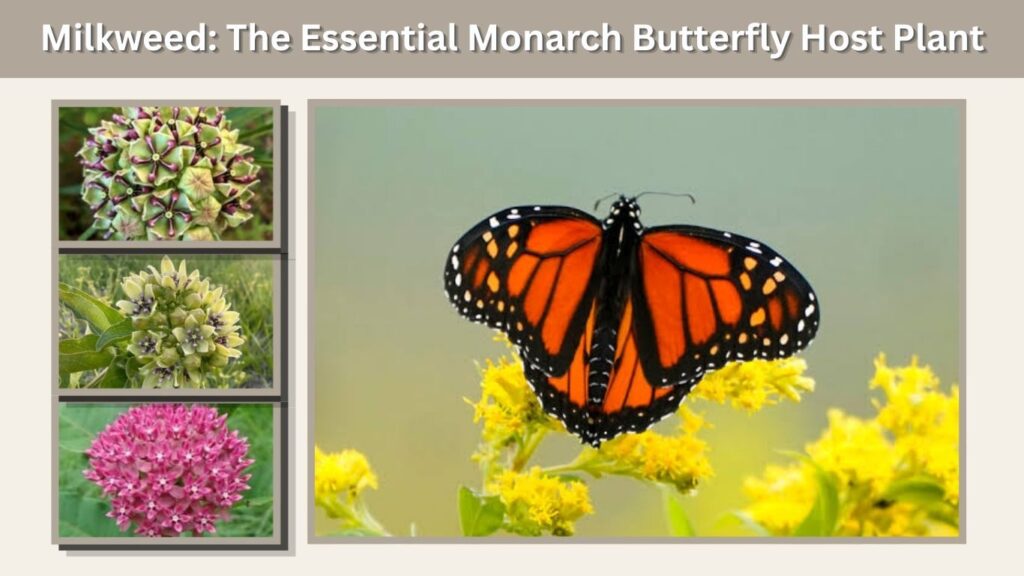
Milkweed is the most important plant in any monarch habitat. Searches for monarch butterfly host plants, milkweed plants, and native milkweed dominate interest in this topic.
Female monarchs actively look for milkweed before laying their eggs because their caterpillars depend on it for food.
Why Do Monarch Caterpillars Need Milkweed?
Monarch caterpillars are specialized feeders. After an egg hatches, the tiny larva begins eating the milkweed leaf on which it was deposited.
Milkweed provides the nutrients required for caterpillar growth. Compounds obtained from the plant also contribute to the monarch’s chemical defenses against some predators.
Without suitable milkweed, monarchs cannot successfully complete their breeding cycle.
Best Milkweed Plants for Monarch Butterflies
Different milkweed species grow in different climates and soil conditions. Some commonly planted species include:
- Common milkweed
- Swamp milkweed
- Butterfly weed
- Showy milkweed
- Prairie milkweed
- Whorled milkweed
- Antelope horns milkweed
- Green milkweed
- Purple milkweed
Whenever possible, selecting native milkweed species appropriate to your region is usually the best approach.
Native Milkweed Plants for Monarch Butterflies
Native milkweeds are especially useful because they are adapted to local temperatures, rainfall, soils, and wildlife communities.
They also tend to fit naturally into native butterfly and pollinator gardens.
Why Choose Native Milkweed?
Native milkweed can offer several advantages:
- Suitable food for monarch caterpillars
- Adaptation to local growing conditions
- Support for native pollinators
- Reduced need for intensive maintenance
- Better integration with local ecosystems
Because different milkweed species prefer different environments, gardeners should match the plant to their climate and soil.
Butterfly Weed
Butterfly weed (Asclepias tuberosa) is both an attractive ornamental plant and a monarch host plant.
Its bright orange flowers provide nectar to butterflies and other pollinators, while its leaves can support monarch caterpillars.
It generally prefers sunny sites and well-drained soil.
Swamp Milkweed
Swamp milkweed (Asclepias incarnata) produces clusters of pink flowers and performs particularly well in moist areas.
It is popular in butterfly gardens because it serves as a monarch host plant while also offering nectar to adult butterflies.
What Plants Do Monarch Butterflies Lay Their Eggs On?
One of the most important distinctions in monarch gardening is between a flower that attracts adult monarchs and a plant that supports their offspring.
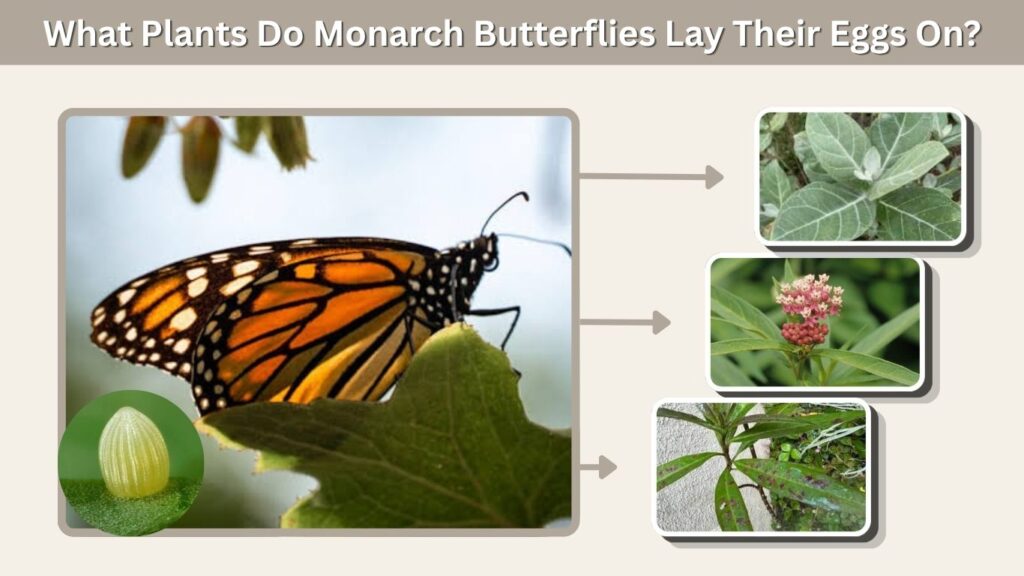
Female monarchs normally lay their eggs on plants belonging to the milkweed group. Searches specifically asking what plants monarchs lay eggs on and which plants their caterpillars eat reflect this distinction.
Where Are Monarch Eggs Found?
Look for eggs:
- On milkweed leaves
- Especially on the undersides of leaves
- On fresh, tender growth
- Occasionally on flower buds or stems
- Usually one egg at a time
A monarch egg is tiny, pale cream-colored, and shaped somewhat like a dome.
Do Monarchs Lay Eggs on Nectar Flowers?
A monarch may visit many different flowers for nectar without using them as host plants.
Flowers such as asters or goldenrod can attract numerous adults, but monarch caterpillars cannot simply switch to those plants for food.
Milkweed remains essential for reproduction.
Best Nectar Plants for Monarch Butterflies
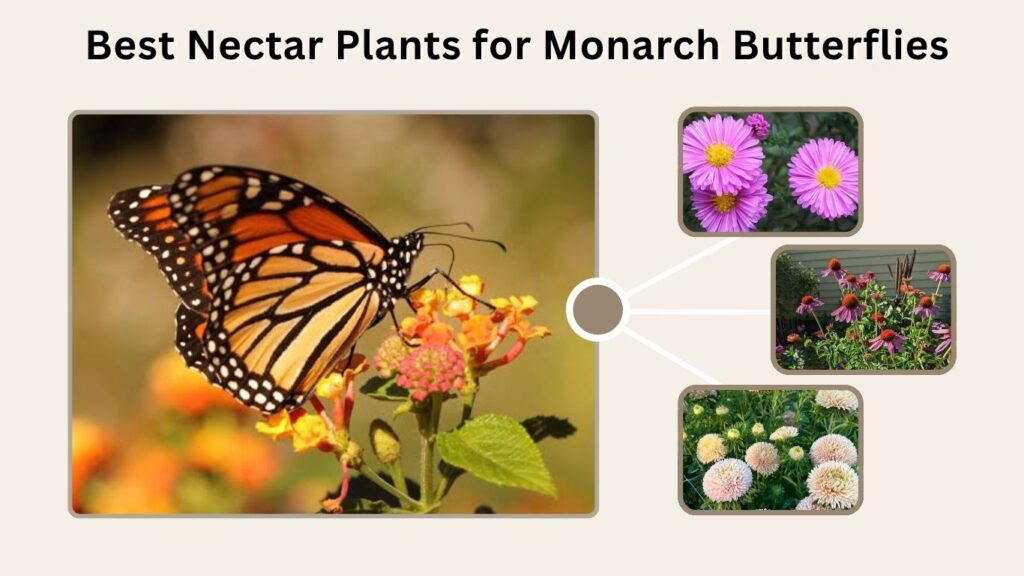
Adult monarchs need sugary nectar to power flight, reproduction, and migration. Nectar plants are therefore just as important as milkweed when designing a complete monarch garden.
Search interest also specifically targets monarch butterfly nectar plants and flowering plants that attract monarchs.
Good Nectar Flowers for Monarchs
Consider planting:
- Goldenrod
- Asters
- Blazing star
- Coneflowers
- Black-eyed Susan
- Joe-Pye weed
- Verbena
- Zinnias
- Sunflowers
- Coreopsis
- Phlox
- Bee balm
- Ironweed
- Sedum
- Mexican sunflower
A mix of native and well-behaved garden flowers can create a continuous source of nectar.
Plants That Attract Monarch Butterflies
A garden is more likely to attract monarchs when flowers are easy to find, produce abundant nectar, and bloom at times when monarchs are active.
Planting several flowers together also makes them more visible to passing butterflies.
What Plants Do Monarch Butterflies Like?
Adult monarchs generally favor flowers that provide accessible nectar and sufficient space for them to land.
Good plants typically have:
- Nectar-rich blooms
- Open or clustered flower heads
- Brightly visible flowers
- Long flowering periods
- Sunny growing positions
- Multiple flowers growing close together
Monarchs may feed from many flower colors rather than relying on one particular shade.
Plant Flowers in Groups
Instead of placing one plant of each species throughout a large yard, grow several of the same flower together.
Groups create a larger visual target and allow monarchs to move between blooms without using as much energy.
How to Plant a Monarch Butterfly Garden
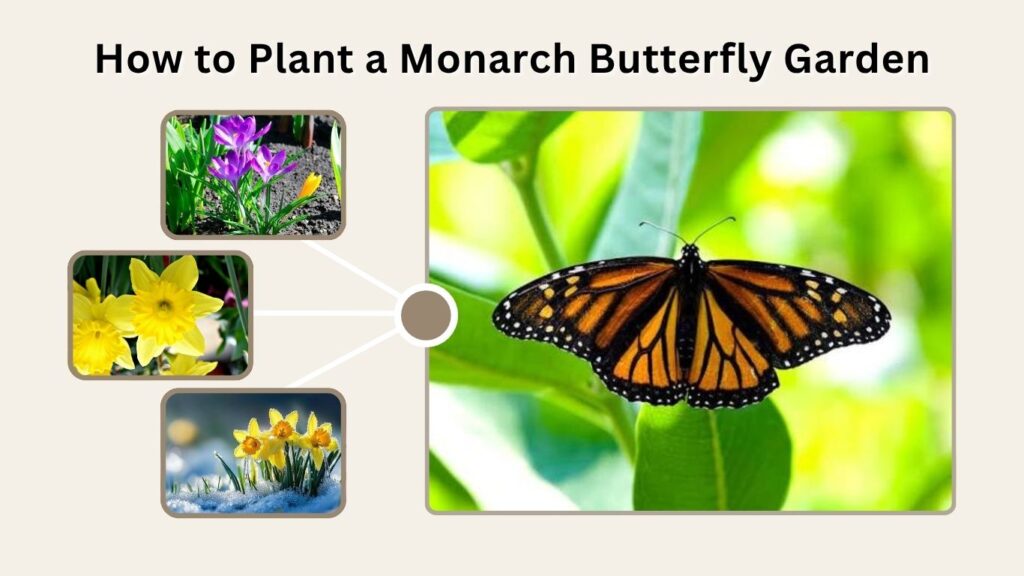
A successful monarch garden does not need to be large. Even a relatively small sunny patch can provide useful habitat when it combines milkweed, nectar plants, water management, and appropriate gardening practices.
Choose a Sunny Location
Most milkweeds and popular butterfly flowers perform best with plenty of sunlight.
A warm location also gives butterflies suitable places for basking because monarchs depend on external heat to become active.
Plant Both Milkweed and Nectar Flowers
An effective garden should contain:
- Several milkweed plants
- Early-blooming flowers
- Summer nectar plants
- Late-season flowers
- Native species where practical
Providing plants with different flowering periods keeps food available longer.
Avoid Harmful Pesticide Use
Insecticides can kill the very caterpillars and butterflies the garden is intended to support.
If pest management is necessary, choose methods carefully and avoid spraying monarch host plants or flowers being visited by pollinators.
When Should You Plant Milkweed for Monarchs?
The ideal planting period depends heavily on the milkweed species and local climate.
Many gardeners plant milkweed in spring, while seeds of some native species benefit from exposure to cold and moist conditions before they germinate.
Growing Milkweed From Seed
Depending on the species, successful establishment may involve:
- Selecting a locally appropriate milkweed.
- Preparing a sunny planting location.
- Following any seed pretreatment requirements.
- Keeping young plants adequately watered.
- Allowing established plants room to spread.
Some milkweeds take time to become established, so patience can be necessary.
What Do Monarch Butterflies Eat?
Adult monarch butterflies do not chew leaves. Instead, they use a long feeding tube called a proboscis to drink liquid food, particularly flower nectar.
Monarch caterpillars have a completely different diet.
Adult Monarch Diet
Adults feed mainly on nectar from flowering plants.
Nectar supplies carbohydrates needed for:
- Flight
- Migration
- Reproduction
- Searching for mates
- General daily activity
A diverse flower garden provides more feeding opportunities than one containing only milkweed.
Monarch Caterpillar Diet
Monarch caterpillars eat milkweed foliage.
Young larvae begin with small amounts of tender tissue, while larger caterpillars can consume substantial portions of leaves as they approach pupation.
This is why healthy milkweed growth is important in breeding areas.
Best Plants for Migrating Monarch Butterflies
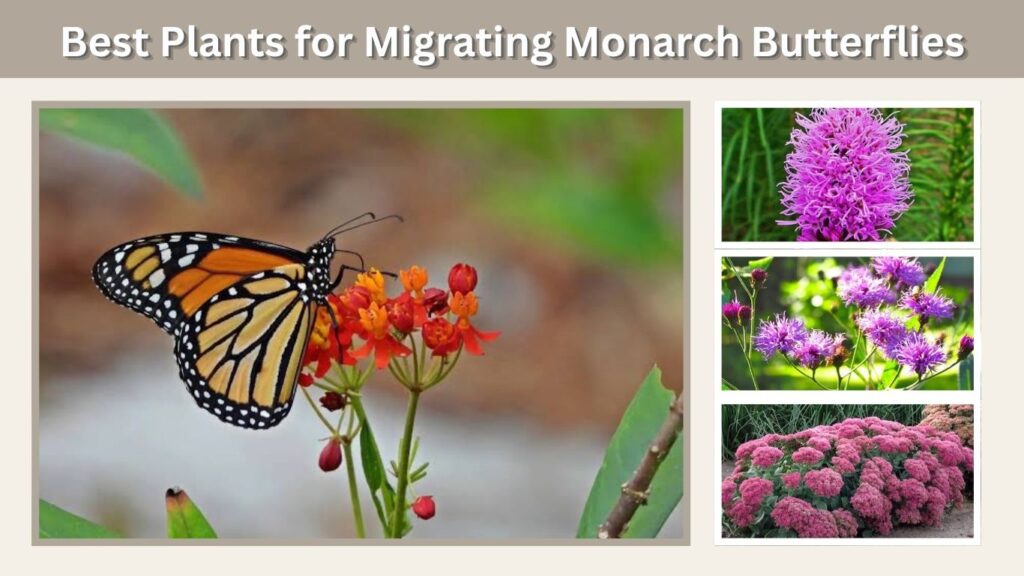
Late-summer and fall nectar sources are particularly important where monarchs pass through during migration.
Butterflies may need to build and maintain energy reserves as they travel considerable distances.
Good Fall Nectar Plants
Useful options include:
- Goldenrod
- New England aster
- Other native asters
- Blazing star
- Ironweed
- Sedum
- Sunflowers
- Late-blooming coneflowers
Allowing some fall flowers to remain in bloom instead of immediately cutting them back can provide valuable feeding opportunities.
Regional Monarch Butterfly Plants
The best monarch plants vary across different parts of North America. Interest in monarch plants for California, Florida, Texas, and Southern California shows why regional selection matters.
California
California gardeners should prioritize milkweed species native to their local part of the state and combine them with regionally appropriate nectar plants.
Native asters, buckwheats, goldenrods, and other flowering species can provide useful resources.
Florida
Florida’s warm climate supports a long growing season.
Native milkweeds and diverse flowering plants can provide habitat while avoiding reliance on only one ornamental species.
Texas
Texas lies along important monarch migration routes.
Native milkweeds combined with nectar-rich plants such as mistflowers, goldenrods, asters, and sunflowers can make gardens useful stopping points during migration.
Creating a Monarch-Friendly Garden
A monarch-friendly garden is most effective when it functions as a small habitat rather than simply a flower bed.
Milkweed allows reproduction, while nectar plants sustain adults.
Simple Monarch Garden Checklist
Include:
- Native milkweed
- Several nectar-rich flower species
- Flowers blooming in different seasons
- Sunny areas
- Shelter from strong wind
- Chemical-free or low-pesticide management
- Groups of flowering plants
- A mixture of plant heights
Even a small garden, balcony container, school garden, or community planting can provide useful resources when appropriate plants are selected.
FAQs
What Is the Best Plant for Monarch Butterflies?
Milkweed is the most important plant because it is the host plant required by monarch caterpillars. Adult monarchs also need nectar-producing flowers, so an ideal garden combines milkweed with plants such as asters, goldenrod, coneflowers, blazing star, and other nectar-rich species.
What Plants Attract Monarch Butterflies?
Monarchs are attracted to many flowering plants that produce accessible nectar. Good choices include asters, goldenrod, coneflowers, Joe-Pye weed, blazing star, verbena, zinnias, sunflowers, and native wildflowers. Planting several flowering species ensures nectar is available throughout the season.
What Plants Do Monarch Caterpillars Eat?
Monarch caterpillars feed primarily on milkweed plants. Female butterflies therefore search for milkweed before laying their eggs. Caterpillars hatch directly on or near their food source and consume progressively larger amounts of milkweed foliage as they grow.
Is Butterfly Weed a Host Plant for Monarchs?
Yes. Butterfly weed is a species of milkweed and can serve as a host plant for monarch caterpillars. Its orange flowers also provide nectar for adult butterflies and other pollinators, making it particularly useful in sunny butterfly gardens.
Do Monarch Butterflies Need Flowers Other Than Milkweed?
Yes. Milkweed is essential for caterpillars, but adult monarchs need a wider selection of nectar-producing flowers. Planting early-, mid-, and late-season flowers provides food over a longer period and can support both resident and migrating monarch butterflies.