
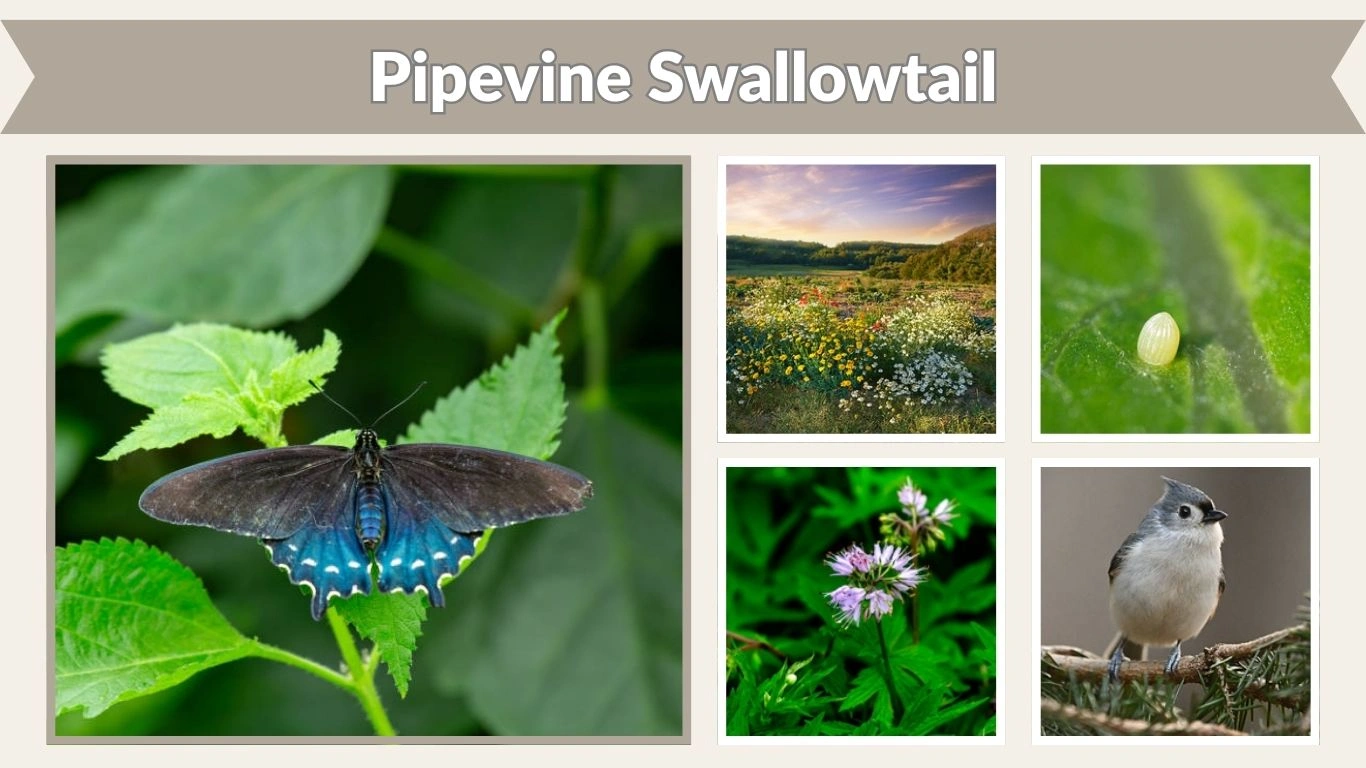
The pipevine swallowtail is one of the most striking butterflies in North America, recognized for its dark wings that shimmer with iridescent blue color in sunlight. This beautiful butterfly is not only admired for its appearance but also for its unique relationship with pipevine plants, which help protect it from predators through natural toxins. Its graceful flight and vivid wing patterns make it a favorite among butterfly watchers and gardeners.
The pipevine swallowtail also plays an important ecological role as a pollinator. Understanding its lifecycle, caterpillar stage, habitat, and feeding behavior can help people appreciate why this butterfly is so important in natural ecosystems. In this guide, you’ll learn how to identify the pipevine swallowtail, what its caterpillars eat, and how to attract these butterflies to your garden.
What Is a Pipevine Swallowtail?
The pipevine swallowtail is a large butterfly species scientifically known as Battus philenor. It belongs to the swallowtail butterfly family and is famous for its dark coloration and metallic blue hind wings. This species is commonly found in warmer regions where pipevine host plants grow naturally.
Scientific Classification
The pipevine swallowtail belongs to the Papilionidae family, which includes many large and colorful butterfly species. Its scientific name, Battus philenor, distinguishes it from other swallowtail butterflies found throughout North America.
This butterfly is closely connected to pipevine plants because its caterpillars depend on these plants for survival. The toxins absorbed from the host plants help protect both the caterpillars and adult butterflies from predators.
The species is widely recognized for its ecological importance and unique defensive adaptations.
Key Characteristics
One of the most noticeable features of the pipevine swallowtail is its dark black wings with shimmering blue coloration on the hind wings. The blue color is especially visible in sunlight and is more vibrant in males.
The butterfly also has tail-like extensions on its hind wings, which are typical of swallowtail species. Underneath the wings, bright orange spots create additional contrast and help with identification.
Its body is relatively slender, and its flight pattern is smooth and graceful compared to many smaller butterflies.
Pipevine Swallowtail Identification
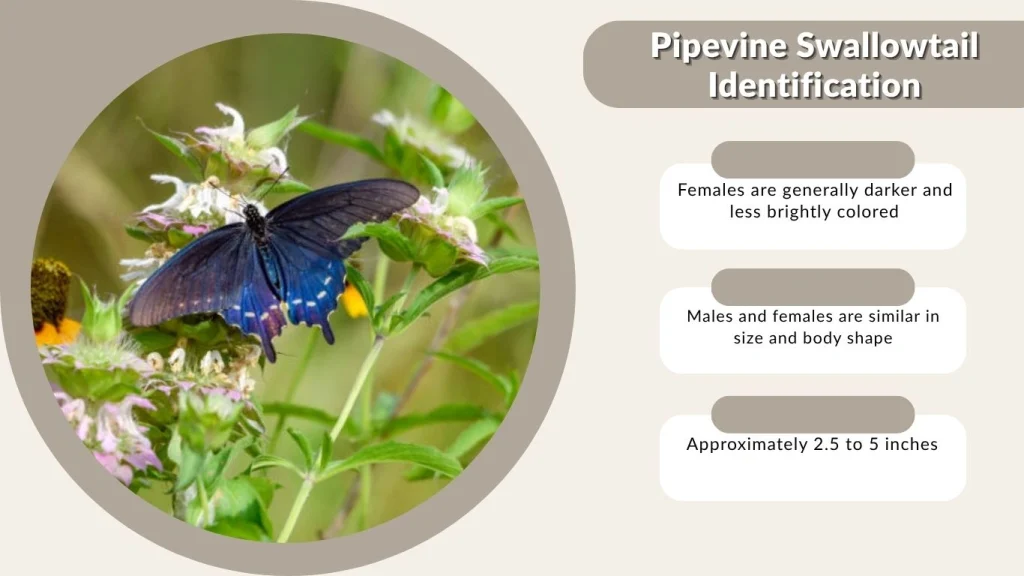
Identifying the pipevine swallowtail becomes easier once you understand its coloration, wing shape, and size. Although it may resemble other dark swallowtail butterflies, several features help distinguish it.
Male vs Female Appearance
Male pipevine swallowtails usually display brighter and more noticeable blue coloration on their hind wings. The iridescent blue shine is often vivid when viewed under direct sunlight.
Females are generally darker and less brightly colored, although they still share the same overall wing structure and patterns. Both sexes have orange spots beneath the hind wings, which are useful for identification.
Despite their differences in brightness, males and females are similar in size and body shape.
Size and Wingspan
The pipevine swallowtail is considered a medium-to-large butterfly with a wingspan ranging from approximately 2.5 to 5 inches.
Its large wings help create its smooth gliding flight style. Compared to smaller butterflies, the pipevine swallowtail appears more elegant and powerful in motion. The broad wings also make the iridescent blue coloration more visible during flight.
Pipevine Swallowtail Caterpillar
The caterpillar stage of the pipevine swallowtail looks very different from the adult butterfly. It has a unique appearance and several defense mechanisms that help it survive in the wild.
Caterpillar Appearance
Pipevine swallowtail caterpillars are usually dark reddish-black or deep brown in color. Their bodies are covered with fleshy orange or reddish spikes that give them a distinctive texture.
Although the spikes may appear dangerous, they are soft rather than sharp. The unusual appearance helps warn predators that the caterpillar may be toxic.
Young caterpillars often feed together in groups before becoming more independent as they mature.
Caterpillar Defense Mechanisms
One of the most fascinating features of pipevine swallowtail caterpillars is their ability to absorb toxic chemicals from pipevine plants. These toxins remain in their bodies and help protect them from predators such as birds.
The bright orange spikes and dark coloration act as warning signals, telling predators that the caterpillar may be unpleasant or dangerous to eat.
This defense strategy continues into adulthood, making the adult butterflies less appealing to many predators as well.
Pipevine Swallowtail Host Plant
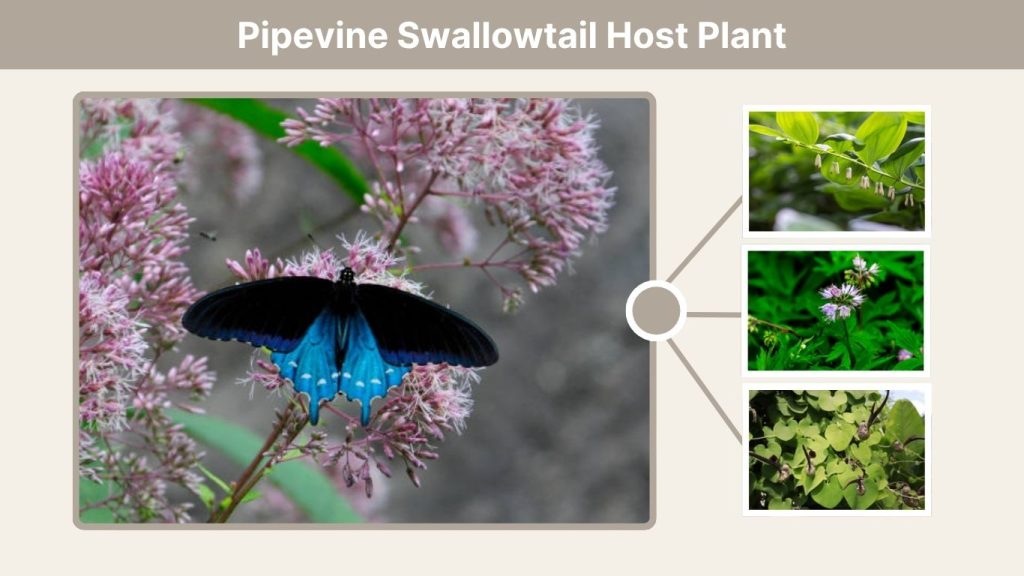
Pipevine plants are essential for the survival of the pipevine swallowtail because caterpillars depend on them as their primary food source.
Main Host Plants
Several species of pipevine plants serve as host plants for pipevine swallowtail caterpillars, including:
- Dutchman’s pipe
- Virginia snakeroot
- Various Aristolochia species
Female butterflies carefully select these plants when laying eggs because newly hatched caterpillars must feed immediately after emerging.
Without suitable host plants, the caterpillars cannot survive or develop properly.
Why Host Plants Matter
Host plants provide more than food for the caterpillars. They also provide chemical protection because the caterpillars absorb toxins from the leaves they consume.
These toxins remain inside the caterpillars and adult butterflies, making them less attractive to predators. This chemical defense system is one reason the pipevine swallowtail has relatively few natural enemies compared to some other butterfly species.
The presence of healthy host plants is therefore critical for maintaining pipevine swallowtail populations.
Pipevine Swallowtail Life Cycle
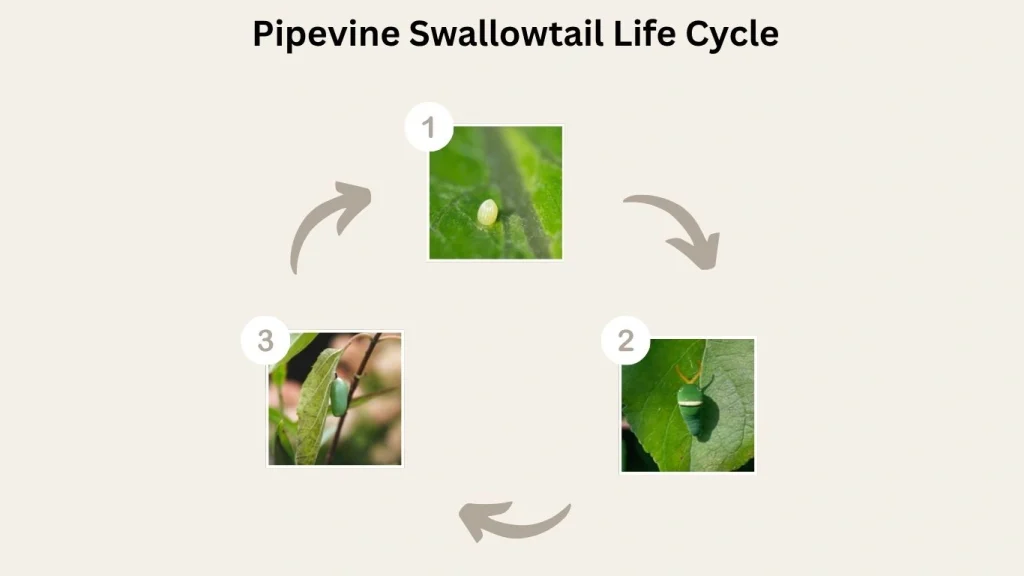
Like all butterflies, the pipevine swallowtail undergoes complete metamorphosis through four distinct life stages: egg, caterpillar, chrysalis, and adult butterfly.
Egg Stage
The lifecycle begins when the female lays small reddish eggs on the leaves of pipevine host plants. Eggs are usually laid in clusters, allowing young caterpillars to feed together after hatching.
The eggs are carefully positioned on suitable leaves where food is immediately available for the larvae.
After several days, the caterpillars emerge and begin feeding.
Caterpillar Stage
During the caterpillar stage, rapid growth takes place. The larvae feed heavily on pipevine leaves and molt several times as they increase in size.
The dark body and orange spikes become more noticeable as the caterpillars mature. Their feeding activity is essential for storing energy needed during metamorphosis.
At this stage, the caterpillars are already protected by the toxins absorbed from the host plant.
Chrysalis Stage
Once fully grown, the caterpillar forms a chrysalis attached to a branch, stem, or nearby structure. The chrysalis stage is where the transformation into an adult butterfly occurs.
The chrysalis is usually well camouflaged and blends into its surroundings to avoid predators. During this stage, the internal body structure changes completely as wings and adult features develop.
Depending on climate conditions, this stage may last several weeks before the butterfly emerges.
Adult Pipevine Swallowtail Stage
The adult butterfly emerges from the chrysalis when development is complete. At first, the wings appear soft and folded, but they quickly expand and harden as fluids circulate through them.
Once the wings are fully developed, the butterfly begins feeding on nectar and searching for mates. Adult pipevine swallowtails are most active during warm daylight hours and are commonly seen visiting flowering plants.
The adult stage focuses mainly on feeding, reproduction, and continuing the lifecycle by laying eggs on suitable host plants.
What Do Pipevine Swallowtails Eat?
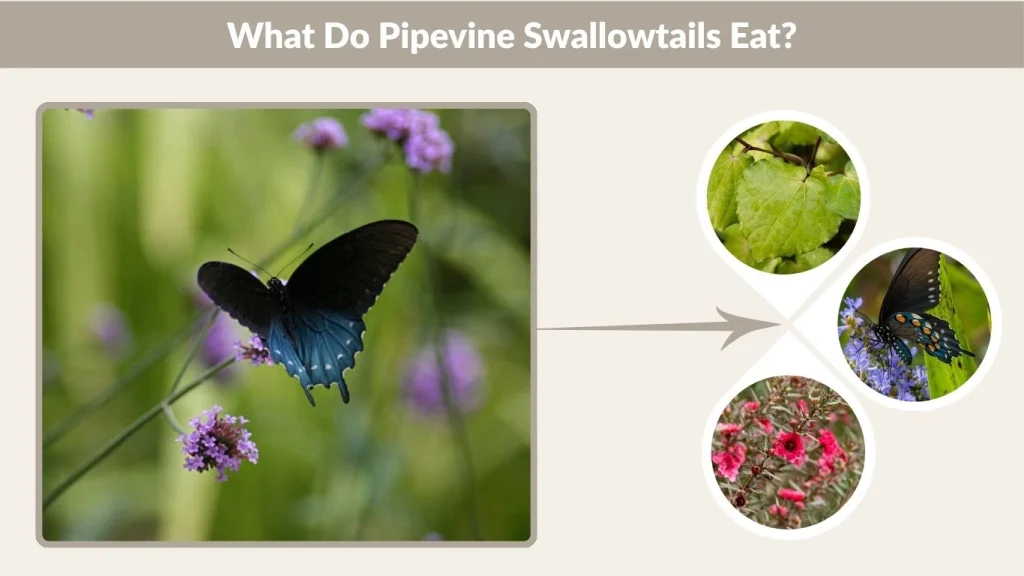
The diet of the pipevine swallowtail changes throughout its lifecycle. Caterpillars and adult butterflies rely on very different food sources to survive and grow.
- Caterpillars feed mainly on pipevine leaves
- Adults drink nectar from flowers
- Prefer nectar-rich flowering plants
- Use a long proboscis for feeding
- Need nutrient-rich food sources for energy
Caterpillars depend entirely on pipevine plants because they provide both nutrition and chemical protection. The toxins stored from these plants help deter predators during both the caterpillar and adult stages.
Adult butterflies feed on nectar from flowers such as lantana, thistle, phlox, milkweed, and other native flowering species. Nectar provides the energy needed for flying, mating, and reproduction.
Pipevine Swallowtail Habitat and Range
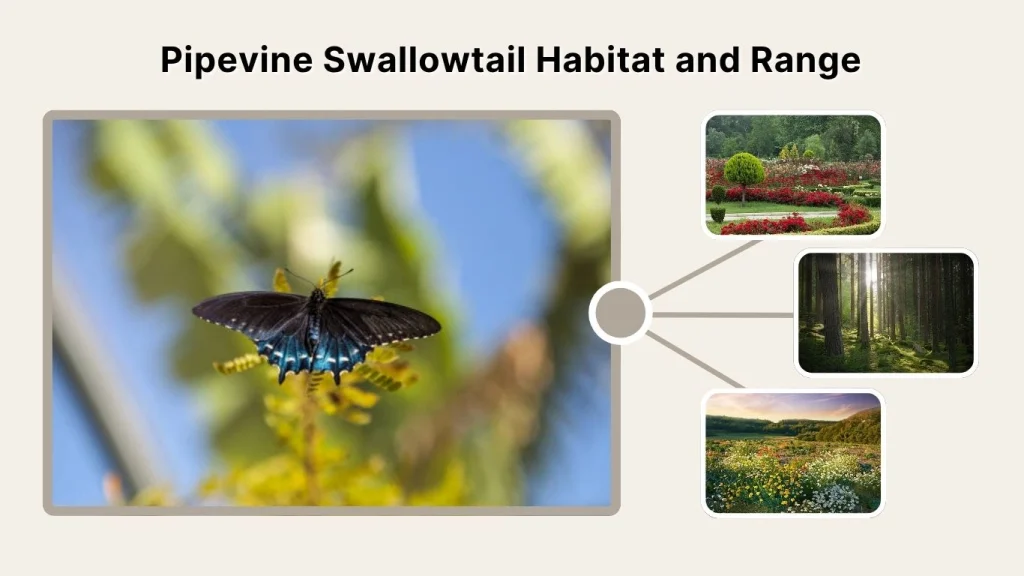
The pipevine swallowtail is widely distributed across parts of North and Central America. It prefers warm environments where host plants and flowering nectar sources are abundant.
- Found throughout much of the southern and eastern United States
- Present in parts of Central America
- Common in gardens, forests, and meadows
- Prefer warm and humid climates
- Most active during spring and summer
These butterflies are frequently seen in woodland edges, open fields, parks, and butterfly gardens. Areas with native flowering plants and pipevine host plants provide ideal habitat conditions.
Climate plays an important role in their distribution. Pipevine swallowtails thrive best in regions with long warm seasons that support continuous plant growth and nectar availability.
Pipevine Swallowtail vs Black Swallowtail
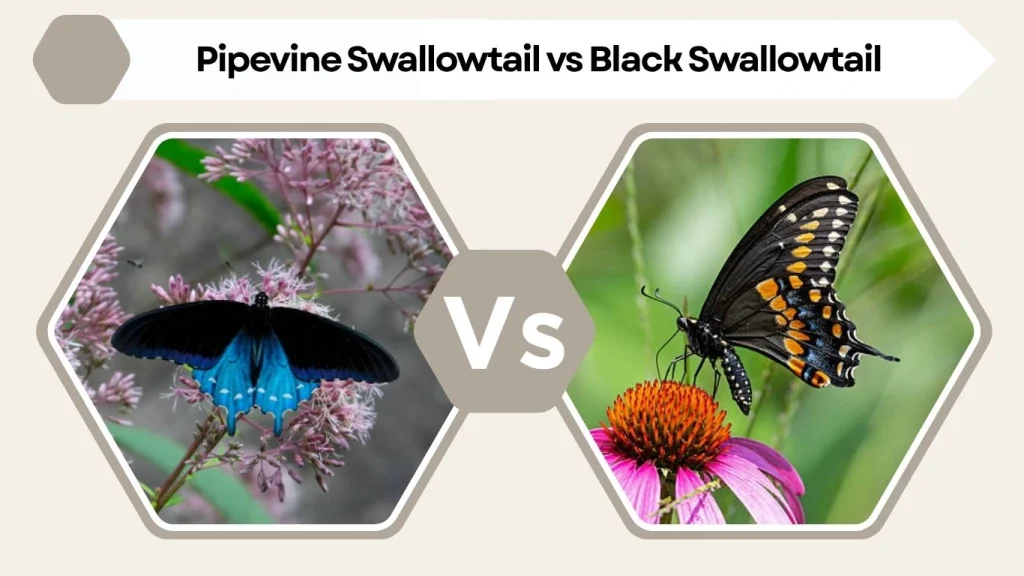
The pipevine swallowtail is sometimes confused with the black swallowtail because both species have dark-colored wings. However, several important differences help distinguish them.
| Feature | Pipevine Swallowtail | Black Swallowtail |
| Wing Color | Black with blue iridescence | Black with yellow markings |
| Caterpillar Appearance | Dark with orange spikes | Green with black bands |
| Host Plant | Pipevine species | Parsley family plants |
| Toxicity | Toxic to predators | Less toxic |
| Flight Style | Smooth gliding | Faster fluttering |
One of the easiest ways to distinguish these butterflies is by wing coloration. Pipevine swallowtails display metallic blue hind wings, while black swallowtails have more noticeable yellow spots and bands.
The caterpillars also look completely different. Pipevine swallowtail caterpillars are dark with fleshy orange spikes, whereas black swallowtail caterpillars are green with striped patterns.
Pipevine Swallowtail Behavior
The pipevine swallowtail displays several unique behaviors related to feeding, movement, and predator defense.
Flight Pattern
Pipevine swallowtails are known for their slow and graceful flight. Their broad wings allow them to glide smoothly between flowers and host plants.
Compared to smaller butterflies, their movement appears more controlled and elegant. Males often patrol open areas searching for females during mating season.
Feeding Behavior
Adult butterflies spend much of their time feeding on nectar-rich flowers. They use their long proboscis to reach deep into blossoms and extract nectar efficiently.
They are especially attracted to brightly colored flowers and may visit gardens repeatedly when food sources are abundant.
Defense Behavior
One of the most important defense strategies of the pipevine swallowtail is its toxicity. Because the caterpillars absorb chemicals from pipevine plants, both larvae and adults become unpleasant to many predators.
Their dark coloration combined with blue iridescence acts as a warning signal, helping predators recognize them as a potentially toxic food source.
Predators and Survival
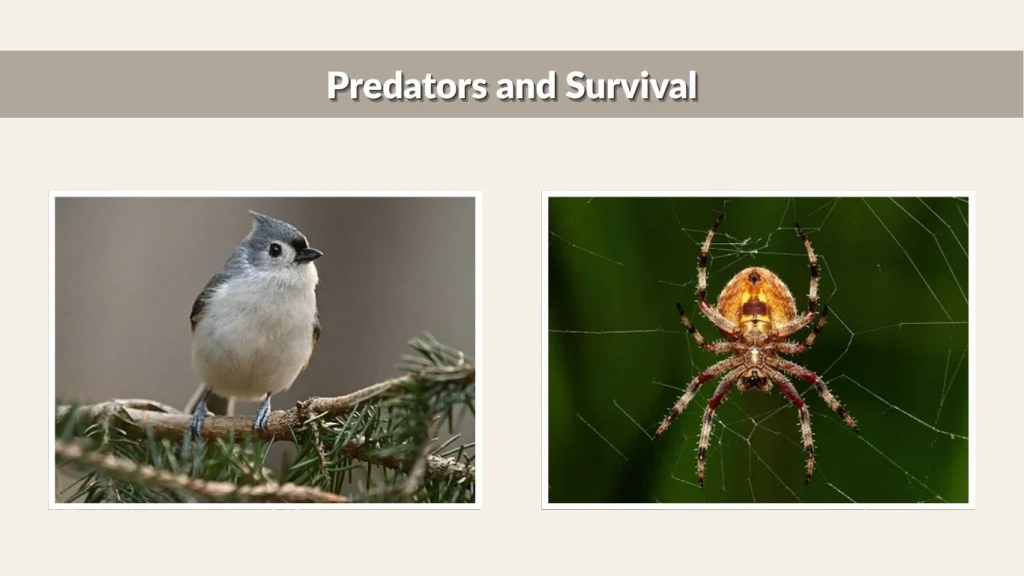
Although the pipevine swallowtail has chemical defenses, it still faces several natural threats in the wild.
- Birds
- Spiders
- Praying mantises
- Habitat destruction
- Pesticide exposure
Young caterpillars are particularly vulnerable before they fully develop protective toxin levels. Eggs and chrysalises may also be attacked by insects and predators.
Habitat loss is another growing threat because the butterfly depends heavily on specific host plants. Removing native vegetation or excessive pesticide use can reduce local populations significantly.
Interesting Facts About Pipevine Swallowtail
The pipevine swallowtail has several fascinating adaptations that make it one of the most interesting butterflies in North America.
- Toxic chemicals protect it from many predators
- Other butterfly species mimic its appearance for protection
- Blue wing coloration changes in sunlight
- Important pollinator for flowering plants
- Young caterpillars often feed in groups
One particularly interesting fact is that other butterflies sometimes imitate the pipevine swallowtail’s appearance to discourage predators. This form of protective mimicry helps non-toxic species avoid being eaten.
Its shimmering blue wing coloration can also appear different depending on lighting and viewing angle, making the butterfly especially striking in sunlight.
How to Attract Pipevine Swallowtails
Creating a butterfly-friendly environment can encourage pipevine swallowtails to visit gardens and outdoor spaces.
Plants to Grow
Planting the right flowers and host plants is the most important step for attracting these butterflies.
Helpful plants include:
- Dutchman’s pipe
- Virginia snakeroot
- Lantana
- Milkweed
- Phlox and native wildflowers
Host plants allow females to lay eggs, while nectar flowers provide food for adults.
Habitat Tips
Maintaining a natural and pesticide-free environment greatly improves the chances of attracting pipevine swallowtails.
Providing sunny areas, flowering plants, and shallow water sources creates ideal butterfly habitat conditions. Avoiding chemical pesticides is especially important because caterpillars and adult butterflies are sensitive to toxins.
A diverse garden with native plants can support not only pipevine swallowtails but many other beneficial pollinators as well.
FAQs
What is a pipevine swallowtail?
The pipevine swallowtail is a dark-colored butterfly with iridescent blue hind wings known for its connection to pipevine host plants and natural chemical defenses.
Are pipevine swallowtails poisonous?
They contain toxic chemicals absorbed from pipevine plants, which help protect both caterpillars and adults from predators.
What do pipevine swallowtail caterpillars eat?
The caterpillars feed mainly on pipevine species such as Dutchman’s pipe and Virginia snakeroot.
Where are pipevine swallowtails found?
They are commonly found across parts of North and Central America, especially in warm regions where host plants grow naturally.
How do you attract pipevine swallowtails?
Planting pipevine host plants and nectar-rich flowers while avoiding pesticides can help attract these butterflies to gardens.