
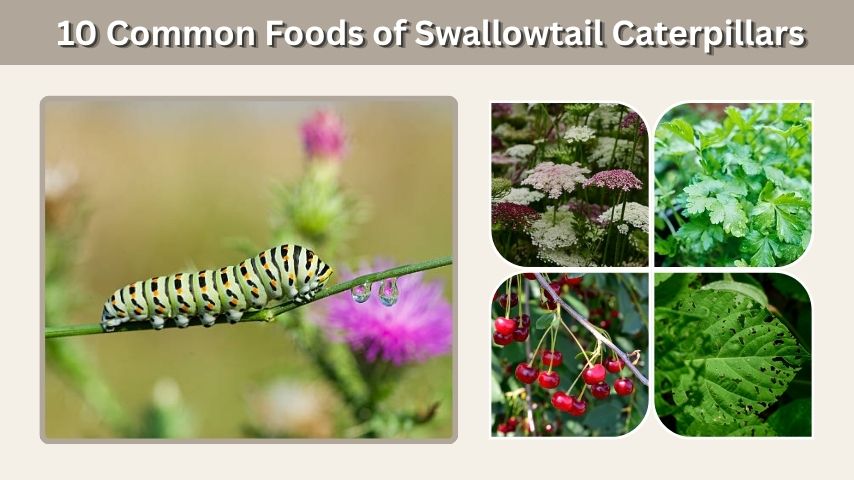
Swallowtail caterpillars are picky eaters compared with many garden insects. They do not simply chew on any leaf they find. Instead, each swallowtail species depends on specific host plants where adult butterflies lay eggs and young caterpillars feed. Knowing these foods helps gardeners identify caterpillars correctly, protect butterfly habitat, and grow plants that support the full swallowtail life cycle.
Why Swallowtail Caterpillars Need Host Plants
Swallowtail caterpillars feed on host plants, not nectar flowers. Adult butterflies drink nectar, but caterpillars need leaves, stems, and tender plant parts that match their biology. A female swallowtail usually lays eggs only on plants her caterpillars can eat.
Some swallowtail caterpillars eat herbs from the carrot family, while others depend on trees, shrubs, or vines. This is why a caterpillar found on parsley may be a black swallowtail, while one on spicebush may belong to the spicebush swallowtail.
Host Plants vs Nectar Plants
A host plant is a plant that supports the caterpillar stage. A nectar plant feeds the adult butterfly. Both are useful in a butterfly garden, but they do different jobs.
For example, zinnias, lantana, and milkweed flowers may attract adult butterflies for nectar. However, a swallowtail caterpillar cannot always survive on those leaves. It needs the correct host plant.
Why Identification Matters
Before moving or feeding a caterpillar, identify the species if possible. A swallowtail caterpillar taken from dill may not survive if placed on citrus leaves. Likewise, a giant swallowtail caterpillar may need citrus or related plants, not parsley.
1. Parsley
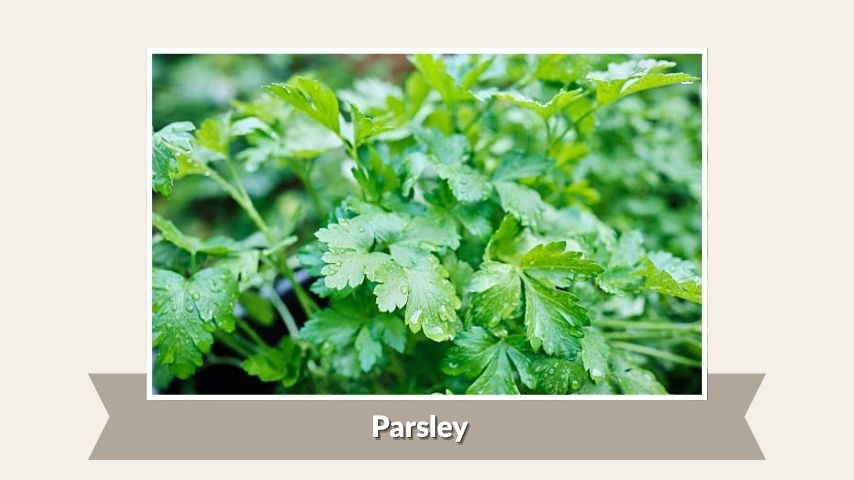
Parsley is one of the best-known foods for black swallowtail caterpillars. Gardeners often discover striped green, black, and yellow caterpillars feeding on parsley leaves in late spring or summer.
Parsley belongs to the carrot family, which includes many plants used by black swallowtail larvae. Flat-leaf and curly parsley can both attract egg-laying females.
Why Caterpillars Like Parsley
Parsley has soft, leafy growth that young caterpillars can chew easily. It is also common in home gardens, making it one of the most noticed host plants.
If you want to support swallowtails, plant extra parsley. One or two caterpillars can eat a surprising amount as they grow.
2. Dill
Dill is another favorite food of black swallowtail caterpillars. Its feathery leaves are easy for small caterpillars to feed on, and adult butterflies often find it quickly in herb gardens.
Dill is especially useful because it grows fast. Even if caterpillars eat heavily, the plant may continue producing new growth for a time.
Tips for Growing Dill for Caterpillars
Dill does best in sunny areas with well-drained soil. Because it can bolt quickly in hot weather, succession planting helps keep fresh leaves available.
Useful tips include:
- Plant dill in groups instead of single stems.
- Avoid pesticides on herb plants.
- Let some dill flower and reseed.
- Grow extra plants for both kitchen use and caterpillars.
3. Fennel
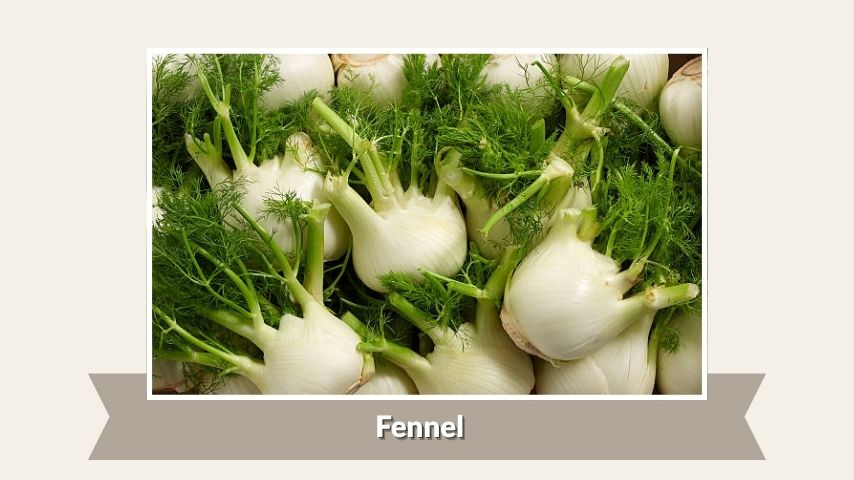
Fennel is one of the most reliable swallowtail caterpillar foods in many gardens. Black swallowtail caterpillars commonly feed on fennel leaves, especially bronze fennel and sweet fennel.
The soft, threadlike leaves provide plenty of food, and the plant’s tall growth makes caterpillars easy to spot.
Fennel as a Butterfly Garden Plant
Fennel can become large, so give it enough space. It is often better to grow it in a dedicated butterfly area rather than a small herb bed.
Many gardeners keep fennel mainly for swallowtails. When caterpillars appear, the plant may look damaged, but this is part of its purpose in a wildlife-friendly garden.
4. Carrot Tops
Carrot tops can also feed black swallowtail caterpillars. Since carrots are in the same plant family as parsley, dill, and fennel, their leafy tops can support caterpillar growth.
This food source is sometimes overlooked because gardeners focus on the root crop. However, the green tops are what caterpillars eat.
When Caterpillars Use Carrots
Swallowtail caterpillars may appear on carrot plants when the leafy growth is mature enough to provide food. They usually chew the foliage rather than harming the underground carrot directly.
If you grow carrots and want butterflies, consider leaving a few plants for caterpillars instead of removing every chewed leaf.
5. Queen Anne’s Lace
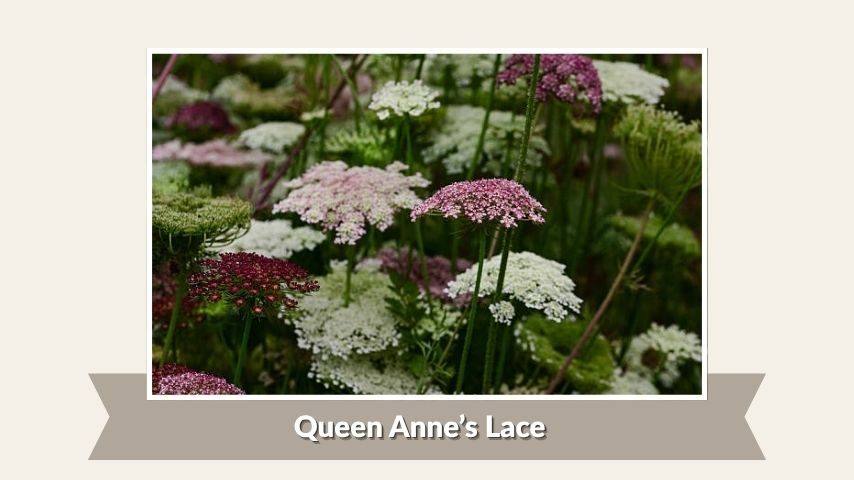
Queen Anne’s lace is a wild relative of carrot and another common food for black swallowtail caterpillars. It grows in fields, roadsides, meadows, and disturbed areas.
Because it is a wild plant, it can support swallowtails outside formal gardens. Caterpillars feeding on Queen Anne’s lace may be less noticeable than those on garden herbs.
A Wild Host Plant
Queen Anne’s lace can be valuable for butterflies, but gardeners should manage it carefully. It may spread freely in some areas, and it can be confused with toxic look-alike plants.
Never eat or handle wild carrot relatives unless you are certain of their identification. For caterpillar support, it is best used where it already grows safely and legally.
6. Rue
Common rue is a strong-smelling herb that can serve as a host plant for black swallowtails and giant swallowtails. It has blue-green leaves and a bitter scent that many mammals avoid.
Rue is useful because it is perennial in many areas and can return year after year. This makes it a dependable plant for gardeners who want a long-term swallowtail host.
Handling Rue Safely
Rue can irritate skin, especially when touched in sunlight. Wear gloves when pruning or handling it. Plant it away from paths where children or pets may brush against it.
Despite this caution, rue can be a helpful host plant when grown responsibly.
7. Citrus Leaves
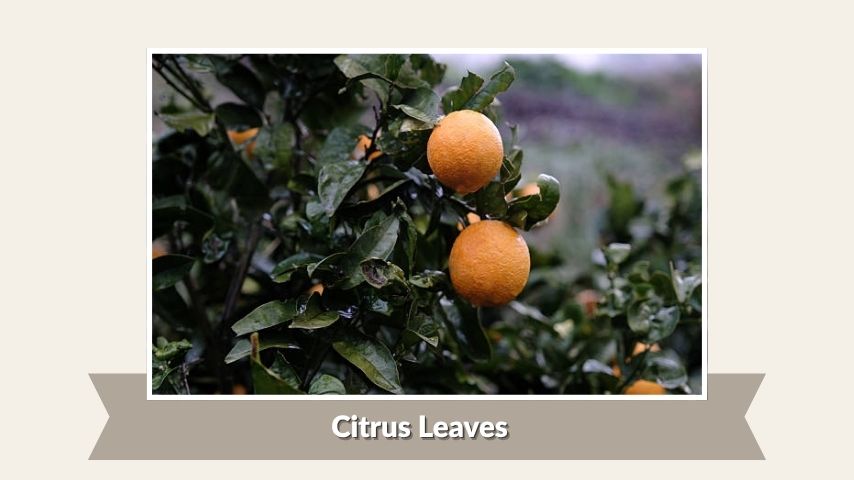
Citrus leaves are a major food source for giant swallowtail caterpillars. Orange, lemon, lime, grapefruit, and related citrus trees may all attract egg-laying females in suitable regions.
Giant swallowtail caterpillars often look like bird droppings when young. This camouflage helps protect them from predators while they feed on citrus leaves.
Citrus and Giant Swallowtails
In home gardens, a few caterpillars usually do not seriously harm a mature citrus tree. Young trees, however, may need protection if many caterpillars are present.
If supporting butterflies is your goal, allow some feeding on healthy trees while protecting small or stressed plants from heavy damage.
8. Spicebush
Spicebush is the main host plant for spicebush swallowtail caterpillars. These caterpillars are famous for their large eyespots, which make them look like tiny snakes or tree frogs.
Spicebush is a native shrub in many eastern North American landscapes. It grows well in woodland edges, naturalized gardens, and moist areas.
Why Spicebush Is Valuable
Spicebush supports caterpillars while also providing ornamental value. Its leaves, shape, and seasonal color make it useful in native gardens.
Spicebush swallowtail caterpillars often fold leaves around themselves for shelter. If you see a folded leaf on spicebush, check gently before pruning.
9. Wild Cherry
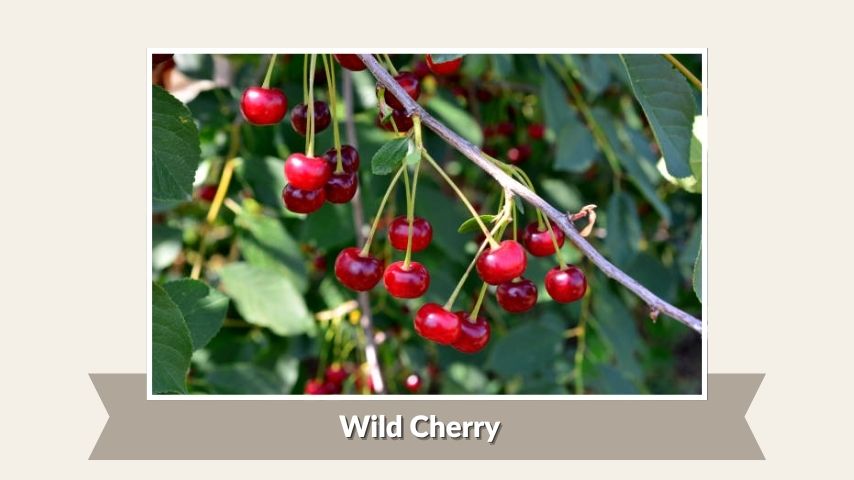
Wild cherry is a common host plant for eastern tiger swallowtail caterpillars. Tiger swallowtails use several trees, and wild cherry is one of the important ones.
Unlike black swallowtails, tiger swallowtail caterpillars are usually found on woody plants rather than garden herbs.
Tree Leaves as Caterpillar Food
Tree-feeding swallowtail caterpillars may be harder to notice because they live above eye level. Their feeding damage is usually minor on healthy trees.
Common tree hosts for some swallowtails include:
- Wild cherry
- Birch
- Willow
- Ash
- Cottonwood
- Tulip tree
These trees can support caterpillars while also providing shade, nesting habitat, and food for other wildlife.
10. Pipevine
Pipevine is the host plant for pipevine swallowtail caterpillars. These caterpillars feed on plants in the pipevine group, also known as Aristolochia.
Pipevine swallowtail caterpillars are often dark-colored with fleshy projections. The plants they eat contain chemicals that help make the caterpillars and adult butterflies less appealing to predators.
Choosing the Right Pipevine
Gardeners should choose pipevine species carefully. Native pipevines are usually the safest choice for supporting local pipevine swallowtails. Some ornamental tropical pipevines may not be suitable for native caterpillars in certain regions.
When planting pipevine, select species recommended for your area and avoid invasive choices.
Common Swallowtail Caterpillar Foods at a Glance
Different swallowtail species need different plants. This table gives a quick overview of common foods and the swallowtails often linked with them.
| Caterpillar Food | Common Swallowtail Type | Plant Type |
|---|---|---|
| Parsley | Black swallowtail | Herb |
| Dill | Black swallowtail | Herb |
| Fennel | Black swallowtail | Herb |
| Carrot tops | Black swallowtail | Vegetable foliage |
| Queen Anne’s lace | Black swallowtail | Wildflower |
| Rue | Black and giant swallowtail | Herb/shrub |
| Citrus leaves | Giant swallowtail | Tree |
| Spicebush | Spicebush swallowtail | Shrub |
| Wild cherry | Tiger swallowtail | Tree |
| Pipevine | Pipevine swallowtail | Vine |
How to Feed Swallowtail Caterpillars Safely
If you are raising swallowtail caterpillars or protecting them in the garden, food quality matters. Caterpillars are sensitive to chemicals and plant changes.
Use Fresh, Unsprayed Leaves
Always provide leaves from plants that have not been treated with pesticides. Even products labeled for garden use can harm caterpillars.
Fresh leaves are better than wilted ones. Replace old leaves regularly if you are raising caterpillars in a container.
Keep Them on the Same Host Plant
A caterpillar usually does best on the same type of plant where it was found. If it was on dill, continue feeding dill or a closely related host such as parsley or fennel. Do not switch it to an unrelated plant unless you know the species can use it.
Avoid Overhandling
Caterpillars are delicate. Move them only when necessary, and use a soft brush or leaf rather than your fingers.
Signs Caterpillars Are Eating Well
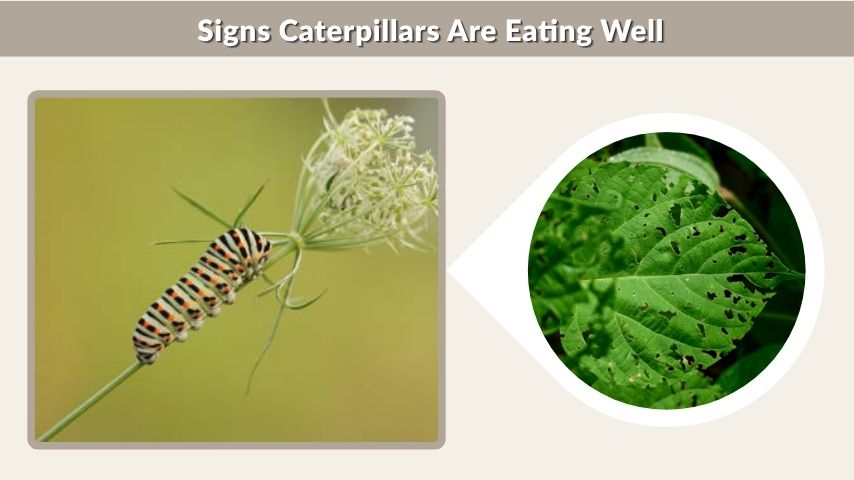
Healthy swallowtail caterpillars usually feed often, grow quickly, and shed their skin as they move through growth stages. They may rest between feeding periods, so stillness does not always mean something is wrong.
Look for these signs:
- Fresh chewing marks on leaves
- Droppings, called frass, below the feeding area
- A plump body shape
- Regular growth over several days
- Normal color for the species
Before forming a chrysalis, a caterpillar may stop eating and wander. This is normal and means it is searching for a safe place to pupate.
FAQs
What do swallowtail caterpillars eat most often?
Swallowtail caterpillars most often eat the leaves of specific host plants. Black swallowtails commonly feed on parsley, dill, fennel, carrot tops, Queen Anne’s lace, and rue. Other species may need citrus, spicebush, wild cherry, pipevine, or related plants.
Can swallowtail caterpillars eat lettuce?
No, lettuce is not a proper food for most swallowtail caterpillars. They need their specific host plants to survive. A black swallowtail on parsley should be fed parsley, dill, fennel, carrot tops, or another suitable carrot-family plant, not lettuce.
Will swallowtail caterpillars kill my herbs?
A few swallowtail caterpillars may heavily chew parsley, dill, or fennel, but they usually do not cause permanent garden damage. Planting extra herbs is the easiest solution. Many gardeners grow separate plants just for caterpillars.
Why are swallowtail caterpillars on my citrus tree?
Caterpillars on citrus trees may be giant swallowtail larvae. Young giant swallowtail caterpillars often resemble bird droppings, which helps protect them from predators. They feed on citrus leaves and related plants, especially in areas where giant swallowtails are common.
Should I remove swallowtail caterpillars from my plants?
You do not need to remove them unless the plant is very small or heavily damaged. Swallowtail caterpillars become beautiful butterflies and are part of a healthy garden ecosystem. If needed, move them carefully to the same type of host plant.