
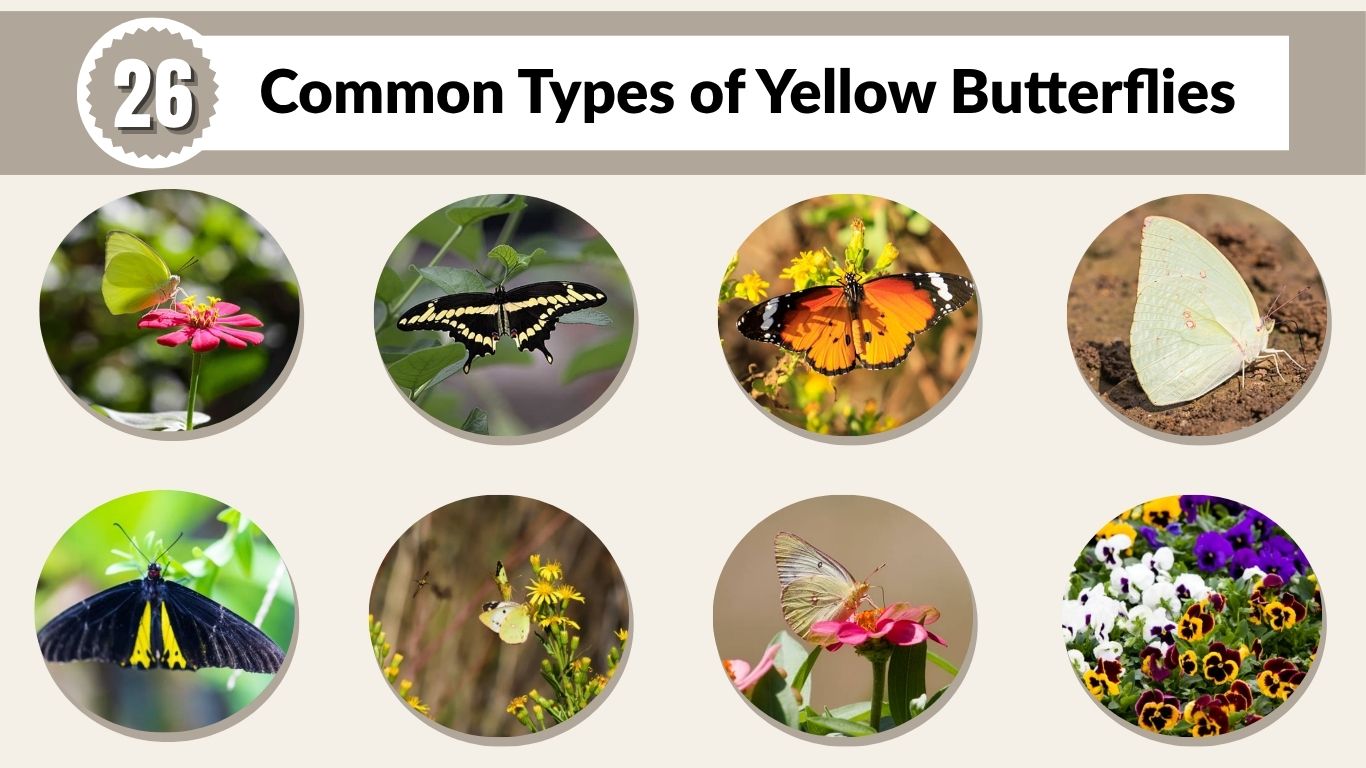
Yellow butterflies are among the most beautiful and recognizable insects found in nature. Their bright wings add color and movement to gardens, forests, meadows, and tropical landscapes around the world. These butterflies belong to several different species, each with unique patterns, habitats, and behaviors. Some are famous for seasonal migrations, while others are admired for their striking wing designs and graceful flight. From tiny grass yellows to giant swallowtails, yellow butterflies play an important role in pollination and healthy ecosystems. This guide explores 26 common types of yellow butterflies and their key characteristics.
1. Cloudless Sulphur
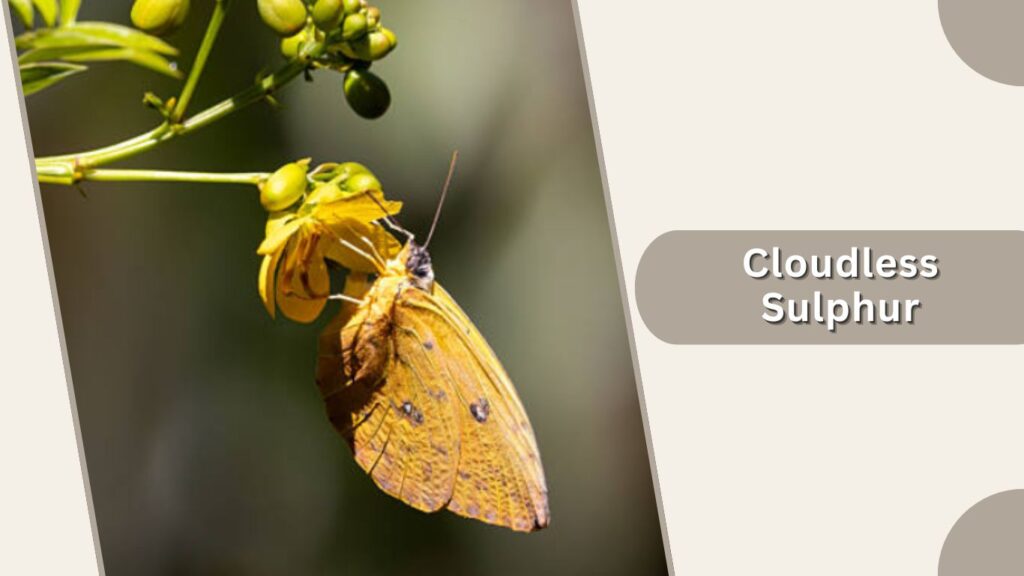
The Cloudless Sulphur is a bright yellow butterfly commonly found in gardens, open fields, and tropical environments. It is known for its strong flight and vibrant coloration, making it one of the most recognizable yellow butterflies in North America. This species is active during warm seasons and is often seen feeding on flower nectar.
Identification
- Scientific name: Phoebis sennae
- Bright lemon-yellow wings in males
- Females may show pale spots or darker markings
- Wings are long and slightly pointed
- Underside of the wings appears yellow-green
- Wingspan usually ranges from 2.5 to 3.5 inches
- Fast and powerful flying behavior
Habitat and Distribution
Cloudless Sulphur butterflies are widely distributed across North America, Central America, and South America. They prefer warm habitats such as gardens, roadsides, meadows, parks, and open woodlands. These butterflies are especially common in tropical and subtropical regions with abundant flowering plants.
Behavior and Diet
These butterflies feed mainly on nectar from colorful flowers such as lantana, hibiscus, and petunias. Caterpillars feed on plants from the cassia family. Cloudless Sulphurs are active daytime fliers and are often seen migrating in large numbers during seasonal changes.
Lifecycle
The female lays eggs on host plants where caterpillars hatch and begin feeding immediately. The caterpillar grows through several stages before forming a chrysalis. Adult butterflies emerge after metamorphosis and continue the reproductive cycle during warm weather conditions.
2. Orange-Barred Sulphur
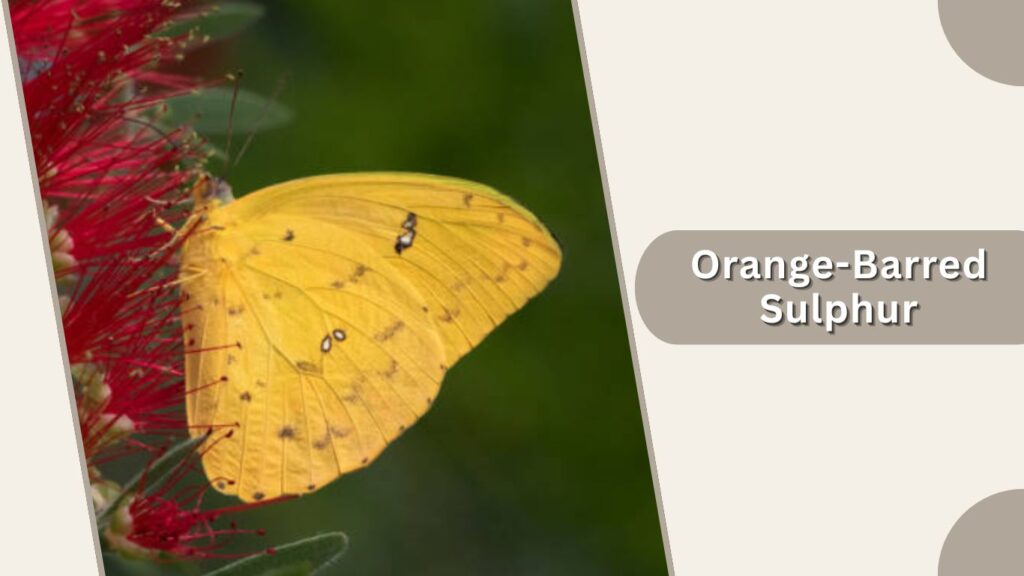
The Orange-Barred Sulphur is a large yellow butterfly known for its bright coloration and graceful flight. It is commonly found in tropical and subtropical regions where flowering plants are abundant. This butterfly is especially active during warm months and is often seen visiting gardens and open landscapes.
Identification
- Scientific name: Phoebis philea
- Bright yellow wings with orange patches on the upper side
- Females usually have darker markings than males
- Wings are broad and slightly elongated
- Underside of the wings may show pale brown or pinkish spots
- Wingspan typically ranges from 3 to 4 inches
- Strong and fast flying butterfly
Habitat and Distribution
Orange-Barred Sulphur butterflies are widely found across the Caribbean, Central America, South America, and the southern United States. They prefer warm habitats such as gardens, forests, meadows, roadsides, and coastal regions. These butterflies are especially common in tropical environments with abundant nectar plants.
Behavior and Diet
Adults feed mainly on nectar from flowering plants including lantana, bougainvillea, and hibiscus. Caterpillars feed on cassia and related host plants. These butterflies are active during the daytime and are often seen flying long distances in search of food and breeding areas.
Lifecycle
Females lay eggs on host plants where the caterpillars hatch and begin feeding on leaves. The caterpillar passes through several growth stages before forming a chrysalis. Adult butterflies emerge after metamorphosis and continue the reproductive cycle during warm seasons.
3. Sleepy Orange
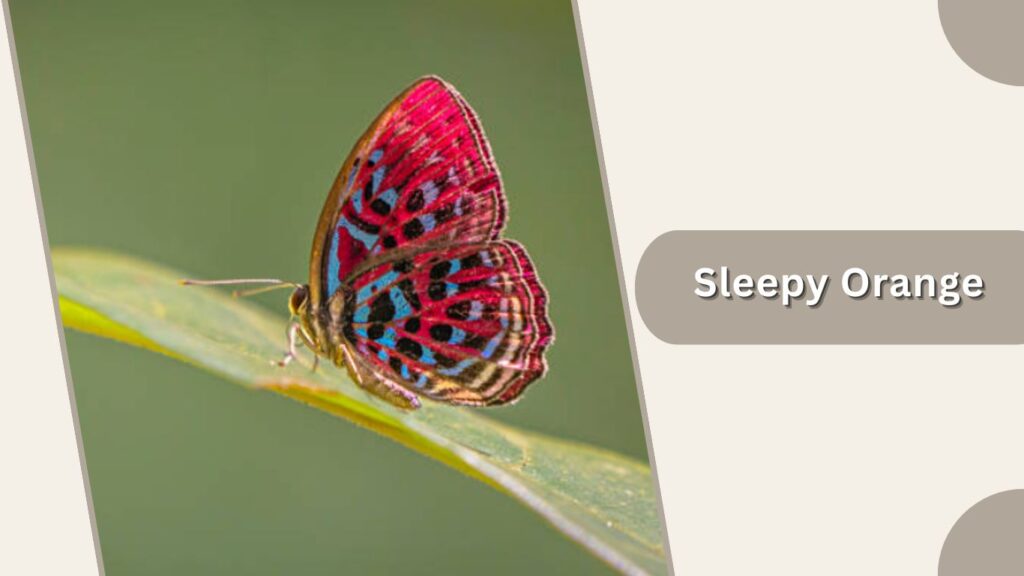
The Sleepy Orange is a small yellow-orange butterfly recognized for its warm coloration and quick flight patterns. It is commonly found in sunny open habitats where flowers and host plants are abundant. This butterfly gets its name from the closed-wing pattern that resembles a sleeping leaf.
Identification
- Scientific name: Abaeis nicippe
- Bright orange-yellow wings with black borders
- Females often appear paler than males
- Underside of the wings shows rusty brown markings
- Small and slender butterfly body
- Wingspan usually ranges from 1.5 to 2.5 inches
- Rapid and fluttering flight behavior
Habitat and Distribution
Sleepy Orange butterflies are widely distributed across the southern United States, Central America, and parts of South America. They prefer warm habitats such as gardens, meadows, roadsides, open woodlands, and grassy fields. These butterflies are especially common in areas with abundant sunlight and flowering plants.
Behavior and Diet
Adults feed mainly on nectar from small flowers including asters, lantana, and clover. Caterpillars feed on plants from the cassia family. Sleepy Orange butterflies are active during the daytime and are often seen flying low over vegetation in search of nectar and mates.
Lifecycle
Females lay eggs on host plants where caterpillars hatch and begin feeding on leaves. The caterpillar develops through several stages before forming a chrysalis attached to vegetation. Adult butterflies emerge after metamorphosis and continue the reproductive cycle during warm weather conditions.
4. Little Yellow

The Little Yellow is a small bright yellow butterfly commonly seen fluttering close to the ground in sunny habitats. It is known for its delicate appearance and fast flight patterns. This butterfly is widespread in warm regions and is often spotted in gardens, grassy fields, and roadside vegetation.
Identification
- Scientific name: Eurema lisa
- Bright yellow wings with dark outer borders
- Small and slender butterfly body
- Underside of the wings may appear pale yellow or greenish
- Females sometimes have heavier dark markings than males
- Wingspan usually ranges from 1 to 1.5 inches
- Quick and erratic flying behavior
Habitat and Distribution
Little Yellow butterflies are widely distributed across North America, Central America, South America, and the Caribbean. They prefer open sunny habitats such as meadows, gardens, grasslands, roadsides, and agricultural areas. These butterflies are especially common in warm climates with abundant low-growing plants.
Behavior and Diet
Adults feed mainly on nectar from small flowering plants including clover, asters, and wildflowers. Caterpillars feed on legumes and plants from the pea family. Little Yellow butterflies are active during the daytime and are often seen flying low over grassy vegetation.
Lifecycle
Females lay eggs on suitable host plants where caterpillars hatch and begin feeding on leaves. The caterpillar passes through several growth stages before forming a chrysalis attached to vegetation. Adult butterflies emerge after metamorphosis and continue the breeding cycle during warm seasons.
5. Dainty Sulphur
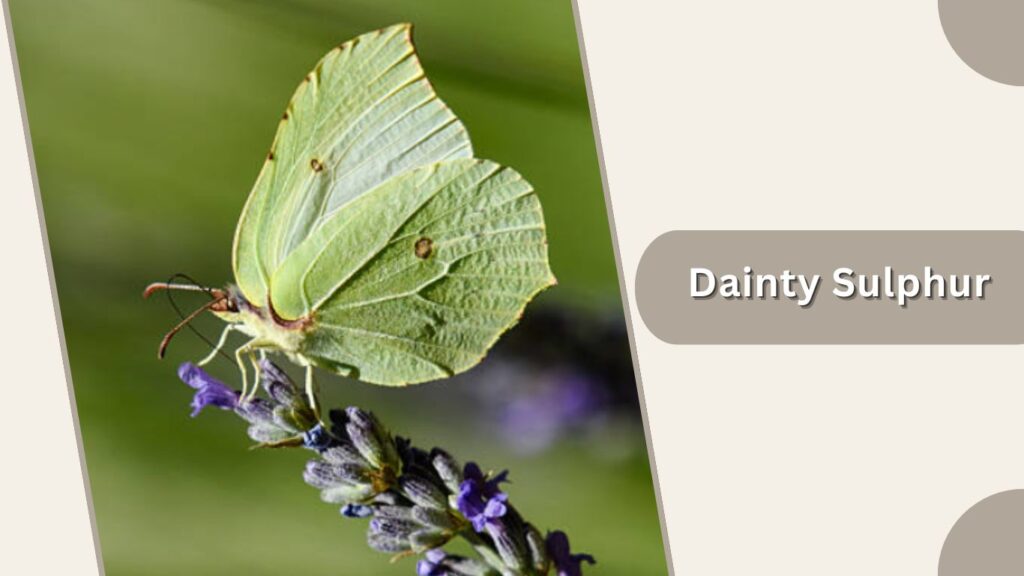
The Dainty Sulphur is one of the smallest yellow butterflies commonly found in warm and open habitats. It is admired for its delicate appearance, soft yellow coloration, and graceful fluttering flight. This species is often seen near wildflowers and low vegetation during sunny weather.
Identification
- Scientific name: Nathalis iole
- Small pale yellow wings with black markings
- Forewings often show orange or brown patterns near the tips
- Underside of the wings appears yellow-green
- Slender butterfly body
- Wingspan usually ranges from 0.75 to 1.25 inches
- Light and fluttering flight behavior
Habitat and Distribution
Dainty Sulphur butterflies are widely distributed across the southern United States, Central America, and parts of South America. They prefer dry open habitats such as grasslands, gardens, roadsides, desert edges, and meadows. These butterflies are most common in warm climates with abundant flowering plants.
Behavior and Diet
Adults feed mainly on nectar from small flowers including asters, daisies, and other wildflowers. Caterpillars feed on low-growing plants in the aster family. Dainty Sulphurs are active during the daytime and are usually seen flying close to the ground in sunny areas.
Lifecycle
Females lay eggs on suitable host plants where caterpillars hatch and begin feeding on leaves. The caterpillar develops through several stages before forming a small chrysalis attached to vegetation. Adult butterflies emerge after metamorphosis and continue the reproductive cycle during warm weather conditions.
6. Southern Dogface
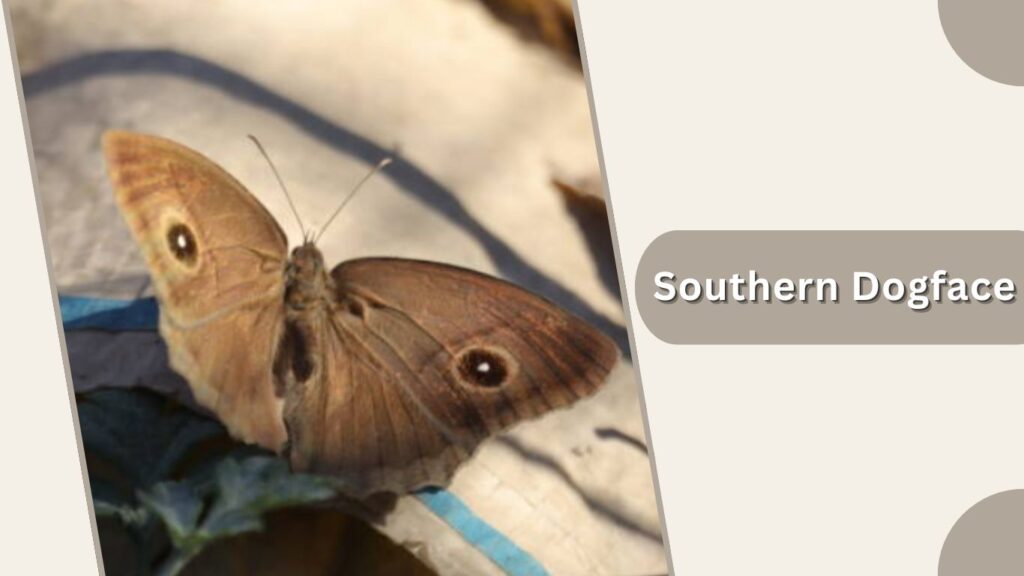
The Southern Dogface is a striking yellow butterfly known for the unique dog-face pattern visible on the upper wings of males. It is commonly found in open sunny habitats and is admired for its bright coloration and fast flight. This butterfly is especially active during warm months in southern regions.
Identification
- Scientific name: Zerene cesonia
- Bright yellow wings with black borders
- Male forewings display a dark pattern resembling a dog’s face
- Hindwings may show orange or yellow shading
- Underside of the wings often has pink or purplish markings
- Wingspan usually ranges from 2 to 2.5 inches
- Fast and energetic flight behavior
Habitat and Distribution
Southern Dogface butterflies are widely distributed across the southern United States, Mexico, and Central America. They prefer open habitats such as fields, grasslands, roadsides, gardens, and desert areas. These butterflies are commonly seen in sunny locations with flowering plants and low vegetation.
Behavior and Diet
Adults feed mainly on nectar from flowers including verbena, alfalfa, and clover. Caterpillars feed on plants from the legume family. Southern Dogface butterflies are active during the daytime and are often seen flying rapidly across open spaces in search of nectar and mates.
Lifecycle
Females lay eggs on host plants where caterpillars hatch and begin feeding on leaves. The caterpillar grows through several developmental stages before forming a chrysalis attached to vegetation. Adult butterflies emerge after metamorphosis and continue the breeding cycle during warm weather conditions.
7. Large Orange Sulphur
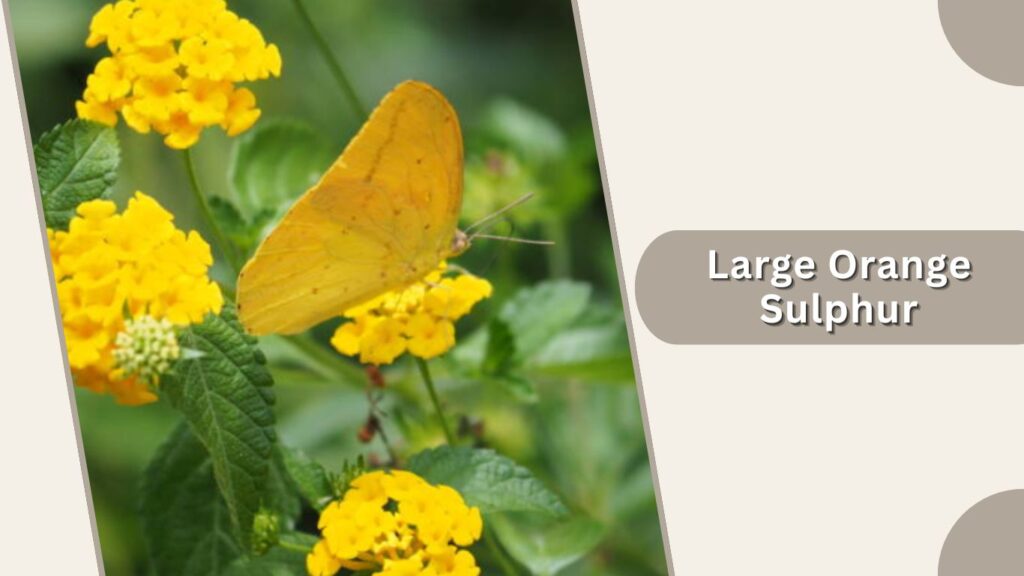
The Large Orange Sulphur is a colorful yellow-orange butterfly commonly found in open grasslands and sunny fields. It is known for its bright wing patterns and active daytime flight. This butterfly is often seen feeding on flowers in warm regions during spring and summer.
Identification
- Scientific name: Phoebis agarithe
- Bright orange-yellow wings with darker borders
- Females may appear paler than males
- Wings are broad and slightly rounded
- Underside of the wings often shows light brown or pinkish spots
- Wingspan usually ranges from 2.5 to 3.5 inches
- Strong and fast flying butterfly
Habitat and Distribution
Large Orange Sulphur butterflies are commonly found across the southern United States, Central America, South America, and the Caribbean. They prefer warm habitats such as gardens, meadows, grasslands, open forests, and roadside vegetation. These butterflies are especially common in tropical and subtropical environments.
Behavior and Diet
Adults feed mainly on nectar from flowering plants including lantana, hibiscus, and verbena. Caterpillars feed on plants from the cassia family. Large Orange Sulphurs are active during the daytime and are often seen flying long distances between feeding and breeding areas.
Lifecycle
Females lay eggs on host plants where caterpillars hatch and begin feeding on leaves. The caterpillar passes through several stages of growth before forming a chrysalis attached to vegetation. Adult butterflies emerge after metamorphosis and continue the reproductive cycle during warm seasons.
8. Common Grass Yellow
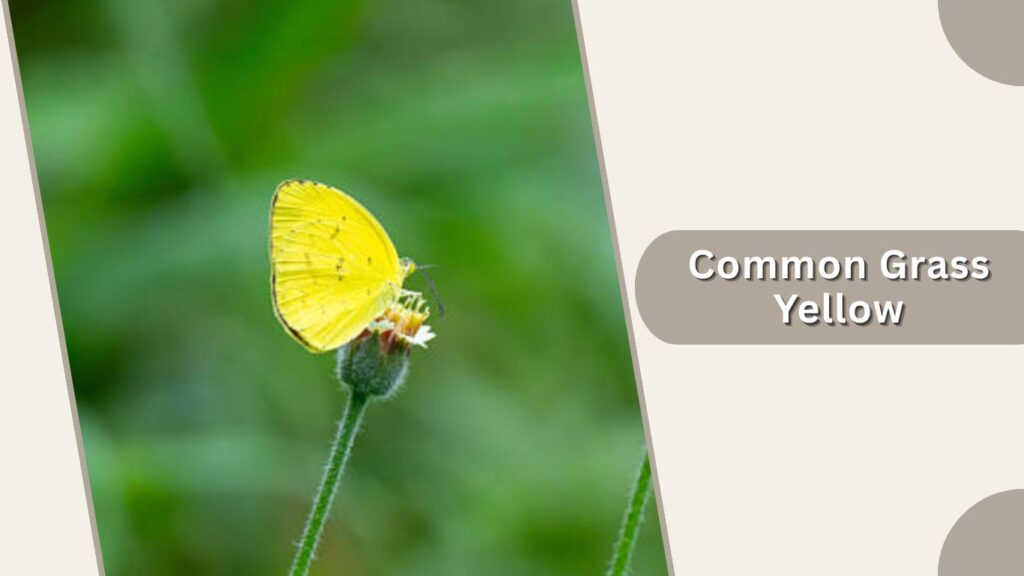
The Common Grass Yellow is a small bright yellow butterfly often seen flying low over grassy areas and gardens. It is known for its rapid fluttering flight and seasonal color variations. This butterfly is widespread in tropical and subtropical regions and is commonly active during sunny weather.
Identification
- Scientific name: Eurema hecabe
- Bright yellow wings with black borders
- Underside of the wings may show brown or greenish markings
- Small and slender butterfly body
- Wings are rounded with smooth edges
- Wingspan usually ranges from 1.5 to 2 inches
- Fast and low fluttering flight behavior
Habitat and Distribution
Common Grass Yellow butterflies are widely distributed across Asia, Africa, Australia, and tropical regions of the Pacific. They prefer open habitats such as gardens, grasslands, farmlands, roadsides, and forest edges. These butterflies are especially common in warm climates with abundant flowering plants.
Behavior and Diet
Adults feed mainly on nectar from small flowers including clover, lantana, and wildflowers. Caterpillars feed on legume plants and related vegetation. Common Grass Yellow butterflies are active during the daytime and are often seen flying close to the ground in search of food and mates.
Lifecycle
Females lay eggs on host plants where caterpillars hatch and begin feeding on leaves. The caterpillar develops through several growth stages before forming a chrysalis attached to vegetation. Adult butterflies emerge after metamorphosis and continue the reproductive cycle during warm weather conditions.
9. Three-Spot Grass Yellow
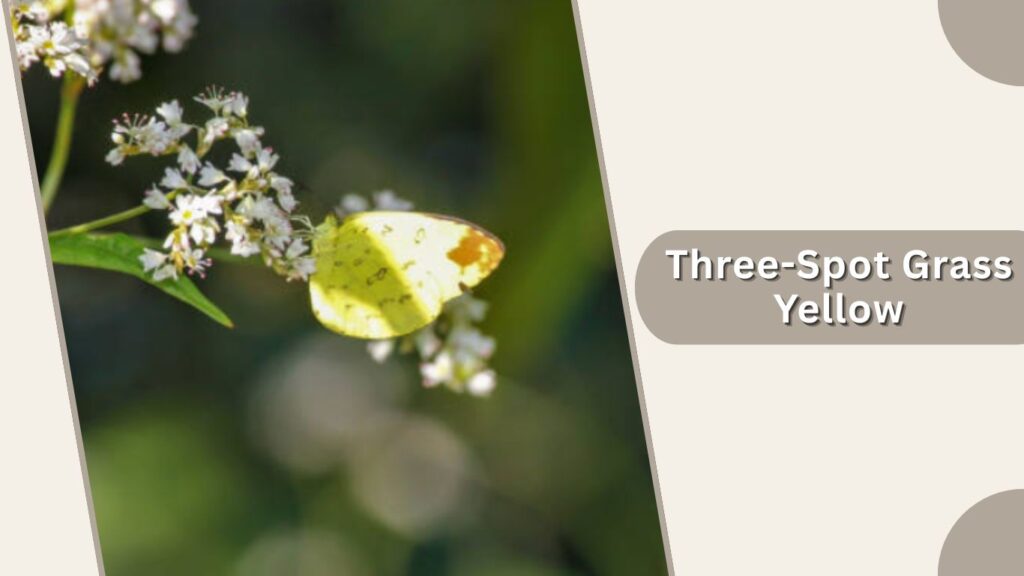
The Three-Spot Grass Yellow is a small yellow butterfly recognized for the tiny dark spots visible on the underside of its wings. It is commonly found in grassy habitats, gardens, and open woodland areas. This butterfly is active during warm weather and is often seen flying close to the ground.
Identification
- Scientific name: Eurema blanda
- Bright yellow wings with thin dark borders
- Three distinct dark spots visible on the underside of the hindwings
- Small and slender butterfly body
- Wings are rounded with smooth edges
- Wingspan usually ranges from 1.5 to 2 inches
- Fast and fluttering low-level flight behavior
Habitat and Distribution
Three-Spot Grass Yellow butterflies are widely distributed across South Asia, Southeast Asia, and nearby tropical regions. They prefer open sunny habitats such as gardens, grasslands, forest edges, roadsides, and agricultural fields. These butterflies are especially common in warm and humid climates.
Behavior and Diet
Adults feed mainly on nectar from small flowering plants including lantana, clover, and wildflowers. Caterpillars feed on legumes and related host plants. Three-Spot Grass Yellow butterflies are active during the daytime and are often seen resting on low vegetation during cloudy weather.
Lifecycle
Females lay eggs on suitable host plants where caterpillars hatch and begin feeding on leaves. The caterpillar grows through several developmental stages before forming a chrysalis attached to vegetation. Adult butterflies emerge after metamorphosis and continue the breeding cycle during warm seasons.
10. Yellow Angled Sulphur
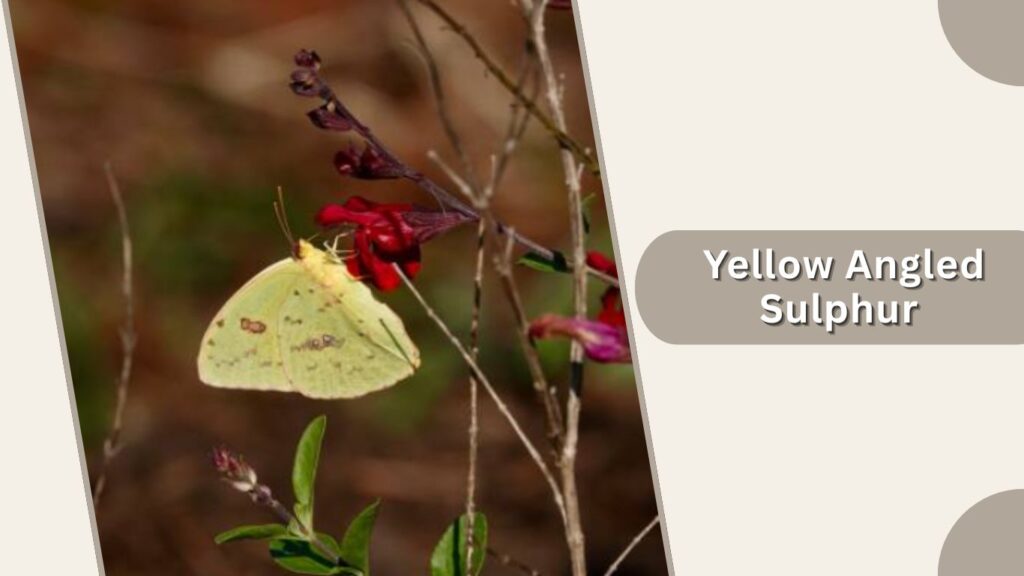
The Yellow Angled Sulphur is a bright yellow butterfly known for its sharply angled wings and graceful flight. It is commonly found in tropical and subtropical habitats where flowering plants are abundant. This butterfly is often active during sunny weather and is frequently seen near gardens and forest edges.
Identification
- Scientific name: Anteos maerula
- Bright yellow wings with pointed angular edges
- Males are usually brighter yellow than females
- Underside of the wings may appear leaf-like with brown markings
- Slender butterfly body
- Wingspan usually ranges from 2.5 to 3 inches
- Strong and fast flying behavior
Habitat and Distribution
Yellow Angled Sulphur butterflies are widely distributed across Central America, South America, the Caribbean, and parts of the southern United States. They prefer warm habitats such as gardens, open forests, roadsides, meadows, and tropical woodlands. These butterflies are especially common in sunny areas with flowering vegetation.
Behavior and Diet
Adults feed mainly on nectar from flowers including hibiscus, lantana, and bougainvillea. Caterpillars feed on plants from the cassia family. Yellow Angled Sulphurs are active daytime butterflies and are often seen flying rapidly across open spaces in search of food and mates.
Lifecycle
Females lay eggs on host plants where caterpillars hatch and begin feeding on leaves. The caterpillar develops through several growth stages before forming a chrysalis attached to vegetation. Adult butterflies emerge after metamorphosis and continue the reproductive cycle during warm weather conditions.
11. Brimstone Butterfly
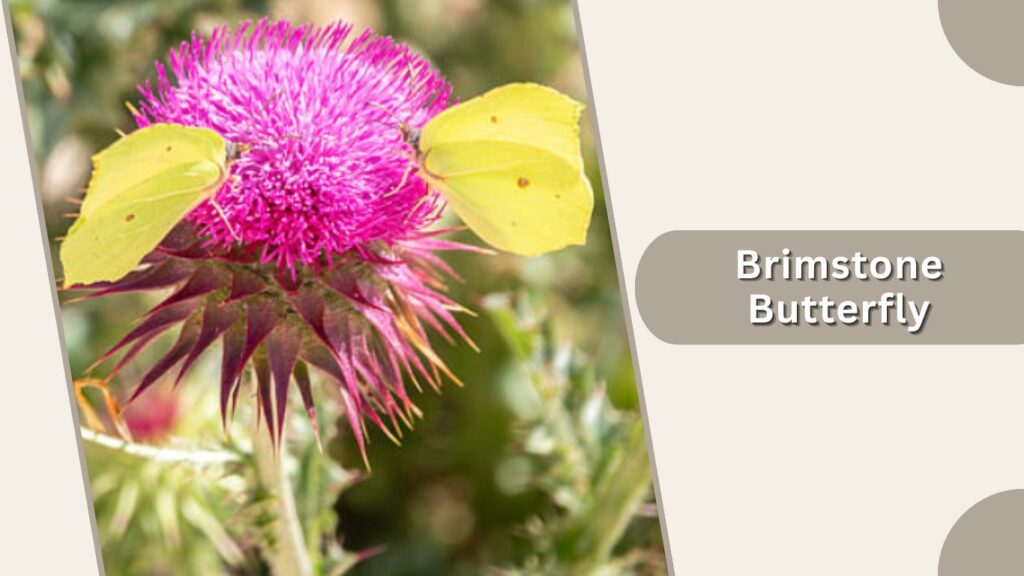
The Brimstone Butterfly is a bright yellow butterfly well known for its leaf-shaped wings and strong flying ability. It is one of the earliest butterflies seen in spring and is commonly associated with woodlands and countryside habitats. This butterfly is admired for its vibrant color and long lifespan.
Identification
- Scientific name: Gonepteryx rhamni
- Bright lemon-yellow wings in males
- Females are usually pale greenish-white
- Wings have pointed leaf-like edges
- Small orange spot visible on each wing
- Wingspan usually ranges from 2 to 2.5 inches
- Slow but powerful flying behavior
Habitat and Distribution
Brimstone Butterflies are widely distributed across Europe, North Africa, and parts of Asia. They prefer woodlands, hedgerows, gardens, meadows, and rural landscapes with abundant shrubs and flowering plants. These butterflies are especially common in temperate regions during spring and summer.
Behavior and Diet
Adults feed mainly on nectar from flowers including thistles, dandelions, and bluebells. Caterpillars feed on buckthorn plants, which serve as their primary host species. Brimstone Butterflies are active during the daytime and are often seen basking in sunlight during cool weather.
Lifecycle
Females lay eggs on buckthorn leaves where caterpillars hatch and begin feeding. The caterpillar grows through several stages before forming a green chrysalis attached to vegetation. Adult butterflies emerge after metamorphosis and may live for several months, including overwintering through colder seasons.
12. Cleopatra Butterfly
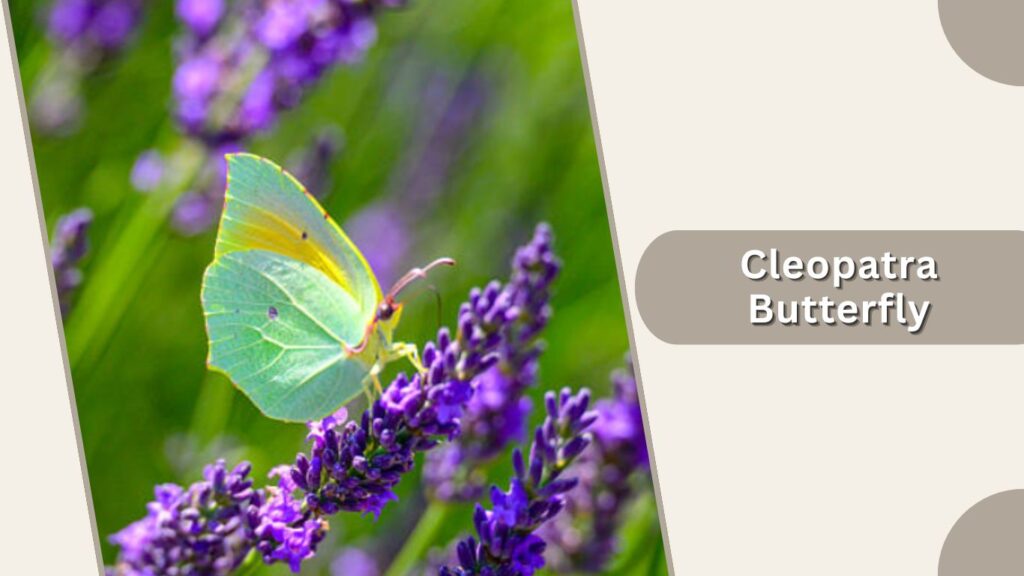
The Cleopatra Butterfly is a striking yellow butterfly famous for its bright coloration and elegant wing shape. It is commonly found in Mediterranean regions where it inhabits sunny woodland areas and gardens. This butterfly is admired for its graceful flight and vibrant appearance during warm seasons.
Identification
- Scientific name: Gonepteryx cleopatra
- Bright yellow wings in males with orange patches on the forewings
- Females are paler yellow-green in color
- Wings have pointed leaf-like edges
- Small reddish spot visible near the center of each wing
- Wingspan usually ranges from 2 to 2.5 inches
- Smooth and gliding flight behavior
Habitat and Distribution
Cleopatra Butterflies are mainly distributed across southern Europe, North Africa, and Mediterranean islands. They prefer warm habitats such as woodlands, gardens, scrublands, and forest edges with abundant flowering plants. These butterflies are especially common in sunny regions with mild climates.
Behavior and Diet
Adults feed mainly on nectar from flowers including lavender, thistles, and wildflowers. Caterpillars feed on buckthorn plants, which are important host species for their development. Cleopatra Butterflies are active during the daytime and are often seen basking in sunlight on warm days.
Lifecycle
Females lay eggs on host plants where caterpillars hatch and begin feeding on leaves. The caterpillar grows through several developmental stages before forming a chrysalis attached to vegetation. Adult butterflies emerge after metamorphosis and continue the reproductive cycle during warm weather conditions.
13. African Clouded Yellow
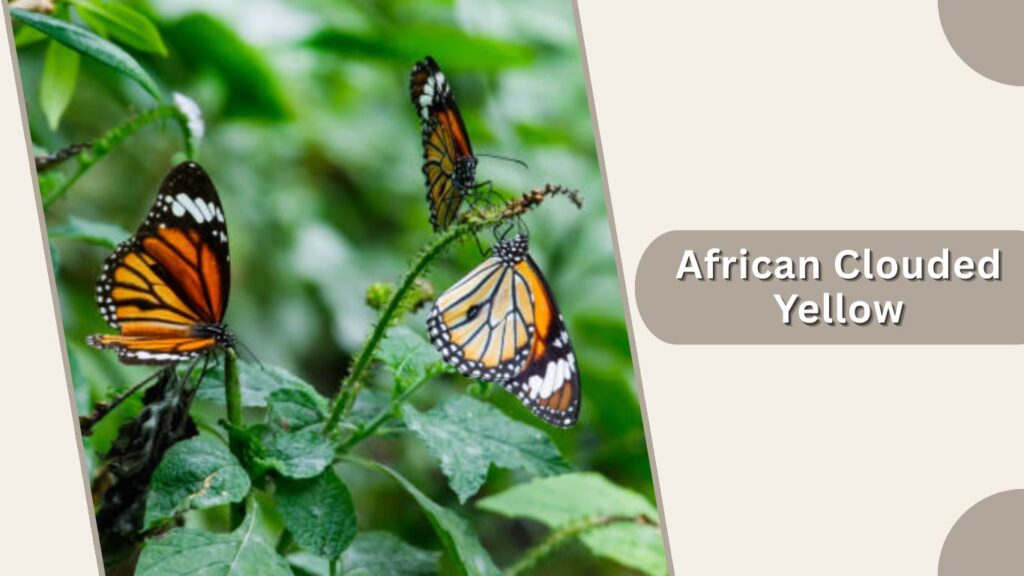
The African Clouded Yellow is a bright yellow butterfly commonly found in grasslands, open fields, and warm countryside habitats. It is known for its energetic flight and seasonal migrations across large distances. This butterfly is widespread in Africa and is often seen feeding on colorful wildflowers during sunny weather.
Identification
- Scientific name: Colias electo
- Bright yellow wings with black outer borders
- Females may show lighter yellow or creamy coloration
- Underside of the wings often has pale greenish tones
- Small silvery spot visible on the hindwings
- Wingspan usually ranges from 1.75 to 2.5 inches
- Fast and active flying behavior
Habitat and Distribution
African Clouded Yellow butterflies are widely distributed across sub-Saharan Africa and nearby tropical regions. They prefer open habitats such as grasslands, meadows, savannas, gardens, and agricultural fields. These butterflies are especially common in warm climates with abundant flowering vegetation.
Behavior and Diet
Adults feed mainly on nectar from wildflowers including clover, lantana, and daisies. Caterpillars feed on legume plants and related vegetation. African Clouded Yellow butterflies are active during the daytime and are often seen flying quickly across open sunny landscapes.
Lifecycle
Females lay eggs on host plants where caterpillars hatch and begin feeding on leaves. The caterpillar develops through several growth stages before forming a chrysalis attached to vegetation. Adult butterflies emerge after metamorphosis and continue the reproductive cycle during favorable weather conditions.
14. Clouded Yellow
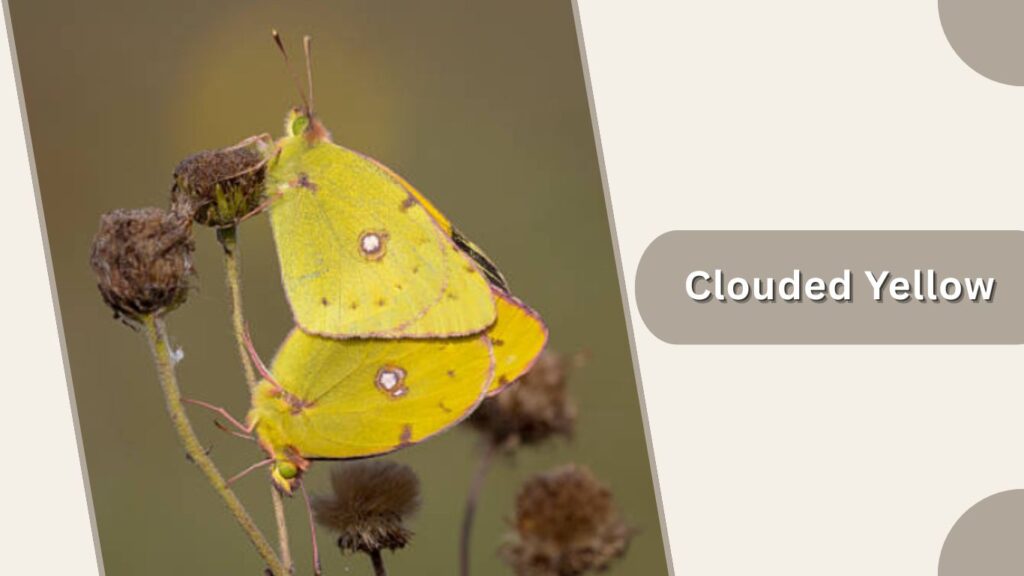
The Clouded Yellow is a fast-flying yellow butterfly commonly seen in open countryside habitats and grassy fields. It is well known for its bright wing coloration and seasonal migrations. This butterfly is widespread across Europe, Asia, and North Africa and is often active during warm sunny weather.
Identification
- Scientific name: Colias croceus
- Bright yellow or orange-yellow wings with broad black borders
- Females may have pale yellow spots within the dark wing edges
- Underside of the wings appears greenish-yellow
- Small silvery spot visible on the hindwings
- Wingspan usually ranges from 1.75 to 2.5 inches
- Rapid and energetic flight behavior
Habitat and Distribution
Clouded Yellow butterflies are widely distributed across Europe, North Africa, the Middle East, and parts of Asia. They prefer open habitats such as meadows, grasslands, farmland, roadsides, and coastal areas. These butterflies are especially common in sunny regions with abundant flowering plants.
Behavior and Diet
Adults feed mainly on nectar from flowers including clover, thistles, and wildflowers. Caterpillars feed on legumes such as alfalfa and clover. Clouded Yellow butterflies are active during the daytime and are often seen flying quickly over open landscapes in search of nectar and mates.
Lifecycle
Females lay eggs on host plants where caterpillars hatch and begin feeding on leaves. The caterpillar develops through several stages before forming a chrysalis attached to vegetation. Adult butterflies emerge after metamorphosis and continue the reproductive cycle during warm seasons.
15. Pale Clouded Yellow
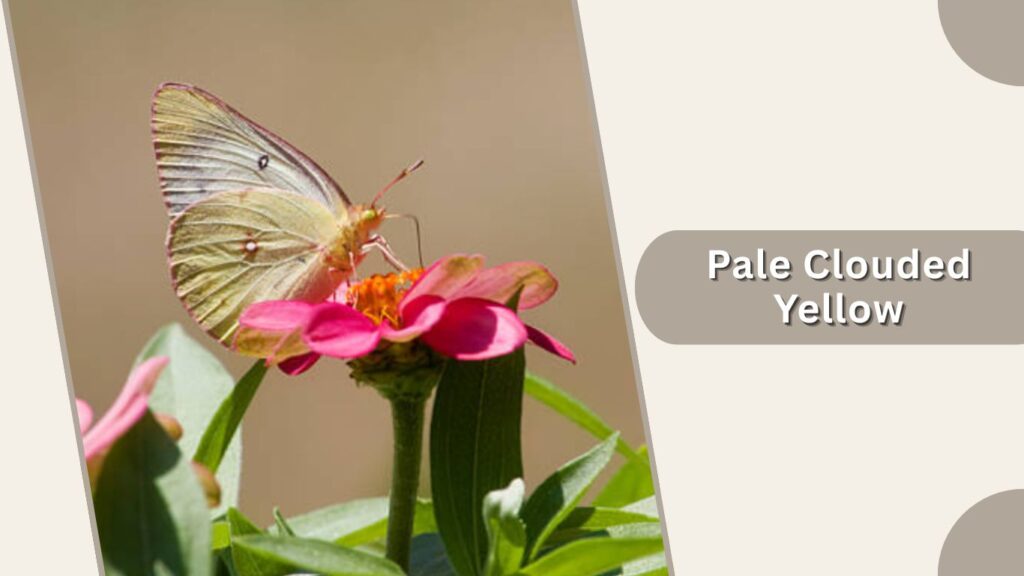
The Pale Clouded Yellow is a light-colored yellow butterfly known for its soft creamy wings and quick flight. It is commonly found in open grasslands and countryside habitats where flowering plants are abundant. This butterfly is often active during warm sunny days and may migrate seasonally in some regions.
Identification
- Scientific name: Colias hyale
- Pale yellow or creamy-white wings
- Dark black borders visible along the wing edges
- Females are usually lighter in color than males
- Underside of the wings appears greenish-yellow
- Small silvery spot visible on the hindwings
- Wingspan usually ranges from 1.5 to 2.25 inches
Habitat and Distribution
Pale Clouded Yellow butterflies are widely distributed across Europe, Asia, and parts of North Africa. They prefer open habitats such as meadows, grasslands, farmland, roadsides, and open countryside areas. These butterflies are especially common in warm regions with abundant flowering vegetation.
Behavior and Diet
Adults feed mainly on nectar from clover, thistles, wildflowers, and other flowering plants. Caterpillars feed on legumes including alfalfa and vetch species. Pale Clouded Yellow butterflies are active during the daytime and are often seen flying rapidly across open fields in search of food and mates.
Lifecycle
Females lay eggs on suitable host plants where caterpillars hatch and begin feeding on leaves. The caterpillar develops through several growth stages before forming a chrysalis attached to vegetation. Adult butterflies emerge after metamorphosis and continue the reproductive cycle during favorable weather conditions.
16. Berger’s Clouded Yellow
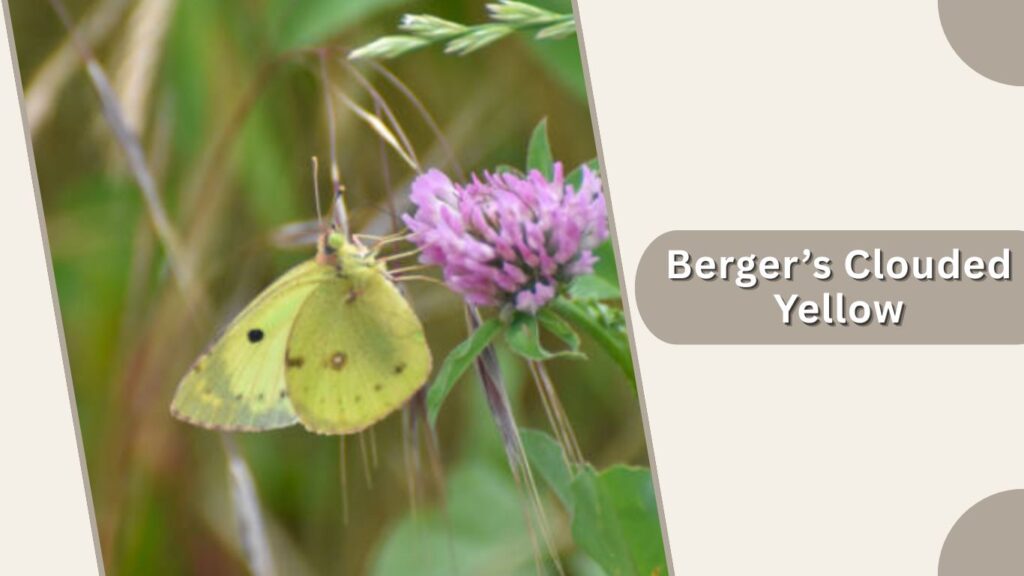
Berger’s Clouded Yellow is a bright yellow butterfly closely related to the Clouded Yellow and is commonly found in grassy habitats and open countryside areas. It is admired for its vivid coloration and quick flight patterns. This butterfly is especially active during warm seasons in sunny environments.
Identification
- Scientific name: Colias alfacariensis
- Bright yellow wings with dark black borders
- Females are usually paler than males
- Underside of the wings appears greenish-yellow
- Small pale or silvery spot visible on the hindwings
- Wingspan usually ranges from 1.5 to 2.25 inches
- Fast and fluttering flight behavior
Habitat and Distribution
Berger’s Clouded Yellow butterflies are mainly distributed across Europe, especially in central and southern regions. They prefer open habitats such as grasslands, meadows, limestone hills, roadsides, and rural countryside areas. These butterflies thrive in warm sunny environments with abundant flowering plants.
Behavior and Diet
Adults feed mainly on nectar from flowers including clover, knapweed, and thistles. Caterpillars feed on legume plants such as clover and vetch species. Berger’s Clouded Yellow butterflies are active during the daytime and are often seen flying rapidly across open fields in search of nectar and mates.
Lifecycle
Females lay eggs on host plants where caterpillars hatch and begin feeding on leaves. The caterpillar develops through several stages before forming a chrysalis attached to vegetation. Adult butterflies emerge after metamorphosis and continue the reproductive cycle during warm weather conditions.
17. Eastern Pale Clouded Yellow
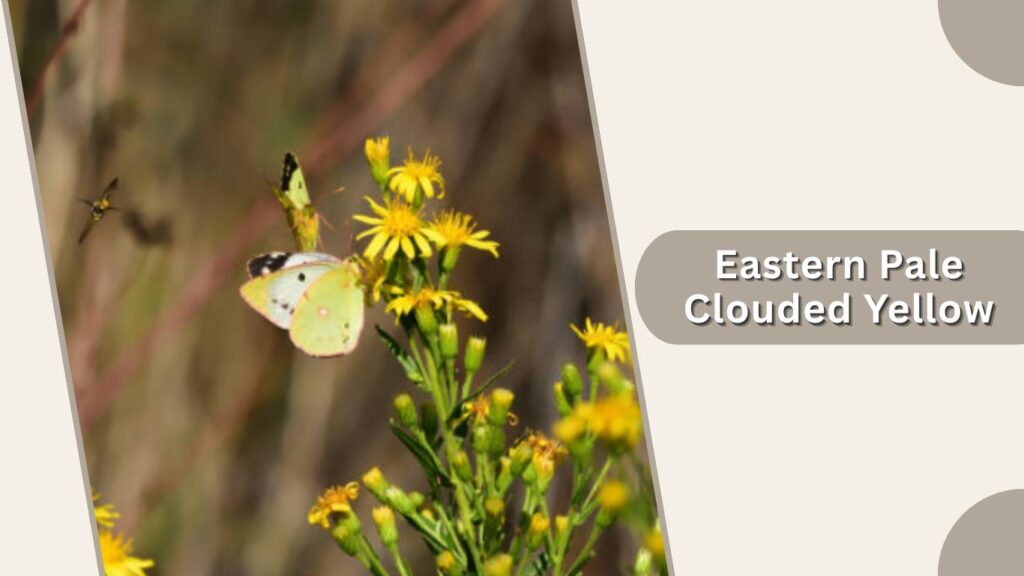
The Eastern Pale Clouded Yellow is a delicate yellow butterfly commonly found in open grassy habitats and sunny countryside regions. It is known for its pale wing coloration and active daytime flight. This butterfly is especially common in warm temperate areas with abundant flowering plants.
Identification
- Scientific name: Colias erate
- Pale yellow to creamy-yellow wings
- Dark borders visible along the outer wing edges
- Females are often lighter in color than males
- Underside of the wings appears greenish-yellow
- Small silvery spot visible on the hindwings
- Wingspan usually ranges from 1.5 to 2.5 inches
Habitat and Distribution
Eastern Pale Clouded Yellow butterflies are widely distributed across Asia, Eastern Europe, the Middle East, and nearby regions. They prefer open habitats such as meadows, grasslands, agricultural fields, roadsides, and open countryside areas. These butterflies are especially common in sunny environments with rich vegetation.
Behavior and Diet
Adults feed mainly on nectar from flowering plants including clover, alfalfa, and wildflowers. Caterpillars feed on legumes and related host plants. Eastern Pale Clouded Yellow butterflies are active during the daytime and are often seen flying rapidly across open landscapes in search of nectar and breeding sites.
Lifecycle
Females lay eggs on suitable host plants where caterpillars hatch and begin feeding on leaves. The caterpillar develops through several growth stages before forming a chrysalis attached to vegetation. Adult butterflies emerge after metamorphosis and continue the reproductive cycle during warm weather conditions.
18. Common Jezebel
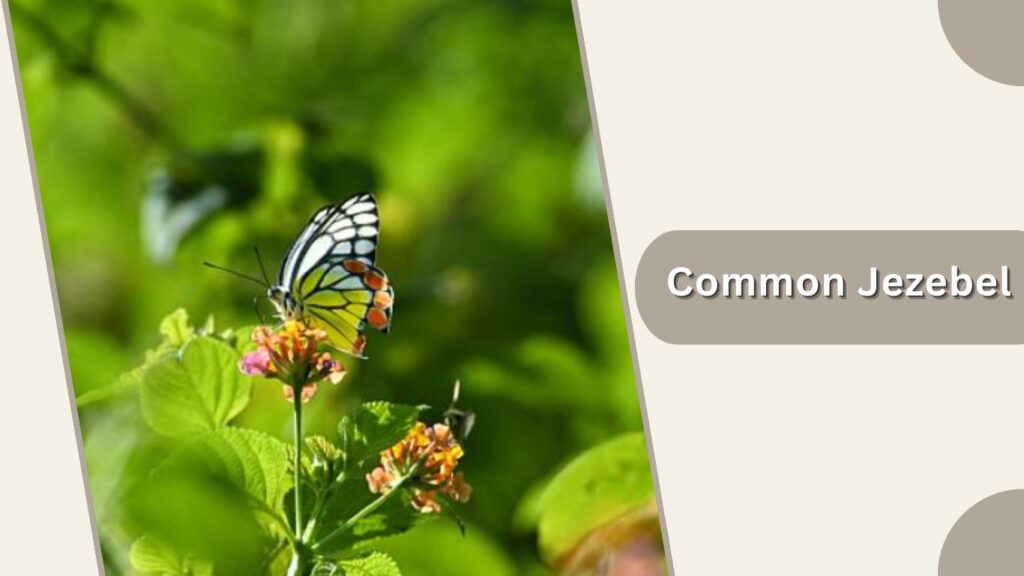
The Common Jezebel is a colorful butterfly known for its bright yellow wings combined with red, white, and black patterns. It is commonly found in gardens, forests, and open woodland habitats where flowering plants are abundant. This butterfly is admired for its striking appearance and graceful daytime flight.
Identification
- Scientific name: Delias eucharis
- Bright yellow underside of the hindwings
- White upper wings with black veins and borders
- Red and orange markings visible on the underside
- Slender butterfly body
- Wingspan usually ranges from 2.5 to 3 inches
- Slow and graceful flying behavior
Habitat and Distribution
Common Jezebel butterflies are widely distributed across South Asia and Southeast Asia. They prefer open forests, gardens, parks, woodland edges, and rural landscapes with abundant flowering plants. These butterflies are especially common in warm tropical and subtropical climates.
Behavior and Diet
Adults feed mainly on nectar from flowering trees and shrubs including lantana, jasmine, and ixora. Caterpillars feed on parasitic plants such as mistletoe. Common Jezebel butterflies are active during the daytime and are often seen gliding slowly through sunny gardens and forest edges.
Lifecycle
Females lay eggs in clusters on host plants where caterpillars hatch and begin feeding on leaves. The caterpillar develops through several growth stages before forming a chrysalis attached to vegetation. Adult butterflies emerge after metamorphosis and continue the reproductive cycle during warm weather conditions.
19. Yellow Pansy

The Yellow Pansy is a small yellow-orange butterfly admired for its eye-catching wing patterns and active flight. It is commonly found in open sunny habitats where it rests on low vegetation and feeds on flower nectar. This butterfly is especially noticeable during warm weather in tropical and subtropical regions.
Identification
- Scientific name: Junonia hierta
- Bright yellow-orange wings with black markings
- Distinct eye spots visible on both forewings and hindwings
- Wings have wavy outer edges
- Underside of the wings appears dull brown for camouflage
- Wingspan usually ranges from 2 to 2.5 inches
- Quick and darting flight behavior
Habitat and Distribution
Yellow Pansy butterflies are widely distributed across Africa, the Middle East, South Asia, and Southeast Asia. They prefer open habitats such as grasslands, gardens, scrublands, roadsides, and forest edges. These butterflies are especially common in warm sunny regions with low vegetation.
Behavior and Diet
Adults feed mainly on nectar from flowers including lantana, daisies, and wildflowers. Caterpillars feed on plants from the acanthus family and related species. Yellow Pansy butterflies are active during the daytime and are often seen basking in sunlight on rocks or bare ground.
Lifecycle
Females lay eggs on host plants where caterpillars hatch and begin feeding on leaves. The caterpillar develops through several stages before forming a chrysalis attached to vegetation. Adult butterflies emerge after metamorphosis and continue the reproductive cycle during warm weather conditions.
20. Golden Birdwing
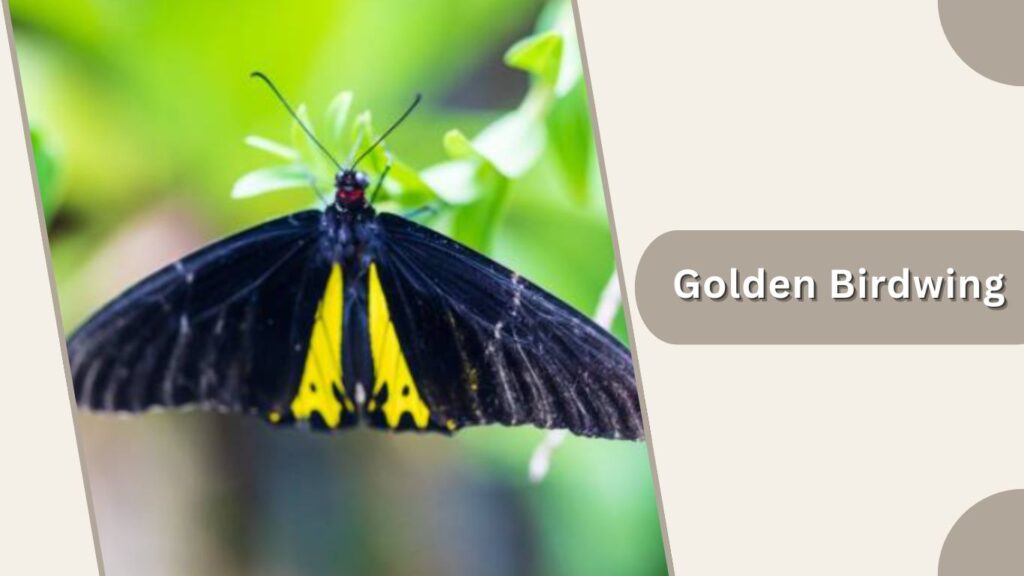
The Golden Birdwing is one of the largest and most spectacular yellow butterflies in the world. It is famous for its brilliant golden-yellow wings and graceful flight through tropical forests. This butterfly is highly admired by nature enthusiasts because of its impressive size and vibrant coloration.
Identification
- Scientific name: Troides aeacus
- Large golden-yellow hindwings with black borders
- Forewings are mostly black with pale markings
- Body is black with yellow accents
- Males are brighter yellow than females
- Wingspan usually ranges from 5 to 7 inches
- Strong and smooth gliding flight behavior
Habitat and Distribution
Golden Birdwing butterflies are widely distributed across Southeast Asia, including Thailand, Malaysia, Indonesia, and nearby tropical regions. They prefer warm rainforest habitats, forest edges, gardens, and areas with abundant flowering plants. These butterflies are most commonly seen in humid tropical environments.
Behavior and Diet
Adults feed mainly on nectar from flowering plants including lantana, hibiscus, and tropical vines. Caterpillars feed on Aristolochia vine species, which serve as their primary host plants. Golden Birdwings are active during the daytime and are often seen gliding high among trees and flowering vegetation.
Lifecycle
Females lay eggs on host plants where caterpillars hatch and begin feeding on leaves. The caterpillar grows through several developmental stages before forming a chrysalis attached to vegetation. Adult butterflies emerge after metamorphosis and continue the reproductive cycle during warm tropical seasons.
21. Yellow Swallowtail
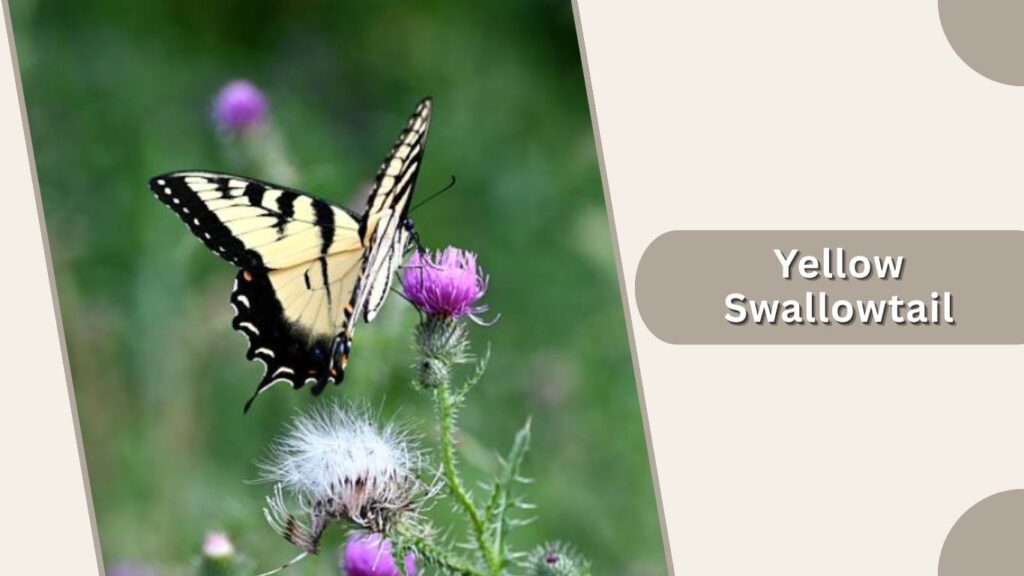
The Yellow Swallowtail is a large and elegant butterfly recognized for its bright yellow wings and distinctive tail-like extensions. It is commonly found in gardens, forests, and open countryside habitats. This butterfly is admired for its graceful flight and striking black wing patterns.
Identification
- Scientific name: Papilio machaon and related yellow swallowtail species
- Bright yellow wings with bold black markings
- Tail-like extensions visible on the hindwings
- Blue and red spots often appear near the lower hindwings
- Large and slender butterfly body
- Wingspan usually ranges from 2.5 to 4 inches
- Smooth and gliding flight behavior
Habitat and Distribution
Yellow Swallowtails are widely distributed across North America, Europe, Asia, and parts of North Africa. They prefer open habitats such as gardens, meadows, grasslands, forest edges, and rural countryside areas. These butterflies are especially common in sunny locations with abundant flowering plants.
Behavior and Diet
Adults feed mainly on nectar from flowers including thistles, milkweed, and lavender. Caterpillars feed on plants from the carrot family such as parsley, dill, and fennel. Yellow Swallowtails are active during the daytime and are often seen gliding gracefully above open vegetation.
Lifecycle
Females lay eggs on suitable host plants where caterpillars hatch and begin feeding on leaves. The caterpillar develops through several stages before forming a chrysalis attached to vegetation. Adult butterflies emerge after metamorphosis and continue the reproductive cycle during warm weather conditions.
22. Tiger Swallowtail
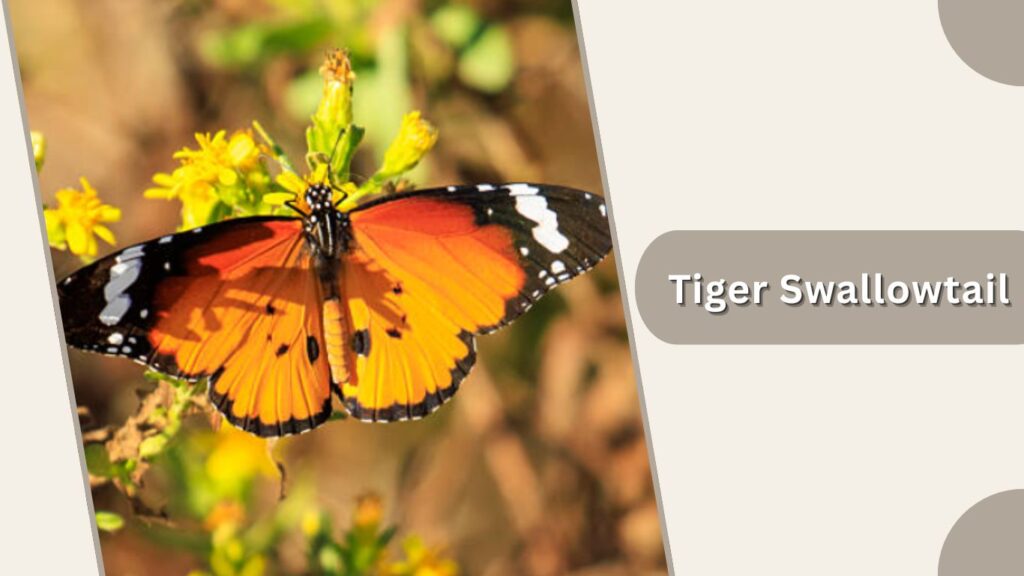
The Tiger Swallowtail is a large yellow butterfly famous for its bold black tiger-like stripes and elegant flight. It is commonly found in forests, gardens, parks, and open countryside habitats. This butterfly is one of the most recognizable swallowtail species in North America.
Identification
- Scientific name: Papilio glaucus
- Bright yellow wings with black tiger-like stripes
- Tail-like extensions on the hindwings
- Blue and orange markings visible near the lower hindwings
- Females may appear darker than males in some regions
- Wingspan usually ranges from 3 to 5.5 inches
- Smooth and powerful gliding flight behavior
Habitat and Distribution
Tiger Swallowtails are widely distributed across North America, especially in eastern regions. They prefer woodlands, gardens, riverbanks, parks, meadows, and forest edges with abundant flowering plants. These butterflies are especially common in warm temperate habitats during spring and summer.
Behavior and Diet
Adults feed mainly on nectar from flowers including lilac, milkweed, clover, and wildflowers. Caterpillars feed on leaves from trees such as tulip trees, cherry, ash, and birch. Tiger Swallowtails are active during the daytime and are often seen gliding gracefully through open sunny areas.
Lifecycle
Females lay eggs individually on host plant leaves where caterpillars hatch and begin feeding. The caterpillar develops through several stages before forming a chrysalis attached to vegetation or tree bark. Adult butterflies emerge after metamorphosis and continue the reproductive cycle during warm seasons.
23. Giant Swallowtail
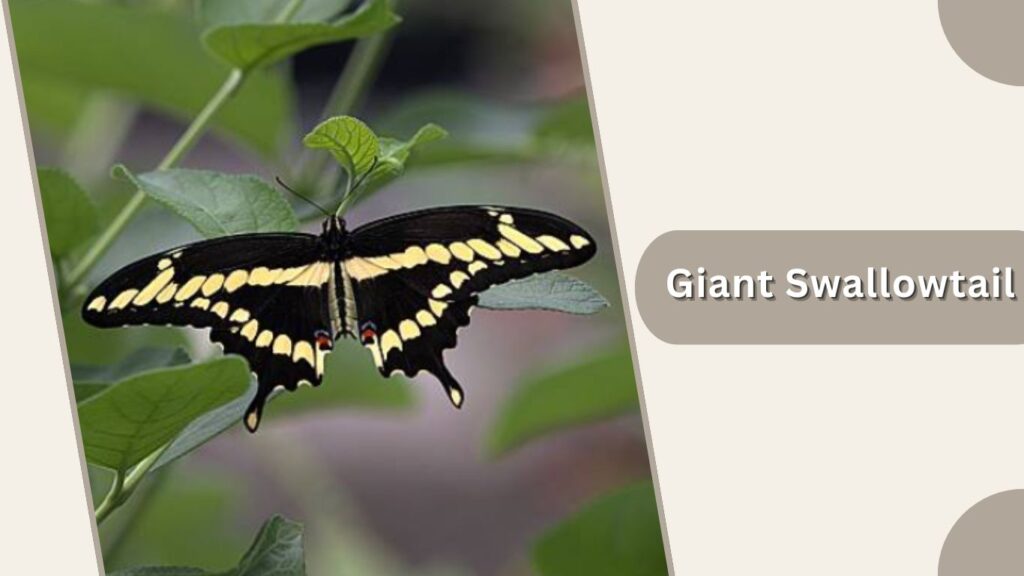
The Giant Swallowtail is the largest butterfly species in North America and is admired for its striking yellow and black wing patterns. It is commonly found in gardens, forests, citrus groves, and woodland habitats. This butterfly is known for its graceful gliding flight and impressive size.
Identification
- Scientific name: Papilio cresphontes
- Black wings marked with bold yellow bands
- Tail-like extensions on the hindwings
- Underside of the wings shows yellow and cream patterns
- Large dark body with yellow markings
- Wingspan usually ranges from 4 to 6 inches
- Slow and powerful gliding flight behavior
Habitat and Distribution
Giant Swallowtails are widely distributed across North America, Central America, and parts of South America. They prefer warm habitats such as gardens, citrus orchards, woodlands, parks, and forest edges. These butterflies are especially common in regions where citrus plants grow naturally.
Behavior and Diet
Adults feed mainly on nectar from flowers including lantana, azalea, and swamp milkweed. Caterpillars feed on citrus plants and related species from the rue family. Giant Swallowtails are active during the daytime and are often seen gliding high among trees and flowering vegetation.
Lifecycle
Females lay eggs on host plants where caterpillars hatch and begin feeding on leaves. The caterpillar develops through several stages and often resembles bird droppings as camouflage. After forming a chrysalis attached to vegetation, the adult butterfly emerges and continues the reproductive cycle during warm seasons.
24. Sulphur Emigrant
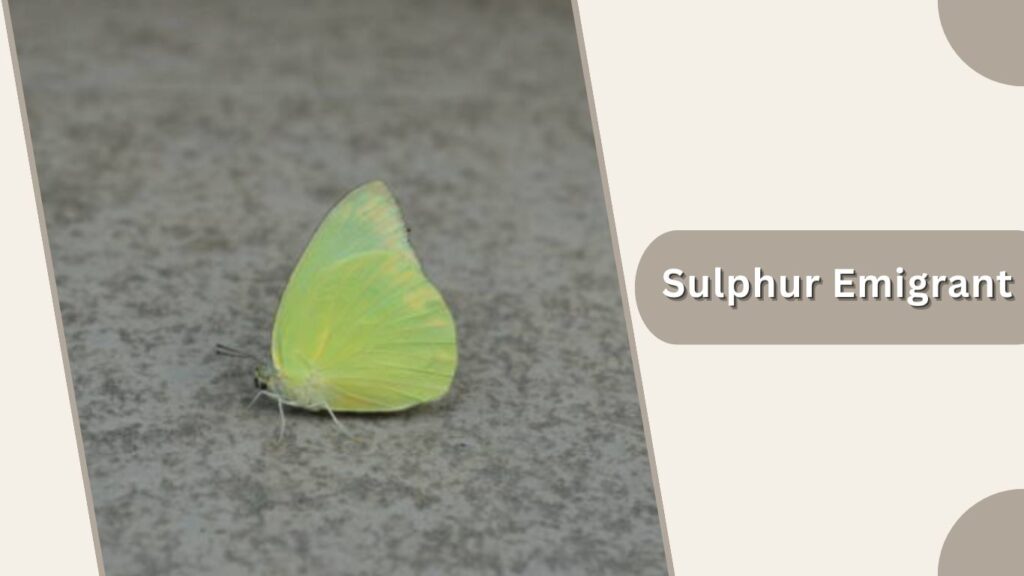
The Sulphur Emigrant is a bright yellow butterfly known for its seasonal migrations and active daytime flight. It is commonly found in gardens, open forests, grasslands, and tropical habitats with abundant flowering plants. This butterfly is admired for its smooth gliding movement and vibrant wing coloration.
Identification
- Scientific name: Catopsilia pomona
- Bright yellow or pale lemon-colored wings
- Females may appear whitish or light greenish-yellow
- Wings are broad and rounded
- Underside of the wings may show faint reddish or brown markings
- Wingspan usually ranges from 2 to 3 inches
- Fast and graceful flying behavior
Habitat and Distribution
Sulphur Emigrant butterflies are widely distributed across South Asia, Southeast Asia, Australia, and tropical regions of the Pacific. They prefer open habitats such as gardens, forest edges, grasslands, roadsides, and agricultural areas. These butterflies are especially common in warm climates with abundant host plants.
Behavior and Diet
Adults feed mainly on nectar from flowering plants including lantana, hibiscus, and wildflowers. Caterpillars feed on cassia and related legume plants. Sulphur Emigrant butterflies are active during the daytime and are often seen migrating in groups during seasonal changes.
Lifecycle
Females lay eggs on suitable host plants where caterpillars hatch and begin feeding on leaves. The caterpillar develops through several growth stages before forming a chrysalis attached to vegetation. Adult butterflies emerge after metamorphosis and continue the reproductive cycle during warm weather conditions.
25. Mottled Emigrant
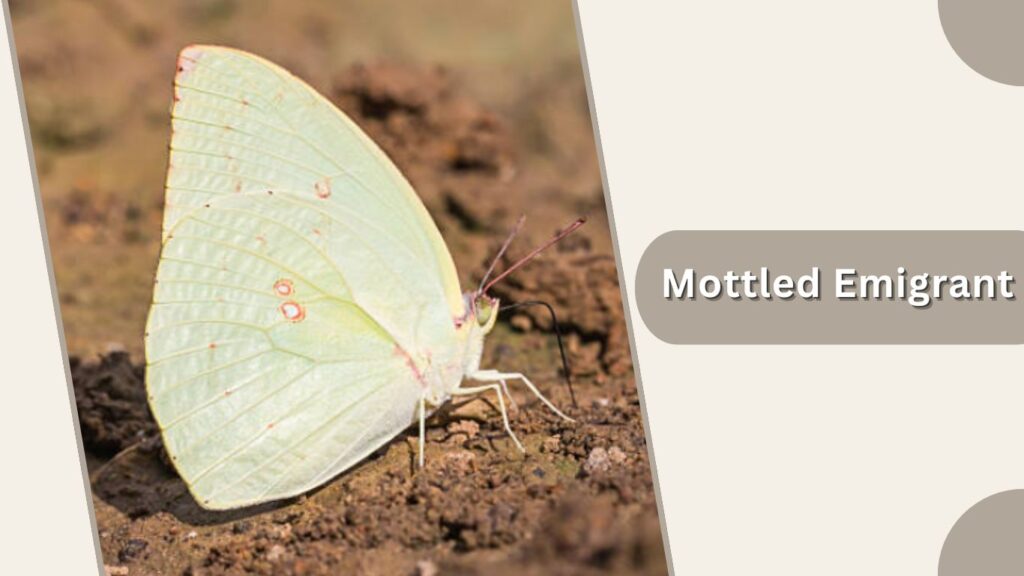
The Mottled Emigrant is a medium-sized yellow butterfly recognized for the mottled patterns on the underside of its wings. It is commonly found in tropical and subtropical habitats where flowering plants and host trees are abundant. This butterfly is known for its seasonal movements and active daytime behavior.
Identification
- Scientific name: Catopsilia pyranthe
- Pale yellow to creamy-white wings
- Underside of the wings displays mottled brown or reddish markings
- Wings are broad with rounded edges
- Females are often paler than males
- Wingspan usually ranges from 2 to 3 inches
- Smooth and fast flying behavior
Habitat and Distribution
Mottled Emigrant butterflies are widely distributed across South Asia, Southeast Asia, and tropical regions of Australia. They prefer open habitats such as gardens, grasslands, forest edges, roadsides, and agricultural fields. These butterflies are especially common in warm climates with abundant flowering vegetation.
Behavior and Diet
Adults feed mainly on nectar from flowers including lantana, jasmine, and wildflowers. Caterpillars feed on cassia and related host plants. Mottled Emigrant butterflies are active during the daytime and are often seen flying long distances during seasonal migrations.
Lifecycle
Females lay eggs on suitable host plants where caterpillars hatch and begin feeding on leaves. The caterpillar develops through several stages before forming a chrysalis attached to vegetation. Adult butterflies emerge after metamorphosis and continue the reproductive cycle during warm weather conditions.
26. Lemon Emigrant
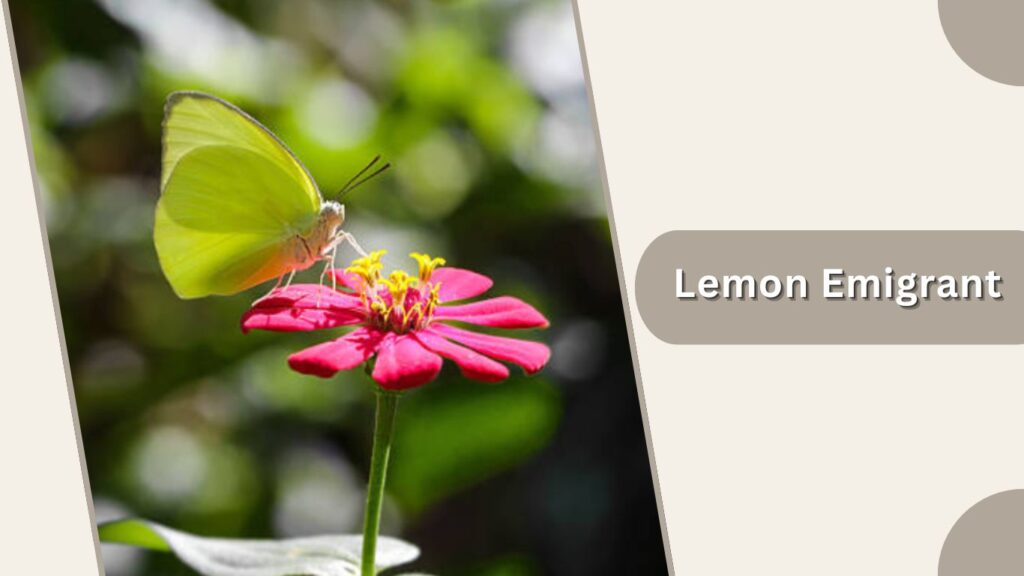
The Lemon Emigrant is a bright yellow butterfly commonly found in tropical and subtropical regions with abundant flowering plants. It is known for its graceful flight, seasonal migrations, and soft lemon-colored wings. This butterfly is often seen in gardens, forest edges, and open countryside habitats during warm weather.
Identification
- Scientific name: Catopsilia florella
- Bright lemon-yellow wings with smooth edges
- Females may appear paler than males
- Underside of the wings often has faint brown or pinkish markings
- Slender butterfly body
- Wingspan usually ranges from 2 to 3 inches
- Fast and fluttering flight behavior
Habitat and Distribution
Lemon Emigrant butterflies are widely distributed across Africa, the Middle East, South Asia, and tropical regions. They prefer open habitats such as gardens, grasslands, roadsides, forest edges, and agricultural landscapes. These butterflies are especially common in warm climates with abundant nectar sources and host plants.
Behavior and Diet
Adults feed mainly on nectar from flowering plants including lantana, hibiscus, and wildflowers. Caterpillars feed on cassia and related legume plants. Lemon Emigrant butterflies are active during the daytime and are often seen migrating in groups during seasonal changes.
Lifecycle
Females lay eggs on suitable host plants where caterpillars hatch and begin feeding on leaves. The caterpillar develops through several stages before forming a chrysalis attached to vegetation. Adult butterflies emerge after metamorphosis and continue the reproductive cycle during warm weather conditions.
FAQs
What do yellow butterflies symbolize?
Yellow butterflies are often associated with happiness, hope, positivity, and transformation. In many cultures, they symbolize joy, renewal, and spiritual growth. Their bright coloration also makes them a popular symbol of warmth and summer.
Where are yellow butterflies commonly found?
Yellow butterflies are commonly found in gardens, meadows, forests, grasslands, parks, and tropical regions. Most species prefer sunny habitats with abundant flowering plants and suitable host plants for caterpillars.
What do yellow butterflies eat?
Adult yellow butterflies mainly feed on flower nectar from plants such as lantana, clover, hibiscus, and wildflowers. Caterpillars usually feed on specific host plants including legumes, cassia plants, citrus leaves, and herbs depending on the species.
Are yellow butterflies harmful to humans?
Yellow butterflies are completely harmless to humans. They do not sting, bite, or spread diseases. In fact, they are beneficial pollinators that help support healthy ecosystems by transferring pollen between flowers.
How can you attract yellow butterflies to your garden?
You can attract yellow butterflies by planting nectar-rich flowers and suitable host plants. Providing sunny spaces, shallow water sources, and avoiding harmful pesticides also helps create a butterfly-friendly environment for feeding and breeding.