
Monarch butterflies are among the most recognizable butterflies in the world because of their bright orange wings, graceful flight, and fascinating migration patterns. Different monarch populations and color variations can be found across North America, tropical islands, Australia, and many warm regions worldwide. These butterflies inhabit gardens, forests, meadows, coastal habitats, and grasslands where milkweed and flowering plants are abundant. Monarch butterflies are admired not only for their beauty but also for their unique life cycle and remarkable seasonal movements that make them one of the most studied butterfly groups in nature.
1. North American Monarch

North American Monarch butterflies are among the most recognized butterflies because of their colorful orange wings and impressive migration across North America. They are commonly found in gardens, meadows, grasslands, and open habitats where flowering plants and milkweed grow abundantly. These butterflies are admired for their beauty, long-distance travel, and fascinating life cycle throughout the year.
Identification
- Bright orange wings with black veins
- White spots along black wing borders
- Wingspan of about 3.5 to 4 inches
- Black body with tiny white dots
- Males have black scent spots on hindwings
Habitat and Distribution
North American Monarchs inhabit meadows, prairies, gardens, grasslands, open woodlands, and roadside habitats rich in flowering plants. They are widely distributed across Canada, the United States, and Mexico. During migration, they travel long distances between breeding grounds in northern regions and overwintering forests located mainly in central Mexico.
Behavior and Diet
These butterflies are active during the daytime and spend much of their time feeding, mating, and migrating. Adults mainly feed on nectar from flowers such as milkweed, asters, and goldenrod. Caterpillars feed exclusively on milkweed leaves, which provide chemicals that help protect them from predators in the wild.
Life Cycle
North American Monarchs pass through four stages including egg, larva, pupa, and adult butterfly. Females lay eggs on milkweed plants, where caterpillars hatch and begin feeding immediately. After several growth stages, the caterpillar forms a green chrysalis and later emerges as a fully developed adult butterfly ready for migration.
2. Caribbean Monarch

Caribbean Monarch butterflies are beautiful orange-and-black butterflies commonly found throughout the Caribbean islands and nearby tropical regions. They are closely related to other monarch populations but usually remain in warm climates year-round instead of migrating long distances. These butterflies are often seen in gardens, coastal habitats, parks, and open tropical environments rich in flowering plants and milkweed.
Identification
- Bright orange wings with black veins
- White spots along dark wing borders
- Wingspan of about 3 to 4 inches
- Slender black body with white markings
- Slightly darker wings than some northern monarchs
Habitat and Distribution
Caribbean Monarchs inhabit tropical gardens, coastal regions, forests, grasslands, and open island habitats throughout the Caribbean. They are commonly found in Cuba, Jamaica, Puerto Rico, the Dominican Republic, and nearby islands. These butterflies thrive in warm climates where flowering plants and milkweed remain available throughout most of the year.
Behavior and Diet
These butterflies are active during daylight hours and frequently visit flowers for nectar. Unlike migratory monarch populations, Caribbean Monarchs often remain within the same region year-round. Adults feed on nectar from tropical flowering plants, while caterpillars feed exclusively on milkweed leaves that provide protection from predators through natural toxins.
Life Cycle
Caribbean Monarchs develop through four stages including egg, caterpillar, chrysalis, and adult butterfly. Females lay eggs on milkweed plants, where larvae hatch and begin feeding immediately. After several growth stages, the caterpillar forms a green chrysalis before transforming into an adult butterfly adapted to tropical environmental conditions.
3. Hawaiian Monarch
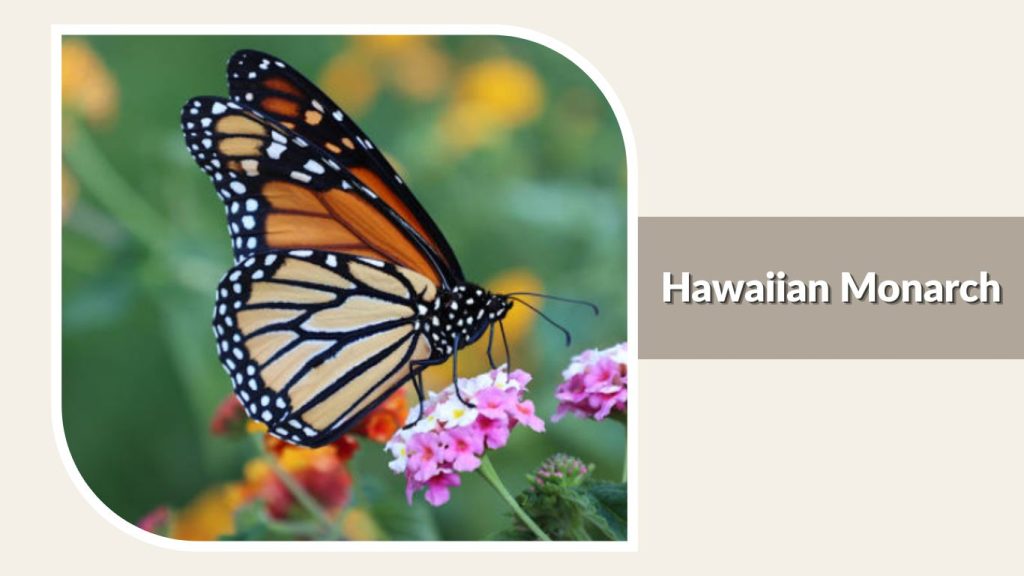
Hawaiian Monarch butterflies are colorful tropical butterflies found across the Hawaiian Islands in warm and sunny habitats. They are closely related to other monarch populations but remain active throughout the year because of Hawaii’s mild climate. These butterflies are commonly seen in gardens, parks, coastal regions, and open grassy areas filled with flowering plants and milkweed.
Identification
- Bright orange wings with black veins
- White spots around black wing edges
- Wingspan of about 3 to 4 inches
- Black body with small white markings
- Broad and slightly rounded wings
Habitat and Distribution
Hawaiian Monarchs inhabit gardens, coastal habitats, grasslands, parks, forests, and open tropical areas throughout the Hawaiian Islands. They are widely distributed on several islands where milkweed and flowering plants grow abundantly. Warm temperatures and year-round vegetation allow these butterflies to remain active without seasonal migration patterns.
Behavior and Diet
These butterflies are active during the daytime and spend much of their time feeding, mating, and flying between flowers. Adults mainly consume nectar from tropical flowering plants, while caterpillars feed exclusively on milkweed leaves. Hawaiian Monarchs are gentle insects commonly observed fluttering slowly through sunny outdoor environments.
Life Cycle
Hawaiian Monarchs pass through four development stages including egg, caterpillar, chrysalis, and adult butterfly. Females lay eggs individually on milkweed plants where larvae hatch and feed continuously. After several molting stages, the caterpillar forms a green chrysalis before emerging as a fully developed adult butterfly.
4. Australian Monarch
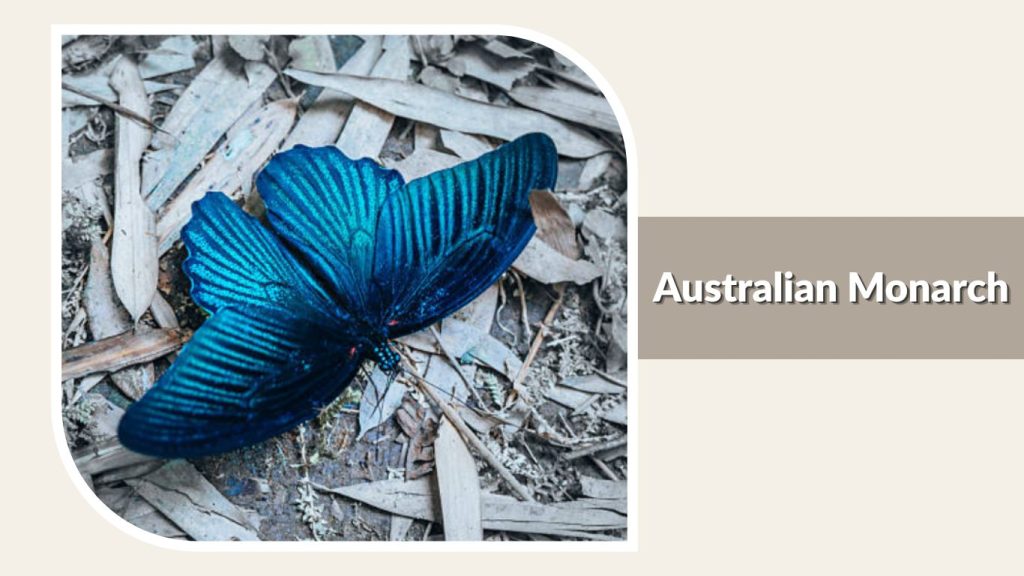
Australian Monarch butterflies are striking orange-and-black butterflies commonly found throughout Australia and nearby tropical regions. They are also known as Wanderer butterflies because of their strong flying ability and seasonal movement patterns. These butterflies are often seen in gardens, forests, grasslands, and coastal habitats where flowering plants and milkweed species grow in warm climates.
Identification
- Bright orange wings with black veins
- White spots along black wing margins
- Wingspan of about 3 to 4 inches
- Black body with tiny white markings
- Long narrow forewings with smooth edges
Habitat and Distribution
Australian Monarchs inhabit gardens, forests, coastal regions, grasslands, parks, and tropical woodlands across Australia. They are also found in nearby islands and parts of Southeast Asia. These butterflies prefer warm environments with abundant flowering plants and milkweed species that provide food and breeding sites throughout the year.
Behavior and Diet
These butterflies are active during daylight hours and are known for their graceful, slow flight patterns. Adults feed mainly on nectar from flowering plants, while caterpillars feed exclusively on milkweed leaves. Australian Monarchs often travel locally in search of food and breeding habitats but usually do not migrate as far as North American monarchs.
Life Cycle
Australian Monarchs develop through four stages including egg, caterpillar, chrysalis, and adult butterfly. Females lay eggs on milkweed plants where larvae hatch and begin feeding immediately. After several growth stages, the caterpillar forms a smooth green chrysalis before emerging as a brightly colored adult butterfly.
5. New Zealand Monarch
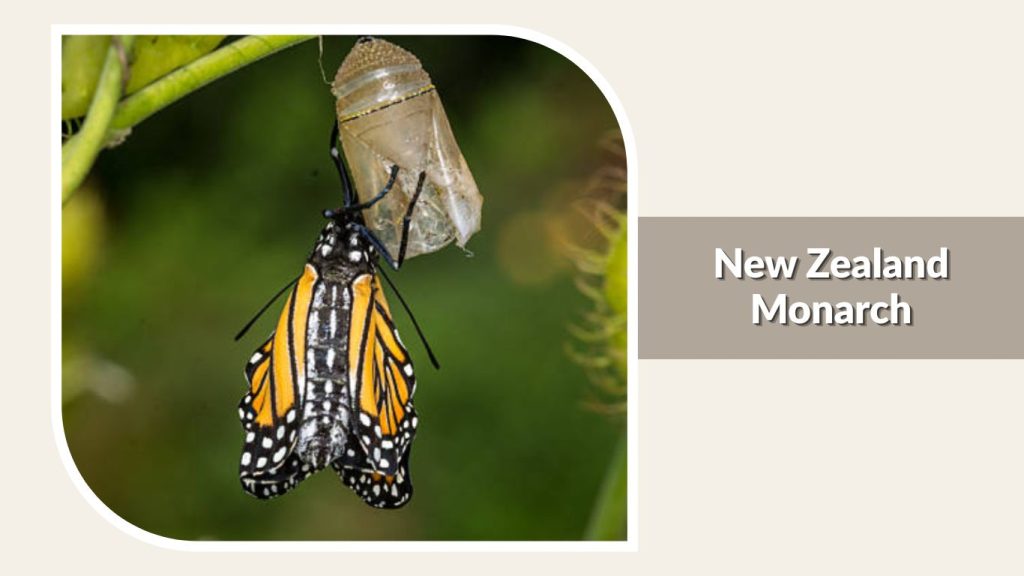
New Zealand Monarch butterflies are attractive orange-and-black butterflies commonly found across New Zealand in warm and sheltered habitats. They are closely related to Australian Monarchs and are admired for their graceful flight and vibrant wing patterns. These butterflies are frequently seen in gardens, parks, coastal regions, and open grassy areas where milkweed and flowering plants are abundant.
Identification
- Bright orange wings with black veins
- White spots along dark wing borders
- Wingspan of about 3 to 4 inches
- Black body with fine white markings
- Broad wings with smooth outer edges
Habitat and Distribution
New Zealand Monarchs inhabit gardens, parks, coastal habitats, open forests, grasslands, and suburban areas throughout New Zealand. They prefer warm and sheltered environments with plenty of flowering plants and milkweed species. These butterflies are especially common in northern regions where temperatures remain mild for most of the year.
Behavior and Diet
These butterflies are active during the daytime and often glide slowly between flowers while feeding. Adults mainly consume nectar from flowering plants, while caterpillars feed entirely on milkweed leaves. New Zealand Monarchs are generally calm insects and are commonly observed resting in sunny locations during warm weather conditions.
Life Cycle
New Zealand Monarchs pass through four stages including egg, caterpillar, chrysalis, and adult butterfly. Females lay eggs on milkweed plants where larvae hatch and feed continuously. After several molts, the caterpillar forms a green chrysalis before transforming into a fully developed adult butterfly with colorful patterned wings.
6. Pacific Monarch

Pacific Monarch butterflies are vibrant orange-and-black butterflies commonly found on Pacific islands and nearby tropical coastal regions. These butterflies are well adapted to warm climates and remain active throughout most of the year. They are often seen flying through gardens, forests, beaches, and open grassy habitats where nectar-rich flowers and milkweed plants are plentiful.
Identification
- Bright orange wings with black veins
- White spots around black wing borders
- Wingspan of about 3 to 4 inches
- Slender black body with white markings
- Smooth rounded wings with bold patterns
Habitat and Distribution
Pacific Monarchs inhabit tropical gardens, coastal forests, grasslands, parks, and island habitats throughout many Pacific regions. They are commonly found on islands with warm temperatures and abundant flowering plants. These butterflies prefer sunny environments where milkweed grows naturally and suitable breeding habitats remain available year-round.
Behavior and Diet
These butterflies are active during the daytime and spend much of their time feeding and searching for mates. Adults mainly consume nectar from tropical flowers, while caterpillars feed exclusively on milkweed leaves. Pacific Monarchs are graceful flyers often seen gliding slowly through sunny open areas and coastal vegetation.
Life Cycle
Pacific Monarchs develop through four stages including egg, caterpillar, chrysalis, and adult butterfly. Females lay eggs individually on milkweed plants where caterpillars hatch and begin feeding immediately. After several stages of growth, the caterpillar forms a green chrysalis before emerging as a colorful adult butterfly.
7. White Monarch
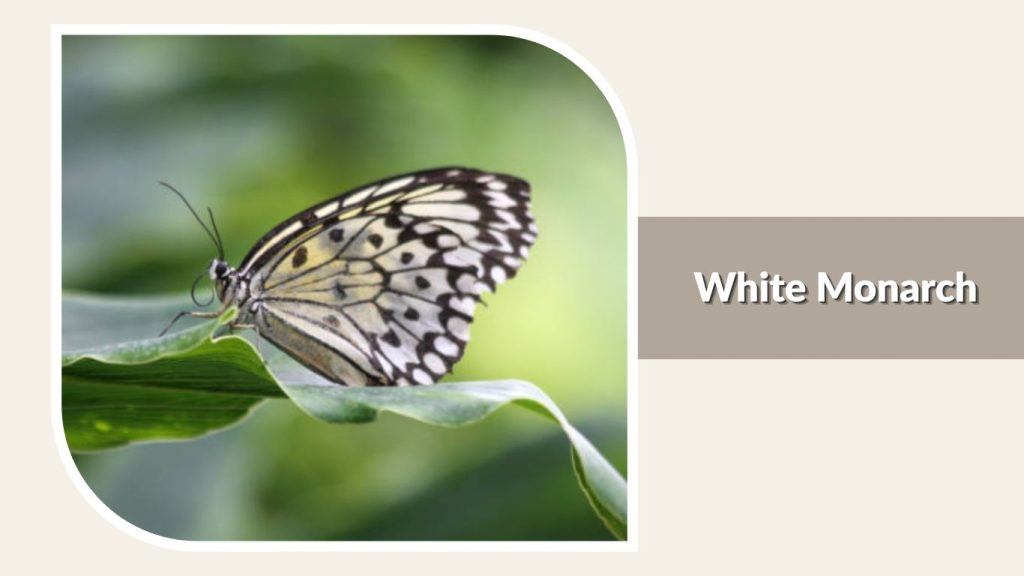
White Monarch butterflies are unusual color variations of monarch butterflies known for their pale white or cream-colored wings instead of the typical orange coloration. These rare butterflies are especially famous in certain island populations where the lighter form appears more frequently. They are admired for their unique beauty and are commonly found in warm habitats with abundant flowering plants and milkweed.
Identification
- White or pale cream-colored wings
- Black veins across the wings
- White spots along dark wing borders
- Wingspan of about 3 to 4 inches
- Slender black body with white markings
Habitat and Distribution
White Monarchs are mostly found in tropical and subtropical regions, especially on certain Pacific and island habitats where the color variation occurs naturally. They inhabit gardens, coastal areas, forests, grasslands, and parks with abundant flowering plants and milkweed species needed for feeding and reproduction throughout the year.
Behavior and Diet
These butterflies are active during daylight hours and behave similarly to typical orange monarch butterflies. Adults feed mainly on flower nectar, while caterpillars consume milkweed leaves exclusively. White Monarchs are graceful flyers often seen gliding slowly through gardens and sunny habitats while searching for food and breeding locations.
Life Cycle
White Monarchs pass through four developmental stages including egg, caterpillar, chrysalis, and adult butterfly. Females lay eggs on milkweed plants where larvae hatch and feed continuously. After several growth stages, the caterpillar forms a green chrysalis before emerging as a rare white-colored adult butterfly with distinctive markings.
8. Black Monarch

Black Monarch butterflies are rare and striking monarch variations known for their unusually dark wing coloration. Instead of the traditional bright orange appearance, these butterflies display deep black or dark brown wings with lighter markings. They are admired for their dramatic appearance and are occasionally found in tropical and subtropical regions where monarch butterflies naturally occur in warm environments.
Identification
- Dark black or deep brown wings
- Pale or white spots along wing borders
- Black veins that blend into wing color
- Wingspan of about 3 to 4 inches
- Slender black body with tiny white markings
Habitat and Distribution
Black Monarchs are mostly found in warm tropical and subtropical habitats where monarch populations are established. They inhabit gardens, forests, coastal areas, grasslands, and parks with abundant flowering plants and milkweed. These rare butterflies are occasionally observed in island regions and areas where unusual monarch color variations develop naturally.
Behavior and Diet
These butterflies are active during the daytime and spend much of their time feeding, flying, and searching for mates. Adults mainly consume nectar from flowering plants, while caterpillars feed entirely on milkweed leaves. Black Monarchs behave similarly to other monarch butterflies and are graceful slow-moving flyers in open sunny habitats.
Life Cycle
Black Monarchs develop through four stages including egg, caterpillar, chrysalis, and adult butterfly. Females lay eggs on milkweed plants where caterpillars hatch and begin feeding immediately. After several stages of growth and molting, the caterpillar forms a chrysalis before emerging as a dark-colored adult butterfly.
9. Orange Monarch

Orange Monarch butterflies are the classic and most recognizable monarch form known for their vivid orange wings and bold black patterns. These butterflies are widely admired for their beauty, graceful flight, and seasonal movements across warm and temperate regions. They are commonly found in gardens, meadows, grasslands, and open habitats rich in flowering plants and milkweed species.
Identification
- Bright orange wings with black veins
- White spots along black wing borders
- Wingspan of about 3.5 to 4 inches
- Black body with tiny white markings
- Males have black scent spots on hindwings
Habitat and Distribution
Orange Monarchs inhabit meadows, grasslands, gardens, forests, parks, and open countryside areas across North America and many tropical regions. They prefer habitats with abundant flowering plants and milkweed species. These butterflies are widely distributed and may migrate seasonally depending on climate and environmental conditions within their range.
Behavior and Diet
These butterflies are active during daylight hours and spend much of their time feeding, mating, and flying between flowers. Adults mainly consume nectar from flowering plants such as milkweed and asters. Caterpillars feed exclusively on milkweed leaves, which provide chemicals that help protect them from predators naturally.
Life Cycle
Orange Monarchs pass through four developmental stages including egg, caterpillar, chrysalis, and adult butterfly. Females lay eggs on milkweed plants where larvae hatch and feed continuously. After several growth stages and molts, the caterpillar forms a green chrysalis before emerging as a colorful adult butterfly.
10. Migratory Monarch
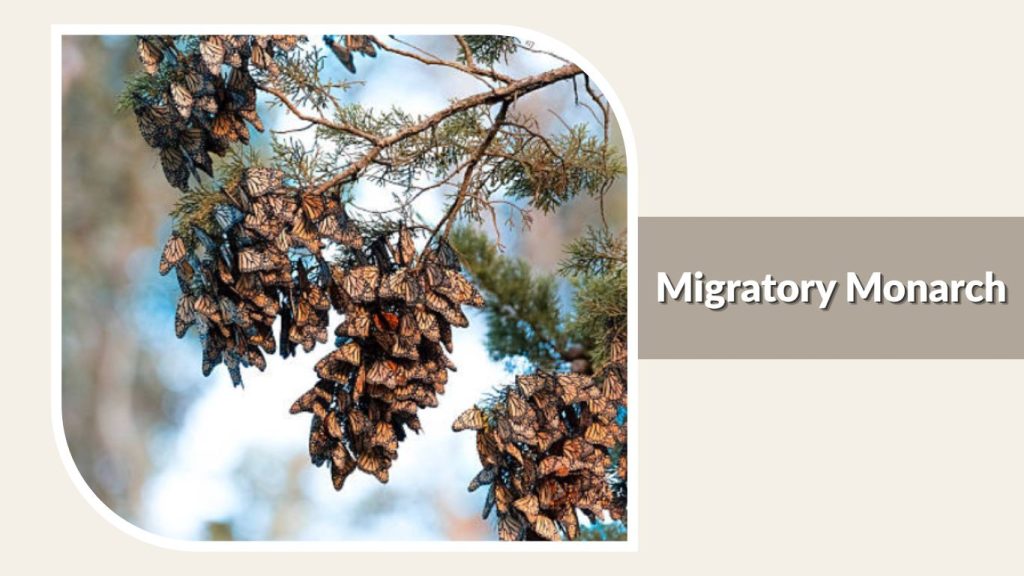
Migratory Monarch butterflies are famous for their extraordinary long-distance seasonal migrations across North America. These butterflies travel thousands of miles between breeding grounds and overwintering habitats, making them one of the most remarkable migratory insects in the world. They are commonly found in meadows, gardens, forests, and grasslands where flowering plants and milkweed provide food and breeding resources.
Identification
- Bright orange wings with black veins
- White spots along dark wing borders
- Wingspan of about 3.5 to 4 inches
- Slender black body with white dots
- Strong broad wings adapted for long flights
Habitat and Distribution
Migratory Monarchs are widely distributed across Canada, the United States, and Mexico during different seasons. They inhabit meadows, prairies, gardens, forests, and grasslands rich in flowering plants and milkweed. During winter, large populations gather in protected mountain forests where cooler temperatures help conserve energy during overwintering periods.
Behavior and Diet
These butterflies are highly active during the daytime and are best known for their seasonal migration behavior. Adults feed mainly on nectar from flowering plants to maintain energy for long flights. Caterpillars feed exclusively on milkweed leaves, gaining protective chemicals that help deter predators throughout their development stages.
Life Cycle
Migratory Monarchs develop through four stages including egg, caterpillar, chrysalis, and adult butterfly. Females lay eggs on milkweed plants where larvae hatch and begin feeding immediately. After several molts, the caterpillar forms a chrysalis before emerging as an adult butterfly capable of participating in seasonal migration journeys.
11. Non-migratory Monarch
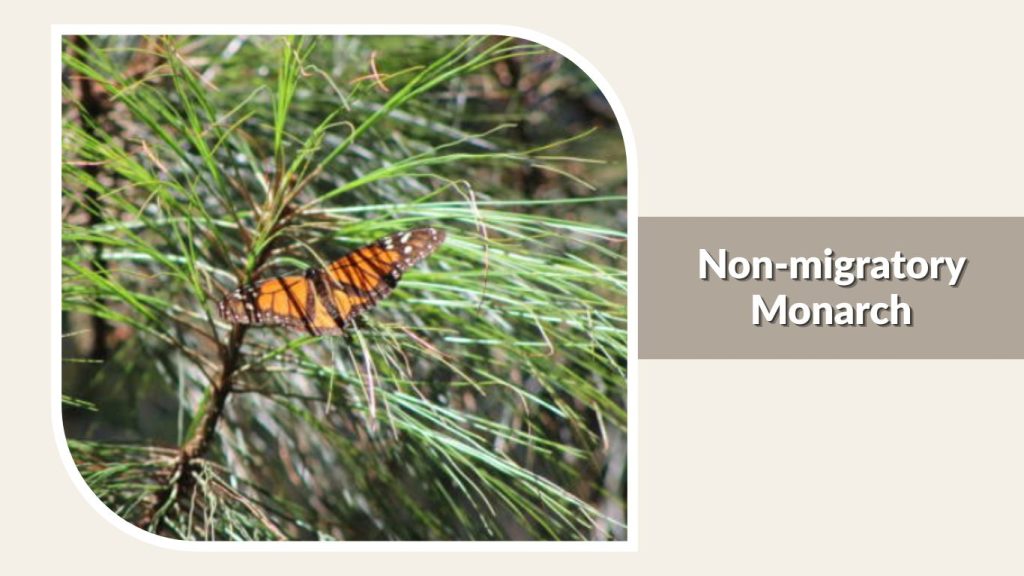
Non-migratory Monarch butterflies are monarch populations that remain in warm regions throughout the year instead of traveling long distances seasonally. These butterflies are commonly found in tropical and subtropical habitats where food plants and favorable temperatures remain available year-round. They are often seen in gardens, coastal regions, parks, and open grassy habitats rich in flowering plants and milkweed.
Identification
- Bright orange wings with black veins
- White spots around black wing borders
- Wingspan of about 3 to 4 inches
- Black body with small white markings
- Slightly smaller appearance in some populations
Habitat and Distribution
Non-migratory Monarchs inhabit tropical gardens, coastal habitats, grasslands, forests, parks, and suburban areas in warm climates. They are commonly found in regions where temperatures remain mild throughout the year, including parts of the Caribbean, Central America, South America, Hawaii, and other tropical environments with abundant milkweed plants.
Behavior and Diet
These butterflies remain active throughout the year because they do not migrate seasonally. Adults spend much of their time feeding on nectar, mating, and laying eggs near milkweed plants. Caterpillars feed exclusively on milkweed leaves, which provide chemical protection from predators during both larval and adult stages.
Life Cycle
Non-migratory Monarchs pass through four developmental stages including egg, caterpillar, chrysalis, and adult butterfly. Females lay eggs on milkweed plants where larvae hatch and feed continuously. After several molts and growth stages, the caterpillar forms a chrysalis before emerging as a fully developed adult butterfly.
12. Mexican Monarch
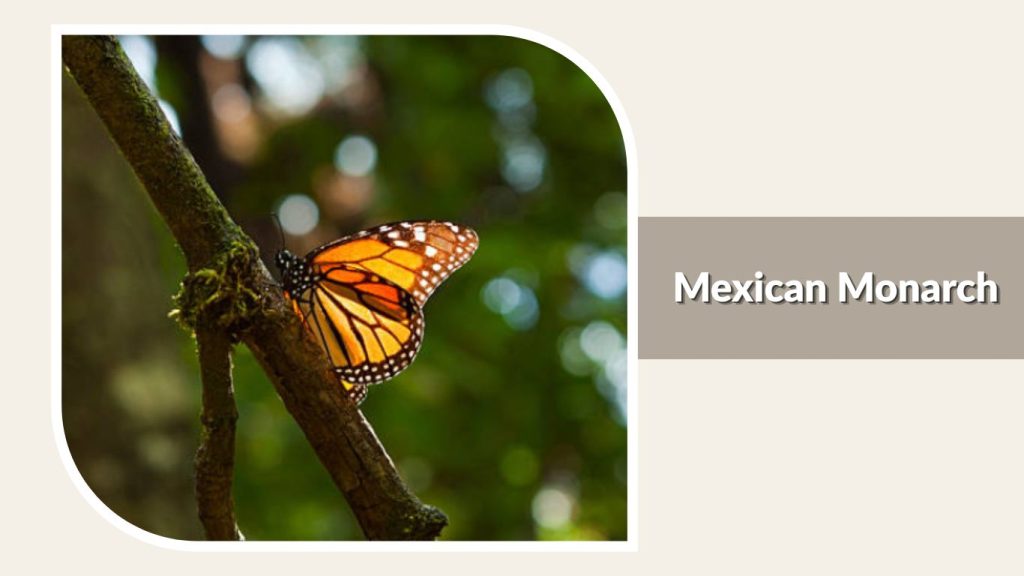
Mexican Monarch butterflies are well known for gathering in massive overwintering colonies within the mountain forests of central Mexico. These butterflies are part of the famous North American migratory population and are admired for their bright orange wings and long-distance travel. They are commonly associated with pine and fir forests where millions cluster together during the winter season.
Identification
- Bright orange wings with black veins
- White spots along dark wing borders
- Wingspan of about 3.5 to 4 inches
- Black body covered with white dots
- Broad wings designed for long-distance migration
Habitat and Distribution
Mexican Monarchs are mainly found in the mountainous forests of central Mexico during winter months. They gather in cool, high-altitude fir and pine forests that provide shelter during overwintering. During migration and breeding seasons, they also inhabit grasslands, gardens, meadows, and open habitats throughout North America with abundant milkweed plants.
Behavior and Diet
These butterflies are highly social during winter, forming dense clusters on tree branches to conserve warmth and moisture. Adults feed mainly on nectar from flowering plants during migration and breeding periods. Caterpillars feed exclusively on milkweed leaves, which contain chemicals that help protect them from predators naturally.
Life Cycle
Mexican Monarchs pass through four stages including egg, caterpillar, chrysalis, and adult butterfly. Females lay eggs on milkweed plants where larvae hatch and begin feeding immediately. After several growth stages, the caterpillar forms a chrysalis before emerging as an adult butterfly capable of seasonal migration and reproduction.
13. Florida Monarch
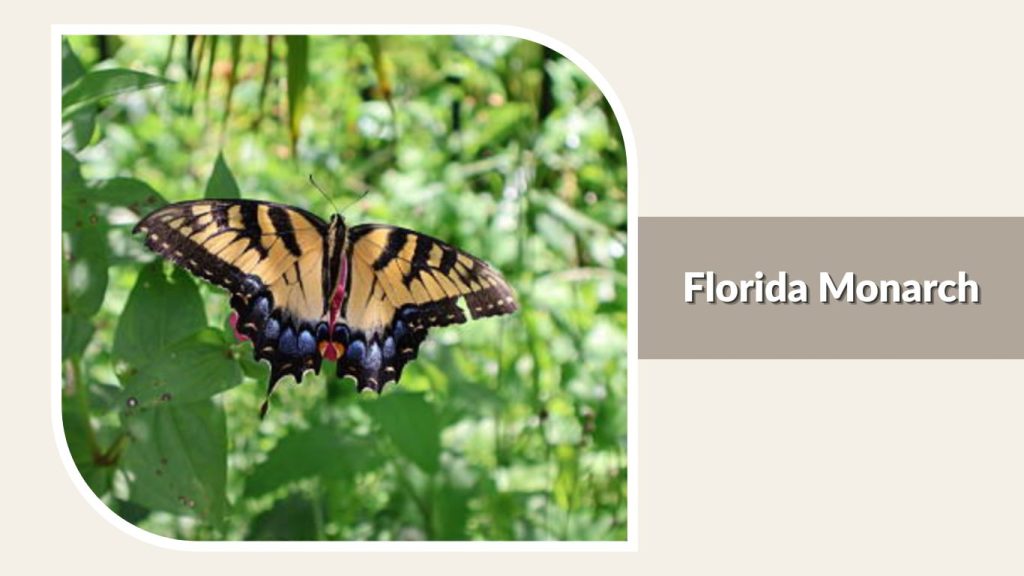
Florida Monarch butterflies are colorful monarch populations commonly found throughout Florida’s warm and humid environments. Unlike migratory northern monarchs, many Florida Monarchs remain active year-round because of the state’s mild climate and abundant flowering plants. These butterflies are frequently seen in gardens, coastal habitats, parks, wetlands, and open grassy areas rich in milkweed species.
Identification
- Bright orange wings with black veins
- White spots along black wing borders
- Wingspan of about 3 to 4 inches
- Black body with tiny white markings
- Slightly darker coloration in some individuals
Habitat and Distribution
Florida Monarchs inhabit gardens, coastal regions, wetlands, parks, forests, and suburban habitats throughout Florida. They thrive in warm environments with year-round access to flowering plants and milkweed. These butterflies are especially common in southern Florida where temperatures remain mild and breeding conditions stay favorable throughout most seasons.
Behavior and Diet
These butterflies are active during the daytime and often remain within the same region instead of migrating long distances. Adults feed mainly on nectar from tropical and native flowering plants, while caterpillars consume milkweed leaves exclusively. Florida Monarchs are graceful flyers commonly observed moving slowly through sunny gardens and open habitats.
Life Cycle
Florida Monarchs develop through four stages including egg, caterpillar, chrysalis, and adult butterfly. Females lay eggs on milkweed plants where larvae hatch and feed continuously. After several molts and growth stages, the caterpillar forms a green chrysalis before emerging as a fully developed adult butterfly.
14. California Monarch

California Monarch butterflies are western monarch populations famous for their seasonal migration along the Pacific Coast. These butterflies are admired for their bright orange wings and large winter gatherings in coastal groves across California. They are commonly found in gardens, meadows, coastal habitats, and open grasslands where flowering plants and milkweed are available throughout their active seasons.
Identification
- Bright orange wings with black veins
- White spots along dark wing edges
- Wingspan of about 3.5 to 4 inches
- Black body with fine white markings
- Broad wings suited for gliding flight
Habitat and Distribution
California Monarchs inhabit coastal groves, grasslands, meadows, gardens, parks, and open woodlands throughout western North America. During winter, they gather in sheltered coastal areas of California with eucalyptus, pine, and cypress trees. During breeding seasons, they spread across western states where milkweed and nectar plants grow abundantly.
Behavior and Diet
These butterflies are active during daylight hours and are known for seasonal migration along western regions. Adults feed mainly on nectar from flowering plants including milkweed, goldenrod, and asters. Caterpillars feed entirely on milkweed leaves, gaining natural chemical protection that helps discourage predators in the wild.
Life Cycle
California Monarchs pass through four stages including egg, caterpillar, chrysalis, and adult butterfly. Females lay eggs on milkweed plants where larvae hatch and begin feeding immediately. After several stages of growth and molting, the caterpillar forms a chrysalis before emerging as a brightly colored adult butterfly.
15. South American Monarch

South American Monarch butterflies are vibrant orange-and-black butterflies commonly found across tropical and subtropical regions of South America. These butterflies thrive in warm climates where flowering plants and milkweed grow throughout the year. They are often seen in gardens, grasslands, forests, wetlands, and open habitats where they feed, breed, and fly actively during daylight hours.
Identification
- Bright orange wings with black veins
- White spots around dark wing borders
- Wingspan of about 3 to 4 inches
- Black body with small white markings
- Long smooth forewings with rounded edges
Habitat and Distribution
South American Monarchs inhabit tropical forests, grasslands, wetlands, gardens, parks, and open countryside habitats across South America. They are especially common in warm regions with abundant milkweed and flowering plants. These butterflies remain active year-round in many areas because temperatures stay suitable for feeding and breeding activities continuously.
Behavior and Diet
These butterflies are active during the daytime and spend much of their time feeding, mating, and flying between flowers. Adults mainly feed on nectar from tropical flowering plants, while caterpillars feed exclusively on milkweed leaves. South American Monarchs are graceful flyers commonly observed in sunny habitats and open natural landscapes.
Life Cycle
South American Monarchs pass through four developmental stages including egg, caterpillar, chrysalis, and adult butterfly. Females lay eggs on milkweed plants where larvae hatch and feed immediately. After several growth stages and molts, the caterpillar forms a green chrysalis before emerging as a fully developed adult butterfly.
16. Central American Monarch

Central American Monarch butterflies are colorful monarch populations commonly found throughout tropical and subtropical regions of Central America. These butterflies thrive in warm climates with abundant flowering plants and milkweed species. They are often seen in gardens, forests, grasslands, and open countryside habitats where they remain active year-round because of favorable environmental conditions.
Identification
- Bright orange wings with black veins
- White spots along dark wing borders
- Wingspan of about 3 to 4 inches
- Black body with fine white markings
- Smooth broad wings with rounded edges
Habitat and Distribution
Central American Monarchs inhabit tropical forests, gardens, grasslands, coastal habitats, and open rural areas throughout Central America. They are widely distributed in warm regions where flowering plants and milkweed remain available year-round. These butterflies are commonly found in sunny environments with abundant vegetation and mild climatic conditions.
Behavior and Diet
These butterflies are active during daylight hours and spend much of their time feeding, mating, and searching for host plants. Adults mainly feed on nectar from tropical flowers, while caterpillars feed exclusively on milkweed leaves. Central American Monarchs are graceful flyers frequently observed gliding slowly through warm open habitats and gardens.
Life Cycle
Central American Monarchs develop through four stages including egg, caterpillar, chrysalis, and adult butterfly. Females lay eggs on milkweed plants where larvae hatch and begin feeding immediately. After several growth stages and molts, the caterpillar forms a chrysalis before emerging as a fully developed adult butterfly.
17. Island Monarch

Island Monarch butterflies are monarch populations adapted to life on tropical and subtropical islands with warm climates and abundant vegetation. These butterflies are known for their bright orange wings and graceful flight patterns. They are commonly found in coastal habitats, gardens, forests, and open grassy areas where flowering plants and milkweed provide food and breeding resources year-round.
Identification
- Bright orange wings with black veins
- White spots around dark wing borders
- Wingspan of about 3 to 4 inches
- Slender black body with white markings
- Rounded wings with bold contrasting patterns
Habitat and Distribution
Island Monarchs inhabit tropical islands, coastal forests, gardens, grasslands, and open habitats with warm temperatures throughout the year. They are commonly distributed across island regions in the Pacific, Caribbean, and nearby subtropical environments. These butterflies prefer sunny areas where flowering plants and milkweed grow in abundance naturally.
Behavior and Diet
These butterflies are active during the daytime and spend much of their time feeding, mating, and moving between flowering plants. Adults mainly feed on nectar from tropical flowers, while caterpillars feed exclusively on milkweed leaves. Island Monarchs are usually calm and slow-moving butterflies commonly seen in warm coastal environments.
Life Cycle
Island Monarchs pass through four developmental stages including egg, caterpillar, chrysalis, and adult butterfly. Females lay eggs on milkweed plants where larvae hatch and begin feeding immediately. After several growth stages and molts, the caterpillar forms a green chrysalis before emerging as a brightly colored adult butterfly.
18. Tropical Monarch
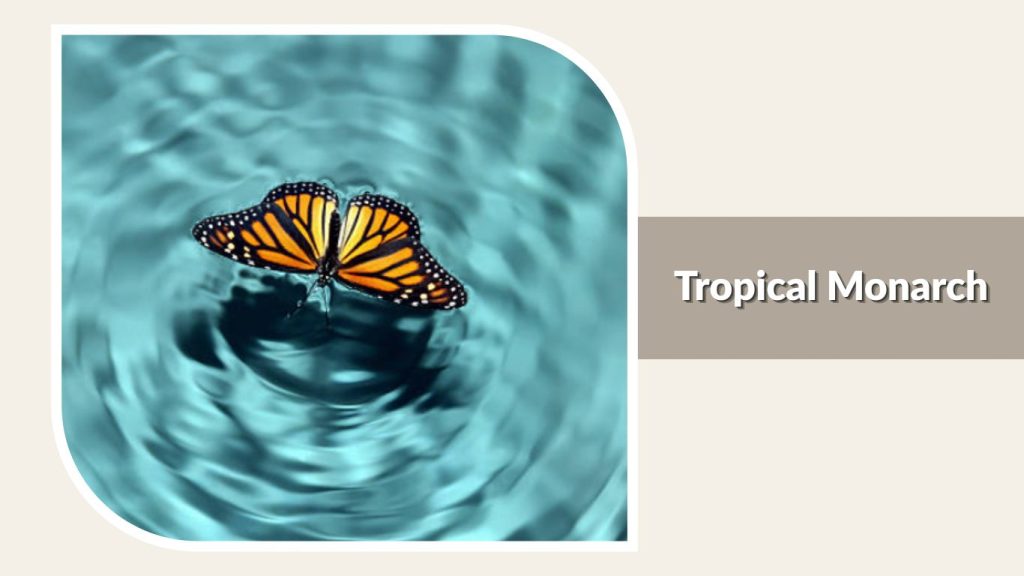
Tropical Monarch butterflies are brightly colored monarchs commonly found in warm tropical and subtropical regions around the world. These butterflies remain active throughout the year because they do not experience long cold winters. They are often seen in gardens, forests, grasslands, and coastal habitats where flowering plants and milkweed provide constant sources of food and breeding sites.
Identification
- Bright orange wings with black veins
- White spots along black wing borders
- Wingspan of about 3 to 4 inches
- Black body with tiny white markings
- Smooth rounded wings with bold patterns
Habitat and Distribution
Tropical Monarchs inhabit gardens, tropical forests, grasslands, wetlands, coastal areas, and open countryside habitats in warm climates. They are widely distributed across tropical regions of the Americas, Pacific islands, Australia, and other subtropical environments. These butterflies thrive where flowering plants and milkweed remain available year-round.
Behavior and Diet
These butterflies are active during daylight hours and spend much of their time feeding and reproducing in warm environments. Adults mainly consume nectar from flowering plants, while caterpillars feed exclusively on milkweed leaves. Tropical Monarchs are graceful flyers often observed gliding slowly through sunny gardens and natural landscapes.
Life Cycle
Tropical Monarchs develop through four stages including egg, caterpillar, chrysalis, and adult butterfly. Females lay eggs on milkweed plants where larvae hatch and begin feeding immediately. After several molts and growth stages, the caterpillar forms a chrysalis before emerging as a fully developed adult butterfly.
19. Western Monarch

Western Monarch butterflies are migratory monarch populations found mainly in western North America. These butterflies are famous for traveling along the Pacific Coast and gathering in large overwintering groups in California. They are admired for their bright orange wings, graceful flight, and seasonal movement between breeding and wintering habitats filled with flowering plants and milkweed.
Identification
- Bright orange wings with black veins
- White spots along dark wing borders
- Wingspan of about 3.5 to 4 inches
- Black body with small white markings
- Broad wings suited for gliding migration
Habitat and Distribution
Western Monarchs inhabit grasslands, meadows, gardens, parks, coastal groves, and open woodlands across western North America. During winter, they gather in protected coastal areas of California with eucalyptus, cypress, and pine trees. During breeding seasons, they spread across western states where milkweed and nectar plants are abundant.
Behavior and Diet
These butterflies are active during the daytime and are best known for their seasonal migration along western regions. Adults feed mainly on nectar from flowering plants such as milkweed, asters, and goldenrod. Caterpillars feed exclusively on milkweed leaves, gaining chemical protection that helps deter predators naturally in the wild.
Life Cycle
Western Monarchs pass through four developmental stages including egg, caterpillar, chrysalis, and adult butterfly. Females lay eggs on milkweed plants where larvae hatch and begin feeding immediately. After several stages of growth and molting, the caterpillar forms a chrysalis before emerging as a colorful adult butterfly ready for migration.
20. Eastern Monarch
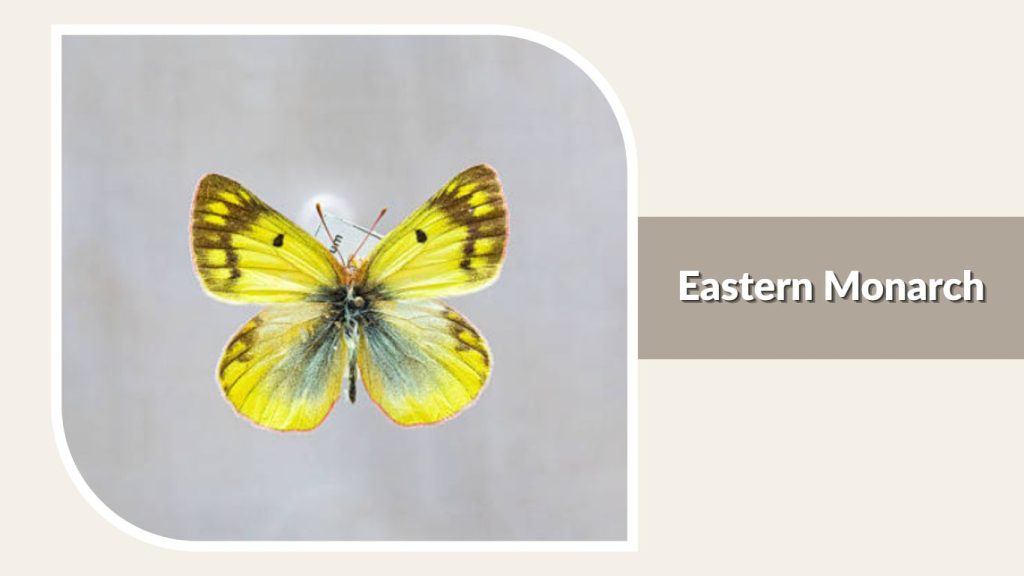
Eastern Monarch butterflies are the largest migratory monarch population in North America, known for their incredible seasonal journey between Canada, the United States, and Mexico. These butterflies are admired for their bright orange wings and massive overwintering colonies in Mexican forests. They are commonly found in gardens, meadows, grasslands, and open habitats rich in flowering plants and milkweed.
Identification
- Bright orange wings with black veins
- White spots around dark wing borders
- Wingspan of about 3.5 to 4 inches
- Black body with fine white markings
- Long broad wings adapted for migration
Habitat and Distribution
Eastern Monarchs inhabit meadows, prairies, gardens, grasslands, forests, and roadside habitats throughout eastern North America. During winter, they migrate to high-altitude forests in central Mexico. These butterflies depend heavily on milkweed plants for breeding and thrive in regions with abundant flowering plants and suitable migration pathways.
Behavior and Diet
These butterflies are active during daylight hours and are famous for their long-distance migration behavior. Adults feed mainly on nectar from flowers such as milkweed, asters, and goldenrod. Caterpillars feed exclusively on milkweed leaves, gaining natural chemical protection that helps discourage predators during development and adulthood.
Life Cycle
Eastern Monarchs develop through four stages including egg, caterpillar, chrysalis, and adult butterfly. Females lay eggs individually on milkweed leaves where larvae hatch and feed continuously. After several growth stages and molts, the caterpillar forms a green chrysalis before emerging as a fully developed migratory butterfly.
21. Giant Monarch
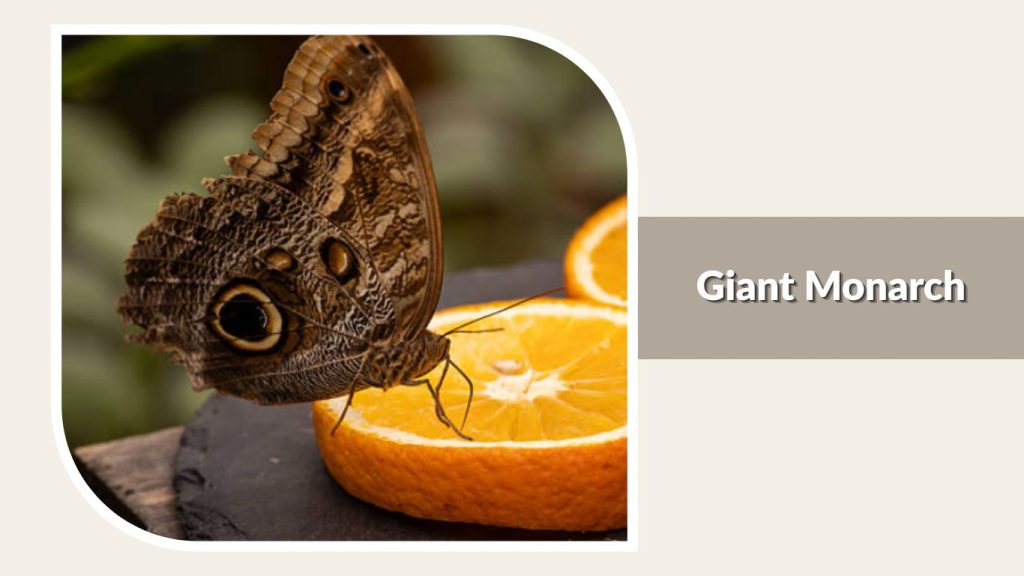
Giant Monarch butterflies are large and impressive monarch variations recognized for their broad wings and strong flying ability. These butterflies are commonly found in warm tropical and subtropical habitats where flowering plants and milkweed grow abundantly. Their larger size and bold wing patterns make them especially noticeable in gardens, forests, grasslands, and open natural environments during daytime activity.
Identification
- Large bright orange wings with black veins
- White spots along black wing edges
- Wingspan larger than typical monarchs
- Black body with tiny white markings
- Broad wings with strong flight muscles
Habitat and Distribution
Giant Monarchs inhabit tropical forests, gardens, grasslands, coastal habitats, and open countryside regions with warm climates. They are commonly found in areas rich in flowering plants and milkweed species. These butterflies prefer sunny habitats with abundant vegetation where they can feed, reproduce, and move freely throughout the year.
Behavior and Diet
These butterflies are active during daylight hours and are known for their steady and powerful flight patterns. Adults mainly feed on nectar from flowering plants, while caterpillars feed exclusively on milkweed leaves. Giant Monarchs spend much of their time gliding through open habitats and searching for food and breeding sites.
Life Cycle
Giant Monarchs pass through four developmental stages including egg, caterpillar, chrysalis, and adult butterfly. Females lay eggs on milkweed plants where larvae hatch and begin feeding immediately. After several growth stages and molts, the caterpillar forms a chrysalis before emerging as a large adult butterfly with vibrant wing coloration.
22. Pale Monarch
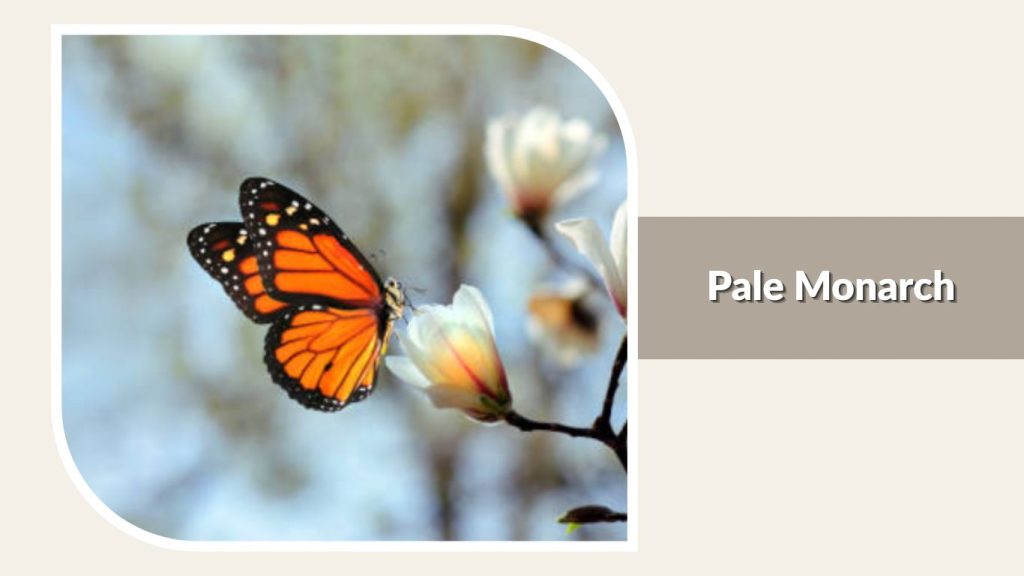
Pale Monarch butterflies are lighter-colored monarch variations known for their softer orange or faded cream-toned wing patterns. These butterflies are uncommon compared to the typical bright orange monarchs and are admired for their delicate appearance. They are commonly found in warm habitats with abundant flowering plants and milkweed, including gardens, grasslands, forests, and coastal environments.
Identification
- Pale orange or cream-colored wings
- Black veins across the wings
- White spots along dark wing borders
- Wingspan of about 3 to 4 inches
- Slender black body with white markings
Habitat and Distribution
Pale Monarchs inhabit tropical and subtropical gardens, grasslands, forests, parks, and coastal habitats where milkweed and flowering plants are abundant. They are occasionally found within normal monarch populations in warm climates. These butterflies prefer sunny environments with steady food sources and suitable breeding habitats throughout the year.
Behavior and Diet
These butterflies are active during the daytime and spend much of their time feeding, flying, and searching for mates. Adults mainly feed on nectar from flowering plants, while caterpillars feed exclusively on milkweed leaves. Pale Monarchs are graceful slow flyers often observed gliding through open sunny habitats and gardens.
Life Cycle
Pale Monarchs develop through four stages including egg, caterpillar, chrysalis, and adult butterfly. Females lay eggs on milkweed plants where larvae hatch and feed continuously. After several growth stages and molts, the caterpillar forms a chrysalis before emerging as a pale-colored adult butterfly with distinctive markings.
23. Dark-winged Monarch
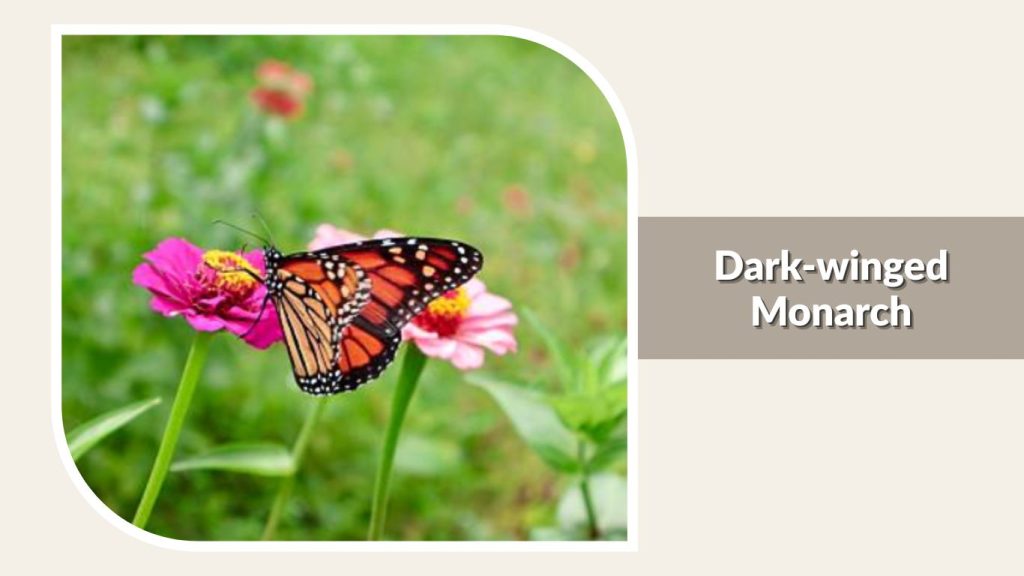
Dark-winged Monarch butterflies are striking monarch variations recognized for their deeper orange, brown, or black-toned wings. These butterflies are less common than standard monarchs and are admired for their bold contrasting patterns. They are commonly found in warm habitats with abundant flowering plants and milkweed, including gardens, forests, grasslands, and tropical open environments.
Identification
- Dark orange or brownish-black wings
- Black veins blended into darker wing color
- White spots along wing borders
- Wingspan of about 3 to 4 inches
- Black body with fine white markings
Habitat and Distribution
Dark-winged Monarchs inhabit tropical and subtropical gardens, forests, meadows, grasslands, and coastal habitats where milkweed and nectar plants are available. They are occasionally found within larger monarch populations in warm climates. These butterflies prefer sunny environments with stable food sources and suitable breeding conditions year-round.
Behavior and Diet
These butterflies are active during daylight hours and spend most of their time feeding, mating, and flying between flowers. Adults mainly consume nectar from flowering plants, while caterpillars feed exclusively on milkweed leaves. Dark-winged Monarchs are graceful flyers commonly observed in sunny gardens and open natural habitats.
Life Cycle
Dark-winged Monarchs pass through four stages including egg, caterpillar, chrysalis, and adult butterfly. Females lay eggs on milkweed plants where larvae hatch and feed immediately. After several growth stages and molts, the caterpillar forms a chrysalis before emerging as a dark-colored adult butterfly with bold wing patterns.
24. Coastal Monarch
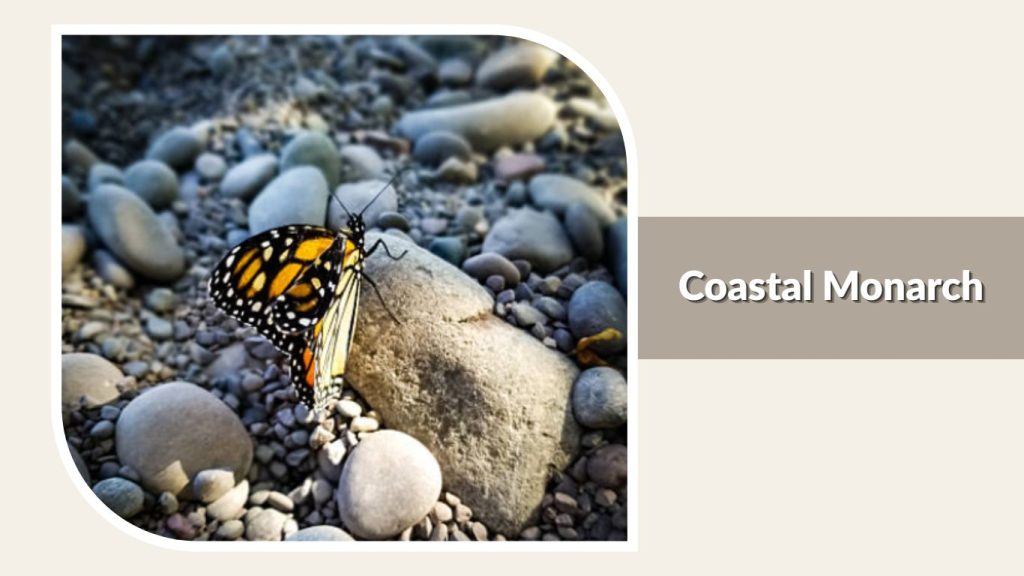
Coastal Monarch butterflies are monarch populations commonly found near coastal habitats with warm temperatures and abundant flowering vegetation. These butterflies are admired for their bright orange wings and graceful flight along beaches, dunes, wetlands, and seaside gardens. They thrive in mild climates where milkweed plants and nectar-rich flowers provide reliable food and breeding resources throughout the year.
Identification
- Bright orange wings with black veins
- White spots along dark wing borders
- Wingspan of about 3 to 4 inches
- Black body with small white markings
- Smooth broad wings suited for gliding flight
Habitat and Distribution
Coastal Monarchs inhabit beaches, coastal grasslands, wetlands, seaside gardens, dunes, and open shoreline habitats in warm regions. They are commonly found in coastal areas of North America, tropical islands, and subtropical regions where flowering plants and milkweed grow abundantly near the ocean and sheltered environments.
Behavior and Diet
These butterflies are active during daylight hours and are often seen gliding slowly along coastal vegetation and flowering plants. Adults mainly feed on nectar from seaside flowers, while caterpillars feed exclusively on milkweed leaves. Coastal Monarchs are calm butterflies that spend much of their time feeding, mating, and searching for breeding sites.
Life Cycle
Coastal Monarchs pass through four developmental stages including egg, caterpillar, chrysalis, and adult butterfly. Females lay eggs on milkweed plants growing in coastal habitats where larvae hatch and feed continuously. After several molts and growth stages, the caterpillar forms a chrysalis before emerging as an adult butterfly.
25. Forest Monarch
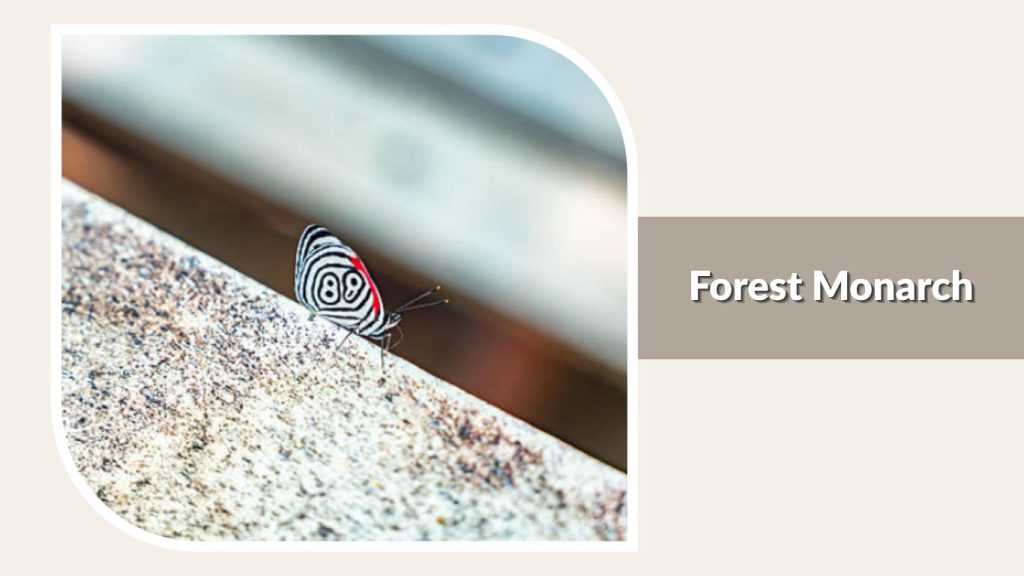
Forest Monarch butterflies are beautiful monarch populations commonly found in wooded habitats with abundant vegetation and flowering plants. These butterflies are known for their bright orange wings and calm gliding flight through forest edges and open clearings. They thrive in warm environments where milkweed plants grow naturally and provide important breeding and feeding opportunities throughout the year.
Identification
- Bright orange wings with black veins
- White spots along dark wing borders
- Wingspan of about 3 to 4 inches
- Black body with tiny white markings
- Broad wings with smooth rounded edges
Habitat and Distribution
Forest Monarchs inhabit tropical forests, woodland edges, forest clearings, gardens, and open grassy habitats with abundant flowering plants and milkweed. They are commonly found in warm and humid regions where vegetation remains dense throughout the year. These butterflies prefer sunny openings within forests where nectar sources are plentiful.
Behavior and Diet
These butterflies are active during daylight hours and are often seen gliding slowly between flowers and forest vegetation. Adults mainly feed on nectar from flowering plants, while caterpillars feed exclusively on milkweed leaves. Forest Monarchs spend much of their time feeding, mating, and searching for suitable host plants for reproduction.
Life Cycle
Forest Monarchs develop through four stages including egg, caterpillar, chrysalis, and adult butterfly. Females lay eggs on milkweed plants where larvae hatch and begin feeding immediately. After several growth stages and molts, the caterpillar forms a chrysalis before emerging as a fully developed adult butterfly with colorful patterned wings.
26. Meadow Monarch

Meadow Monarch butterflies are vibrant monarch populations commonly found in open meadows and grasslands filled with wildflowers and milkweed plants. These butterflies are admired for their bright orange wings and graceful flight across sunny landscapes. They thrive in open natural habitats where nectar-rich flowers provide food and suitable breeding areas remain available throughout warm seasons.
Identification
- Bright orange wings with black veins
- White spots along black wing borders
- Wingspan of about 3 to 4 inches
- Black body with fine white markings
- Broad wings with smooth edges
Habitat and Distribution
Meadow Monarchs inhabit open meadows, grasslands, prairies, gardens, and countryside habitats rich in flowering plants and milkweed. They are commonly found in warm and temperate regions where sunny conditions support abundant vegetation. These butterflies prefer open spaces with plentiful nectar sources and suitable host plants for breeding activities.
Behavior and Diet
These butterflies are active during daylight hours and spend much of their time feeding and flying between wildflowers. Adults mainly consume nectar from flowering plants, while caterpillars feed exclusively on milkweed leaves. Meadow Monarchs are graceful slow-moving flyers often observed gliding through open grassy habitats during warm sunny weather.
Life Cycle
Meadow Monarchs pass through four stages including egg, caterpillar, chrysalis, and adult butterfly. Females lay eggs on milkweed plants where larvae hatch and feed continuously. After several molts and growth stages, the caterpillar forms a chrysalis before emerging as a colorful adult butterfly ready for reproduction and seasonal activity.
27. Striped Monarch
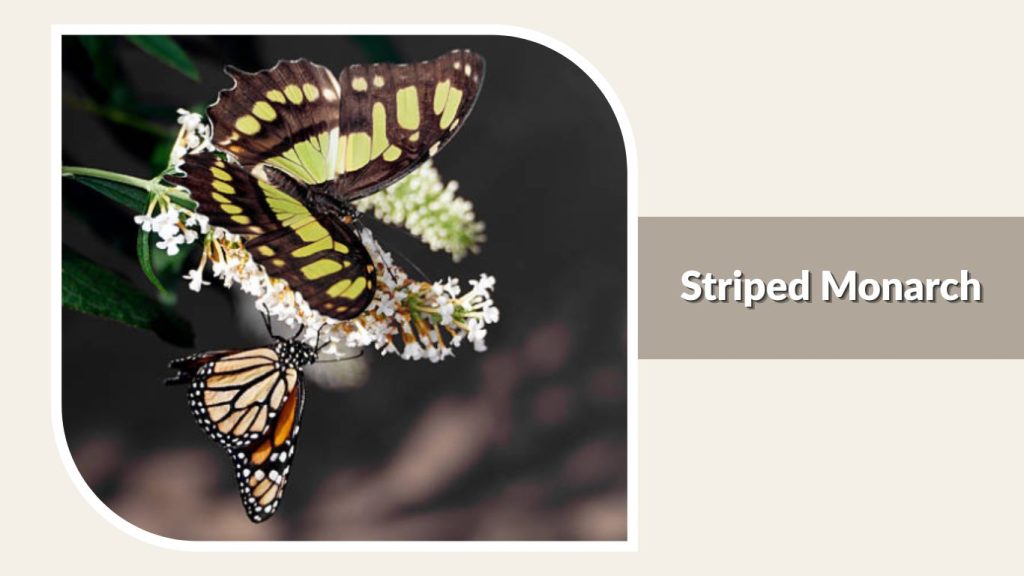
Striped Monarch butterflies are distinctive monarch variations recognized for their bold wing patterns and prominent dark striping across bright orange wings. These butterflies are admired for their striking appearance and graceful flight in warm natural habitats. They are commonly found in gardens, grasslands, forests, and open tropical regions where flowering plants and milkweed grow abundantly throughout the year.
Identification
- Bright orange wings with strong black stripes
- White spots along dark wing borders
- Wingspan of about 3 to 4 inches
- Black body with tiny white markings
- Broad patterned wings with bold contrast
Habitat and Distribution
Striped Monarchs inhabit tropical forests, gardens, grasslands, meadows, coastal habitats, and open countryside areas with abundant flowering plants and milkweed. They are commonly found in warm climates where nectar sources remain available year-round. These butterflies prefer sunny open habitats that support feeding and breeding activities continuously.
Behavior and Diet
These butterflies are active during daylight hours and spend much of their time feeding, mating, and flying between flowers. Adults mainly feed on nectar from flowering plants, while caterpillars consume only milkweed leaves. Striped Monarchs are calm and graceful flyers often seen gliding slowly through sunny gardens and natural landscapes.
Life Cycle
Striped Monarchs develop through four stages including egg, caterpillar, chrysalis, and adult butterfly. Females lay eggs on milkweed plants where larvae hatch and begin feeding immediately. After several growth stages and molts, the caterpillar forms a chrysalis before emerging as a fully developed striped adult butterfly.
FAQs
Why are monarch butterflies famous for migration?
Monarch butterflies are famous for their incredible long-distance migration across North America. Some populations travel thousands of miles between breeding grounds and overwintering habitats. This seasonal journey is considered one of the most remarkable migration events among insects and attracts scientific interest from around the world.
What do monarch butterflies eat?
Adult monarch butterflies mainly feed on nectar from flowering plants such as milkweed, asters, and goldenrod. Monarch caterpillars feed exclusively on milkweed leaves. The chemicals found in milkweed help protect both caterpillars and adult butterflies from predators by making them taste unpleasant to many animals.
Where do monarch butterflies live?
Monarch butterflies live in gardens, meadows, forests, grasslands, wetlands, coastal habitats, and open countryside areas. Different populations are found across North America, Central America, South America, Australia, New Zealand, and tropical islands where warm temperatures and milkweed plants are available for breeding and feeding.
How long does a monarch butterfly live?
Most adult monarch butterflies live for several weeks, but migratory monarchs can survive for several months during migration and overwintering periods. Their lifespan depends on climate, food availability, predators, and environmental conditions throughout their different developmental stages from egg to adult butterfly.
Why are milkweed plants important to monarch butterflies?
Milkweed plants are essential because monarch butterflies lay their eggs only on milkweed leaves. Caterpillars depend entirely on these plants for food during development. Milkweed also provides natural chemical protection that helps monarch caterpillars and adults defend themselves against predators in the wild.